 Peng Gao
Let's be honest. You don't come to Niubeiliang for a shopping spree. You come for the staggering mountain views, the crisp air, and the feeling of walking among the clouds. But that's precisely why the shopping here feels different. It's not about generic tourist trinkets. It's about stumbling upon a jar of wild honey so fragrant it smells of the forest floor, or finding a bag of wood-ear mushrooms picked from the very slopes you just hiked. After several visits, I've learned that the real treasures aren't in a glossy gift shop—they're at the unassuming stalls run by locals who live in the park's shadow. This guide cuts through the noise and tells you exactly where to find authentic goods, how to spot quality, and what you should absolutely bring home.
What You'll Find in This Guide
The Niubeiliang Shopping Vibe: What to Really Expect
Forget bustling night markets or rows of identical souvenir shops. Shopping at Niubeiliang is low-key, sporadic, and intimately tied to the land. Most vendors are farmers or foragers from nearby villages like Yingpan Town. Their offerings change with the seasons. In late summer, you'll see baskets of fresh walnuts still in their green husks. In autumn, it's all about dried mushrooms and berries.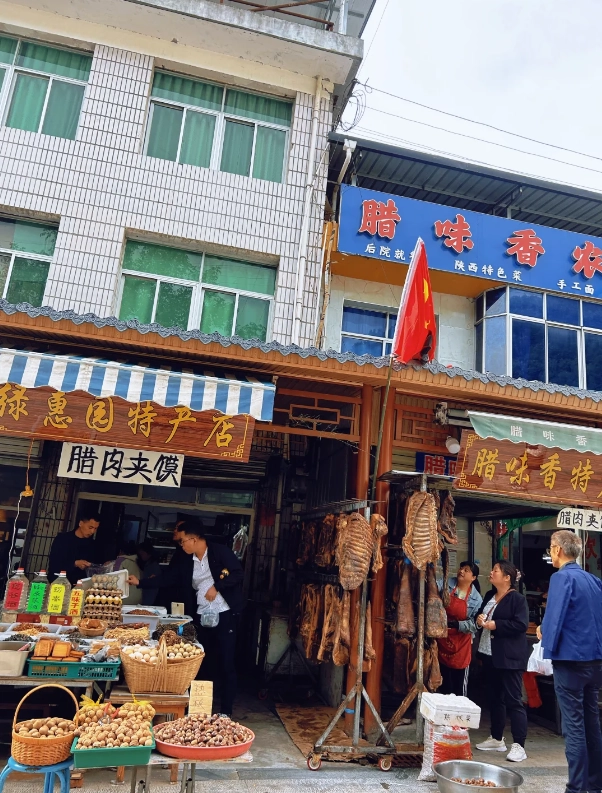
The commerce happens in pockets. A cluster of tables near the park entrance. A few stores along the main road in the service area. Maybe an elderly villager with a small display by a trailhead. It feels personal. I once bought honey from a beekeeper who pointed to the valley where his hives were. That connection is the whole point.
Where to Shop: Three Key Spots for Authentic Finds
Based on my wanderings, these are the places where you'll actually find things worth buying. Don't expect fixed, fancy addresses. Navigation is about landmarks.
1. The Park Entrance & Parking Area Stalls
This is your first and most convenient stop. Right outside the main ticket gates and sprawling across the main parking lot, you'll find 10-15 temporary tables and small canvas stalls. They're run by locals from the surrounding area.
What they sell: This is your best bet for portable, ready-to-eat snacks and common souvenirs. Think packaged dried fruits (persimmons, hawthorns), bags of roasted walnuts and hazelnuts, simple walking sticks carved from mountain bamboo, and cheap rain ponchos (which you might actually need!).
The vibe: It's competitive and can feel a bit pushy right as tourist buses unload. My tactic? Walk past the first row of stalls closest to the gates. The prices are often slightly better just 50 meters away, and the vendors are a tad more relaxed. They're generally open from park opening time (around 8:00 AM) until the last buses leave (around 5:00 PM).
2. Yingpan Town Local Market (The Real Deal)
If you have a car or don't mind a short taxi ride, head to Yingpan Town. This is where the locals live and shop. There's a small, everyday market street. It's not a tourist attraction; it's where people buy vegetables, meat, and household goods. But nestled among these shops, you'll find the genuine article.
I found a fantastic family-run shop here that specializes in local wild products. The owner, a man in his 50s whom everyone called Lao Zhang, spoke no English but was patient with my pointing and basic Mandarin. This is where I bought my best-quality dried Mu Er (wood-ear mushrooms) and a potent wild Jin Yin Hua (honeysuckle) tea.
Address Landmark: Look for the main commercial street near the Yingpan Town bus stop. Ask your hotel or a taxi driver for "Yingpan zhen shichang".
Best time to go: Mornings (before 11 AM) are liveliest. Many shops close for a long afternoon break and reopen around 4 PM.
3. Hotel & Homestay Shops
Don't overlook the small retail corners in your hotel lobby or the local nongjiale (farmhouse homestays). These are often curated selections. The prices might be fixed and a little higher than the market, but the quality is usually reliable, and the owners can explain the products. I've seen beautiful, hand-stitched cloth shoes and premium-grade walnuts in places like this. It's a low-pressure environment to browse.
| Location | Best For | Atmosphere & Tips | Payment Notes |
|---|---|---|---|
| Park Entrance Stalls | Quick snacks, basic nuts, emergency gear (ponchos, hats). | Busy, slightly pushy. Skip the first line of stalls. Best for a last-minute grab. | Almost all accept mobile pay. Cash is fine. |
| Yingpan Town Market | Authentic, high-quality local produce: mushrooms, wild teas, honey. | Local, non-touristy. Requires a short trip from the park. Be prepared to gesture and smile. | Mobile pay common. Having cash (RMB) is safer, especially for older vendors. |
| Hotel/Homestay Shops | Curated, quality souvenirs. Handicrafts, premium packaged goods. | Quiet, fixed prices, easier communication. Good for thoughtful gifts. | Mobile pay and cash both work seamlessly. |
What to Buy: Top Souvenirs & Mountain Delicacies
Here’s what you should keep an eye out for. These items have a true connection to the Qinling Mountains.
Zhashui Black Wood-ear Mushrooms: This is the star. Niubeiliang is in Zhashui County, famous for these. They're thicker, chewier, and have a richer flavor than the common variety. Look for mushrooms that are intact, not shattered into tiny pieces. The back should have a velvety grey-black texture, not shiny or slick. A small bag (about 200g) costs between 30 to 60 RMB, depending on quality. The ones sold in clear plastic bags in Yingpan are usually better than the pre-boxed ones at the entrance.
Wild Mountain Honey: You'll see jars of dark, amber-colored honey. This is often polyfloral honey from bees foraging on mountain wildflowers. Real local honey will sometimes crystallize at the bottom of the jar—that's a good sign, not a bad one. Avoid honey that looks perfectly clear and runny. Smell it if you can; it should have a complex, floral aroma, not just plain sweetness. A medium-sized jar (500g) ranges from 50 to 120 RMB. The higher price often reflects a more specific forage source (like acacia honey).
Roasted Walnuts & Hazelnuts: They sell these everywhere. They're a great hiking snack. Feel the bag. The nuts should feel heavy for their size and not rattle too much (which means they're shriveled inside). You can often sample one. I prefer the walnuts that are simply dry-roasted without extra salt or sugar coating.
Handmade Cloth Shoes: These are a practical souvenir. Made by local women, they're lightweight and surprisingly comfortable for lounging. Check the stitching on the sole—it should be tight and even. The ones with a thick, stitched cloth sole are more durable than the thin, glued ones. Prices: 40-80 RMB.
Wild Herbal Teas: Look for Jin Yin Hua (honeysuckle, for cooling), Gou Qi (goji berries), or wild chrysanthemum. They're often sold loose in large bins. The colors should be natural, not overly bright. Goji berries should be plump, not stuck together in a sugary clump.
Practical Shopping Tips: Payment, Bargaining & Timing
Payment: Set up WeChat Pay or Alipay before your trip. It's the easiest way. Link an international card or have a Chinese friend help you top up your wallet. For detailed guides, check the official Alipay or WeChat Pay websites for non-Chinese users. Always carry about 200-300 RMB in cash as a failsafe.
Bargaining: It's expected at the park entrance stalls, less so in town shops with price tags. Don't be aggressive. A smile and a simple "pianyi yi dian?" (便宜一点? - a little cheaper?) goes a long way. If something is priced at 100 RMB, offering 70-80 is a reasonable start. For small items under 30 RMB, I often don't bother.
Best Time to Shop: For a relaxed experience, shop on your way out of the park, not on your way in. You won't have to carry your purchases on the hike. Late afternoon at the entrance stalls is good, as vendors are more willing to make a final deal.
Carrying Your Finds: Vendors have simple plastic bags, but if you buy breakables like honey or lots of dry goods, bring your own sturdy tote bag. It makes a difference on the journey back.
Your Niubeiliang Shopping Questions Answered
Can I use my Visa or Mastercard to shop at Niubeiliang?
How can I tell if the wild honey is real and not fake syrup?
Where is the absolute best place to buy the wood-ear mushrooms?
 Is it okay to buy walking sticks or carvings made from local wood or bamboo?
The vendor doesn't speak English. How do I communicate what I want?
Shopping at Niubeiliang is less about acquiring things and more about taking a small, tangible piece of the mountain ecosystem home with you. It’s the taste of the forest in a mushroom soup, the sweetness of mountain flowers in your tea, or the simple utility of a hand-stitched shoe. By knowing where to look and what to look for, you turn a simple transaction into a meaningful extension of your journey. Now, go enjoy those trails—and keep an eye out for that perfect jar of honey on your way back.
This guide is based on personal, repeated visits to Niubeiliang National Forest Park and surrounding areas. Details regarding vendor presence and specific shop operations are subject to change with season and local conditions.

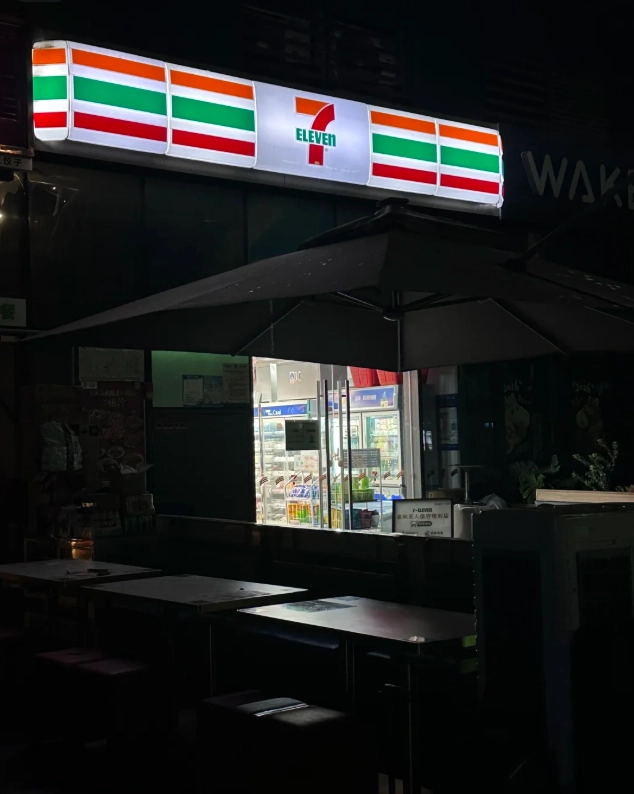





Do not eat before you come—just dive straight into the food stalls! The grilled lamb skewers are smoky and perfectly spiced with cumin and chili. The sticky rice cakes filled with red bean paste are a sweet, chewy delight. I also tried the sour- spicy pickled vegetables, which were super refreshing. Everything is cheap and cooked right in front of you. My taste buds are still dancing!
This market is a treasure trove for authentic souvenirs. I spent hours chatting with a woodcarver who explained the symbolism behind each animal figure. The intricate masks and small Buddha statues are hand-carved, not factory-made like in other tourist spots. Also found a beautiful embroidered jacket from a Miao woman who stitched it herself. Prices are fair for the craftsmanship. If you want real local culture, this is the place.
Absolute must-stop if you love local flavors! The wild honey from Niubeiliang is unlike anything I've ever tasted—rich, floral, with a hint of pine. Grab a jar from the old lady at the north end. Also pick up some Sichuan peppercorns and dried chili threads; the aroma alone is worth the trip. Vendors let you sample everything. 10/10, I'm already planning to stock up before I leave.
I enjoyed the hunt for traditional handwoven textiles here. The colors are gorgeous and the patterns are unique to the region. Bargaining was a bit exhausting—they start way too high—but once you get the hang of it, you can snag a beautiful blanket for a reasonable price. Just wish there were more non-textile options. Still, a solid afternoon out.
Honestly, I was a bit let down by the Niubeiliang markets. The stalls all seem to sell the same mass-produced trinkets and knockoff scarves, and the vendors are pushy. I did find some decent dried mushrooms for a fair price, but the overall vibe felt rushed and touristy. Not terrible, but I'd skip it next time.
Average experience. The market was clean and well‑organized but the pricing felt inconsistent. One stall wanted 80 yuan for a bamboo basket, a few meters down the same basket was 35. You really have to haggle hard. Also, the tea samples they offered were lukewarm and tasted stale. Not terrible, but there are better local markets in the region.
Came for the local weavings and wasn't disappointed. Found a small booth run by an old couple selling hand‑loomed wool blankets with traditional patterns. The colors are so rich and the wool feels sturdy. Paid 150 yuan for a medium‑sized throw—totally fair given the craftsmanship. Pro tip: go early before the noon rush when it gets crowded and sellers less patient.
If you love food, this market is paradise! I went straight for the roasted chestnuts and freshly made rice cakes. The lady at stall #12 even gave me a free sample of her homemade plum sauce. Bought a jar of pickled garlic that tastes incredible with noodles. The atmosphere was lively, locals shopping alongside tourists. Would come back just for the snacks.
Honestly a bit underwhelming. The market has potential but most stalls sell the same knock-off scarves and cheap wooden carvings. I was hoping for more authentic handcrafted pottery. The only highlight was a tiny spice stand run by a grandma who hand-mixed chili powders. Felt like everything else was mass-produced. Not worth the detour.
I stopped by Niubeiliang markets after a long morning hike, and the variety of local walnuts and dried mushrooms was impressive. Picked up some wild honey from an elderly lady who let me taste three different grades before buying. Prices were fair, not the tourist-inflated stuff you see elsewhere. Just wish there were more English labels on the packaged herbs.
[
{
"username": "TrailMixTom",
"content": "Stumbled into Niubeiliang market on a rainy afternoon and it was a highlight of my trip. Picked up a handmade bamboo basket for just 35 yuan – the craftsmanship is stunning, and the vendor even showed me how they weave the strips. The roasted chestnuts from a corner stall were warm and smoky, perfect for the weather. Definitely come early before the crowds hit; by 11am it gets packed. A must-visit for authentic souvenirs.",
"rating": 5
},
{
"username": "Jenny_Adventures",
"content": "I was hoping to find some unique local produce, but most stalls sell the same touristy stuff – cheap scarves, keychains, and knockoff teas. The only thing I bought was a bag of dried wild mushrooms from an elderly lady near the back, which turned out to be fantastic in soup. Prices are negotiable, but you have to haggle hard. Not bad for a quick walk-through, but don't expect hidden treasures.",
"rating": 3
},
{
"username": "FoodieSarah_K",
"content": "If you love street food, this market is heaven. I tried the grilled corn with chili powder and lime – incredible umami kick. Also grabbed a jar of locally made walnut honey from a friendly couple who let me taste three varieties. The fresh mountain herbs are a steal compared to city prices. Only downside: very few places to sit and eat, so be ready to eat while walking. Would return just for the honey.",
"rating": 4
},
{
"username": "Backpacker_Mike",
"content": "Got lost in the maze of alleys and ended up at Niubeiliang market by accident. What a find! Bought a handwoven wool scarf in deep forest green – soft and thick, perfect for the cold evenings. The seller told me it's made by local Miao women; I paid 80 yuan, which felt fair for the quality. The vibe is lively, with music and sizzling snacks everywhere. Only wish I had more cash on me – ATM is a 10-minute walk away.",
"rating: 5"
},
{
"username": "Wanderlust_Claire",
"content": "Nice market but overhyped in my opinion. The main path is crammed with identical souvenir stalls, and the 'local' snacks taste mass-produced. I did enjoy watching a tofu-making demonstration near the entrance, and the fresh fruit (plums and persimmons) were delicious and cheap. The rest felt like a tourist trap. Maybe I came on a bad day? Expect basic shopping, not a cultural immersion.",
"rating": 3
}
]