 Qiang Huang
Jump To (Quick Navigation)
I've been leading tours in Harbin for nearly a decade, and let me tell you—timing is everything. Most visitors rush into the Ice and Snow World during peak hours and end up frozen, frustrated, and missing the charm of this winter wonderland. This 3-day itinerary is designed to help you soak up the city's Russian-influenced architecture, feast on hearty local food, and conquer the ice festival like a pro—all without the crowds that usually clog the selfie spots. I'll share my personal shortcuts, the best time to visit each site, and exactly how to layer up so you don't shiver your way through the trip.
Day 1: Must-See City Highlights
Start your morning at Central Street (Zhongyang Dajie). This pedestrian-only street stretches 1.4 kilometers and is lined with Baroque and Byzantine buildings—remnants of Harbin's early 20th-century Russian influence. Grab a Madianer ice cream (yes, even at -20°C) from the historic Madianer restaurant. I always tell my groups: "You haven't really been to Harbin until you've eaten ice cream in sub-zero weather." The ice cream is creamy and dense, and it won't freeze solid because of its high fat content. After strolling, head to the end of the street to see the Flood Control Monument, built in 1958 to commemorate the city's victory over a major flood. The Songhua River behind it is completely frozen in winter—locals ice skate and even sell hot sweet potatoes on the ice.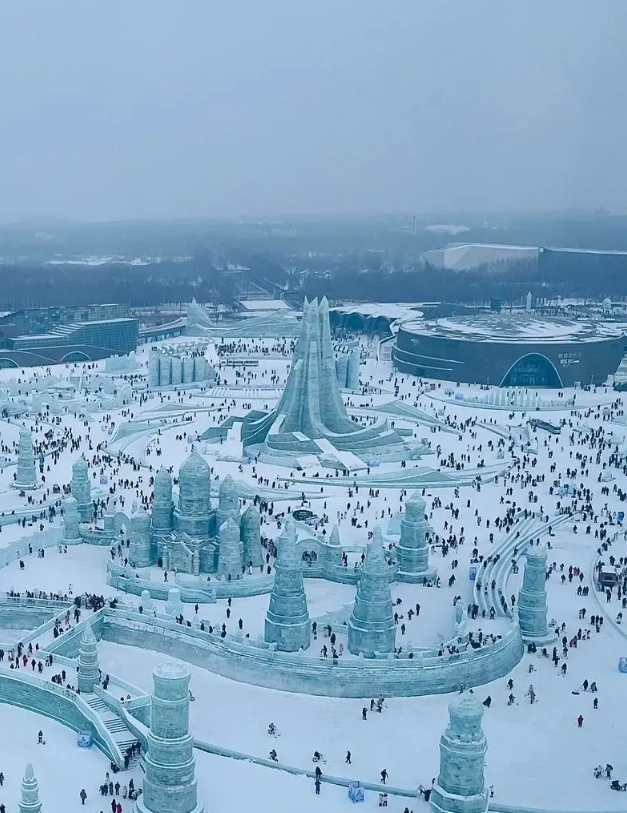
Next, walk 10 minutes to Saint Sophia Cathedral. This iconic Russian Orthodox church, completed in 1907, now houses an architectural museum. The green onion-shaped dome is a photographer's dream. Address: 88 Toulong Street, Daoli District. Opening hours: 08:30–17:00 (last entry 16:30). Ticket: 20 RMB for adults; free for children under 1.2 meters. I recommend going after 15:00 when the sunlight hits the facade beautifully. Inside, you'll find old photos of Harbin's railroad history—skip the audio guide, it's not worth the extra 10 RMB.
For lunch, walk back to Central Street and try Hua Mei Xican, a century-old Russian restaurant. Address: 112 Central Street. Must-order: the borscht (sweet and sour, not too heavy), the stuffed cabbage rolls, and the beef stroganoff. Prices are moderate—around 80–120 RMB per person. They accept WeChat Pay and Alipay, but cash is safer. No international credit cards, unfortunately. Tip: Go at 11:30 to avoid the lunch rush; by 12:30, there's usually a 20-minute wait.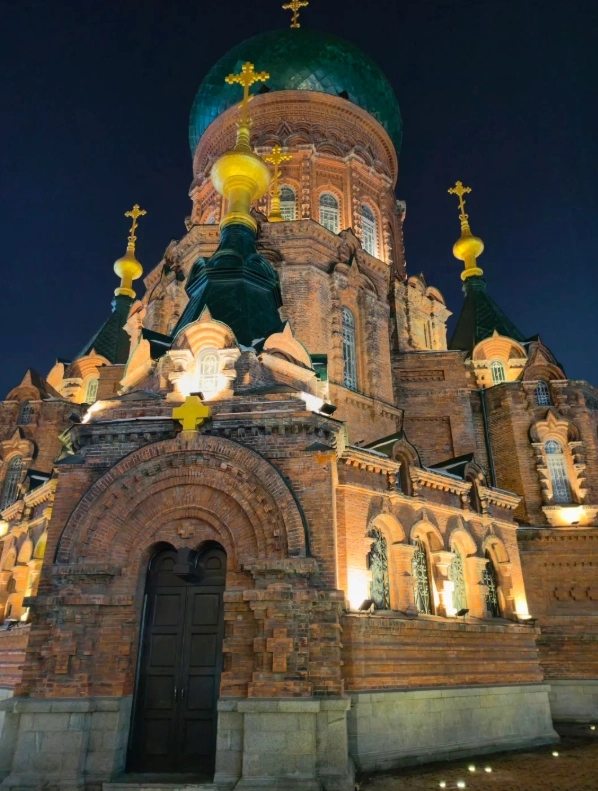
In the afternoon, take a 15-minute taxi (about 20 RMB) to Harbin Polarland. It's one of the best indoor attractions in winter—perfect for escaping the cold. You'll see beluga whales, penguins, and a famous polar bear. The highlight is the white whale show, which is incredibly interactive. Address: 1 Sun Island Avenue, Songbei District. Admission: 160 RMB for adults, 110 RMB for children (1.2–1.4 meters). Show times: 10:30, 13:30, 15:30 – get there 20 minutes early for good seats. I prefer the 13:30 show because the animals are more active.
By 17:00, the sun is setting and the temperature drops. That's your cue to head to Ice and Snow World—but not right away. Instead, warm up with a hotpot dinner at Donglaishun, a famous halal hotpot chain near Central Street. Address: 123 Youyi Road. Spicy mutton broth and hand-cut lamb are the stars. Expect to spend 150–200 RMB per person. Why dinner first? Because the Ice and Snow World is most magical after dark, around 18:30 when all the lights are on. If you go too early (like 16:00), you'll be freezing while the structures are still dull.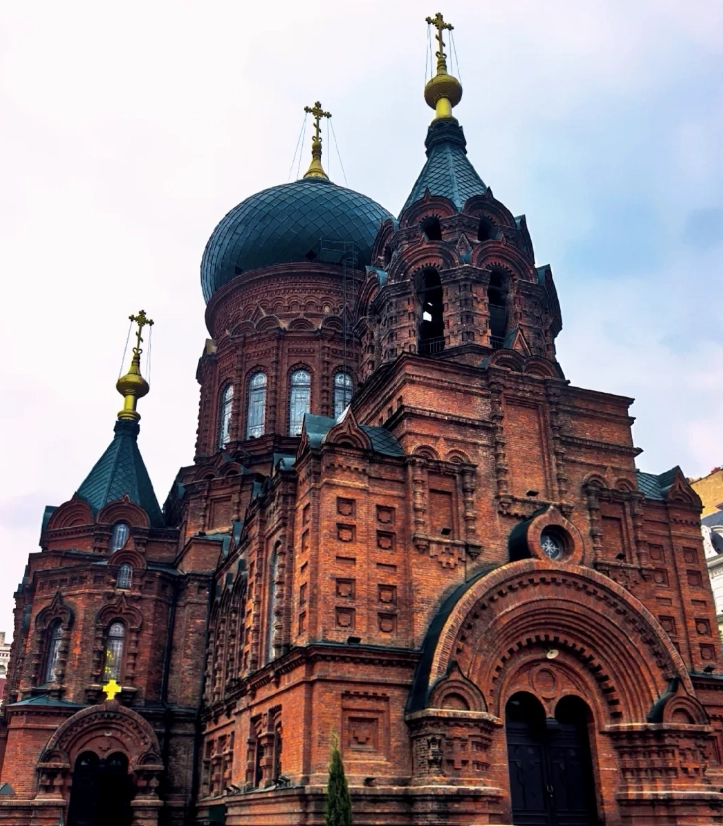
Ice and Snow World is the crown jewel of Harbin. Address: 1 Songbei Street. Opening hours: 11:00–21:30 (last entry 20:30). Ticket: 330 RMB for adults (flexible pricing depending on day; check the official WeChat mini-program "哈尔滨冰雪大世界"). Discounts for students and seniors 65+ (half price). I've seen prices drop to 230 RMB on weekdays in early January. How to get there: Take subway Line 2 to "Ice and Snow World" Station, Exit 3 – the park entrance is just 300 meters away. Taxi from town center costs about 50 RMB. Inside: You'll find massive ice castles, slides, and a Ferris wheel. Wear spiked shoe grips (you can buy them at the entrance for 20 RMB) – the ice gets slippery. My secret: go straight to the 300-meter giant slide as soon as you enter, because lines balloon to an hour by 19:00. Also, bring hand warmers – they sell them inside for 10 RMB per pack, but it's cheaper to buy in advance.
Spend 3–4 hours here. By 21:30, you'll be exhausted but amazed. Take the subway back – the last train is around 22:00.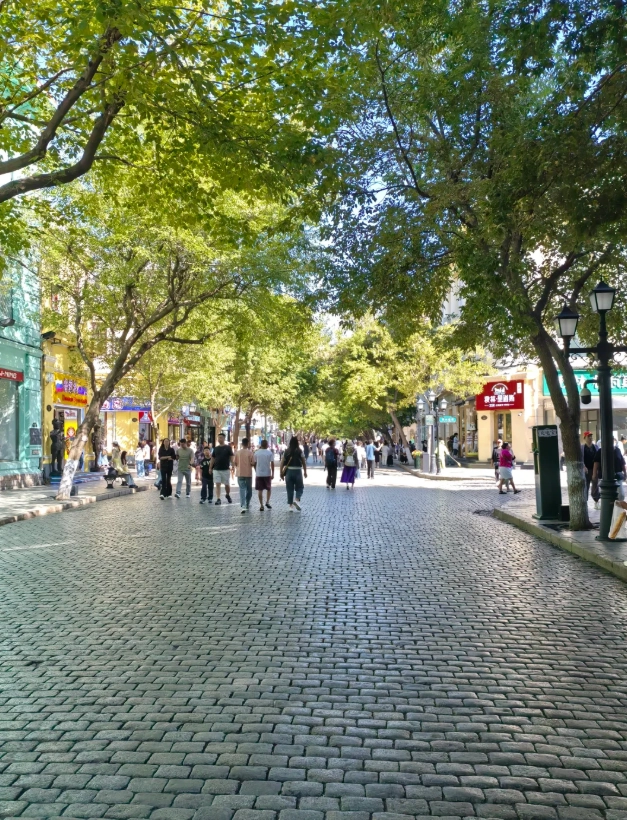
Day 2: Ice and Snow World & Sun Island
If you didn't do the Ice and Snow World on Day 1, swap this day accordingly. But I recommend a different approach for Day 2: Sun Island Snow Expo in the morning, then return to the Ice and Snow World for a second visit (skip if you already did it). Why? Sun Island features snow sculptures rather than ice – huge, intricate carvings of historical figures and animals, bathed in natural daylight. It's a completely different vibe.
Sun Island: Located on the north bank of the Songhua River, just a short cable car ride (50 RMB round trip) from the town side, or you can take the subway Line 2 to "Sun Island" Station, Exit 1. Opening hours: 08:00–17:00. Ticket: 240 RMB (includes the Snow Expo and the Russian-style park). Best time to arrive is 09:00, before the tour groups flood in. You'll have the snow sculptures to yourself for the first hour. The most impressive piece is the "Snow Dragon" – over 100 meters long. Bring your sunglasses – the white snow reflects sunlight harshly.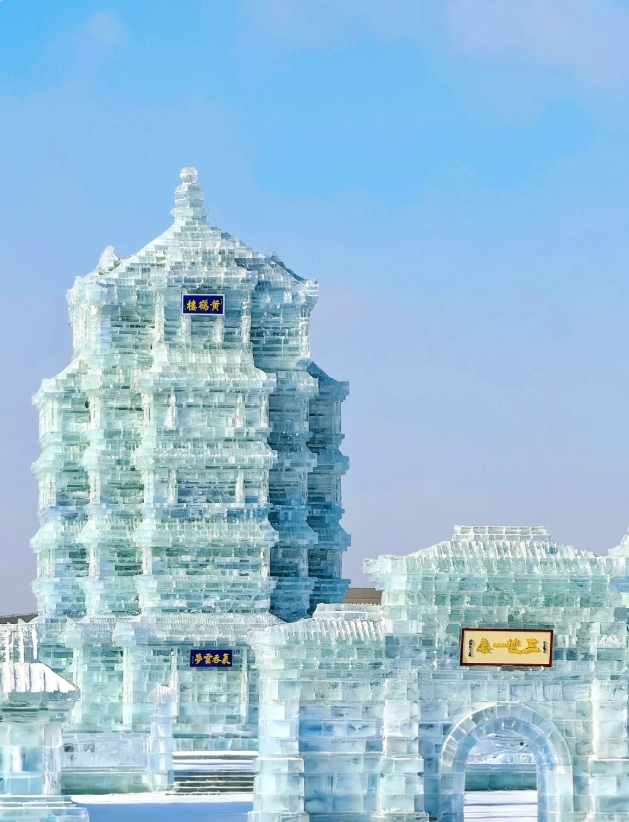
For lunch, head back to town and try Old Daowai's street food area. This district is where Harbin's Chinese and Russian cultures melded. I'm partial to Zhang's Baozi at 12 Jingyang Street. Their pork-and-cabbage steamed buns are legendary – 2 RMB each. The shop looks like a hole-in-the-wall, but the queue is always long. Another must: Harbin style grilled cold noodles from a street cart – sweet, spicy, and chewy.
After lunch, you have two options:
Option A: Return to Ice and Snow World if you missed it on Day 1 (follow the same tips).
Option B: Explore Volga Manor, a 30-minute drive from town (taxi costs 80–100 RMB). This is a Russian-themed park with wooden churches and castles, ideal for photography. Admission is 150 RMB. I usually send clients here if they're not into the festival crowds. However, it's less accessible by public transport, so only go if you have a car or don't mind paying for a taxi.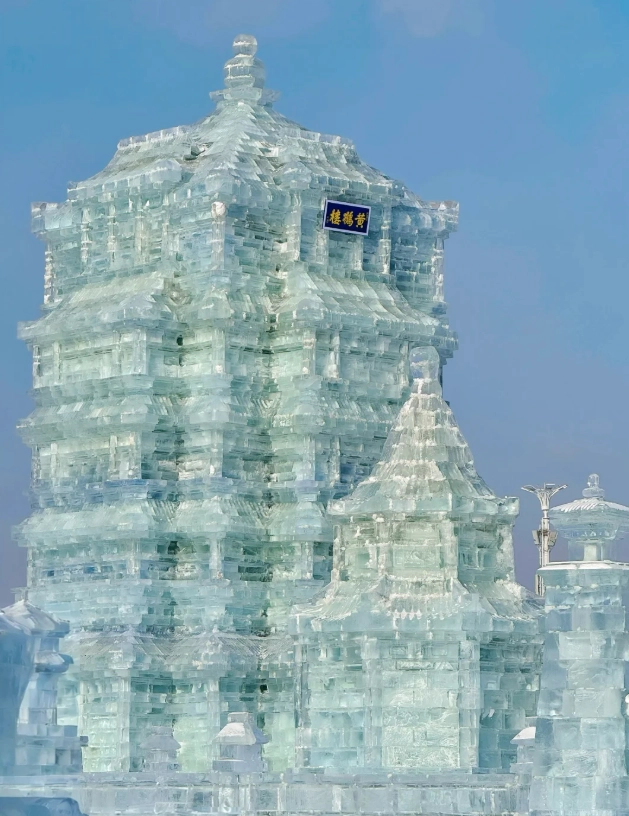
Evening: experience a Harbin ice fishing dinner – book through your hotel or find a local host. One reputable option is Songhua River Ice Fishing Village (requires a reservation via WeChat). They'll take you onto the frozen river, drill a hole, and cook your catch in a tent. Costs around 300 RMB per person including fish, veggies, and unlimited hot tea. Dress in layers because the tent is heated but the trek out is cold.
Day 3: Local Culture & Hidden Gems
On your last day, slow down. Start with a leisurely breakfast at KFC or McDonald's (yes, they're everywhere, but the local chains like Yonghe King offer hot soy milk and youtiao). Then head to Harbin Museum of Jewish History and Culture at 58 Tongjiang Street. It's inside a beautifully restored synagogue from 1907. Admission is free, but you need to bring your passport for entry. Open 09:00–16:00, closed Mondays. This is a quiet gem that most tourists skip – the exhibits tell the story of the Jewish community that flourished in Harbin before WWII. I always tell my groups: "If you want to understand Harbin beyond the ice, start here."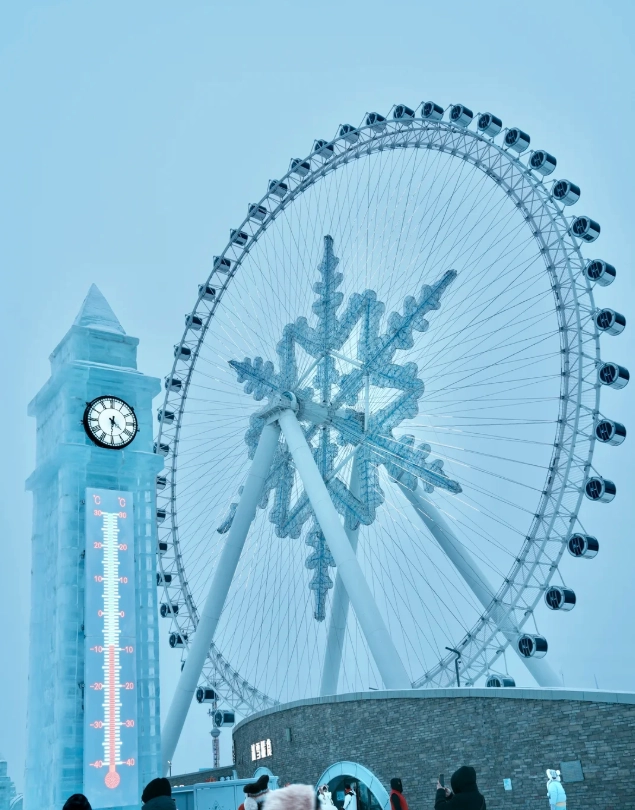
Next, wander through Old Daowai (Daowai District) – specifically the Chinese Baroque Street near Jingyang Street and North 14th Street. These buildings combine Chinese cloud patterns with Western columns. The area feels frozen in the 1920s. Many shops sell Russian dolls, amber, and furs – but be cautious with prices; haggle to half the initial quote. I've seen tourists pay 300 RMB for a matryoshka that should be 80 RMB.
For lunch, try Goubuli if you want a controversial experience – this famous Tianjin chain has a Harbin outpost at 66 Central Street. Their steamed buns are priced high (80–150 RMB per basket) and I personally find them overrated. Instead, I'd recommend Xinjiang Big Plate Chicken at a small restaurant called Yeerqiang on West Dazhi Street. Generous portions for 60 RMB.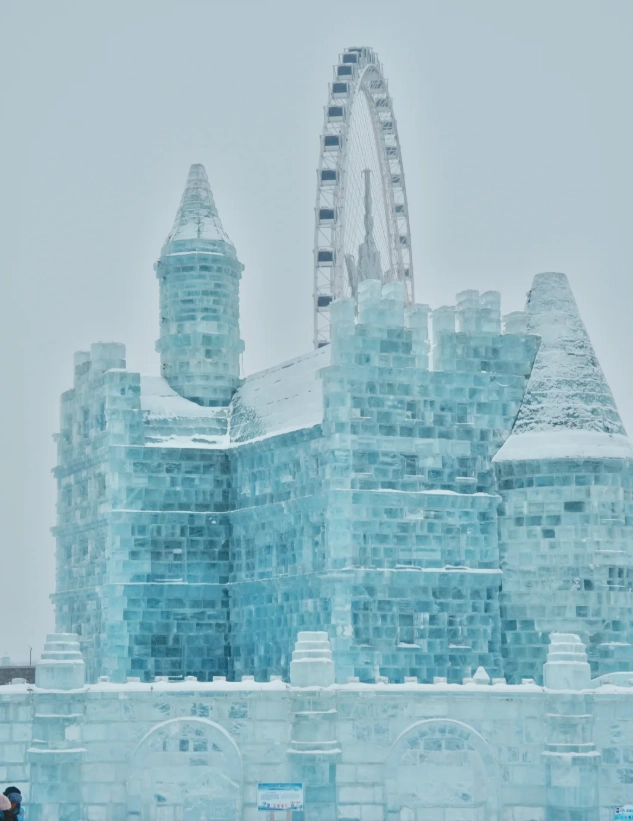
Afternoon: go ice skating on the Songhua River near the Flood Control Monument. Local equipment rental costs 30 RMB for skates, 50 RMB for a sled. Even if you can't skate, it's fun to watch. Or, for a unique experience, take a horse-drawn sleigh across the frozen river – 100 RMB for a 15-minute ride.
Your final evening: attend the Ice Lantern Garden Party at Zhaolin Park (only open during the festival season, usually late December to late February). Tickets 100 RMB. It's smaller than Ice and Snow World but more intimate, with delicate ice lanterns and traditional Chinese frozen flowers. I prefer it for a calm ending.
Before you leave, grab a box of Red Star sausage and some Russian chocolate from a local supermarket – great souvenirs and cheap.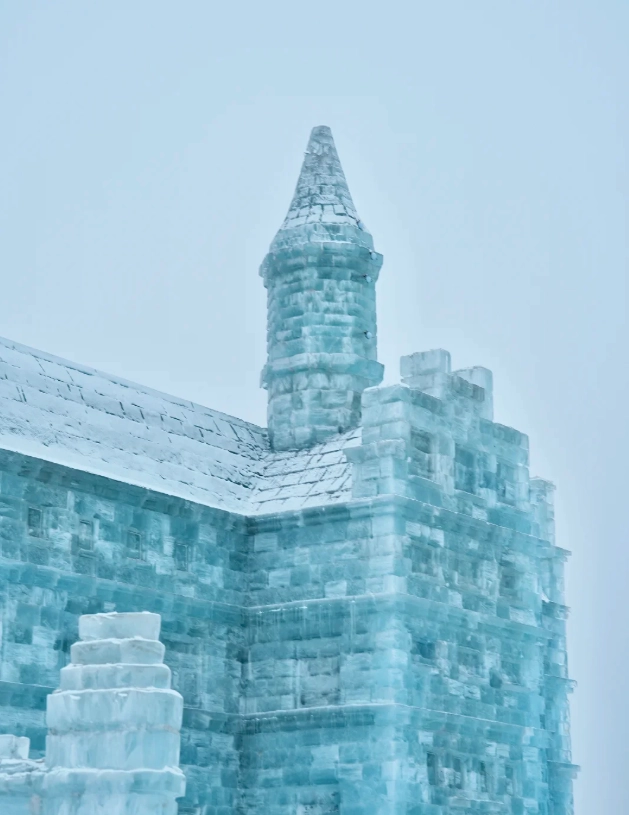
Essential Tips for Your Harbin Trip
- Layering strategy: Thermal base layer (merino wool) + fleece + down jacket. Bottom: thermal leggings + waterproof snow pants. Shoes: insulated, waterproof boots rated to -30°C. I wear Sorel or North Face. Avoid anything with thin soles.
- Accessories: balaclava or scarf that covers your nose, two pairs of gloves (thin liner + thick mittens), and goggles if you're sensitive to wind.
- Phone battery: Your phone will die fast in extreme cold. Keep it in an inner pocket close to your body. Bring a portable charger – lithium battery is okay, but make sure it's not too old.
- Getting around: Didi (Chinese Uber) is reliable and cheap. But learn to use WeChat for payments – most drivers don't take cash. Download the app and link your foreign card before arrival. Alipay is also widely accepted.
- Language: English is not common. Download a translation app offline – I recommend Google Translate with Chinese downloaded. Also carry a card from your hotel with the address in Chinese.
- Health: The dry air can cause nosebleeds. Bring saline spray and a small humidifier for the hotel room. I also carry lip balm and hand cream.





No comments yet.