 Peng Gao
Let's be clear upfront: you won't be shopping inside the Qianling Mausoleum complex. This is a sacred historical site, not a market. The real, gritty, and wonderfully authentic shopping experience happens in the villages that have grown around it and along the roads leading there. I spent a morning wandering these areas, and the difference between the sterile official gift shop and the vibrant local stalls is night and day. This guide is about where to go, what to actually look for, and how to navigate it all without feeling like you're just another tourist on a conveyor belt.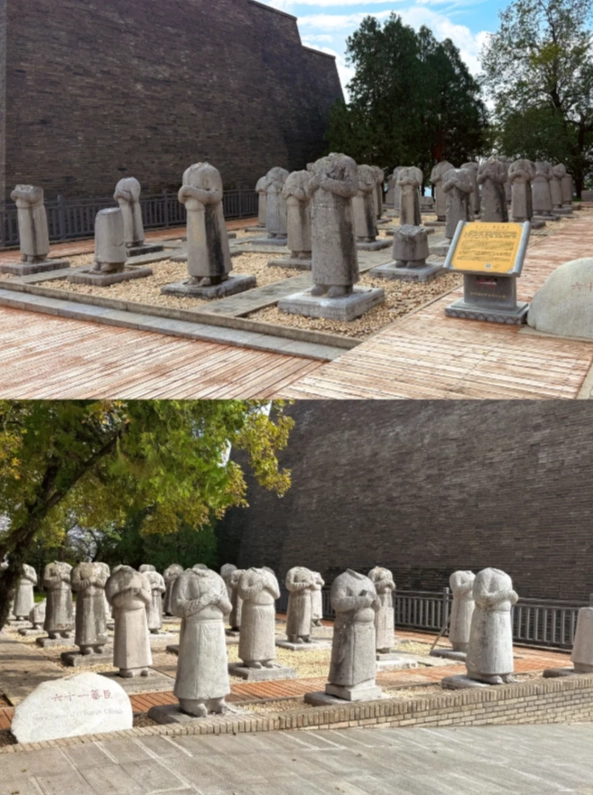
Your Quick Navigation Map
Understanding the Shopping Landscape
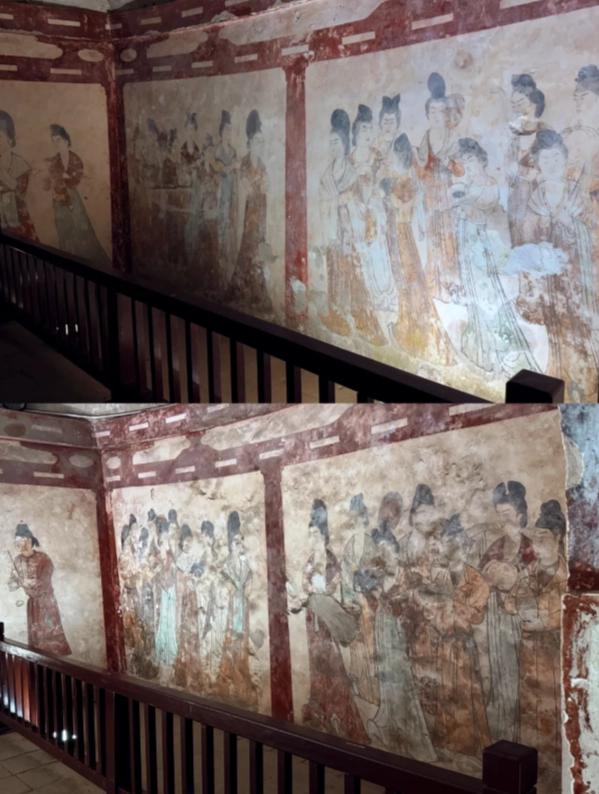
Qianling is the joint tomb of Emperor Gaozong and the formidable Empress Wu Zetian, China's only female emperor. The vibe here is Tang Dynasty, through and through. Consequently, the souvenirs reflect that era's artistry. Forget generic "I ♥ China" keychains. The shopping here is specialized: think replica pottery, stone rubbings, calligraphy, and folk art inspired by the 7th century.
The main shopping hubs are two-fold. First, there's the cluster of stalls and small shops right outside the main tourist entrance in Qianling Village. This is your most convenient option. Second, and more interesting in my opinion, are the independent workshops and stores scattered along County Road 107 as you approach the mausoleum from Xianyang. These places often cater to domestic tourists and history enthusiasts, which means better quality and sometimes better prices if you know what you're doing.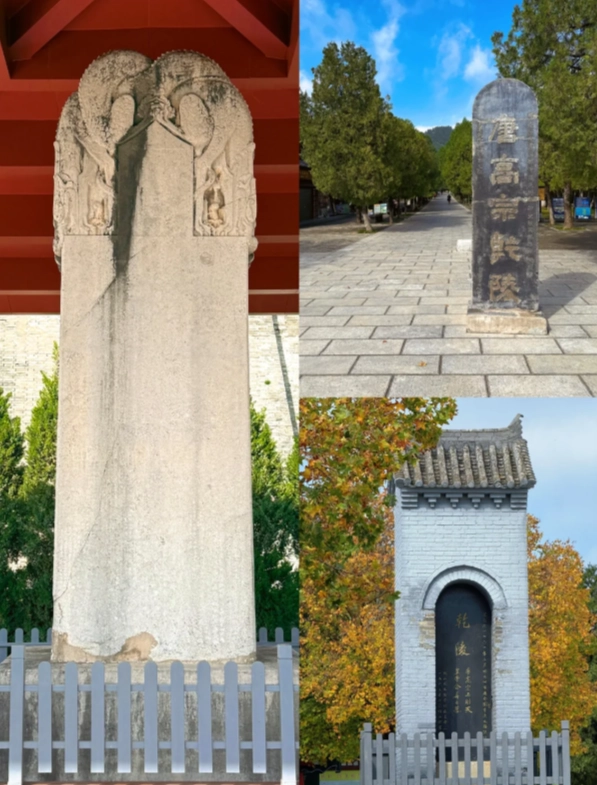
What to Buy: A Shopper's Checklist
Based on what I saw repeatedly and what locals confirmed were genuine specialties, here’s your targeted shopping list.
Replica Tang Sancai (Tri-Color Glazed Pottery)
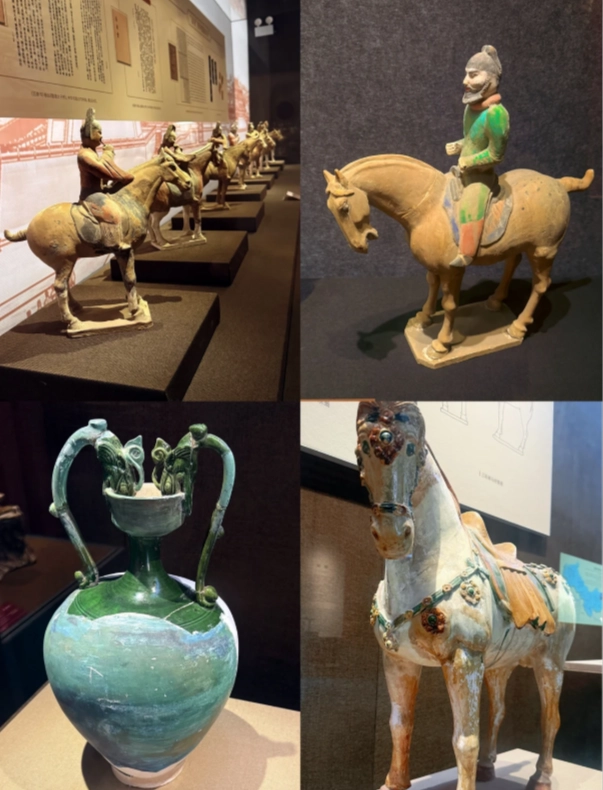
This is the star of the show. The original Tang Sancai was a burial pottery, famous for its vibrant amber, green, and cream glazes. The replicas you'll find range from small figurines of horses and camels (the classic Silk Road motifs) to elegant vases. Quality varies wildly. The mass-produced ones feel light, have blurry glaze lines, and uniform colors. The better pieces, often found in the roadside workshops, feel heavier, have sharper details, and the glaze drips and blends in a more organic, imperfect way. A small, decent-quality horse might cost 80-150 RMB. A larger, more detailed piece from a known workshop can run 300-800 RMB.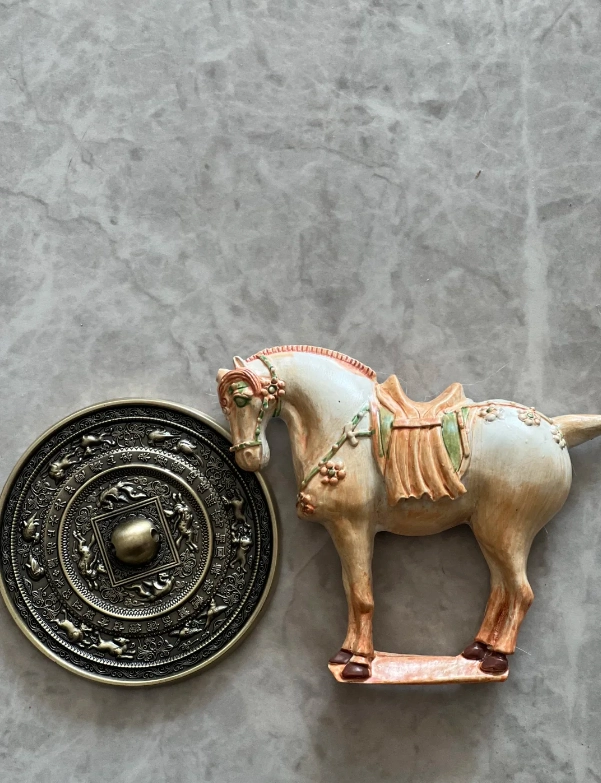
Stone Rubbings (拓片, Tàpiàn)
This is a unique and historically resonant souvenir. Artisans place damp paper over the intricate stone carvings (often of calligraphy or figures from the Spirit Way or tomb tablets), then tap ink onto it, creating a mirror-image impression. They are fragile but beautiful. Look for clarity in the characters or lines. Avoid ones where the ink is blotchy or the paper is torn. A standard-sized rubbing of a popular inscription costs between 50-120 RMB. Ensure it comes rolled in a protective tube for travel.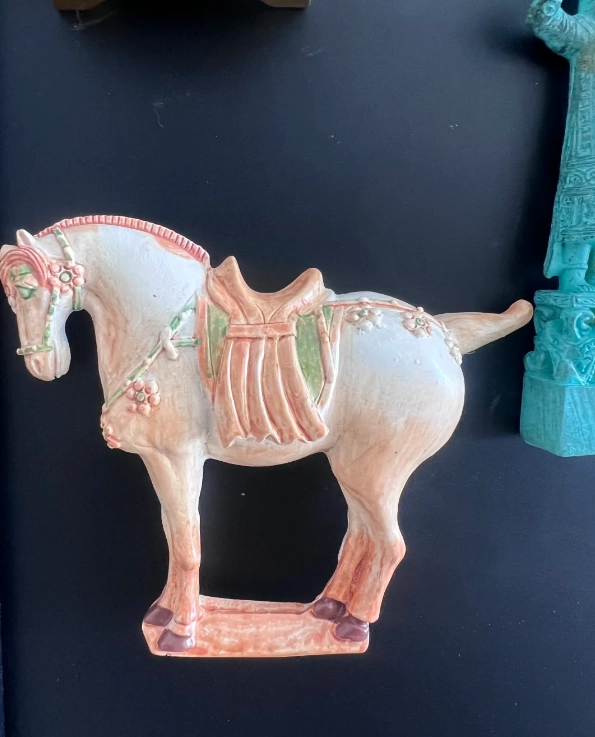
Folk Paper-Cuttings & Calligraphy
Shandong might be more famous, but Shaanxi has its own paper-cutting tradition, often featuring symmetrical designs, zodiac animals, or characters like "福" (fortune). They're an inexpensive, lightweight souvenir (10-30 RMB). For calligraphy, you'll find scrolls with poems or single powerful characters. If you don't read Chinese, ask for the meaning. "和" (hé, harmony) or "唐" (táng, Tang) are popular and meaningful choices. A small scroll can be 40-100 RMB.
| Item | What to Look For (Quality Check) | Approx. Price Range (RMB) | Best Place to Find |
|---|---|---|---|
| Tang Sancai Horse | Weight (should feel substantial), clarity of sculpted details (mane, harness), organic glaze flow (not flat color). | 80 - 800 | Roadside workshops on County Rd 107 |
| Stone Rubbing | Crisp, un-smudged ink lines. Paper should be intact, not flimsy. Comes with a protective tube. | 50 - 120 | Stalls near the main entrance; some dedicated shops. |
| Folk Paper-Cutting | Intricate, symmetrical cuts without broken edges. Red paper is traditional. | 10 - 30 | Any village stall, often sold alongside postcards. |
| Calligraphy Scroll | Even ink density, skilled brushwork. Paper or silk should not have yellow stains. | 40 - 150 | Shops with an older calligrapher present (often in the village). |
Where to Shop: The Two Main Arenas
1. Qianling Village (At the Main Entrance)
Location: Directly outside the Qianling Mausoleum scenic area ticket gate. You can't miss it.
Atmosphere: Bustling, a bit crowded, clearly tourist-facing. Stall owners are vocal but not overly aggressive in my experience.
Best Time: Late morning, after the first tour buses arrive (around 10:30 AM), until about 4:00 PM. It's dead quiet first thing in the morning.
What's Sold: The full range above, plus bottled water, hats, sun umbrellas, and simple snacks. This is your one-stop shop if time is limited.
My Experience: I found a lovely, mid-sized Sancai camel here after chatting with a vendor for ten minutes. He started at 280 RMB, I pointed out a tiny glaze flaw (a real one, not a fake critique), and we settled at 180. He only accepted Alipay. No English spoken, but pointing and calculator bargaining works perfectly.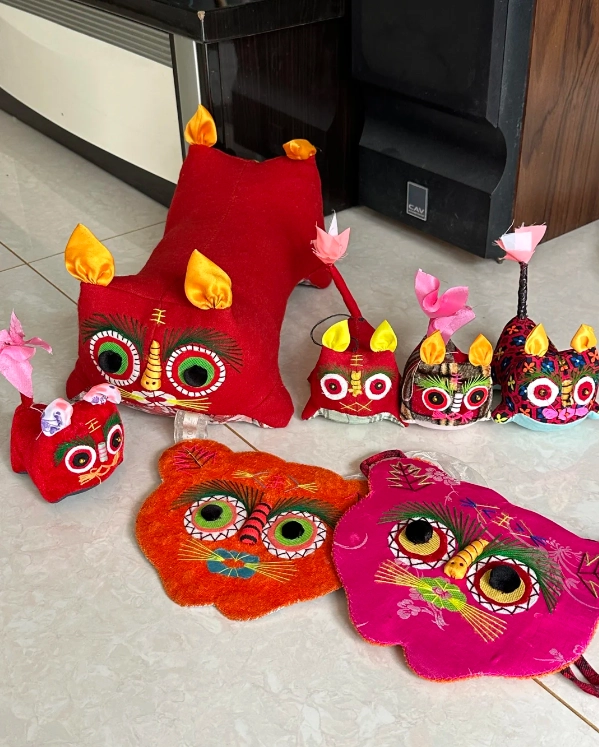
2. The Roadside Workshops & Shops (County Road 107)
Location: Along the road from Qianlingzhen towards the mausoleum. Look for signs saying "唐三彩" (Tang Sancai) or "工艺品" (handicrafts).
Atmosphere: More relaxed. These are often family-run operations where you might see unfinished pieces drying in the sun. The sales pitch is softer.
Best Time: Anytime during daylight hours. I visited around 2 PM and had the full attention of the shop owner.
What's Sold: Higher-end replica pottery, sometimes larger architectural pieces. You can see the workshop in the back.
Key Detail: This is where you find the artisans. I watched an older shifu (master) applying glaze to a horse with a steady hand. The piece I bought here felt entirely different from the village ones—more artistic, less commercial. Prices are higher but often more fixed. Cash is king here, though some now have WeChat Pay.
How to Navigate the Experience Like a Pro
Payment: Assume you need mobile payment (Alipay or WeChat Pay) or cash. International credit cards are a no-go at these local stalls. Have a mix of small bills (10s, 20s, 50s).
Bargaining: It's expected at the village stalls, less so at dedicated workshops. A good rule is to counter at 50-60% of the opening price and meet somewhere in the middle. Be friendly, smile. If the price feels fair to you, it's okay to pay it. My rule of thumb? If you're happy with the price after a little back-and-forth, you've done well.
Communication: Basic English might be understood for numbers. Have your phone's calculator ready for bargaining. Learn "太贵了" (tài guì le, too expensive) and "多少钱" (duōshǎo qián, how much).
Getting Your Finds Home: Pottery is fragile. Vendors are experts at wrapping items in bubble wrap and cardboard. Supervise this. I asked for extra layers around the legs of my ceramic horse. For larger items, they can arrange shipping, but it's complex and I'd only trust the established workshops with that.
One more piece of advice? Look at the seller's own space. If their stall is neat and their items are displayed with care, it often reflects the care taken with the products themselves. I skipped a stall where everything was dusty and piled up.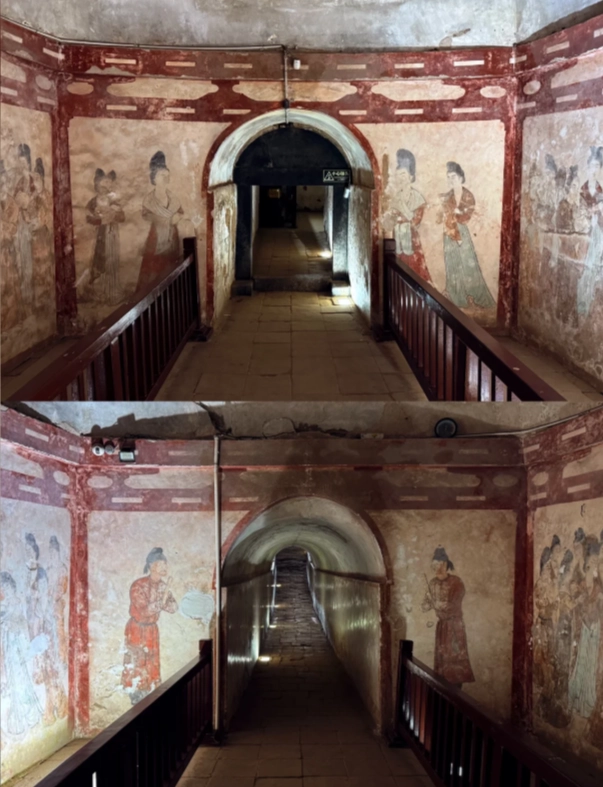
Your Questions, Answered (FAQ)
 How do I know if a Tang Sancai replica is good quality or a cheap tourist knock-off?
 The shopping around Qianling Mausoleum is a specific, niche experience. It's not about endless variety; it's about depth within a single, historically rich theme. Come with an eye for Tang Dynasty aesthetics, a willingness to engage, and a plan for getting your fragile treasures home. Skip the generic souvenir and look for the piece that actually speaks of the place—the weight of the clay, the flow of the ancient glaze, the imprint of history. That's what you're really taking home.
This guide is based on personal visits and observations. Details like specific vendor availability or minor price fluctuations may change.






Honestly, the shopping experience here was a letdown. Most of the stalls sell the same cheap plastic figurines and low‑quality “silk” scarves that you can get anywhere in China for half the price. I bought a coin that was supposed to be a replica of Empress Wu’s currency – it peeled after two days. The seller was grumpy when I asked if he had anything more authentic. Save your money and buy souvenirs in Xi’an instead. The tomb itself is amazing, but the shopping zone is just a tourist trap.
Decent shopping overall – most things are predictable (keychains, little Terracotta Warrior knockoffs) but I did find a nice replica of the Qianling Stele in a shop near the exit. The quality was good, but the price felt a bit steep for what it is (80 yuan). The lady running the stall was patient and let me examine everything. Crowded on weekends, and some vendors push hard. Worth a quick browse if you need gifts, but don’t expect hidden gems.
If you appreciate craftsmanship, don’t skip the small gallery‑like shop right next to the souvenir parking lot. They sell hand‑painted Tang dynasty‑style fans and silk scarves with natural dyes. I watched a lady painting a peony on a fan – took her about 20 minutes, and the result was stunning. I bought two fans and a scarf, total around 180 yuan. The colors haven’t faded even after months. Genuine art, not cheap tourist junk. Highly recommend!
Honest review from a budget traveler: the row of stalls before you reach the main gate has the best deals. I haggled a bit and got a bronze‑colored mini horse figurine for 30 yuan, plus a set of hand‑painted chopsticks. The vendor was friendly, and the selection is way better than what you’d find in Xi’an’s tourist traps. Also picked up a bag of local dried persimmons – delicious. Pro tip: bring cash, some old ladies don’t take WeChat Pay.
I absolutely loved the shopping area near the Qianling Mausoleum! The little artisan stalls just outside the tomb complex are filled with hand-embroidered silk pouches and miniature stone replicas of the guardian statues. I bought a beautiful Tang-style hairpin and a small enameled box with a phoenix motif – both high quality and reasonably priced. The owner even explained the symbolism behind the patterns. If you're looking for unique souvenirs that aren't mass‑produced, this is the place. Definitely grab a few pieces to remember the trip by!
[
{
"username": "Jake_and_Emma_Travel",
"content": "We spent a whole morning wandering around the stalls near the mausoleum. The mix of history and shopping is unique—you're buying cute mini terracotta warriors while literally standing next to an ancient tomb. I grabbed a hand-painted silk fan for 30 yuan and Emma found some lovely jade bracelets. The elderly lady selling dried persimmons gave us a free taste and they were divine. Definitely go early before the tour buses arrive; the vibe is much calmer and the vendors are friendlier. A must-stop if you're in the area.",
"rating": 5
},
{
"username": "SoloExplorer_88",
"content": "Decent place to pick up souvenirs if you're passing by Qianling. I got a small bronze horse replica for 45 yuan after bargaining a bit. Some stalls were asking way too much for obvious factory-made stuff, but if you hunt around you can find genuine handcrafted items. The guy selling calligraphy scrolls even wrote my name in Chinese on the spot—that was cool. Only downside: the food options are limited and pricey for what you get. Overall worth an hour or two.",
"rating": 4
},
{
"username": "Sarah_Adventures",
"content": "Honestly, I was a bit disappointed. The shopping area is very chaotic and crowded, and vendors grab your arm trying to get you into their shops—super aggressive. I get that it's a tourist spot but the pressure killed the experience. Prices are inflated too; a simple keychain that costs 5 yuan in Xi'an was 25 here. I did find one nice stall run by an old couple selling handmade paper cuts, so not a total loss. But I'd say skip it unless you're really into haggling.",
"rating": 3
},
{
"username": "Foodie_Fred",
"content": "Came for the mausoleum, stayed for the snacks! The dried persimmons (shì bǐng) are the best I've ever had—soft, chewy, and not too sweet. There's a lady near the south entrance who roasts chestnuts right there and they smell incredible. I also bought a jar of local honey with a piece of comb inside, super unique. The souvenir selection is standard but the food stalls are top notch. Bring small bills because many vendors don't have change. Five stars for the eats alone!",
"rating": 5
},
{
"username": "HistoryBuff_Linda",
"content": "As someone who loves Tang dynasty history, I appreciated that several stalls sell replica artifacts with proper explanations (in Chinese, but still). I bought a small ceramic camel figurine that matches the ones in the tomb murals—quite well made. The only reason I'm giving 4 stars is the quality inconsistency: some "antique" coins look like they were made yesterday. The setting is fantastic though, right at the foot of the mountain with great views. If you know what you're looking for, you can find real treasures.",
"rating": 4
}
]
I popped into a small shop run by an elderly couple that sold reproduction Tang dynasty fresco prints and ceramic replicas. The husband was incredibly knowledgeable and explained the symbolism of the designs on the tomb walls. Bought a lovely miniature guardian lion for 80 yuan — but they only accepted cash! Had to walk 10 minutes to find an ATM. Great quality, but bring enough cash if you plan to buy from the more authentic-feeling shops.
What a gem! The shopping street just south of the mausoleum complex is a perfect mix of souvenirs and local snacks. I bought a set of handmade paper-cut art depicting the Qianling landscape — the craftsman was actually doing a live demo, which was fascinating. Also picked up some dried persimmons from the village farmers who set up tables near the bus stop. Really authentic and reasonably priced. Highly recommend going early before the tour groups arrive.
Honestly, the shopping experience was a letdown. Most of the stalls sell the exact same mass-produced plastic trinkets you see everywhere in China — how many jade pendants from the same factory do you need? The vendors were also really pushy, following me for 50 meters trying to get me to buy a 'lucky coin'. I walked away empty-handed. Give this area a miss and spend your money on the tomb entrance fee instead.
Good selection of cultural items like replica mingqi figurines and calligraphy scrolls, but I felt the prices were a bit steep for what you get. The stall owner let me haggle down from 120 to 90 yuan on a small bronze mirror, so that was okay. Would have liked more authentic local crafts instead of the generic keychains. Still, if you're into history, the little bookshop near the parking lot sells excellent bilingual guides.
Absolutely loved the shopping area near the Qianling Mausoleum! The little stalls right outside the ticket gate have the best souvenirs — I grabbed a gorgeous handmade Tang-style pottery horse for about 60 yuan. The vendor even wrapped it in bubble wrap for me. Also tried the local persimmon cake from a nearby cart, which was sweet and chewy. Definitely plan to spend an hour browsing here before heading to the tomb itself.