 Jian Zhao
I stepped off the bus at Qiachuan Scenic Area, expecting dramatic loess landscapes. I got that, but I also walked straight into a shopping adventure I wasn't fully prepared for. The area isn't just about the views; it's a living, breathing marketplace where local craft meets tourist curiosity. This guide is what I wish I'd had before my visit—a breakdown of where to go, what's worth your money, and how to navigate the vibrant, sometimes overwhelming, shopping scene without falling for the obvious traps.
My Qiachuan Shopping Roadmap
The Main Shopping Zones: From Tourist Hub to Local Finds
The shopping in Qiachuan isn't confined to one street. It spills out from the scenic area's entrance and integrates into the nearby village life. Your experience changes drastically depending on which zone you choose.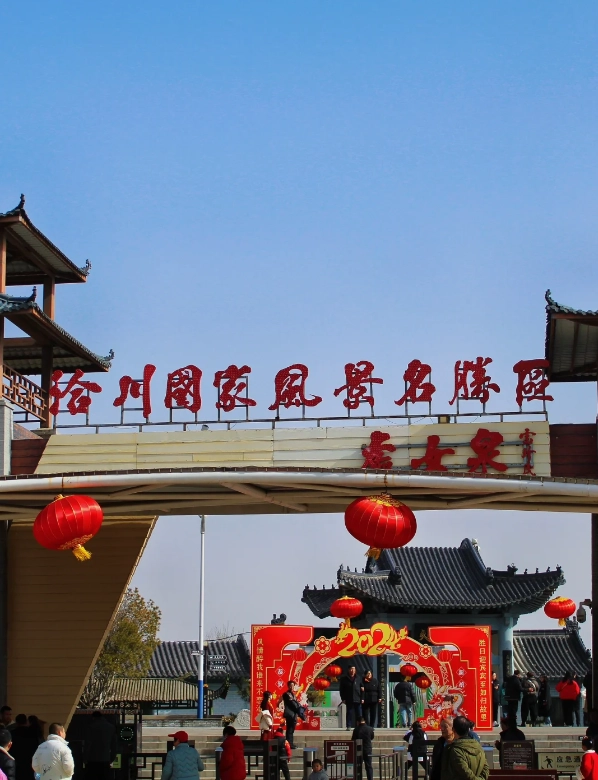
The Entrance Plaza Market
This is ground zero. Immediately outside the main ticket checkpoint, you'll find rows of stalls under permanent shelters. It's convenient, crowded, and the prices reflect that. I found the selection here to be broad but generic. You'll see mass-produced trinkets, printed scarves, and small clay figurines that you might find in other parts of China.
Best for: A quick, no-fuss browse if you're short on time. The vendors here are used to tour groups, so some speak basic English phrases. Everything is priced in RMB, and they almost universally accept WeChat Pay and Alipay (scanning the code on your phone). I saw a few signs for credit cards, but cash or mobile payment is king.
My advice? Use this area to get a sense of what's available, maybe pick up a cheap snack or drink, but hold off on major purchases.
The Village Lane (Behind the Main Road)
This was my goldmine. By walking just five minutes away from the main tourist flow, down the lane that leads into the local village (head towards the residential buildings), the atmosphere shifts. Shops here are often front rooms of homes. The pace is slower.
I met an older artisan here, Mr. Zhang, who hand-paints intricate designs on gourds grown in his backyard. His pieces felt different—each one unique, with slight imperfections that proved they weren't stamped out in a factory. He didn't speak English, but we communicated with smiles, gestures, and my terrible Mandarin. Payment was mobile-only, and bargaining was a gentle, respectful back-and-forth.
This is where you find more authentic Qiachuan handicrafts. Look for workshops, not just shops.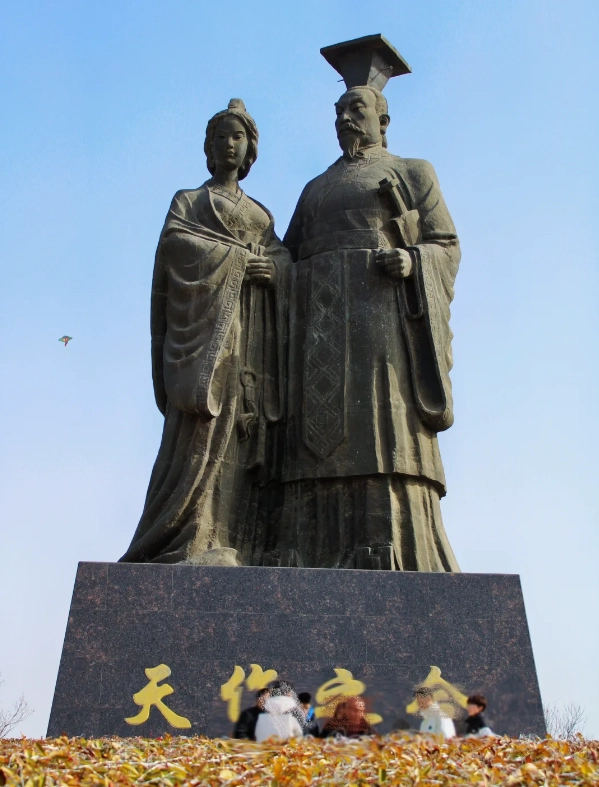
What are the Best Souvenirs to Buy in Qiachuan?
Forget the keychains. Focus on items that connect to the region's agricultural and artistic heritage. Here’s a breakdown of what's special, based on what I saw and bought.
| Item | What to Look For | Price Range (RMB) | My Personal Take |
|---|---|---|---|
| Hand-painted Gourds (Hulu) | Intricate, non-repeating designs. Feel the surface; hand-painting has a slight texture. The gourd should feel dry, solid, and have a natural, irregular shape. | 50 - 300+ | The best ones are in the village lanes. Smaller, simpler designs make great gifts. The hyper-detailed ones are art pieces. |
| Embroidered Items (Pillowcases, Wall Hangings) | Turn it over. The back should be nearly as neat as the front, with few loose threads. Motifs often feature local flowers, birds, or folklore scenes. | 80 - 250 | I found a beautiful pillowcase for 120 RMB after bargaining. It's held up well. Avoid pieces with stiff, shiny synthetic fabric. |
| Dried Jujubes & Local Nuts | Sold in bulk. Ask for a taste (chang yi chang). The jujubes should be plump, not rock-hard or overly sticky. Nuts should smell fresh, not rancid. | 20 - 60 per jin (500g) | Fantastic, edible souvenir. Buy these from dedicated dry goods stalls, not souvenir shops. They'll vacuum-pack them for travel. |
| Pottery & Simple Clay Figurines | Look for pieces with the reddish-brown local clay. They're often heavier than they look. Avoid garish, glossy paints. | 30 - 150 | Some are cute, but many feel generic. I passed on these unless I saw the maker working nearby. |
A word on "antiques": Be extremely skeptical. I saw several stalls selling "ancient coins" and "old pottery." It's almost certainly replica or aged artificially for tourists. Buy it because you like the look, not the story.
How to Bargain Successfully in Qiachuan
Bargaining is part of the dance. It's not about winning; it's about reaching a price both people feel okay about. In the entrance plaza, the first price quoted to me was often 40-50% above a reasonable final price. In the village lane, the markup was smaller, maybe 20-30%.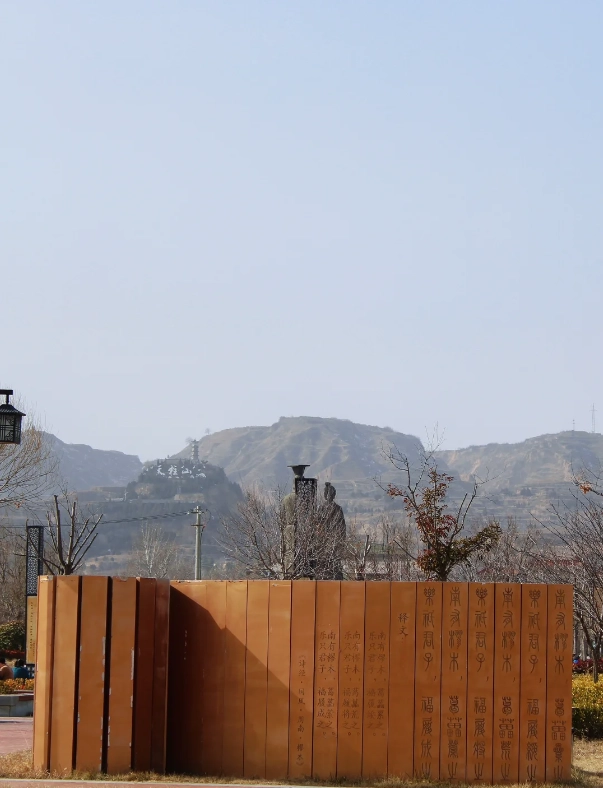
Here’s what worked for me:
- Start with a smile and interest. Ask about the item, how it's made. This builds rapport. Then ask, "Duo shao qian?" (How much money?).
- Counteroffer at 50-60% of the asking price. If a gourd is 100 RMB, offer 50 or 60. This might feel aggressive, but it sets the stage.
- The vendor will act shocked. They'll come down. You go up a little. Meet in the middle.
- The walk-away is your ultimate tool. If you feel the price is stuck too high, say "Xie xie" (thank you), smile, and start to leave. Often, they'll call you back with a better offer. If not, the price probably was their bottom line.
One mistake I made early on: I bargained too hard on a small 20-RMB item. The vendor agreed, but the mood turned sour. It wasn't worth the 5 RMB I saved. Save your energy for the bigger purchases.
Practical Shopping Tips: Payment, Timing & Getting There
Payment: Have your mobile payment apps (WeChat Pay, Alipay) set up and linked to your card before you go. For foreign cards, check the official Alipay guide for tourists. Cash (RMB) is a safe backup, especially for smaller village vendors. I didn't use a physical credit card once.
Best Time to Shop: Mornings (9 AM - 11 AM) are less crowded. The light is better for examining crafts. Late afternoons (after 4 PM) can be good for deals, as vendors start packing up. Avoid the midday tour group rush.
Getting Your Goods Home: For fragile items like gourds or pottery, vendors usually have bubble wrap and boxes. They're experts at packing. For the dried fruits, they have vacuum sealers. Don't be shy to ask for secure packaging—"Bao zhuang hao" (pack it well).
Getting to Qiachuan: Most visitors come from Hancheng City. You can hire a taxi or take a local bus. The scenic area's official site (look for Shaanxi tourism pages) has the latest transport info. I took a taxi from Hancheng, which took about 40 minutes and cost around 80 RMB.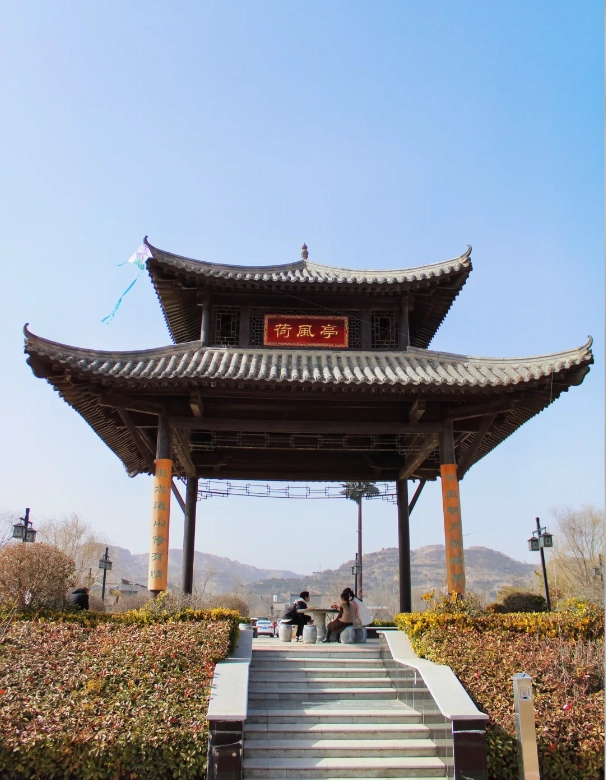
Your Qiachuan Shopping Questions Answered
Is bargaining expected in Qiachuan markets?
Absolutely, in the market stalls and smaller shops. Fixed prices are more common in the few larger, air-conditioned souvenir stores near the entrance. In the bustling stalls, the initial price assumes you will negotiate. Not bargaining means you'll likely overpay.
What's one souvenir that's uniquely Qiachuan and not a tourist cliché?
The hand-painted gourds. While you can find painted gourds elsewhere in China, the styles in Qiachuan often reflect the local loess plateau scenery and folk stories. Finding an artisan who grows, dries, and paints them on-site is the real prize. Ask, "Zhe shi ni ziji zuo de ma?" (Did you make this yourself?).
 Are prices in Qiachuan generally higher or lower than in Xi'an?
For comparable mass-market souvenirs, they're similar. But for the authentic, locally-made handicrafts, I found prices in Qiachuan's village lanes to be lower than in the tourist boutiques of Xi'an's major sites. You're cutting out several middlemen by buying closer to the source.
I don't speak Chinese. Will I struggle to shop in Qiachuan?
Not at all in the main plaza—they see foreigners. In the village, it becomes a game of charms and calculators. Vendors will type a number into a calculator, you type back your offer. Smile, point, use the calculator. Download a offline translation app like Google Translate for simple phrases. The effort is usually appreciated.
Is it safe to use mobile payment (Alipay/WeChat) with a foreign card?
Yes, but set it up before your trip. The process has improved greatly. Follow the step-by-step guides on the official Alipay website for binding an international card. Have some RMB cash as a backup for places with poor signal or very small vendors.
The shopping in Qiachuan Scenic Area is an experience in itself, a tactile layer added to the visual beauty of the place. It rewards the curious and the patient. Skip the first row of stalls, venture a little further, touch the goods, and engage with the people. Your suitcase—and your memories—will be better for it.
This guide is based on my personal visit and observations. Details like specific vendor locations and prices can change, but the core principles of navigating the markets remain.






Honestly a bit disappointed. The shopping area felt very touristy and most stalls sold the same mass-produced souvenirs. I was hoping for more authentic local crafts. Also, the vendors were pushy and not very friendly. The only good thing was the scenery around the area. Would skip if you're looking for unique finds. 3/5
Pretty good overall. The market has a lot of options, but I found some items a bit overpriced compared to other scenic areas I've visited. Still, I managed to haggle and get a fair deal on a nice silk pouch. The food stalls were delicious though - try the grilled skewers! Rating 4 because it's worth a visit but don't expect steals.
Great spot for gifts. I bought several sets of calligraphy brushes and ink stones for friends back home - they were beautifully packaged and the quality is top-notch. The vendor even gave me a discount when I bought multiple items. Highly recommend visiting early in the morning to avoid crowds.
Loved the variety! From traditional snacks to unique souvenirs, there's something for everyone. I especially liked the small family-run stalls selling homemade dried fruits and nuts. The atmosphere is lively and colorful. Just make sure to bring cash because some vendors don't accept cards. Still, a perfect shopping experience!
Had an amazing time shopping here! The selection of local handicrafts is incredible - I picked up some beautiful pottery and a handwoven scarf. Every stall owner was happy to chat and share the story behind their items. Prices were very reasonable too. Definitely a highlight of my trip to Qiachuan! 5/5!
Pretty good starting point if you're clueless like I was. The list of 'what to buy' is accurate — I ended up buying the bamboo woven baskets and they're lovely. But the directions to the 'second floor craft market' were confusing; I almost gave up until a local pointed me to the right staircase. Also wish they'd mentioned that most vendors don't accept cards. Bring cash!
This guide saved my trip! I'm a photographer and it pointed me to the little courtyard behind the temple where artisans sell hand‑painted fans. Got one with a stunning mountain scene for just 45 yuan. The tip about visiting early morning (before 9am) was genius — no crowd, better selection, and the shopkeepers were happy to chat about their craft. Absolutely worth printing out!
Honestly, I was a little disappointed. The guide makes the shopping area sound like a treasure hunt, but most stalls sell the same mass‑produced keychains and fridge magnets. The few handmade items were beautiful but way overpriced. I followed the recommendation for the 'local tea shop' and ended up with a bag of leaves that tasted like dust. Maybe I just had bad luck, but I wouldn't rely solely on this guide.
Decent guide overall, but a bit outdated on pricing. The article says most souvenirs are around 20-50 yuan, but I found many items pushed up to 80-100 yuan, especially during weekends. Still, the map of where to find the authentic clay figurines was helpful — I wouldn't have discovered that hidden alley without it. Just adjust your budget and you'll be fine.
Finally found the perfect guide before heading to Qiachuan! The tips on local dried persimmons were spot-on — I grabbed a bag from the small stall near the East Gate and they're the best I've ever tasted. Also loved the suggestion to haggle politely; the shopkeepers were actually super friendly when I smiled and asked for a discount. Saved about 30% on a handmade scarf. Highly recommend reading this before you go!
If you like haggling, you'll have fun. But for me, it was exhausting – every price tag is a starting point and you have to bargain for everything. The quality of the scarves and trinkets is hit or miss. I did enjoy the freshly made sesame candy from a tiny cart near the bridge, that was cheap and delicious. Wouldn't go out of my way for the shopping though.
This place is a treasure trove! I came for the shopping guide recommendations and left with a bag full of dried wild mushrooms, a beautiful hand-embroidered pouch, and the best osmanthus tea I've ever tasted. The vendor at stall #7 even wrapped everything in nice paper and threw in a tiny sachet of jasmine flowers. Perfect for gifts or treating yourself.
Honestly a bit disappointed. The 'specialty teas' were marked up at least three times what I'd pay in town, and when I asked about the origin the shopkeeper just shrugged. Bought a small woven bracelet that started fraying by the next day. The setting is pretty, with all the old eaves and lanterns, but the shopping itself feels rushed and overpriced.
Lots of interesting local snacks and silk scarves, but after the third shop you realize they all sell pretty much the same stuff. I did find a lovely set of hand-carved wooden chopsticks near the east exit that were reasonably priced. Overall it's a decent spot to pick up souvenirs, just don't expect anything super unique if you skip the smaller side alleys.
We spent a whole afternoon browsing the shops near the scenic area entrance. The hand-painted ceramic mugs are absolutely gorgeous – each one is unique and the glaze has such a beautiful depth. The elderly lady running the small stall near the pagoda even showed us how she paints the bamboo patterns. Bought two as gifts and one for ourselves. Highly recommend taking your time to chat with the artisans!