 Peng Gao
Let's be honest. You're visiting the Maoling Mausoleum, the resting place of the formidable Emperor Wu of Han, for the history. But as you wander the grounds, a question pops up: where can I get a tangible piece of this legacy to take home? The souvenir scene here isn't like the bustling Muslim Quarter in Xi'an. It's subtler, more spread out, and frankly, can be a bit confusing for a first-timer. I've spent hours navigating the stalls and shops around Maoling, sometimes overpaying, sometimes scoring a genuine gem. This guide cuts through the noise. I'll show you exactly where to go, what's worth buying, and how to navigate the unspoken rules of shopping near one of China's most significant ancient tombs.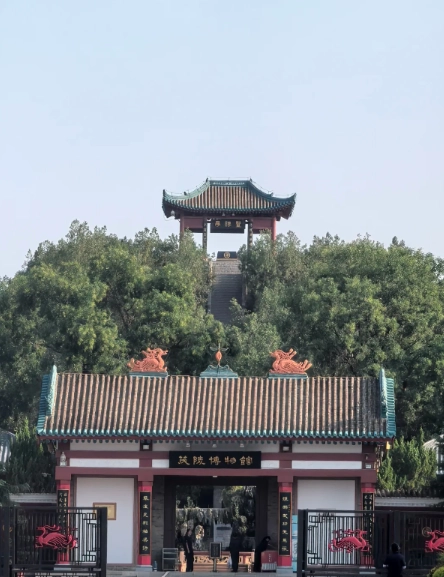
Quick Navigation: Your Shopping Map
Where to Shop: The Two Main Arenas
Forget a single, massive market. Shopping for Maoling souvenirs happens in two distinct zones, each with a different vibe and price tag.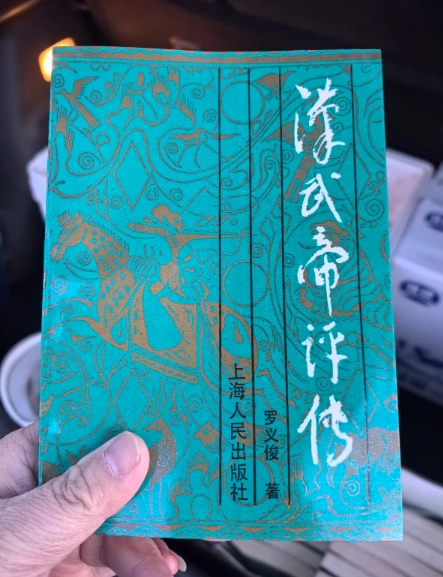
The Official Museum & Tomb Entrance Area
Right outside the main entrance to the Maoling Museum complex, you'll find a cluster of about a dozen semi-permanent shops and kiosks. Their hours typically match the site's opening times (8:30 AM to 5:30 PM). This is your most convenient option.
What you'll find here: This area is heavy on official-looking, mass-produced items. Think glossy books about the Han Dynasty, postcards, and small, factory-made terracotta warrior replicas that look suspiciously similar to those sold at the actual Terracotta Army site. The quality is consistent, but the soul is lacking. I found the staff here less inclined to bargain, often pointing to printed price tags. Payment is flexible—they all have QR codes for WeChat Pay and Alipay, and a couple of the larger shops had card terminals, though I'd still recommend having mobile payment ready.
My take: Use this area for last-minute, stress-free purchases if you're short on time. The prices are 20-30% higher than what you can find elsewhere, but you're paying for the convenience and the certainty that you're buying from an authorized vendor. Don't expect to find unique handicrafts here.
The Xingping Town Local Market Circuit
This is where the real adventure—and potential for great finds—begins. The mausoleum is located near Xingping City (兴平市). About a 15-minute drive from the tomb site, around the central market area (try searching "Xingping Nongmao Shichang" on your maps), you'll stumble upon a more authentic shopping experience. This isn't a tourist-centric market; it's where locals buy daily goods, which means the souvenir stalls are mixed in with vegetable vendors and hardware stores. Go in the late morning or early afternoon for the best activity. Evenings are quieter.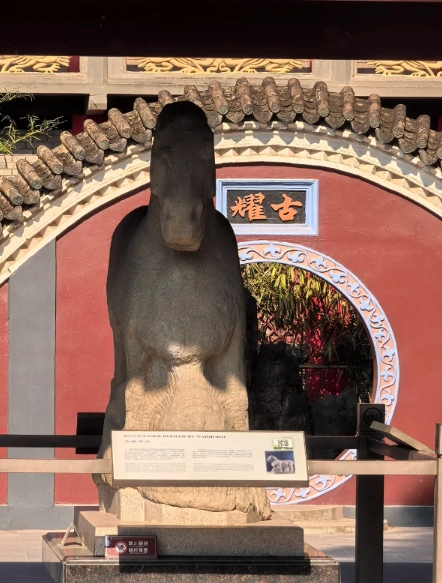
The vibe is different. The stalls are less polished. You might see an elderly artisan quietly carving a small wooden figurine in the corner of a shop. This is where I found the most interesting Han Dynasty-inspired items, sold by people who seemed to have a personal connection to the craft, not just a wholesale catalog. English is virtually non-existent here, so have your translation app handy. Cash is king in the smaller stalls, though the larger stores accept QR payments.
| Location | Best For | Price Level | Payment | Atmosphere |
|---|---|---|---|---|
| Museum Entrance Shops | Convenience, standard souvenirs, books | Higher (Fixed) | QR/Card/Cash | Official, transactional |
| Xingping Local Market | Unique finds, bargaining, local interaction | Lower (Negotiable) | Cash preferred, some QR | Authentic, bustling, requires navigation |
What to Buy: A Curated List of Souvenirs
Not everything labeled "Han Dynasty" is created equal. Based on my visits, here’s what’s actually worth your money and luggage space.
Top-Tier Picks (Worth the Investment)
Hand-painted Terracotta Replica Figurines: Skip the tiny, garishly painted soldiers. Look for medium-sized (20-30cm) replicas of officials, musicians, or cavalrymen specific to the Han era. The good ones feel heavy and cold, with a matte, earthy finish. Run your finger over the surface; it should be slightly uneven, not perfectly smooth like plastic. I paid around 250 RMB for a beautifully detailed musician after some haggling in Xingping. The first price was 450.
Jade Carvings with Han Motifs: The area has a tradition of jade work. Look for simple pendants or small ornaments carved with classic Han symbols like the bi disc (representing heaven) or cong tubes. A real trick? Hold it. Nephrite jade should feel denser and cooler to the touch than glass or resin fakes. Don't be swayed by a vendor's story about "ancient jade"—you're buying a modern carving in an ancient style. A decent small pendant can range from 150 to 600 RMB depending on the quality of the stone and workmanship.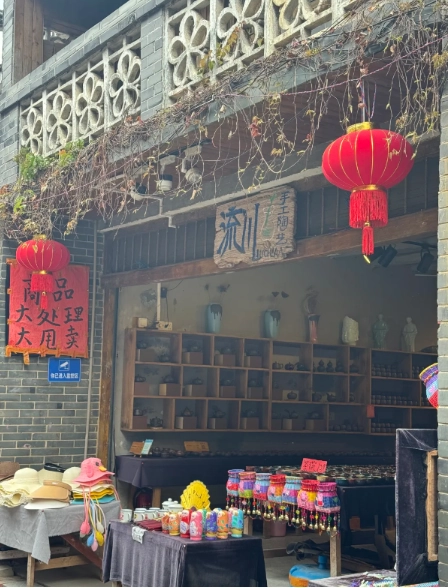
Interesting & Affordable Finds
Rubbings (拓片 - Tàpiàn): These are my personal favorite. Artisans place special paper over engraved stone tablets (often replicas of Han dynasty inscriptions) and rub ink over it to create a mirror-image copy. It's a direct, hands-on link to Chinese epigraphy. A smaller, framed rubbing makes for a lightweight and cultured souvenir, costing between 80 and 200 RMB. Ensure the paper feels like thick, fibrous rice paper, not flimsy printer paper.
Local Agricultural Products: This is a hidden gem. Xingping and the surrounding countryside are known for certain crops. Look for vendors selling premium dried persimmons, walnuts, or special varieties of dates. They are often sold in simple, rustic packaging and make for fantastic edible gifts. I bought several bags of sweet, chewy dried persimmons for about 30 RMB per bag—a hit back home.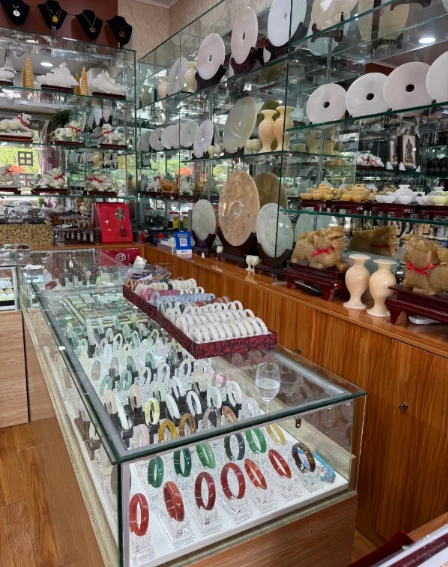
How to Shop Smart: Tactics for Maoling Markets
How you shop matters as much as where you shop.
The Bargaining Dance: In the Xingping market, bargaining is expected. Start by offering 40-50% of the initial asking price. The vendor will act shocked. You'll go back and forth. A final price of 60-70% of the first quote is a solid win. If they instantly agree to your first low offer, you probably could have gone lower. My rule? If I feel happy with the price and the item, I stop. The goal isn't to "win," but to reach a fair price.
Payment Prep is Key: While Alipay and WeChat Pay are ubiquitous, having a couple of hundred RMB in small bills (10s, 20s, 50s) is crucial for the smaller market stalls. It also makes the final transaction smoother. For larger purchases, confirm the payment method before you start serious bargaining.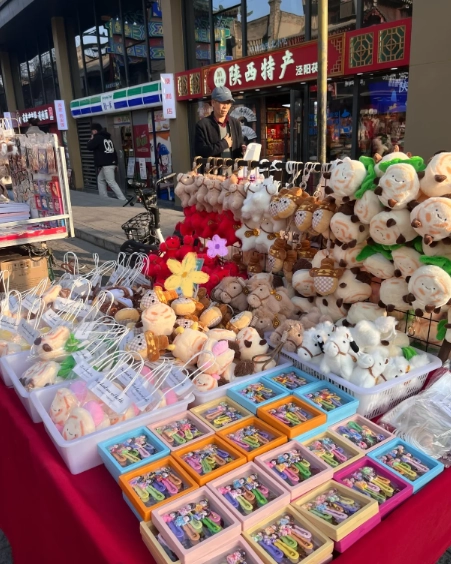
Trust Your Senses, Not Just the Story: A vendor might say, "This is handmade by a local master." Feel the item. Look for minor imperfections, tool marks, or variations in color that suggest human hands, not a machine. The weight, texture, and temperature of materials like jade, ceramic, and wood don't lie.
A personal misstep: On my first visit, I bought a "bronze" mirror replica from a shop near the entrance. It looked great. After a few months at home, it started to develop ugly green spots—cheap alloy, not bronze. The lesson? For metal items, ask if it's brass or an alloy. Real bronze replicas are very heavy and expensive. Now I stick to ceramics, stone, and paper here.
Your Questions, Answered
Are the "ancient coin" souvenirs sold here real?
Ultimately, shopping at Maoling is about connecting with the legacy of the Han Dynasty in a tangible way. It requires a bit more effort than a standard tourist trap, but that's part of the reward. Skip the generic trinkets, venture into the local market with some cash and confidence, and focus on the items that have a story told through their craftsmanship, not just by the seller. Your souvenir will mean so much more.
This guide is based on personal, repeated visits and observations. Details like vendor presence and specific prices may shift, but the core principles of where to go and how to shop remain constant.






Best place for unique Han-dynasty themed souvenirs! I bought a miniature bronze chariot replica and a silk scroll of the Silk Road. Both were beautifully detailed and came with little info cards in English. The vendor even showed me how to repack them for the flight. Prices were reasonable (120 yuan for the chariot). Only downside: no ATM nearby, so bring cash.
If you're visiting Maoling, don't skip the jade street just west of the main gate. I'm a gemstone hobbyist and the quality here surprised me. Picked up a mutton-fat jade bracelet for 600 yuan — fair price for the grade. Sellers are patient and many speak basic English. The whole area has a nice, unhurried vibe compared to the Big Wild Goose Pagoda markets.
Absolutely loved the local market by Maoling! Got a hand-carved stone horse for 80 yuan — way cheaper than the stuff inside the scenic area. The lady selling it even wrapped it carefully in newspaper and twine. Also tried some street food nearby: crispy persimmon cakes for 5 yuan. Best souvenir spot I've been to in Xi'an's outskirts.
Found some decent jade bangles at the market outside Maoling. Selection was good but you really need to know your stuff to avoid fakes. I picked up a lovely green one for 150 yuan after bargaining. The shop owner was friendly and let me test it with a UV light. Minus one star because the rest of the stalls were just cheap keychains and dusty trinkets.
The jade stalls near Maoling looked promising, but prices were way too touristy. I haggled for a small pendant and they wanted 300 yuan — my Chinese friend later told me it wasn't even real jade. The souvenir quality felt mass-produced and the sellers were pushy. Not a great shopping stop overall.
I’m a sucker for local markets and this one didn’t disappoint. The atmosphere is lively – lots of locals and tourists mixing, the smell of street food nearby, and vendors shouting deals. I focused on the jade section and found a lovely green pendant that the seller polished on the spot. She even told me the legend behind the design (a guardian beast). Cost me 120 RMB, which felt reasonable for the quality. Only downside: no price tags, so you have to be confident bargaining. Loved it!
Nice market but way too crowded when I visited (afternoon on a Saturday). The jade selection is good, but I saw the same items at three different stalls all with wildly different price tags – feels like they just make up numbers. I bought a small jade bead necklace for 50 RMB, and later found the exact same one online for 15. The whole experience felt a bit pushy, and one lady followed me for two aisles trying to sell a “discount.” Average, but you can find better markets in Xi’an proper.
Perfect spot to grab unique souvenirs that aren't all mass‑produced. I loved the hand-painted silk scarves and the little bronze chariot replicas. The guy running stall #12 even showed me how they polish the jade – felt super authentic. Prices are fair if you haggle a bit; don't accept the first number. I spent about 200 RMB total and came home with a mini terracotta warrior statue and a jade bracelet. Would highly recommend going early morning before the crowds hit.
Got dragged here by my wife who’s obsessed with history. Honestly, the tomb area itself is impressive, but the shopping experience? Meh. The local market stalls had the same cheap keychains and snow globes you see everywhere. I picked up a small jade pendant for 30 RMB just as a token, but the vendor kept trying to upsell me and it got annoying. Not terrible, but I’d rather spend time at the actual mausoleum than the gift shops. Maybe skip if you’re not into trinkets.
I’ve been collecting jade for years, so I was hyped to finally visit the markets near Maoling. The variety is insane – bracelets, pendants, even tiny figurines carved like horses. I ended up bargaining for two bangles and got them for about 60% of the asking price. Just watch out for fake stuff; a lot of “jade” is actually glass. Bring a flashlight or ask to see it under natural light. The seller was friendly though, let me test the hardness with a coin. Definitely a must-do if you’re into authentic Chinese souvenirs.
Absolutely loved this shopping experience! The guide pointed me to a hidden side alley where local artisans sell hand-carved wood items and traditional paper cuttings. I bought a stunning ox-bone carving of a horse for 80 yuan—unique and much cheaper than the main stalls. The seller even demonstrated how he polishes the bone. My best purchase from the whole trip. Bring small bills and patience for bargaining. Five stars for the authentic, non-touristy finds!
I followed this guide on a rainy afternoon and it made the experience really smooth. The market is just outside the mausoleum complex and easy to find. Bought a lovely hand-painted ceramic tea set for 150 yuan after a fun negotiation session. The vendor even threw in two extra cups when I smiled! The guide’s tip to carry cash was spot-on—most stalls don’t take cards. Only reason for 4 stars: the souvenir quality varies greatly, so you need to inspect carefully. Overall a solid resource for first-timers.
Honestly, I was expecting more from the ‘local market’ mentioned in the guide. It’s basically a row of souvenir tents with the same keychains and tiny horse statues you see everywhere. The jade area felt sketchy—one vendor tried to sell me a “jade” bracelet that was clearly resin. The guide does warn about fakes, but still, I wasted an hour walking around. Got a decently priced fridge magnet (10 yuan) but nothing special. If you’ve seen one Chinese souvenir market, you’ve seen them all.
This shopping guide was a lifesaver! The market is a bit chaotic but full of character. I loved the section with handmade silk scarves and embroidered pouches—perfect gifts for friends back home. Prices start high, but after using the guide’s bargaining advice (start at 30% of asking price), I got a beautiful scarf for 60 yuan. Only minus: the food stalls nearby are tempting but overpriced. Stick to the guide’s market recommendations for the best deals.
I came specifically for the jade, and this guide didn’t disappoint. The local market near Maoling has a fantastic selection of jade bangles and pendants, and I found a gorgeous deep green piece that feels authentic. The sellers are knowledgeable and let you examine pieces under a small lamp. I paid about 300 yuan for a carved pendant, which seemed fair after some haggling. The guide’s tips on checking for real jade (density test, cold feel) saved me from buying a fake. Highly recommend if you’re serious about quality souvenirs.