 Hong Ma
Let's be honest. Shopping at a major Chinese scenic spot like Hongshi Gorge can feel like navigating a minefield of overpriced trinkets and aggressive vendors. I've been there, clutching my wallet, unsure if that "hand-carved" stone was made yesterday in a nearby factory. But after multiple visits, I learned the secret: the real gems are hidden in plain sight, you just need to know where to look and how to ask. This isn't a generic list of shops. This is a field guide from someone who's haggled, gotten lost, and ultimately found the authentic, memorable souvenirs that make a trip to Shaanxi's stunning Red Stone Gorge complete.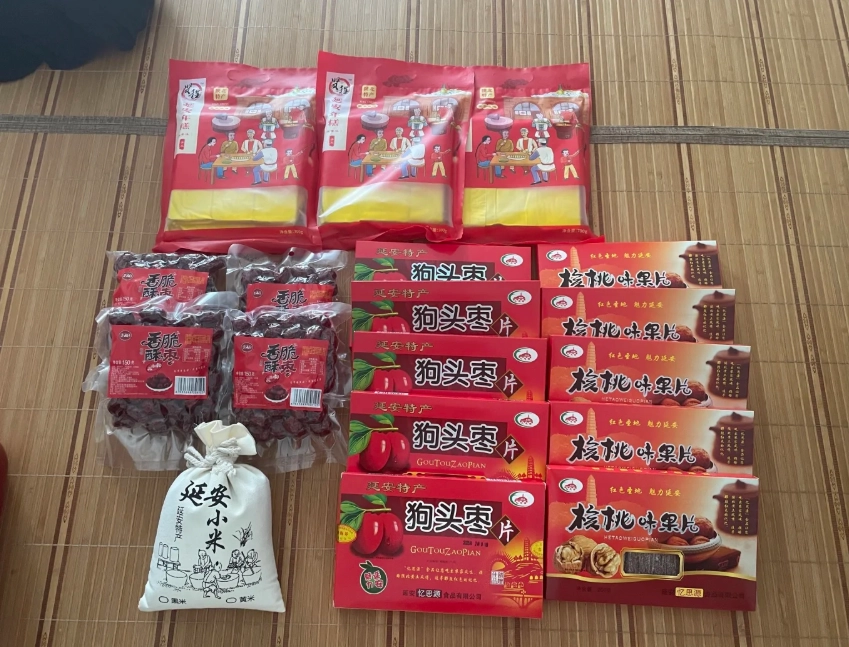
Your Red Stone Gorge Shopping Cheat Sheet
Where to Shop at Hongshi Gorge: Navigating the Main Zones
The shopping scene here is concentrated in two main areas: the entrance plaza and the exit corridor. They feel different, and your strategy should change accordingly.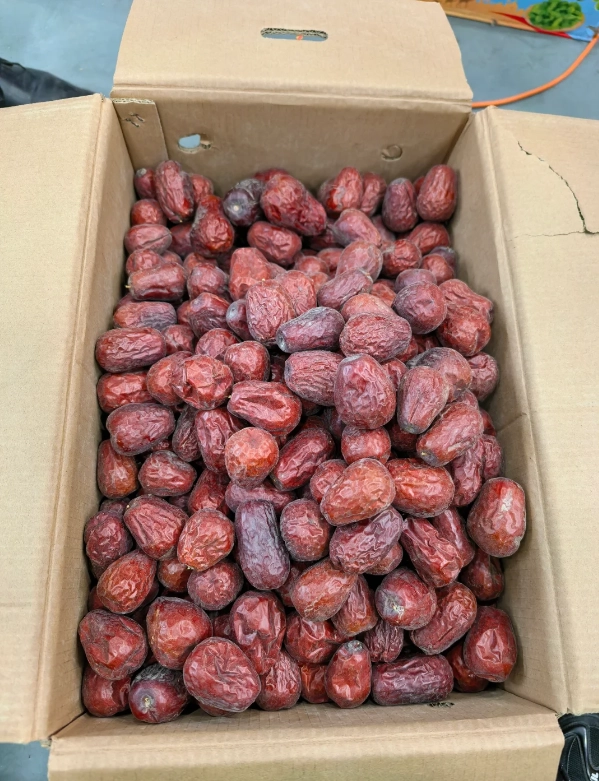
The Entrance Plaza (Before You Go In)
This is the grand bazaar. Located right outside the main ticket gate, it's a wide-open area packed with stalls under large tents. The energy is high, vendors are calling out, and it's easy to feel overwhelmed.
Best time to browse: Late morning (10:30 AM onwards) or after you exit the gorge (around 4-5 PM). In the morning, vendors are setting up and more open to a first-sale-of-the-day deal. In the afternoon, they're keen to make final sales.
The variety is broad but repetitive. You'll see the same types of items at multiple stalls. I use this area for reconnaissance, not for buying. Touch the fabrics, ask initial prices to establish a baseline, and get a feel for the quality spread. Don't commit here unless you find something truly unique.
The Exit Corridor & Riverside Path (The Sweet Spot)
After you walk through the breathtaking canyon and cross the bridges, the path leads you along a quieter, tree-lined riverside walkway back towards the exit. This is where I've found the better vendors.
The stalls here are smaller, often run by individuals or families rather than hired sales staff. The pressure is lower. I once spotted an older gentleman quietly carving small stone figurines at the back of his stall while his wife handled customers. That's the sign you want. I bought a simple but elegant soapstone seal from him for 80 RMB after a brief chat. At the entrance plaza, a similar (but machine-finished) item was starting at 180 RMB.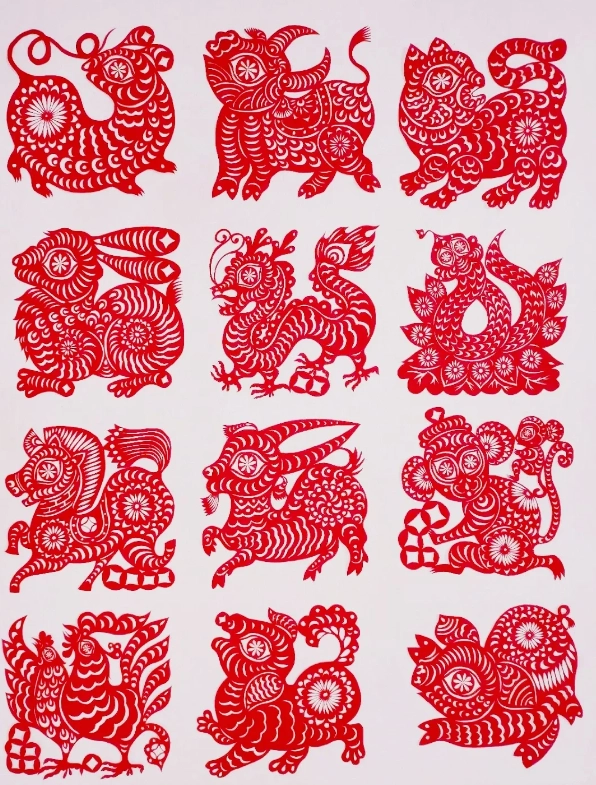
A common mistake is rushing to the bus or car after finishing the scenic walk. Slow down for the last 15 minutes. The vendors along this final stretch are often the ones with more personal investment in their goods.
What to Buy: Souvenirs Worth Your Luggage Space
Forget the plastic keychains and mass-printed scarves. Focus on items that connect to the local Loess Plateau region and Shaanxi's crafts.
| Item | What to Look For (The Real Deal) | Price Range (RMB) & Tips |
|---|---|---|
| Jujubes (Hong Zao / Red Dates) | Shaanxi is famous for these. Go for the ones sold in simple, clear plastic bags or boxes, not the overly fancy gift tins. The dates should be plump, deep red, and slightly sticky to the touch. Smell them – they should have a sweet, earthy aroma. | 15 - 40 per bag. The price varies by size and grade. Ask for "tian zao" (sweet dates). A mid-sized bag for 25 RMB is fair. They make a fantastic, edible gift. |
| Paper-Cuttings (Jian Zhi) | Intricate folk art. Hold it up to the light. Hand-cut pieces will show slight asymmetries and tiny, imperfect cuts. Laser-cut versions are dead perfect and feel flimsier. Look for traditional designs like the "Shuangxi" (double happiness) symbol, peonies, or rural scenes. | 20 - 150. Small, simple designs start cheap. Large, complex scenes framed in glass or wood can be 100+. For a real keepsake, spend 50-80 on a medium, hand-cut piece. |
| Stone & Jade Carvings | This is the trickiest. Much of it is low-quality serpentine or soapstone, not nephrite jade. For small items, focus on the craftsmanship, not the material. Feel the edges. Hand-polished stone has a warmer, slightly uneven feel. Machine-polished is icy smooth and uniform. Avoid any item with a plastic-like shine. | 50 - 500+. Be extremely skeptical of any "jade" pendant sold for under 200 RMB. A nice soapstone figurine or paperweight is a safer, more honest buy for 60-120 RMB. |
| Millet & Grains | Local, practical, and uniquely Shaanxi. You'll find small bags of yellow millet (huang xiaomi), often vacuum-sealed. It's a staple of the northern Chinese diet. This is a gift for someone who loves to cook. | 10 - 25 per bag. Very little bargaining here; it's mostly fixed price. Just grab a couple for a taste of local agriculture. |
I have a personal soft spot for the cloth tigers (bu lao hu). They're colorful, stuffed fabric toys, a traditional symbol for protecting children. The ones at Hongshi Gorge are often made by local women. The stitching is sometimes a bit rough, and the colors might clash in a wonderfully folk-art way. That's how you know it's likely handmade, not factory-produced. I bought one for a friend's newborn for 35 RMB.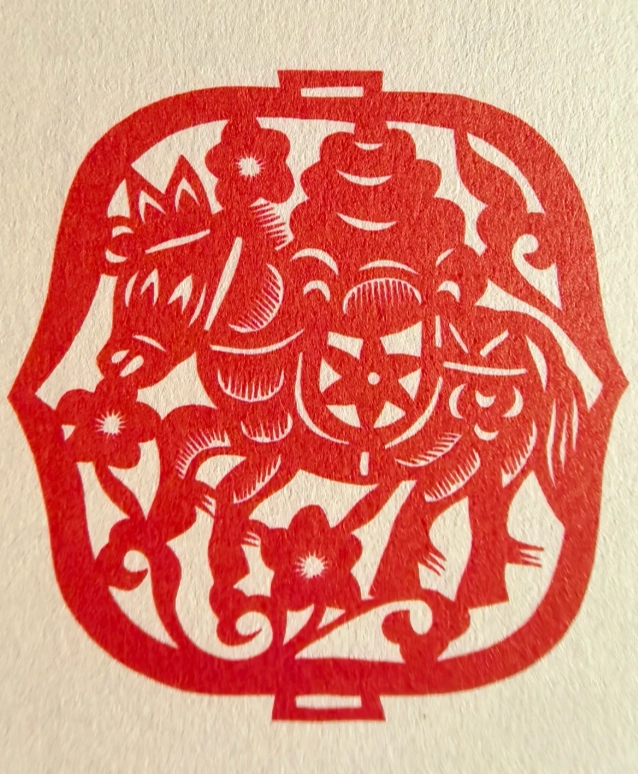
How to Shop Smart: Bargaining, Payments & Local Etiquette
This is where your experience is made or broken.
The Art of the Haggle
Bargaining is expected for most non-food items. Never accept the first price. A good rule is to counter at 40-50% of the asking price. If they ask 100, offer 45. The dance begins. If they come down to 70, meet at 60. If they immediately agree to your first low offer, you probably could have gone lower.
My tactic: show genuine interest, ask a few questions about the item, then give a disappointed smile and quote my price. Be prepared to walk away. Nine times out of ten, they'll call you back with a better offer. If not, you probably overvalued the item.
Key phrase: "Tai gui le" (Too expensive). Say it with a smile and a shake of your head. It's the universal start to the negotiation.
Cash, Scan, or Card?
Assume cash (RMB) is king, especially with the smaller, older vendors. Have plenty of small bills (10s, 20s, 50s).
Most larger stalls will have a WeChat Pay or Alipay QR code. Be prepared to use your mobile payment if you have it set up with a Chinese bank card or a service like Trip.com's TourCard. International credit cards (Visa/Mastercard) are almost never accepted at these market stalls. Don't rely on them.
For a smooth experience, I recommend reading the official guide for foreigners on using Alipay, which explains how to link international cards for limited use.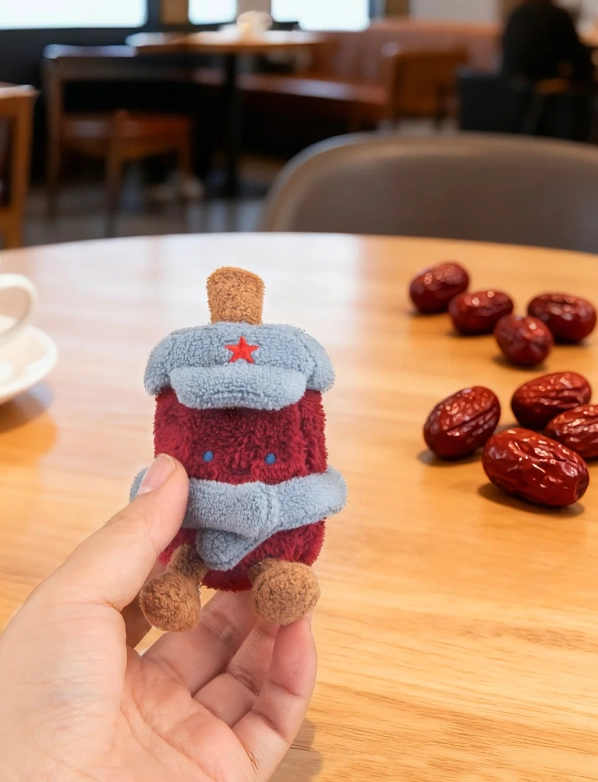
Language & Connection
English is minimal. Use simple words, numbers (written on your phone or with fingers), and a calculator app for bargaining. A little effort goes a long way. Learning to say "Zhe ge" (this one) and "Duo shao qian?" (how much?) will get you started.
The most successful purchases I've made involved pointing, smiling, and showing curiosity about how something was made. That human connection often leads to a fairer price than any aggressive haggling.
Your Hongshi Gorge Shopping Questions, Answered
 What's the biggest mistake tourists make when shopping here?
The real treasure of shopping at Hongshi Gorge isn't just the object you take home. It's the memory of the interaction—the smile from the vendor when you appreciate their craft, the slight thrill of a successful negotiation, and the story behind the item in your hand. Forget the frantic, stressful hunt. Slow down, use this guide as your map, and focus on the authentic pieces that speak to you. Your suitcase and your memories will be better for it.
This guide is based on personal, repeated visits and observations. Details such as vendor locations and specific prices are subject to change but reflect the enduring nature of the market's dynamics.






Hongshi Gorge's craft scene can be overwhelming, but this guide cuts through the noise. I especially loved the section on bargaining etiquette—used the 'smile and walk away' trick and got a silk embroidery piece for 40% less! The only reason I'm giving it 5 stars is because it genuinely changed how I experience local markets. Already shared it with two fellow travelers at my hostel.
Came for the gorges but stayed for the shopping—thanks to this guide! It taught me to look at carving tools rather than finished pieces. Walked into a back-alley studio where a master was polishing a bamboo brush holder. Bought it for half the price of the tourist-trap shops. Also avoided the infamous 'friendship tea' scam the guide warned about. Perfect trip, 5/5.
This shopping guide is an absolute must-read before visiting Hongshi Gorge! I followed the '3-touch rule' for checking pottery glazes and ended up scoring a gorgeous celadon tea set from a tiny workshop that wasn't even on the main map. The owner was super friendly and explained how to spot authentic celadon crackle. My bag is full of real keepsakes, not cheap souvenirs. 5 stars, no hesitation!
Used the guide's advice to skip the main strip and head to the side alleys. Found an elderly couple actually carving wooden birds—real deal! Prices were fair, and they even let me try a few strokes. Only complaint: the guide listed a few 'trusted' shops that were way overpriced compared to the backstreet finds. So 4 stars—great for the general direction, but the specific recommendations need updating.
Honestly, the guide was a lifesaver for navigating Hongshi Gorge's market area. Without it, I would've fallen for all those 'antique' jade pieces that are clearly factory-made. Still, even with the tips, I ended up buying a so-called 'hand-painted' fan that started smudging the next day. Maybe I just picked the wrong stall? The guide could've been more specific about which rows to avoid. Rating 3 because it helped a bit but didn't fully save me from disappointment.
This guide is everything! Before coming, I thought all the wood carvings were local, but it taught me how to spot the tourist traps that sell machine-cut pieces from overseas. I followed the 'workshop first' rule and found a family-run shop where the grandfather carves dragons from walnut wood. He signed the piece for me. The tips on timing (go early morning to avoid crowds) also helped me enjoy the whole bazaar without feeling rushed. Absolutely recommend!
I trusted the guide but still got burned. The 'authentic' silk scarf shop it recommended turned out to be a mass-produced factory outlet in disguise—tags were printed in bulk and the silk felt cheap. The owner was nice enough but wouldn't let me touch the fabric before buying. Later I saw the exact same scarf at a roadside stand for half the price. Disappointing. Maybe I just had bad luck, but I expected better from a shopping guide.
If you care about authenticity, this guide is a gem. I followed its advice to look for local pottery workshops instead of souvenir kiosks, and I got to see a master potter throw a vase from local red clay. He explained the firing process and even let me try the wheel. No pushy sales talk. The only downside? A few of the recommended spots were a bit tricky to find without GPS. Still, a wonderful cultural deep-dive.
Solid shopping tips—the guide saved me from overpaying on those 'jade' pendants that are actually resin. I haggled at three different shops and ended up with a nice bamboo tea set for half the starting price. Only reason I'm not giving 5 stars: the map in the guide sent me to a closed stall once. Otherwise, worth it for the budget-conscious traveler.
Finally found the real deal here! After reading the guide, I skipped the flashy stalls at the entrance and headed straight to the side alley near the old temple. The embroidered scarves I bought are hand-stitched—I watched the lady work on one while her granddaughter played nearby. The shopkeeper even showed me the natural dyes she uses. No hard selling, just honest craftsmanship. My only regret is not buying two more.
Finally a guide that doesn’t just list shops but teaches you what to look for. I loved the part about checking the underside of wood carvings for imperfections – that saved me from buying a mass-produced copy. Found a beautiful hand-carved bamboo flute at a stall right by the river, exactly where the guide said. Totally worth reading before you go.
Decent overview but felt a bit too focused on the ‘avoid tourist traps’ part – I get it, but I was also looking for where to find decent souvenirs without a crazy markup. The ‘hidden gem’ they recommended had no English signs and the owner was impatient with my questions. Still got a nice lacquer box, but the vibe was off. Solid 3.
I’m not usually one for shopping guides, but this one actually saved me from overpaying for a fake jade bracelet. The section on spotting synthetic dyes was super practical. I ended up spending a whole afternoon at the ceramic cooperative they mentioned – the potters even let me try the wheel! If you’re into hands-on experiences, this is gold.
Used the guide last weekend. The map to the hidden alley was accurate, but honestly, the shop we found had a very limited selection. Prices were okay, not amazing. Also the ‘authentic’ tea set I bought started peeling after two washes. Maybe I just got unlucky, but I expected a bit more for the effort. It’s decent, not a game-changer.
This guide was a lifesaver! I followed the tips to find a tiny workshop tucked away from the main strip, and the old couple there hand-painted porcelain right in front of me. No haggling stress, just real artistry. The plastic junk stalls were everywhere, but this guide helped me skip them all. Highly recommend if you want the real deal.