 Ling Wu
Let's cut to the chase. You're planning a trip to the Longji (Dragon's Backbone) Rice Terraces, and you've hit the big question: should you go during the mirror-like irrigation season or the golden autumn harvest? Most blogs will just say "both are beautiful" and leave you hanging. Not helpful. After a decade of guiding international groups through these mountains, I can tell you the choice dramatically changes your experience, your photos, and even your packing list. This isn't just about scenery; it's about crowds, light, mud, and whether you'll need that extra pair of socks.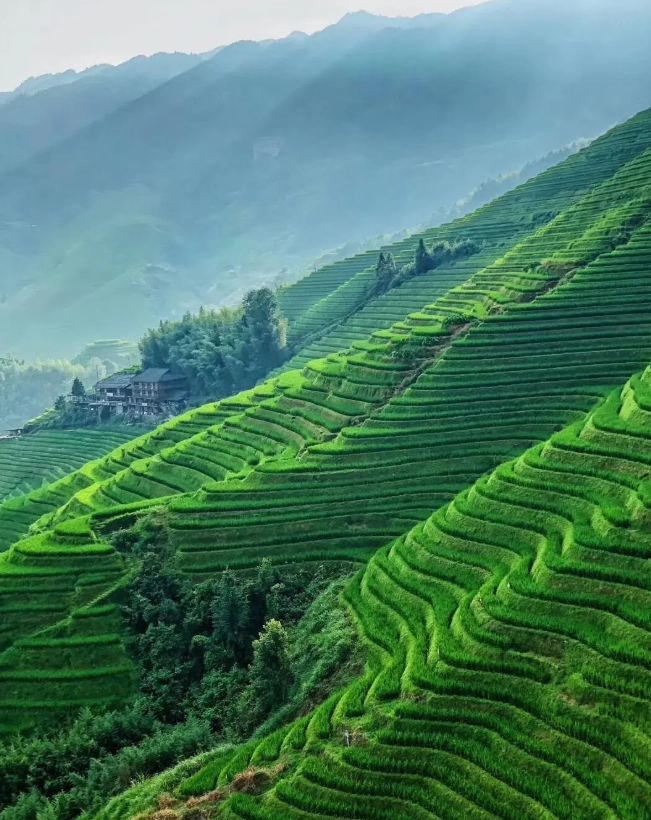
Your Quick Trip Navigator
Irrigation Season vs. Autumn Harvest: The Core Showdown
First, let's lock down the dates, because they're not fixed. Nature doesn't read a calendar.
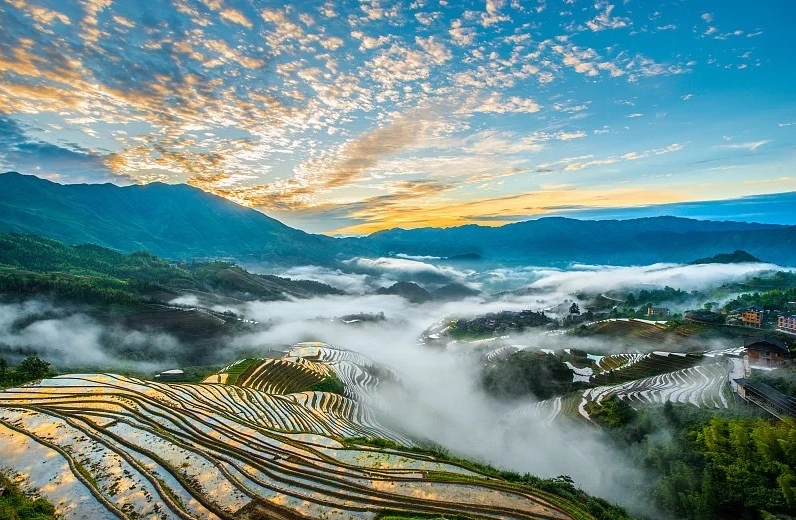
- Irrigation Season (Water-filled terraces): Typically late April through early June. The key is water. Farmers flood the fields to prepare for planting. The start depends entirely on the spring rains. I've seen years where early May is perfect, and others where you have to wait until late May for the full "mirror" effect.
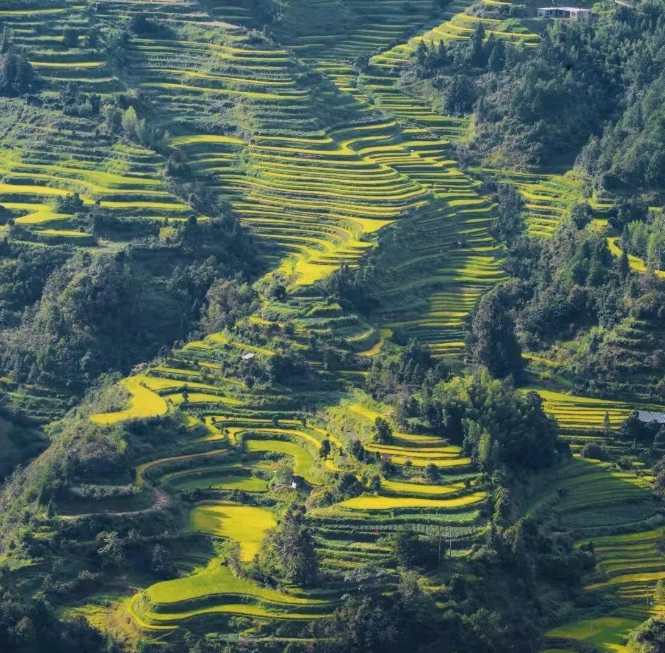
- Autumn Harvest (Golden terraces): Generally late September through mid-October. The rice turns a stunning yellow-gold before being cut. Harvesting starts from the top terraces down. Go too early in September, and it's still green. Go too late in October, and you might see stubble. The sweet spot is often the last week of September to the second week of October.
Here’s the breakdown that most generic guides miss:
| Aspect | Irrigation Season (Apr-Jun) | Autumn Harvest (Sep-Oct) |
|---|---|---|
| Scenery | Layered mirrors reflecting sky & clouds. Lush, vibrant green seedlings. Dreamy, ethereal feel. | Rolling waves of golden yellow. Rich, warm, and textured landscape. A sense of abundance. |
| Crowds | High, especially during Labor Day holiday (early May). Can feel congested at main viewpoints. | Very high during China's National Day "Golden Week" (Oct 1-7). Avoid this week at all costs. Other times are busy but manageable. |
| Weather & Conditions | Unpredictable. Frequent drizzle/mist ("the sea of clouds" effect). Muddy, slippery stone paths. Humid. | Generally stable, sunny days. Cool, crisp mornings and evenings. Paths are dry and easy to walk. |
| Photography | Best for reflections, soft light, misty moods. Sunrise can be hit or miss due to fog. Blue hour is magical. | Best for bold colors, dramatic shadows, and clear sunrise/sunset shots. The light is sharper, more directional. |
| The Vibe | Preparation and renewal. You'll see farmers transplanting rice seedlings by hand—backbreaking work. | Celebration and reward. The harvest is in full swing. You might hear more local festivals and activity. |
| Packing Essential | Waterproof hiking shoes with excellent grip, rain jacket, umbrella, plastic bag for wet gear, lens cloth. | Layers (warm fleece for dawn), sun hat, sunscreen, sturdy walking shoes. |
My Non-Consensus Take: Everyone raves about the irrigation season photos. They're stunning, yes. But as a guide, autumn is often the more enjoyable experience. The reliable weather means you actually see the vistas you came for. The walking is easier, you're not constantly wiping your camera lens, and the golden light is a photographer's dream. The irrigation season is for the patient, mist-loving soul who doesn't mind getting a little muddy for a chance at something surreal.
How to Get There, Where to Stay, and Key Details
Longji isn't one single spot. It's a vast area with several villages. The two main sections are Ping'an (more developed, easier access) and Jinkeng (Dazhai) (larger, more terraces, cable car available).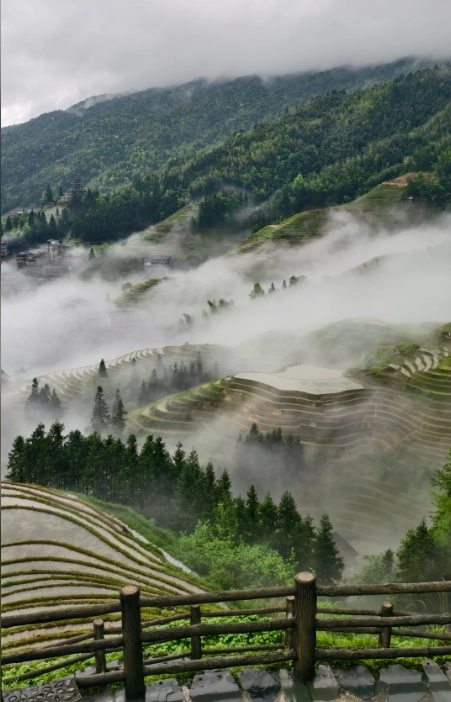
Getting There from Guilin
The only practical way is by road. Forget trains.
- Direct Tourist Bus: The easiest option. Buses depart from Guilin Qinjian Bus Station. The ride takes 2-2.5 hours to the Longsheng Scenic Area Transfer Center. Cost is around 50-60 RMB. Buses run from about 7:30 AM to 5:00 PM. Buy your ticket at the station counter. Don't trust touts outside.
- Private Transfer: For groups of 3-4, hiring a car for the day (approx. 600-800 RMB) offers flexibility. Your driver can drop you at your specific village lodge, saving you the shuttle bus transfer.
At the transfer center, you must buy the entrance ticket (80 RMB for adults, discounts for students/seniors). Then, take the mandatory scenic area shuttle bus (40-50 RMB round trip) to your chosen village (Ping'an or Dazhai). The shuttle drops you at the village entrance, and then it's a walk to your lodge—often uphill. Confirm if your lodge offers luggage porter service (usually 20-30 RMB per bag).
Where to Stay: A Quick Comparison
- Ping'an: More hotel-like options. Better for those wanting less physical challenge. The viewpoints ("Seven Stars with Moon," "Nine Dragons and Five Tigers") are a 15-30 minute walk from the village. Wi-Fi is usually stable. More English spoken.
- Jinkeng (Dazhai): More authentic, spread out. Lodges are often family-run guesthouses with basic amenities. The cable car to Golden Buddha Peak (Jinfo Ding) (100 RMB round trip) is here—a huge saver for those with limited mobility or time. The "Thousand Layers to the Sky" viewpoint is a serious hike.
Booking Tip: Use platforms like Trip.com or Booking.com. Look for reviews mentioning "view from the room." Call the lodge directly via the app to confirm they'll help with your luggage. Expect basic rooms: hard beds, electric blankets for winter, and sometimes intermittent hot water. It's part of the charm.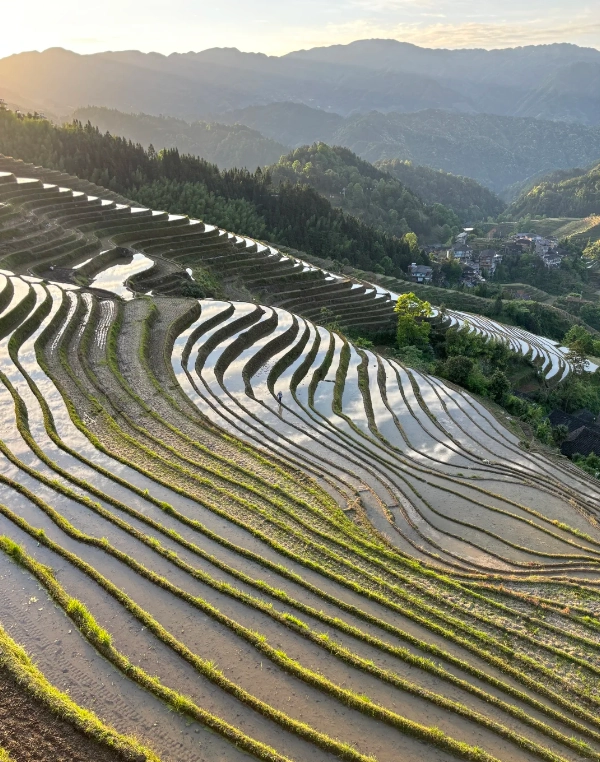
Photography Tips You Won't Find on Instagram
For Irrigation Season:
The light is flat and soft all day, which is good and bad. You won't get harsh shadows, but you also lack drama.
- Sunrise is a gamble. You might get epic clouds below the terraces, or a solid wall of white fog. Check the forecast the night before, but be prepared for disappointment. If it's clear, get to your viewpoint 45 minutes before sunrise.
- The best light is often mid-morning (9-11 AM) or late afternoon (3-5 PM). The sun has a better angle to create some definition on the terraces. The water reflects the blue sky beautifully.
- Use a polarizing filter. This is non-negotiable. It cuts the glare off the water, allowing you to see the terraces beneath the surface and saturate the greens and blues.
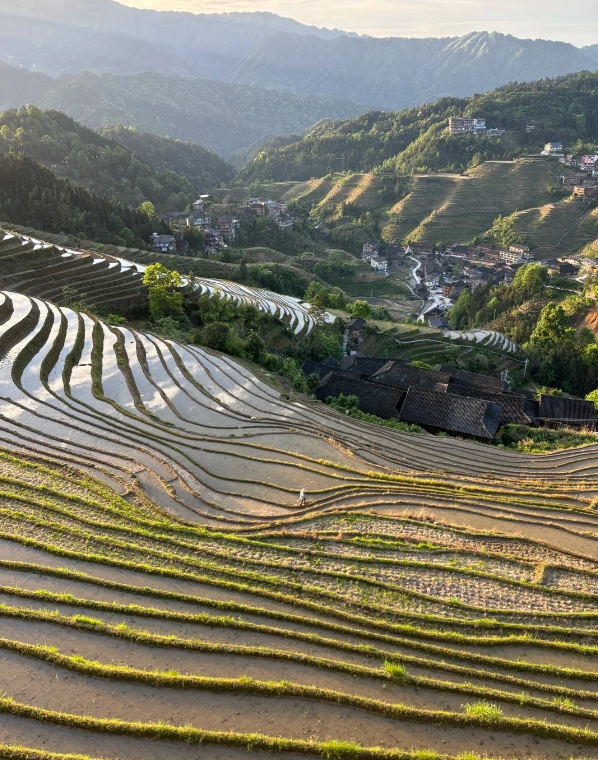
- Find foreground interest. A winding path, a local farmer in a raincoat, a cluster of trees. The mist can simplify scenes too much; you need an anchor.
For Autumn Harvest:
You're playing with fire—gorgeous, golden-hour fire.
- Sunrise at Golden Buddha Peak (Jinfo Ding) in Jinkeng is unbeatable. The first light hits the east-facing terraces, setting them ablaze. Take the first cable car up.
- Sunset at "Nine Dragons and Five Tigers" in Ping'an is iconic. The west-facing terraces glow. The crowds here are real. My trick? Don't fight for the main platform. Walk 5 minutes along the path to the left (north); you'll find unobstructed, equally stunning views with a fraction of the people.
- Shoot during the "harvest haze." In the late afternoon, dust and chaff from the threshing hang in the air, creating a warm, diffused glow. It's magical.
- A telephoto lens (70-200mm) is your best friend. It compresses the layers of terraces, creating those dense, patterned shots.
If You Only Have 24 Hours: A Sample Itinerary
Let's say you're based in Guilin and want a one-day blitz. It's exhausting but doable if you're fit. I'd recommend this for Autumn for the reliable weather.
- 6:30 AM: Private car pickup from your Guilin hotel.
- 9:00 AM: Arrive at Longsheng Transfer Center, buy tickets, catch shuttle to Dazhai (Jinkeng).
- 10:00 AM: Take the cable car to Golden Buddha Peak. Spend 1.5 hours exploring the summit walkways.
- 12:00 PM: Cable car down. Quick lunch at a simple guesthouse in Dazhai (try the bamboo-tube rice).
- 1:30 PM: Shuttle bus from Dazhai to Ping'an.
- 2:15 PM: Start the hike up to the Ping'an viewpoints. Follow the stone paths; signs are clear.
- 4:00 PM - Sunset: Secure your spot for sunset at "Nine Dragons and Five Tigers." Explore the alternative angles.
- 6:30 PM: Shuttle bus back to the transfer center, meet your driver, return to Guilin by ~9:00 PM.
Brutal honesty: This is a lot. You'll walk 15,000+ steps, much of it on stone stairs. For a more relaxed trip, stay one night in a village. The evening and early morning, when the day-trippers are gone, are the most peaceful.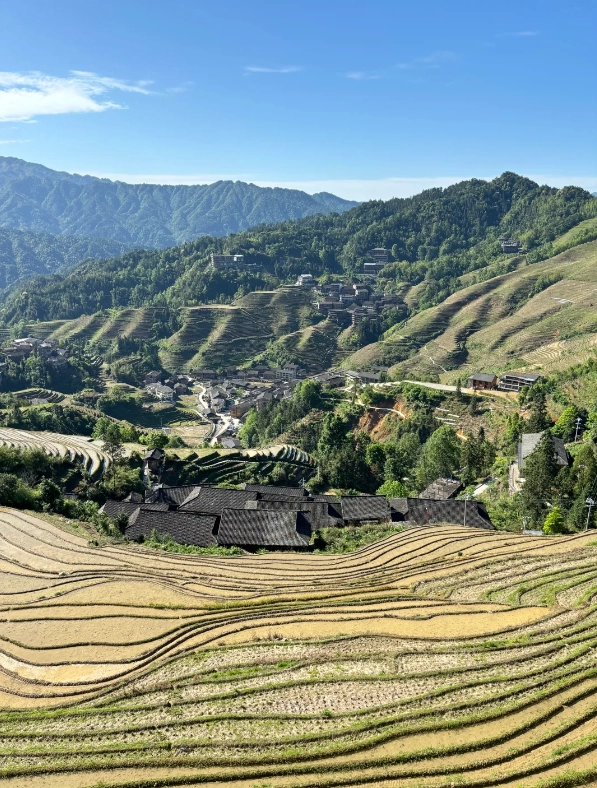
Common Mistakes & How to Avoid Them
- Mistake #1: Wearing fashion sneakers in irrigation season. The stone paths become slick. I've seen too many people take a muddy, embarrassing slide. Proper hiking shoes are a safety requirement, not a suggestion.
- Mistake #2: Not carrying small cash (RMB). Up in the villages, mobile payment (WeChat/Alipay) usually works, but for small things—buying water from an elderly vendor, paying a luggage porter—cash is king. Get small bills (5, 10, 20 RMB) in Guilin.
- Mistake #3: Expecting luxury. You're in a remote mountain area. The food is simple, locally sourced, and delicious (try the stir-fried bamboo shoots and free-range chicken). The beds are firm. The hot water might run out. Embrace it.
- Mistake #4: Only visiting the main viewpoints. The real magic is on the walking trails between villages. The path from Ping'an to Zhongliu or within Jinkeng's smaller hamlets offers intimate, crowd-free terrace views. Ask your guesthouse owner for a recommended short walk.
Your Questions, Answered
I can only visit in July or August. Is it still worth it?
You'll see vibrant green, growing rice. It's lush and beautiful, but it lacks the dramatic visual punch of the water or gold. The bigger issue is the heat and humidity, which can be oppressive for hiking. It's also peak domestic summer vacation, so crowds are significant. If it's your only window, go for it—just manage expectations and prepare for summer weather.
Which village is best for avoiding crowds?
Ping'an gets the big tour buses. Jinkeng (Dazhai) is larger, so crowds disperse more easily. For true solitude, look at staying in Tiantouzhai, the highest hamlet in Jinkeng. It requires a longer walk or a car transfer from Dazhai, but the guesthouses there (like the one run by the lovely Pan family) have terraces almost to themselves. You'll share the sunrise with a handful of other guests, not a hundred.
Is the cable car in Jinkeng worth it for photography?
Absolutely, especially in autumn for sunrise. It gets you to the highest viewpoint quickly and without a 1.5-hour uphill slog. From the cable car itself, you get a unique, sweeping aerial perspective you can't get anywhere else. For irrigation season, it can be a foggy ride to nowhere, so check the conditions before buying the ticket.
What's the one thing I should pack that nobody mentions?
A small, powerful flashlight or headlamp. If you're staying in a village and go out for sunset dinner, the stone paths back to your lodge are poorly lit, if lit at all. It's easy to miss a step. That little light is a game-changer for safety and peace of mind after dark.
 Choosing between the irrigation season and autumn harvest at Longji isn't about picking a "bad" time. It's about choosing the personality of your adventure. Want a moody, reflective, and slightly challenging journey? Aim for May. Want a vibrant, sunny, visually spectacular hike? Target late September. Either way, you're witnessing one of humanity's most beautiful collaborations with nature. Pack smart, wear good shoes, and get ready to have your breath taken away—literally, on those stairs.
This guide is based on my personal, on-the-ground experience leading tours through every season. Facts regarding transport and ticketing have been verified against current local operator information.





Harvest time in October: the golden terraces are spectacular, but I found the entry ticket overpriced (¥80) for what you get. Also, a lot of vendors aggressively selling souvenirs along the trails. The views are undeniably beautiful, but the commercialization took away some of the charm. Would recommend going early morning to avoid the crowds. 3 stars – not bad, but could be better.
Irrigation season (mid-May) is THE time to go. The reflections are unreal, especially at sunrise. We hiked from Ping'an to Dazhai and barely saw anyone – maybe because it was a weekday. The weather was cool and misty, which added to the atmosphere. Absolutely worth the long bus ride from Guilin. 5 stars, no doubt.
I visited during the dry season (March) because I wanted empty trails. The terraces were mostly bare – just mud and some early irrigation starting. Not the postcard image, but I loved the quiet. The local homestay host was super welcoming and cooked a great meal. If you want solitude and don't care about the 'perfect' view, it's a 4-star trip.
Came for the golden harvest in late September. The view was stunning, but honestly I was a bit disappointed by how many tourists were there. Buses clogged the small roads and we had to queue for the best photo spots. The terraces themselves were beautiful, but the experience felt rushed. Still good, just not as peaceful as I hoped.
Visited in early June for the irrigation season – absolutely magical. The water-filled terraces mirror the sky like giant mirrors, and the locals were out planting rice, which made for incredible photos. No crowds yet, and the weather was perfect for hiking. 5/5, would come again.