 Ting Chen
Let's cut to the chase. Most generic travel sites will tell you spring and autumn are the best times to visit Chongqing. They're not wrong, but that's like saying water is wet. After a decade of guiding everyone from backpackers to luxury tour groups through these steep streets, I've learned the "best" time depends entirely on what you want. Do you want perfect Instagram shots of the skyline, or do you want to experience the city's raw, steaming energy? Are you here for the food, the views, or the culture? Your answer changes everything.
This isn't a list of average temperatures. This is a street-level breakdown of what each season feels like, the hidden challenges, and the local secrets that make a trip unforgettable. I'll tell you when to go, what to pack, and how to adjust your plans so you don't end up like the poor souls I see every July, red-faced and defeated at the bottom of the Hongya Cave steps.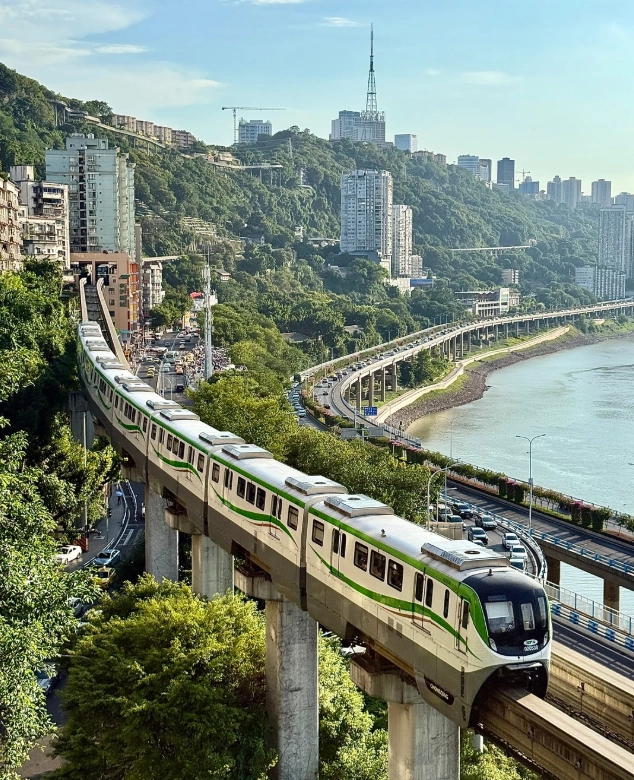
Your Chongqing Trip at a Glance
- The Short Answer: When to Book
- Spring (March-May): Mild and Misty Magic
- Summer (June-August): The Fiery Furnace
- Autumn (September-November): The Golden Sweet Spot
- Winter (December-February): Moody and Mysterious
- Monthly Weather Breakdown
- Your 24-Hour Chongqing Blitz
- FAQ: Your Chongqing Season Questions Answered
The Short Answer: When to Book
If you're forcing me to pick: late October to early November. The summer furnace has shut off, the rains have mostly stopped, and the skies often clear up for those iconic river-and-skyscraper panoramas. The second-best window is April. Avoid the first week of May and first week of October at all costs—that's China's Golden Week, and the crowds are genuinely terrifying.
Spring (March-May): Mild and Misty Magic
Spring is Chongqing waking up. The famous fog (they don't call it the 'Fog City' for nothing) is still present, but it's a soft, photogenic mist, not the oppressive gloom of winter. Temperatures climb from a cool 15°C (59°F) in March to a pleasant 25°C (77°F) in May. It's perfect for walking.
The key advantage? The city's countless staircases and hills are actually enjoyable. You can tackle the E'ling Park (free entry, open 24 hours, take Metro Line 2 to E'ling Station, Exit 1) for its classic view of the Yangtze and Jialing River confluence without breaking a sweat.
Rain is frequent but usually light—a drizzle, not a downpour. Always, and I mean always, carry a compact umbrella. The stone steps get slick.
What to do in Spring: This is prime time for the Hongya Cave (No. 88, Binjiang Road, Jialing River, free to enter the exterior, shops open 11:00 AM-11:00 PM). The mist clinging to its tiered lights at night is straight out of a Miyazaki film. For a deep-cut experience, visit the Sichuan Fine Arts Institute (Huangjueping Campus). The entire street outside is an ever-evolving graffiti gallery. Take Metro Line 2 to Yangjiaping Station, then bus 223, 256, or 277 to "Huangjueping." Get off when you see the colorful buildings.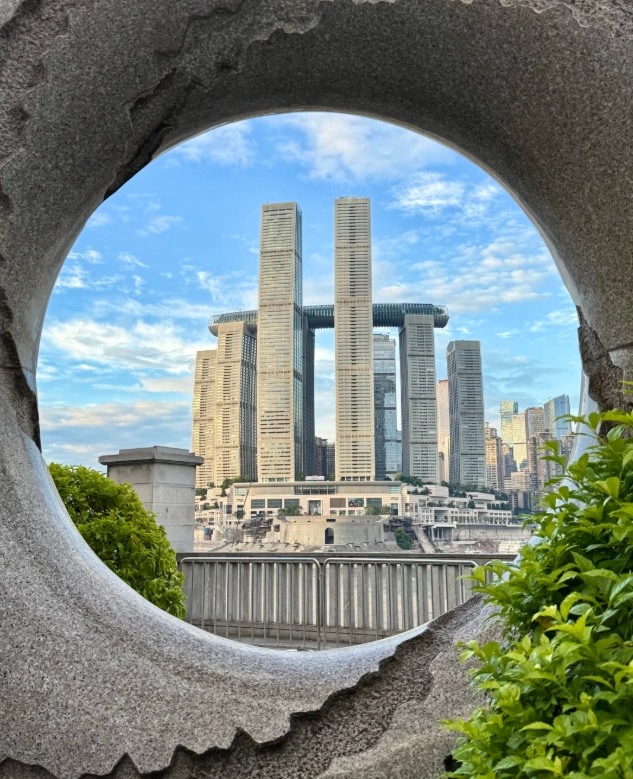
Summer (June-August): The Fiery Furnace
Here's the truth most guides gloss over: Chongqing in summer is one of China's three "furnace" cities. From late June through August, expect 35-40°C (95-104°F) with suffocating humidity that makes the air feel thick. It's intense.
But.
This is also when Chongqing's spirit is most alive. The heat drives life into the night. The hotpot restaurants are packed, steam and chili fumes mixing with the humid air. It's an experience.
Packing is crucial: Moisture-wicking clothing, a powerful sun hat, sunscreen, and a small handheld fan will save you. Drink more water than you think you need. I've seen too many tourists get lightheaded on the steps up to the Liziba Station Monorail Photo Spot (take Metro Line 2 to Liziba Station, go to Exit A, then walk down the road to the viewing platform).
Summer Food Must-Do: You have to try hotpot in summer. It's about balance. Go to a place like Zhou's Brothers Hotpot (Jiefangbei Store). Address is tricky, but search it on Google Maps—it's a local chain with decent English menus. Get a "Yuanyang" pot (split spicy and mild broth). Order the fresh duck intestine and beef aorta. The cold sweet glutinous rice soup they serve at the end is your reward. Expect to pay 80-120 RMB per person. It's hot, noisy, and unforgettable.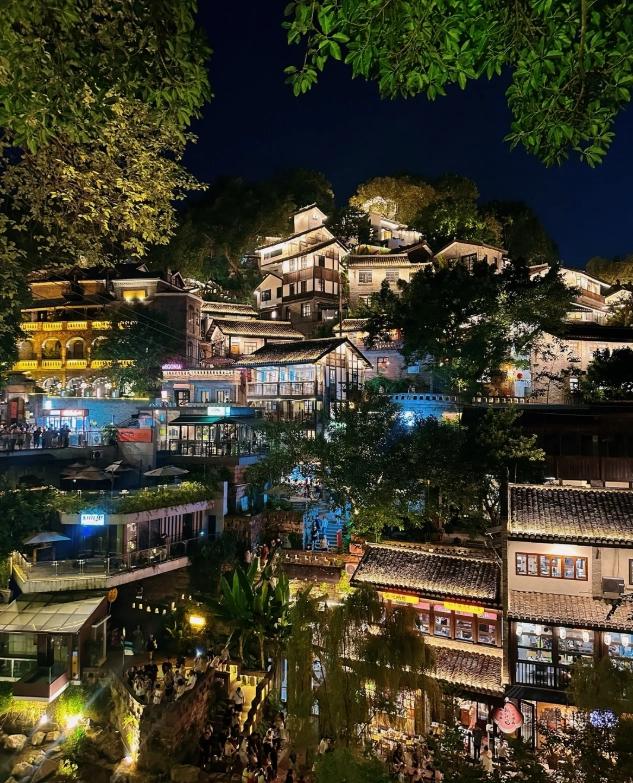
Autumn (September-November): The Golden Sweet Spot
This is it. The champion season. The humidity drops, the heat fades, and the sky presents those postcard-perfect blue days. September can still be warm, but by late October, you have crisp, sunny weather ideal for everything.
This is when the city's parks, like Gele Mountain Forest Park, become glorious. Take the monorail (Line 2) to Gele Mountain Station—the ride itself offers stunning autumn views. The park is vast, so focus on the Red Rock Village historical site section.
Autumn is for the big views: Book a ticket for the Great Hall of the People viewing platform (about 10 RMB, open 8:30 AM-5:30 PM). The contrast of the grand red building against a blue sky is stunning. Also, take the Yangtze River Cable Car (Xinhua Road Station, 20 RMB one-way, 7:30 AM-10:30 PM). Go just before sunset. The low golden light hitting the skyscrapers as you glide over the river is worth every penny. The queue can be long; go on a weekday.
Food-wise, this is harvest season. The oranges and pomelos from nearby counties are sold everywhere. Street vendors roast sweet potatoes and chestnuts—the smell is autumn in Chongqing.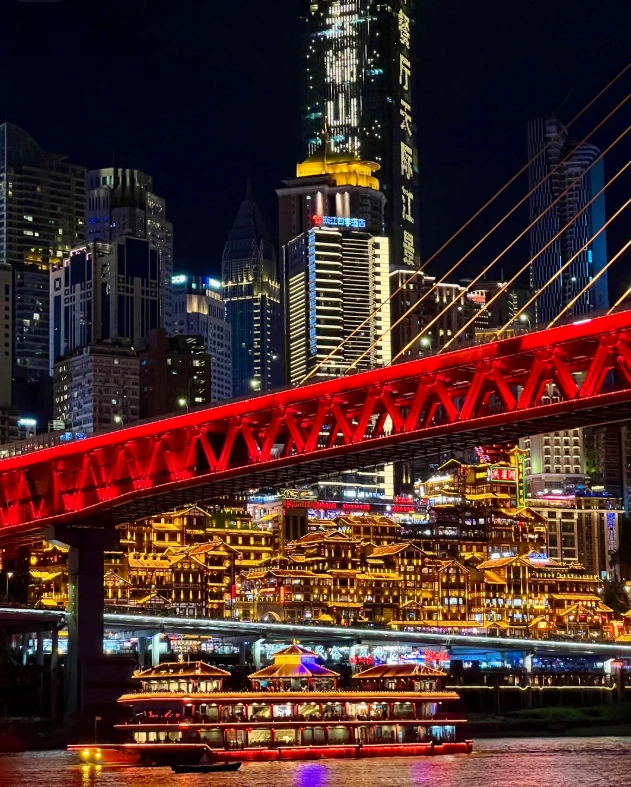
Winter (December-February): Moody and Mysterious
Winter is Chongqing's most underrated season. It's chilly (5-10°C / 41-50°F) and damp, with the least sunshine. The fog returns with a vengeance, often hiding the tops of buildings. For some, this is a downside. For photographers and atmosphere seekers, it's a dream.
The city takes on a cyberpunk, Blade Runner vibe. The neon signs of Hongya Cave and the skyscrapers along the river pierce through the grey mist. It's incredibly cinematic.
The catch: There's no central heating in most buildings south of the Yangtze. Restaurants, hotels, and malls are warm, but your average apartment-turned-guesthouse can be cold and damp. Book a hotel with proper heating. I recommend the Niccolo Chongqing (in the IFS building, 300-500 USD/night) for luxury and insane foggy views, or the Atour Hotel (Jiefangbei) (60-100 USD/night) for a reliable, warm mid-range option.
Winter is for cozying up. A hotpot meal is no longer a challenge but a necessity. The Nanshan Mountain area sometimes gets a dusting of snow—a rare sight. You can take a taxi up there (about 50 RMB from downtown) for a eerie, quiet view of the fog-shrouded city below.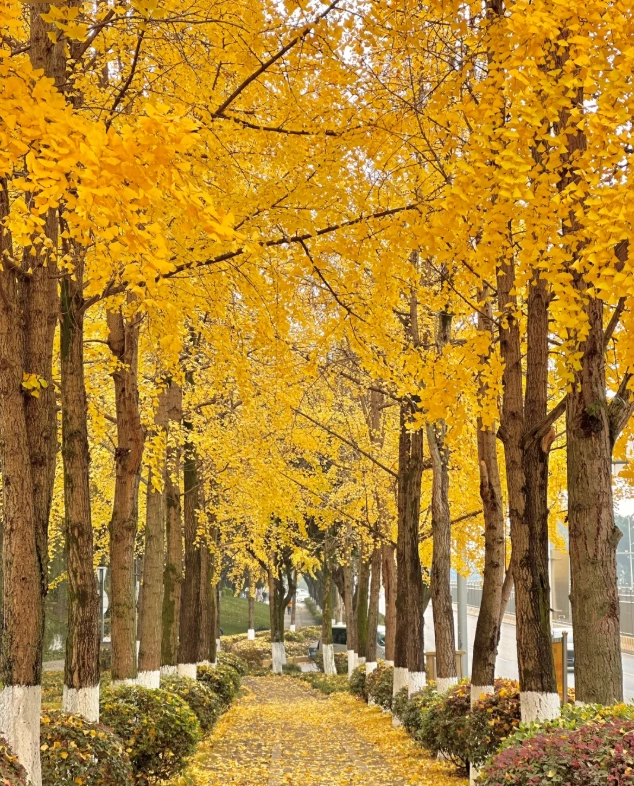
Monthly Weather Breakdown
Think of it this way:
March-April: Unpredictable. A light jacket and layers are essential. Some days are gorgeous, some are drizzly. Flowers bloom.
May: The prelude to summer. Warm, more humid, but still very manageable. Crowds start to build.
June: The furnace ignites. Heat and humidity soar. Evenings are lively.
July-August: Peak furnace. Only for the heat-tolerant. Night markets and river cruises are your friends.
September: The first relief. Warm days, cooler nights. A fantastic month to visit.
October (after Golden Week): Near-perfect. Clear skies, comfortable temps. The ideal window.
November: Crisp and cool. Possibly the best photography month. Pack a warm sweater.
December-February: Grey, misty, cold. Pack thermal layers, a waterproof coat, and warm shoes. The city's neon beauty shines through the gloom.
Chongqing Monthly Weather Averages
Just for reference, but remember, humidity is the real story: March (15°C/59°F), April (20°C/68°F), May (24°C/75°F), June (27°C/81°F), July (30°C/86°F), August (30°C/86°F), September (25°C/77°F), October (20°C/68°F), November (15°C/59°F), December (10°C/50°F).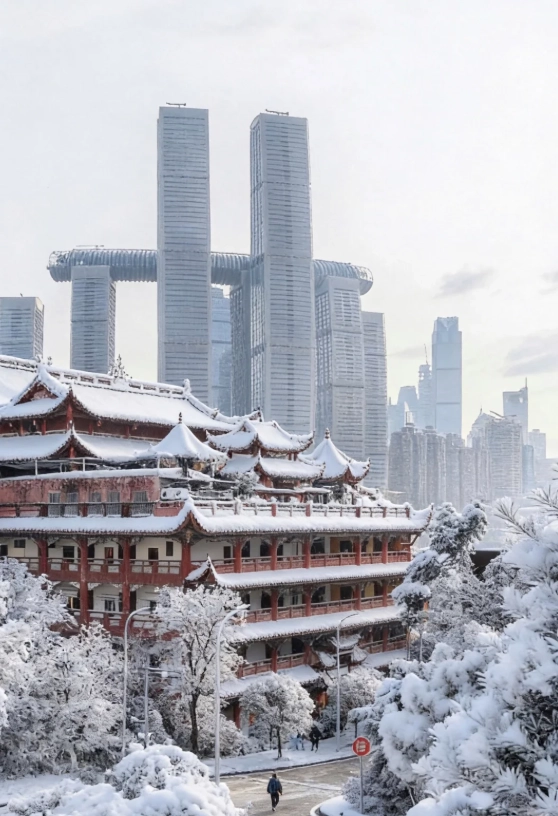
Your 24-Hour Chongqing Blitz
Let's say you're passing through and only have one day, regardless of season. Here's how I'd structure it for maximum impact, assuming you start at 9 AM.
Morning (9:00 AM - 12:00 PM): Head straight to Liziba Station to see the monorail piercing the apartment building. Beat the crowds. Then, take that same Line 2 monorail to E'ling Park. Walk to the viewing platform. You've now seen Chongqing's most iconic modern and classic views.
Afternoon (12:30 PM - 5:00 PM): Taxi to Ciqikou Ancient Town. It's touristy, but it gives you the old mountain town feel. Grab a simple lunch of noodles or dumplings here. Then, retreat from potential heat/rain to the nearby Bai Mansion (Baigongguan), a historical WWII-era site that's fascinating and indoors. Afterwards, take Metro Line 1 from Ciqikou to Xiaoshizi Station.
Evening (5:30 PM onwards): From Xiaoshizi, walk to the Yangtze River Cable Car. Take it across as the city lights start to twinkle. On the south bank, get a taxi to a hotpot dinner. Then, ask the driver to take you to Hongya Cave for the nighttime spectacle. Walk across the Qiansimen Bridge back towards Jiefangbei for a final skyline view. Done.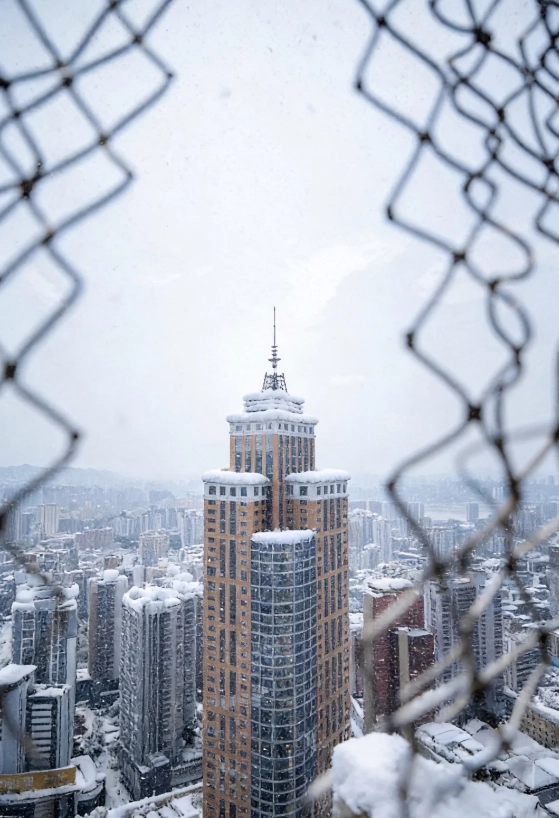
FAQ: Your Chongqing Season Questions Answered
Is Chongqing too hot in summer for Western tourists who aren't used to humidity?
It can be a brutal shock. If you're from a dry climate, the humidity combined with 38°C heat is oppressive. You can manage it with extreme morning/evening scheduling and accepting you'll be sweaty. But if you have heart or respiratory issues, or simply hate heat, I'd strongly advise choosing spring or autumn. It's not just discomfort; it can genuinely affect your health and enjoyment.
What's the one item of clothing I should pack no matter when I visit?
Comfortable walking shoes with excellent grip. Not just cushioned sneakers, but shoes that can handle wet, smooth, often steep stone steps. The streets are slippery when damp, which is often. I've seen more people slip in Chongqing than anywhere else. Leave the fancy leather soles at home.
Does the fog in winter cancel river cruises or cable cars?
Rarely. They operate in fog. The cable car experience in thick fog is actually surreal—you see nothing, then the platform suddenly emerges from the white. River cruises still run, but the visibility of the skyline will be poor. The fog is more likely to affect flights at Jiangbei Airport, so allow extra travel time if flying out in winter.
I want to see the famous "Stilted Buildings" (Diaojiaolou). Is there a best season for that?
For photography, a clear autumn day is best. But the most authentic atmosphere is on a misty morning in late spring or early winter. Head to the backstreets around Shancheng Alley (Shancheng Bu) (near Zhongxing Road, Yuzhong District). The old houses clinging to the cliffside, with laundry hanging out and fog swirling, is a scene that hasn't changed much in 50 years. Go early, around 8 AM, before the tour groups arrive.
How do I check the real-time air quality and fog forecast?
Don't rely on standard weather apps for fog. Use the Chinese app WeChat and search for mini-programs like "Chongqing Fog Forecast" or look at the live camera feeds on the website for the Chongqing Culture and Tourism Development Commission. For air quality, IQAir AirVisual app is reliable and used by locals. Chongqing's air is generally better than many Chinese cities, but winter can see some hazy days.
So, what's the best time to visit Chongqing? You tell me. Want perfect weather and views? Aim for that October-November sweet spot. Want to feel the city's fiery heart and don't mind a challenge? Brave the summer. Craving moody, cinematic atmosphere? Embrace the winter mist. Spring offers a gentle, floral introduction.
Chongqing isn't a city you see; it's a city you feel under your feet and on your skin. Choose the season that matches the experience you want to feel. And pack good shoes. Seriously.
This article has been fact-checked against local meteorological data and my own guiding logs.





Good seasonal breakdown, but I wish it included more off-the-beaten-path spots. Still, it helped me decide when to go and what to expect. 4 stars from me.
This guide saved my trip! The warnings about the rainy season were spot on—I packed an umbrella and avoided getting soaked. The photos in the guide are gorgeous too. Highly recommend!
I was a bit let down. The guide covers seasons well but barely mentions any local food recommendations. Also the formatting on mobile is messy, hard to read. Could be better. 3 stars.
Pretty useful overall, but I found the summer section a bit too optimistic. It's way hotter and more humid than it suggests. However, the autumn and winter tips were spot on. I'd give it a solid 4.
Loved this guide! I planned my spring trip to Chongqing based on it and the cherry blossoms were just as described. The month-by-month breakdown was super helpful. Definitely a must-read for anyone visiting!