 Hong Ma
Planning a Mount Hua itinerary feels different from planning any other mountain trip. You're not just thinking about scenery; you're mentally preparing for narrow cliff paths and the legendary Plank Walk. I've done it twice, in different seasons, and both times I saw people turn back because they underestimated the climb or overestimated their schedule. The most common mistake? Trying to cram everything into one chaotic day without understanding the mountain's layout. This isn't a stroll. It's a strategic physical challenge spread across five distinct peaks. A good itinerary is the difference between an epic adventure and a stressful, unfinished mission.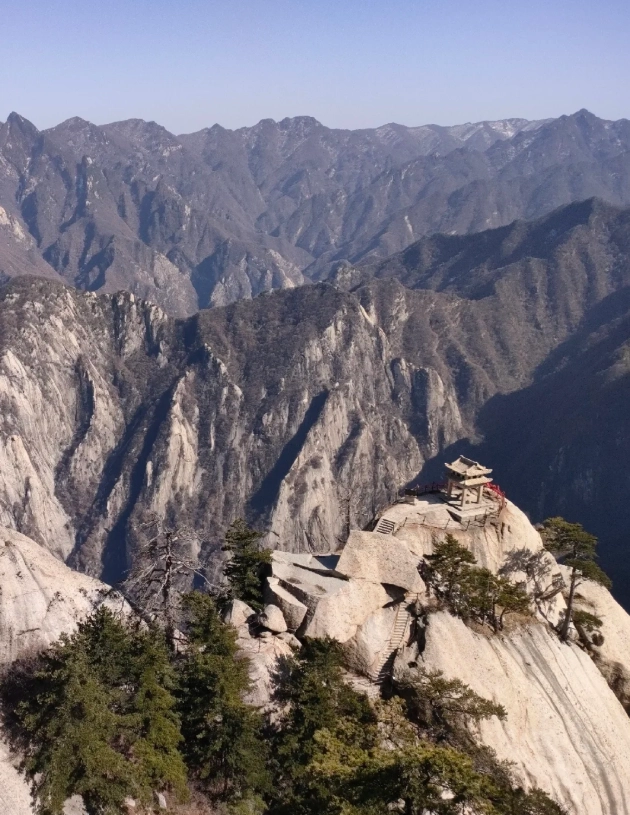
Your Route at a Glance
- Understanding the Five Peaks Layout
- Getting There: Transport from Xi'an
- Tickets, Cable Cars, and Essential Costs
- The Classic One-Day Itinerary (The Challenge)
- The Two-Day Depth Itinerary (Recommended)
- Conquering the Plank Walk: A Step-by-Step Strategy
- Where to Stay and Eat on the Mountain
- Packing Essentials Most People Forget
- Your Mount Hua Questions Answered
Understanding the Five Peaks Layout
Think of Mount Hua not as one summit, but as a giant stone hand with five fingers. Each "finger" is a peak, connected by ridges. The peaks form a rough circle. The North Peak (Cloud Terrace) is the lowest and where both cable cars arrive. Most itineraries start here. The West Peak (Lotus) is stunning, with a dramatic cable car ascent up a sheer cliff. The South Peak (Landing Wild Geese) is the highest at 2154.9 meters. The East Peak (Facing Sun) is the best for sunrise. The Central Peak (Jade Maiden) is often a quick stop. The famous Plank Walk is on the South Peak's side. You hike from peak to peak. Knowing this circle is crucial—you can't just go to one and leave; you need a route that connects them logically.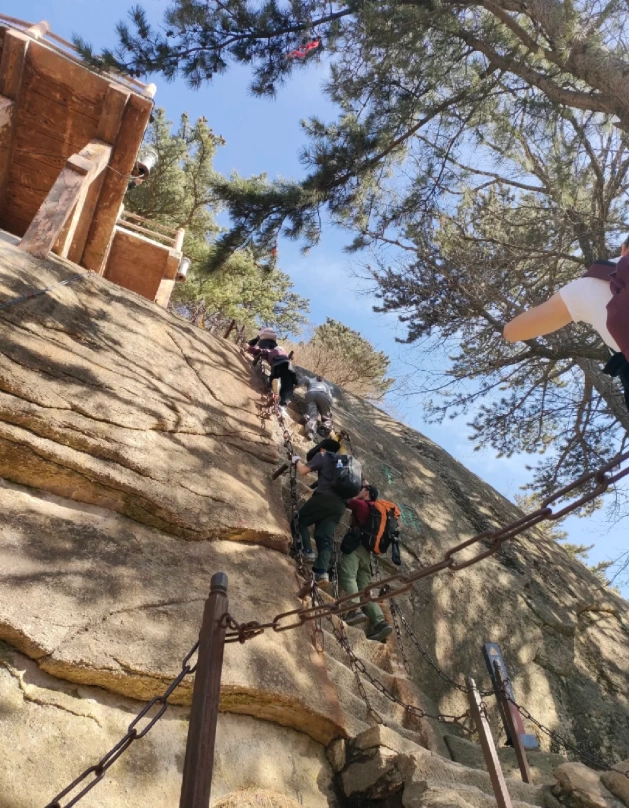
Getting There: Transport from Xi'an
All journeys start in Xi'an. The mountain itself is in Huayin City, about 120km away. You have two main options: train or bus. I prefer the high-speed train. It takes 30-40 minutes from Xi'an North Railway Station to Huashan North Station. It's reliable, comfortable, and drops you a short taxi ride from the visitor center. Buses from Xi'an's east station are cheaper but can take 2 hours depending on traffic. Once at Huashan North Station, ignore the private car touts. Official green taxis are outside. The ride to the visitor center should cost a fixed 20 RMB. The first train from Xi'an is around 7:00 AM. For a one-day trip, you must be on it.
Tickets, Cable Cars, and Essential Costs
The pricing is layered. You pay to enter the scenic area, then pay separately for transport up. Here’s the breakdown based on my latest visit.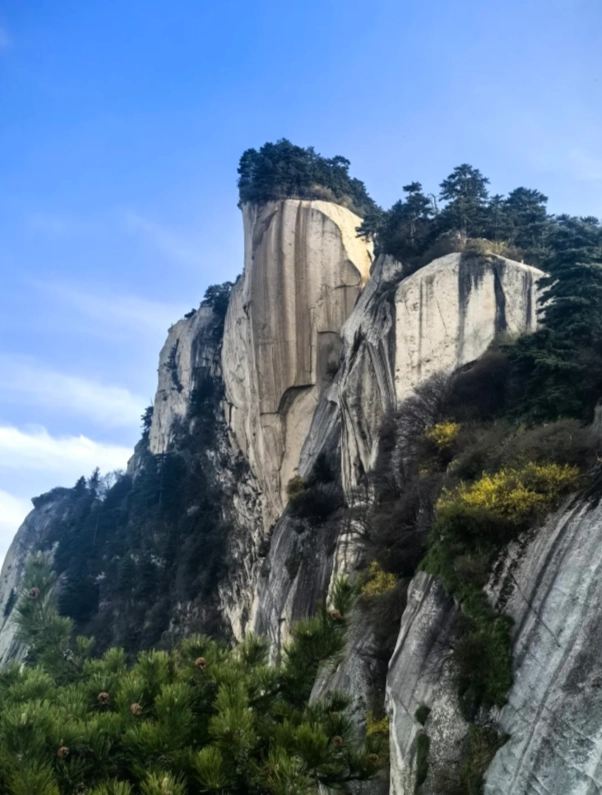
| Item | Peak Season (Mar-Nov) Price | Key Details |
|---|---|---|
| Scenic Area Entrance Ticket | 160 RMB | Mandatory. Valid for one entry. Student discounts available with ID. |
| North Peak Cable Car (One-way) | 80 RMB | Older, shorter ride. Takes you to the base of North Peak. Saves about 4-5 hours of brutal climbing. |
| West Peak Cable Car (One-way) | 140 RMB | Newer, spectacular 20-min ride up the cliff face. Saves 5-6 hours of climbing. My preferred ascent. |
| Tourist Bus (to cable car base) | 40 RMB (two segments) | You need this. The visitor center is miles from the cable car stations. Two separate bus rides (20 RMB each). |
| Plank Walk Safety Harness | 30 RMB | Cash only at the site. Non-negotiable fee for the harness and carabiner system. |
The biggest time-saver is taking a cable car up and down. A full徒步 (hike up and down) is for ultra-fit adventors and requires camping or starting at midnight. For 99% of visitors, a cable car at least one way is part of a sensible itinerary.
The Classic One-Day Itinerary (The Challenge)
This is intense. It's possible, but you'll be tired and will have to move with purpose. It skips some lesser sights. This assumes you take the West Peak Cable Car up and the North Peak Cable Car down—the most efficient loop.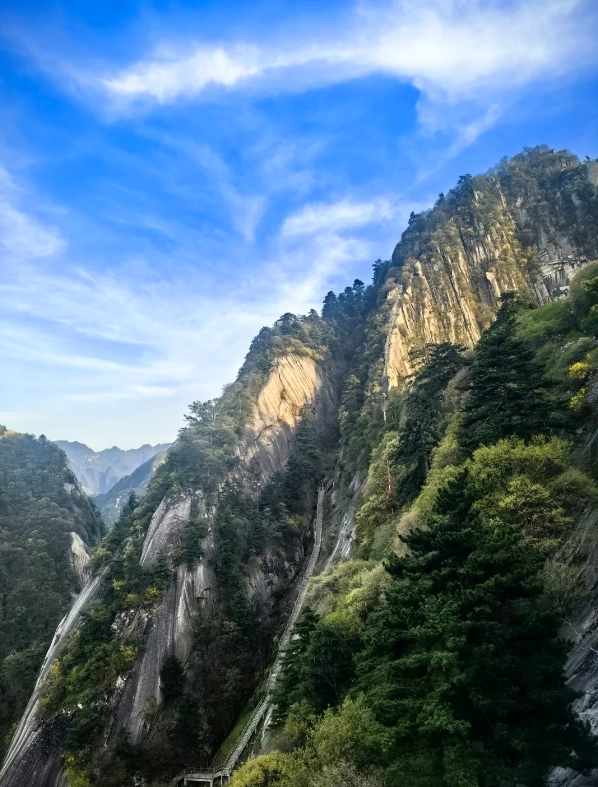
- 6:30 AM: Board high-speed train from Xi'an North to Huashan North.
- 7:30 AM: Arrive, take taxi to Visitor Center. Purchase all tickets (entrance + bus + cable cars).
- 8:30 AM: Board tourist bus to West Peak Cable Car base, then ride cable car up.
- 9:30 AM: Start hiking from West Peak. Explore West Peak summit (30 mins).
- 10:30 AM: Hike to South Peak (highest point). This takes about 1 hour.
- 12:00 PM: Do the Plank Walk at South Peak. Expect a 1.5-hour queue and activity.
- 2:00 PM: Hike to East Peak. Have a quick lunch (bring your own).
- 3:30 PM: Hike down to North Peak. This section is long and steep downhill.
- 5:00 PM: Take North Peak Cable Car down, then buses back to visitor center.
- 6:30 PM: Taxi to station for return train to Xi'an.
You see the crunch. Any delay—longer queues, slower hiking—pushes everything back. I felt rushed on this schedule.
The Two-Day Depth Itinerary (Recommended)
This is the itinerary I recommend. It lets you see the sunrise, enjoy the peaks without a marathon, and actually absorb the atmosphere. You stay overnight on the mountain.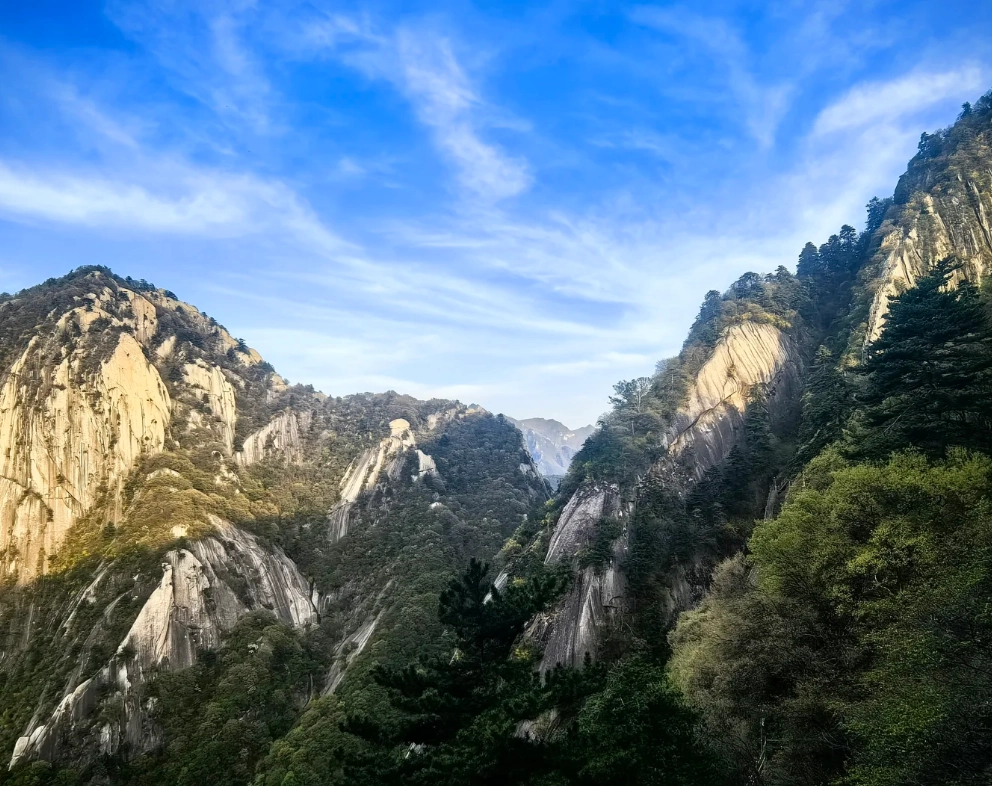
Day 1: Ascent and Sunset
Take a mid-morning train from Xi'an. No 6:30 AM panic. Use the West Peak Cable Car up. Spend the afternoon hiking from West Peak to South Peak for the Plank Walk, then over to East Peak. Check into a basic guesthouse near East Peak to sleep for sunrise. You have time to sit and watch the light change.
Day 2: Sunrise and Descent
Wake up before dawn (the guesthouse will tell you the time) and walk 10 minutes to the East Peak viewing platform for sunrise. It's cold, pack that layer. After sunrise, have a hot breakfast at the lodge, then leisurely hike to Central and North Peaks. Descend via the North Peak Cable Car in the early afternoon, catching a train back to Xi'an by dinner. This pace is humane and memorable.
Conquering the Plank Walk: A Step-by-Step Strategy
The Plank Walk is less "walking" and more "shuffling along iron rods bolted to a cliff." It's safer than it looks due to the harness, but it's psychological. Here's what nobody tells you: the queue is the worst part. You stand on a narrow, exposed staircase for over an hour, which can be more unnerving than the walk itself. Go as early as possible. The line triples by noon. They only let a certain number on at a time. You pay 30 RMB cash, get clipped into a cable, and go. It's one-way, so you go out and back on the same path, which causes traffic jams. Be patient. Don't bring a large backpack; there are lockers. Your phone must be on a wrist strap. The actual walk is about 30 minutes out and back if there's no queue on the planks themselves. The view is incredible, but the experience is about facing the exposure.
Where to Stay and Eat on the Mountain
If you do the two-day itinerary, you'll need a bed. Accommodation is Spartan. Don't expect luxury. The guesthouses near East Peak (like the Dongfeng Hotel) are the most popular for sunrise. A dorm bed costs between 100-150 RMB per person. A private room (bare bones, shared toilet) can be 400-600 RMB. They provide thick quilts. Book in advance during peak season through Chinese travel platforms like Ctrip. Food on the mountain is expensive and basic. A bowl of noodles costs 30-50 RMB. A bottle of water is 10-15 RMB. My strategy: bring energy bars, nuts, chocolate, and at least 2 liters of water from below. Buy one hot meal on the mountain for comfort.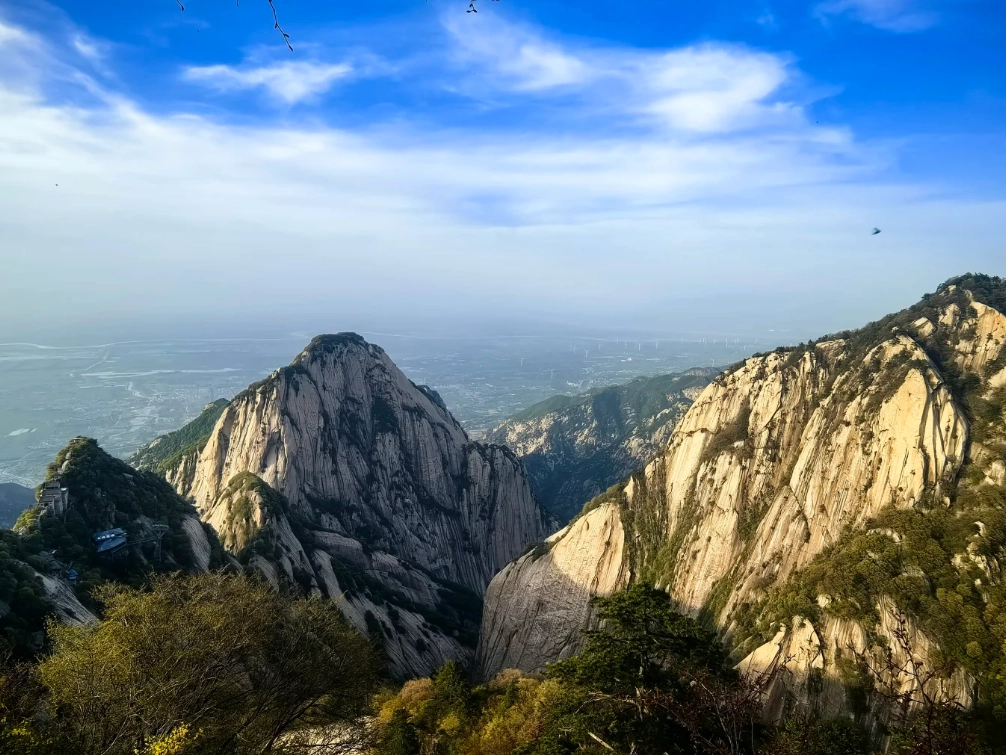
Packing Essentials Most People Forget
Good shoes are non-negotiable. Trail runners or hiking boots. Cotton gloves are a secret weapon—you'll be holding onto iron chains on steep stairs, and they protect your hands and improve grip. You can buy them for 2 RMB at the base. A headlamp if you're doing sunrise or hiking in dark hours. Layers. The summit is much colder, especially at dawn. A lightweight puffer jacket is perfect. Power bank for your phone. You'll be taking photos all day. Cash for the Plank Walk and small vendors. A plastic bag to take all your trash back down.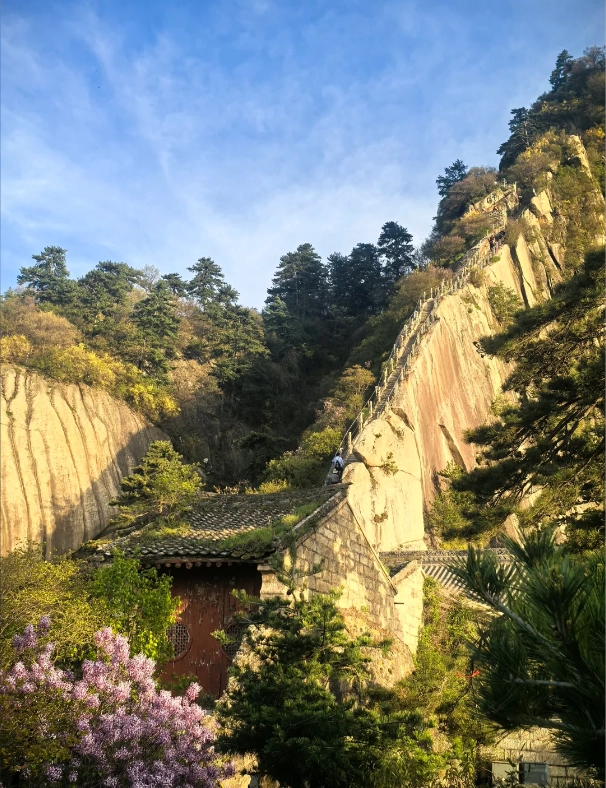
Your Mount Hua Questions Answered
Is one day enough for Mount Hua if I'm reasonably fit?
It's enough to see the highlights—the cable car views, one or two peaks, and the Plank Walk—but it will feel like a race. You'll spend more time managing logistics and queues than truly enjoying the scenery. If your goal is just to "tick the box" for the Plank Walk, one day works with military precision. If you want to experience the mountain's grandeur, two days is vastly superior.
Which peak is the most scenic?
The West Peak offers the most dramatic, classic "sheer granite peak" scenery, especially when approached by its cable car. The South Peak has the highest altitude bragging rights. But for a truly immersive view, the hike along the ridge from South Peak to East Peak provides the best panorama of the other peaks and deep valleys. Don't fixate on one; the connections between them are the real show.
How do I avoid the biggest crowds on my Mount Hua itinerary?
Avoid Chinese national holidays at all costs. Weekdays are better than weekends. The single most effective tactic is to stay overnight on the mountain. While day-trippers arrive en masse between 9 AM and 11 AM, you're already ahead of them. You get the Plank Walk with a slightly shorter queue in the late afternoon of Day 1, and you have the sunrise viewing platform to yourself (relatively) before the first cable cars bring the morning crowd up.
Is the hike too dangerous for someone with a fear of heights?
The paved paths between peaks are wide and have guardrails, though they are on cliffsides. You can enjoy much of the scenery without severe discomfort. However, the Plank Walk and the "Sky Ladder" near East Peak are pure exposure. You can skip them. Many people do. The cable cars, especially the West Peak one, are also very steep and transparent, which can trigger acrophobia. The North Peak cable car is slightly more enclosed and may be a better choice if heights are a major concern.
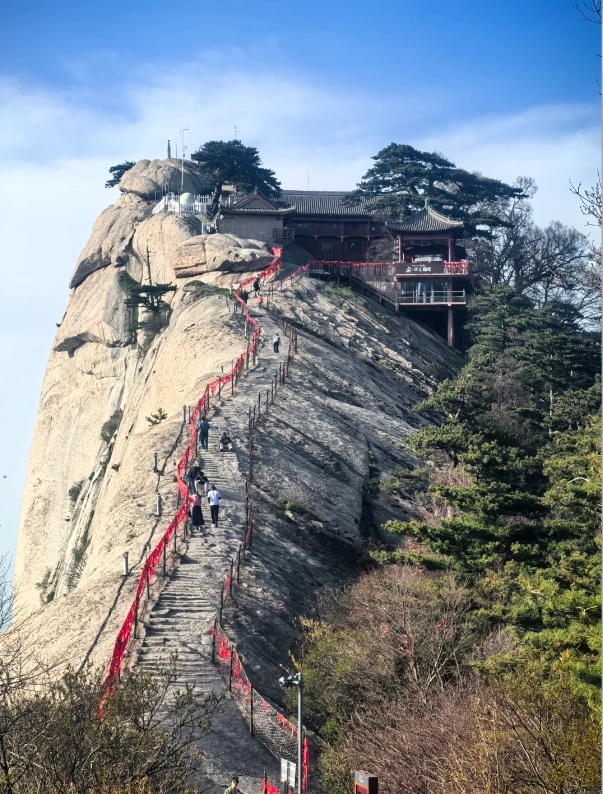 Planning your Mount Hua itinerary is part of the adventure. Respect the mountain's scale and challenge, pack your patience with your gloves, and you'll leave with stories far beyond just the photos. It's a physical test, but the reward is a raw, powerful landscape that feels genuinely earned.






No comments yet.