 Jian Zhao
Let's be honest. Walking into the Shaanxi History Museum in Xi'an can feel overwhelming. The building is massive, the halls are endless, and you're faced with thousands of artifacts spanning a million years. The classic tourist mistake? Trying to see everything. You'll end up exhausted, your feet will hurt, and you'll remember very little. After multiple visits, I've learned the secret isn't volume; it's focus. This guide cuts through the noise to show you exactly what to see in Shaanxi museum, focusing on the objects that tell the most powerful stories and the practical know-how to enjoy them.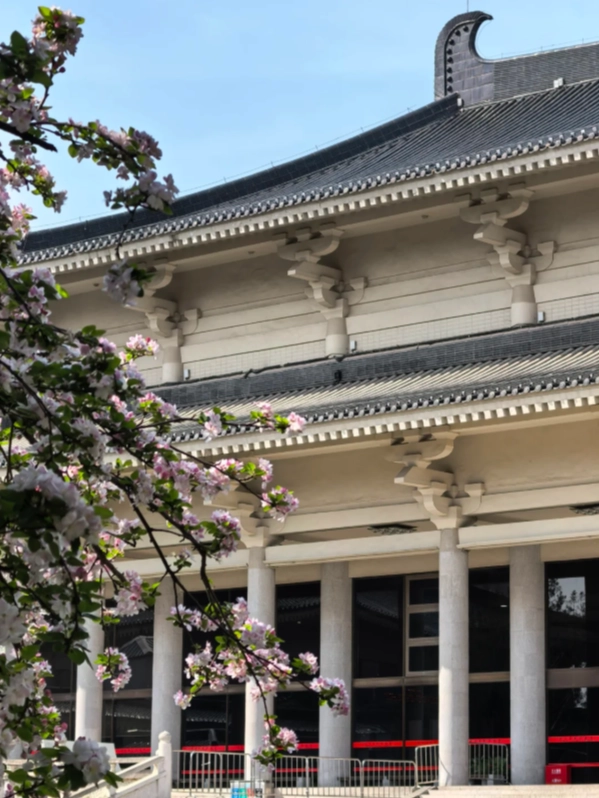
Your Quick Guide to the Museum's Treasures
Getting Your Bearings: Museum Basics First
Before we talk about artifacts, let's get the logistics out of the way. This isn't just bureaucratic detail; it's the difference between a smooth visit and a frustrating one.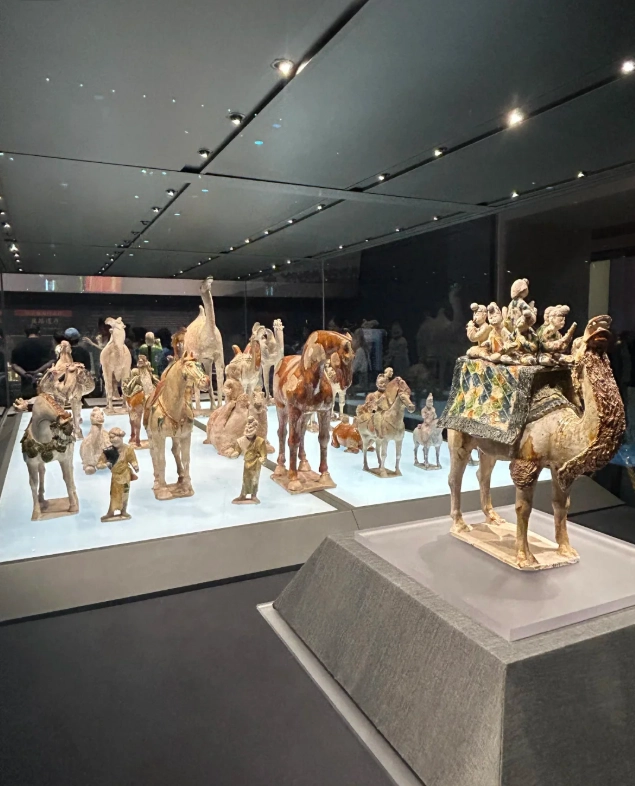
Shaanxi History Museum: The Essentials
Address: 91 Xiaozhai East Road, Yanta District, Xi'an. It's southwest of the Big Wild Goose Pagoda, not right in the city center.
Getting There: Take Metro Line 2 or 3 to Xiaozhai Station. From Exit D, it's a 10-minute walk north. A taxi will know it instantly—just say "Shǎnxī Lìshǐ Bówùguǎn".
Ticket Situation: This is critical. Basic entry is free, but you must book online in advance through the museum's official WeChat channel or website. They release tickets for specific time slots (like 9:00-10:30, 10:30-13:30, etc.), and they sell out days ahead, especially in peak season. If you miss the free tickets, you can buy a ticket for the "Treasure Gallery" (Tang Dynasty Murals Gallery) for around 300 RMB. This is expensive, but it grants you access to the entire museum and the incredible mural galleries, which are climate-controlled and have limited daily entry. On my last visit, I opted for this paid ticket to avoid the booking scramble, and it was worth it for the quieter experience alone.
Opening Hours: 9:00 AM to 5:30 PM (last entry at 4:00 PM). Closed on Mondays. The museum's own website and official social media pages are the most reliable sources for any last-minute changes.
Inside, the main exhibition is chronological, spread across three main galleries. You start with prehistoric times on the first floor, move to the glorious Qin and Han dynasties on the second, and finish with the Tang dynasty and beyond on the third. The paid "Treasure Gallery" and "Tang Dynasty Murals Gallery" are in a separate, secured wing.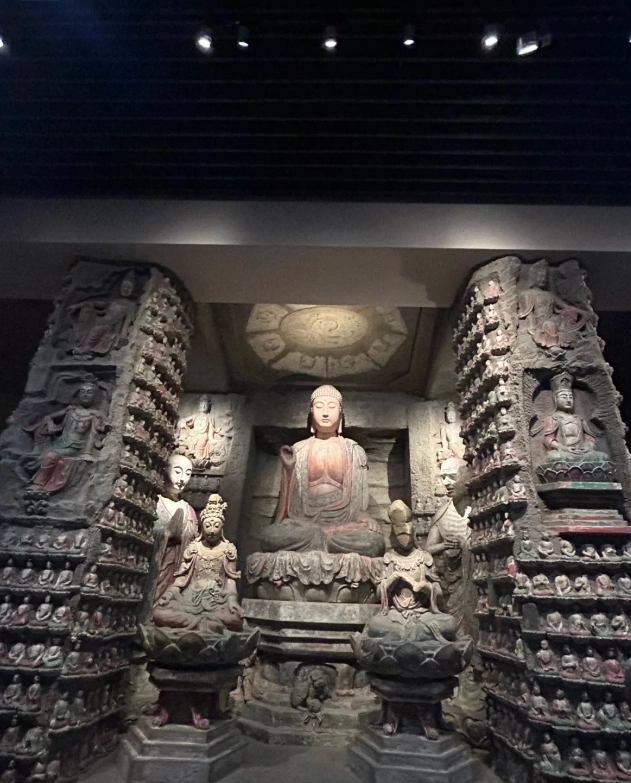
The Non-Negotiable Must-See Artifacts
Forget the vague guidebooks. Here are the specific objects you should hunt down. I've listed them in the order you'll likely encounter them.
First Floor: The Foundations
Don't rush through this floor. Look for the Neolithic Yangshao Culture pottery. What's fascinating isn't just the age, but the painted swirls and fish patterns—evidence of an aesthetic sense developing 7,000 years ago. It's humbling.
Second Floor: The Golden Age (Qin & Han)
This is where the museum truly shines.
- The Qin Dynasty Bronze Chariots and Horses (replicas): The originals are in the Emperor Qinshihuang's Mausoleum Site Museum (the Terracotta Army complex). These replicas are here for context. Look at the intricate detailing on the reins and wheels. It sets the stage for what's to come.
- The Han Dynasty Jade Burial Suits: Woven with gold or silver thread, these suits were meant to preserve the body for eternity. Standing before one, you feel the immense power and wealth of the Han aristocracy, and their profound obsession with the afterlife.
Third Floor & The Treasure Gallery: The Peak of Sophistication (Tang Dynasty)
This is the pay-off. The Tang Dynasty (618-907 AD) was a period of immense wealth and cultural exchange, and the artifacts scream opulence.
| Artifact Name | What It Is | Why It's a Must-See | Location |
|---|---|---|---|
| Gilded Silver Jar with Dancing Horses | A silver pot depicting horses dancing with ribbons in their mouths. | It illustrates a lost Tang court ceremony. The horses look joyful, a snapshot of extravagant palace life. | Treasure Gallery |
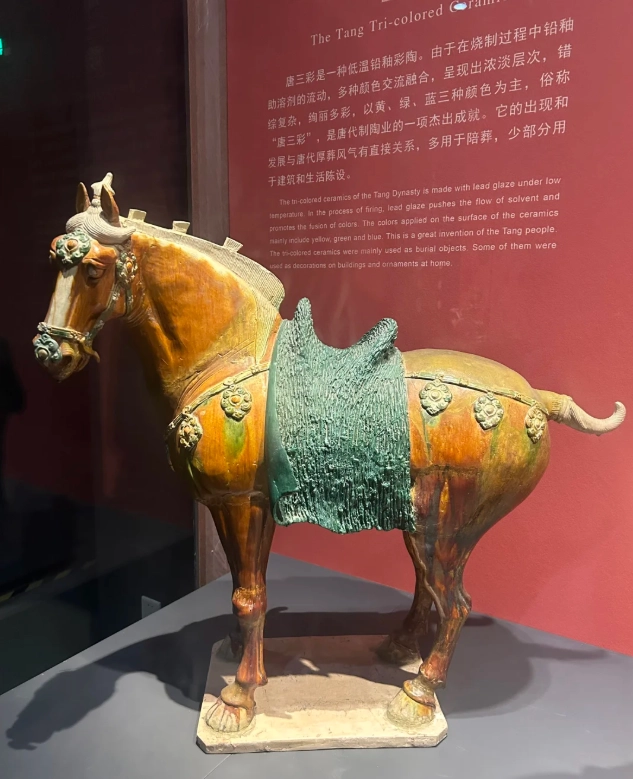
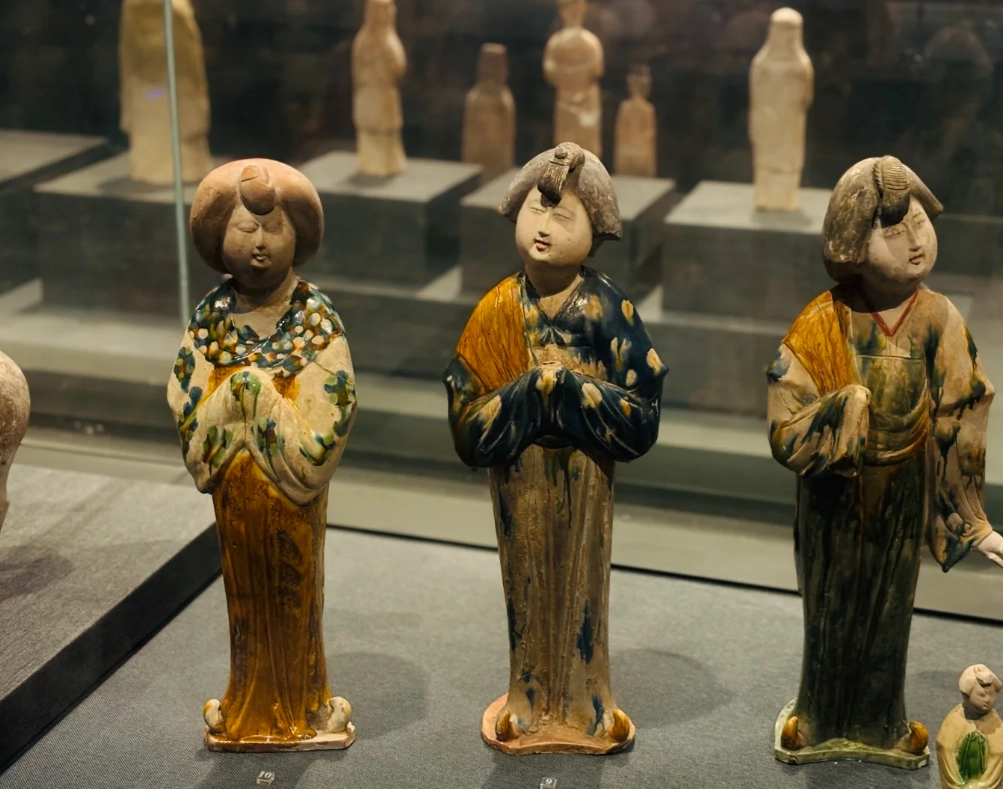
| Tang Tri-Color Glazed Ceramics (Sancai) | Figures of camels, horses, and court ladies. | The vibrant green, yellow, and brown glazes are iconic. Look for the famous "Camel Carrying Musicians"—a mobile party on a camel's back. | Third Floor Main Hall |
| Gold and Silverware from the Hejiacun Hoard | A collection of cups, boxes, and plates. | The sheer density of gold. These items were meant for daily use by the ultra-wealthy, showing a level of luxury that's hard to fathom. | Treasure Gallery |
| Tang Dynasty Murals | Original tomb wall paintings. | This is the museum's crown jewel. You see court ladies playing polo, envoys from Persia, and mythical beasts. The colors and lines feel incredibly fresh. Photography is strictly prohibited here to protect the pigments. | Tang Dynasty Murals Gallery (Paid Entry) |
A word on the Treasure Gallery artifacts: the star is undoubtedly the Gilded Silver Jar with Dancing Horses. But don't miss the smaller items, like the exquisite gold boxes for storing cosmetics. They reveal a personal, intimate side of history.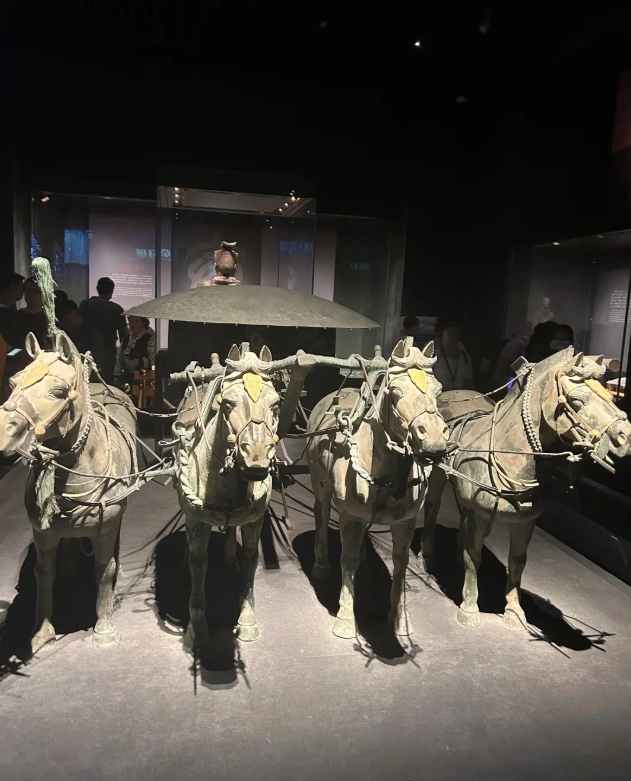
My Visit Strategy: How to Beat the Crowds
Everyone says "go early." That's good advice, but incomplete. Based on getting it wrong a few times, here's my refined strategy.
Book the first time slot (9:00-10:30) and head straight to the third-floor Treasure Gallery first. Why? Most tour groups follow the chronological order, starting on the first floor. By reversing the route, you get 45 minutes of relative peace with the museum's finest pieces. I did this, and had the Gilded Silver Jar almost to myself for a few minutes.
By 10:30 AM, the main halls get packed. That's your cue to descend to the second floor for the Han and Qin artifacts. The first-floor prehistoric section is often less crowded throughout the day, so you can save that for later when your energy dips.
Wear comfortable shoes—the floors are hard stone. Bring a bottle of water, though there are shops inside. The museum café is okay for a quick rest, but don't expect gourmet food.
Beyond the Main Halls: Galleries You Might Miss
Most visitors stick to the central axis. Two areas often overlooked are the Shaanxi Intangible Cultural Heritage Gallery and the temporary exhibition halls on the upper floors. The Intangible Heritage Gallery showcases shadow puppetry, paper-cuts, and folk arts. It's a vibrant, colorful contrast to the ancient bronzes and feels more alive. Check the lobby screen for temporary exhibitions; they often feature loaned artifacts from other provinces or countries and can be spectacular.
Other Museums in Shaanxi Worth Your Time
If "what to see in Shaanxi museum" has you thinking more broadly, the province has other world-class institutions. The Shaanxi History Museum is the general overview. These are the deep dives.
- The Emperor Qinshihuang's Mausoleum Site Museum (The Terracotta Army): Obviously. It's in Lintong, about an hour from Xi'an. It's a separate, full-day trip. The scale is incomprehensible until you stand in Pit 1. Book a guide there; the context is everything.
- Xi'an Beilin Museum (Forest of Stone Steles): This is for the calligraphy and history buffs. It houses thousands of ancient stone tablets, including the Nestorian Stele and the "Classic of Filial Piety" carved by Emperor Xuanzong. The atmosphere is scholarly and serene, a world away from the crowds at the history museum.
- Xi'an Museum: Located near the Small Wild Goose Pagoda, it focuses more on the history of Xi'an city itself. It's smaller, more manageable, and has a beautiful garden setting.
You can't do all of these in one day. I'd recommend one major museum per day to avoid "museum fatigue."
Questions Other Visitors Always Ask
Is it better to get the free ticket or pay for the Treasure Gallery ticket?
How much time do I realistically need at the Shaanxi History Museum?
Are there good English explanations?
What's the one thing most visitors regret not knowing beforehand?
Can I take photos inside the museum?
 The Shaanxi History Museum isn't just a building full of old things. It's the material story of a region that was the heart of Chinese civilization for over a millennium. Don't try to conquer it. Pick your battles—focus on the Qin gold, the Han jade, the Tang silver and murals. Go with a plan for tickets and timing, wear good shoes, and let yourself be amazed by the artistry of a world that existed long before ours. That's what makes a visit truly worthwhile.





No comments yet.