 Hong Ma
Let's get this out of the way first: camping in Taibai Mountain National Forest Park isn't your average backyard tent experience. It's raw, it's breathtaking, and it demands respect. The air is thinner, the stars are sharper, and the silence has a weight to it you won't find anywhere else in Shaanxi. I've pitched my tent on its slopes multiple times, from the easier lower campsites to the breathless zones near the summit, and each trip taught me something new—usually the hard way. This guide isn't a list of generic facts. It's the stuff I wish I'd known before my first overnight hike there: where you can actually camp, what the rangers really care about, and how to avoid the mistakes that can turn an adventure into a ordeal.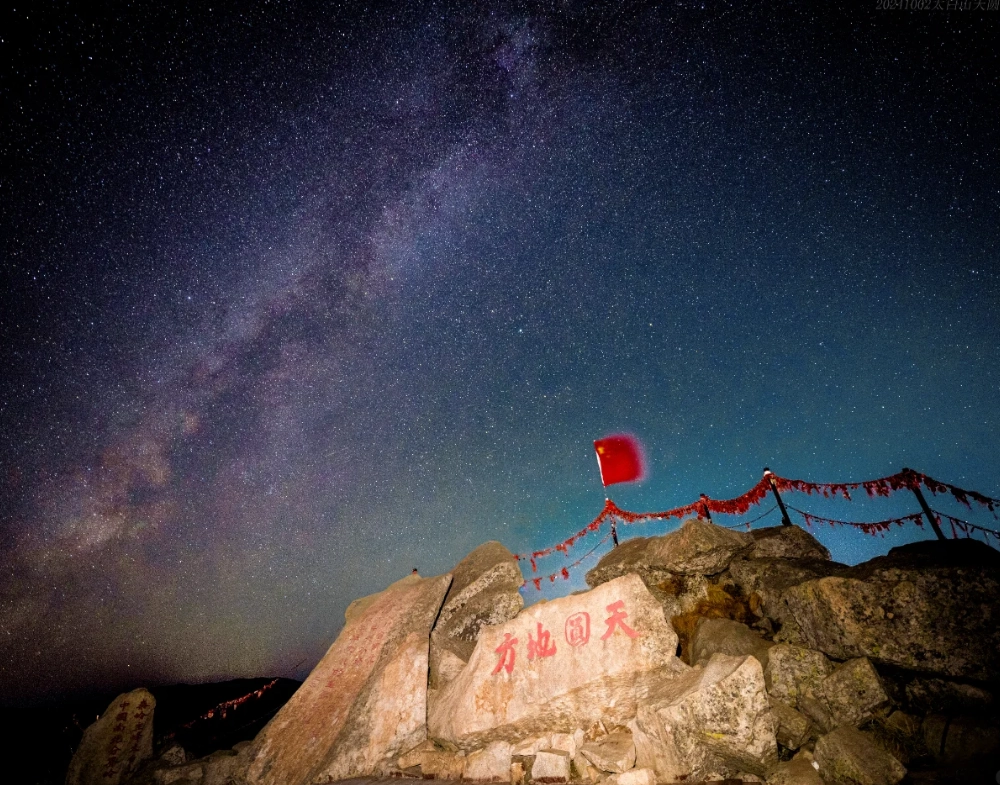
What's Inside This Guide
Where You Can (and Cannot) Pitch Your Tent
This is the most important rule: you cannot wild camp anywhere you like. The park management strictly designates specific camping areas to protect the fragile alpine ecosystem. Ignoring this isn't just frowned upon; it can get you fined and escorted out. Based on my visits and conversations with park staff, here are your main options.
Key Insight from Experience
Many first-timers assume the vast forest means free camping. The rangers at the entrance and patrols on the main trails are vigilant. I've seen groups turned around because they planned to "find a spot" off-trail. Book your designated spot in advance, especially during peak season (July-September).
Official Designated Campsites
These are managed areas, often with basic facilities. They're your safest and most convenient bet.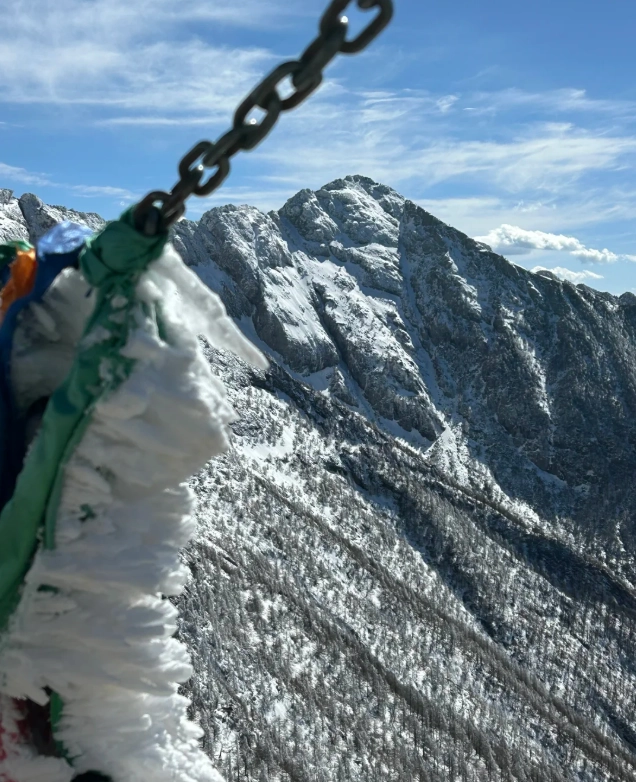
| Campsite Name | Approx. Altitude | Key Features & Notes | Best For |
|---|---|---|---|
| Fangyang Temple Area | 2,800 m | Near the upper cable car terminus. Has a small lodge nearby for supplies. Ground can be rocky—bring a good sleeping pad. Water source available (treat before drinking). | Hikers taking the cable car up, first-night acclimatization. |
| Upper Baxian Terrace | 3,200 m | A classic stop on the hiking route. Spectacular sunset views. Very exposed to wind. No facilities; you must carry in all water and carry out all waste. | Experienced backpackers aiming for the summit the next day. |
| Near the Small Heaven Lake | 3,500 m | This is a high-altitude zone. The air is thin, and nights are bitterly cold even in summer. The site is flat but sparse. Rangers sometimes restrict access here if weather is poor. | Serious mountaineers with proper cold-weather gear. |
The "Basecamp" Alternative: Tangyu Town
If you're not ready for full wilderness camping, the town of Tangyu at the park entrance is a perfect compromise. Several local guesthouses offer simple rooms or allow you to set up your tent in their courtyards for a small fee. You get a roof nearby, access to hot meals and showers, and can still do long day hikes into the park. Mrs. Zhang's Homestay is a reliable choice—her family has been there for decades and knows the mountain trails intimately.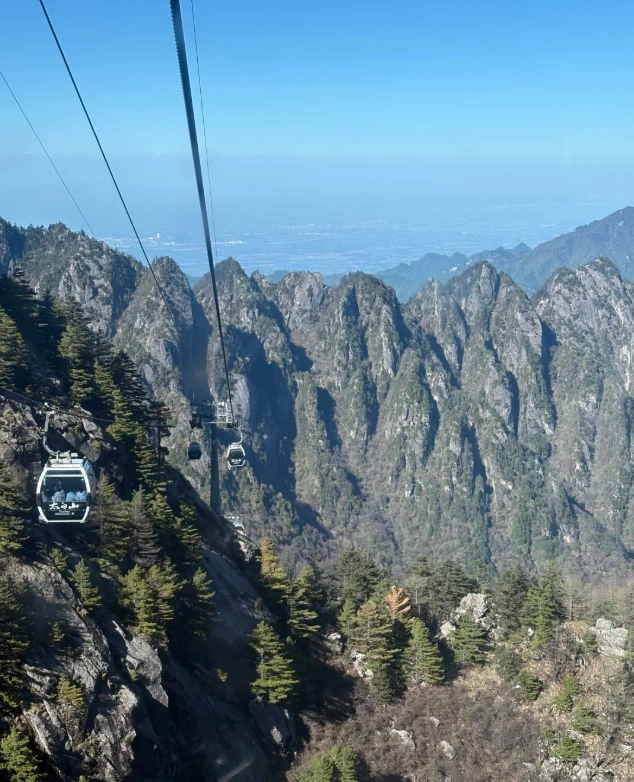
Planning Your Trip: Permits, Fees, and Timing
You need two things: a park entrance ticket and a camping permit. The entrance ticket is bought at the gate. The camping permit is trickier—it's often arranged through the lodge or guiding service associated with your chosen campsite. You can't just show up and get one independently as a foreign traveler in most cases.
- Park Entrance Fee: Around 100 RMB (subject to change). Covers basic park access.
- Camping Permit/Fee: Varies by site, typically 30-80 RMB per person per night. This is usually bundled if you book through a local agent.
- Best Time to Camp: July to early October. Outside this window, snow closes the high trails. Even in August, I've encountered frost on my tent at Upper Baxian Terrace. September is golden—fewer crowds, stable weather, and fewer bugs.
- Worst Time: The rainy season in late spring/early summer. Trails become slippery mudslides, and leeches can be an unpleasant surprise in the forested sections.
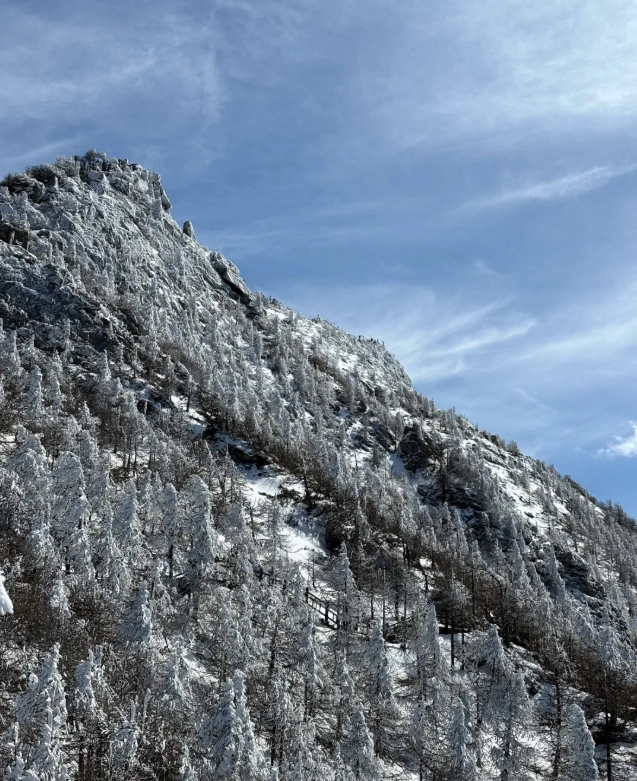
Getting There and Park Logistics
The park entrance is near Tangyu Town in Mei County, Baoji City. There's no direct train. The standard route is a high-speed train to Xi'an, then a long-distance bus from Xi'an's bus stations (like the Shaanxi Provincial Stadium station) directly to Taibai Mountain Tourist Center. The journey takes about 3-4 hours from Xi'an.
Once at the tourist center, you have choices:
The Tourist Route: Buy a combo ticket for the park shuttle bus and the cable car. The bus winds up the mountain, and the cable car takes you to near Fangyang Temple. This is the fastest way to reach higher altitudes with heavy gear.
The Hiker's Route: From the tourist center, shuttle buses can drop you at trailheads like the one for "Haopingsi." This is where the real climbing begins. You'll hike past waterfalls and ancient trees to reach the higher campsites over 6-8 hours.
What to Pack: The Non-Negotiable Gear List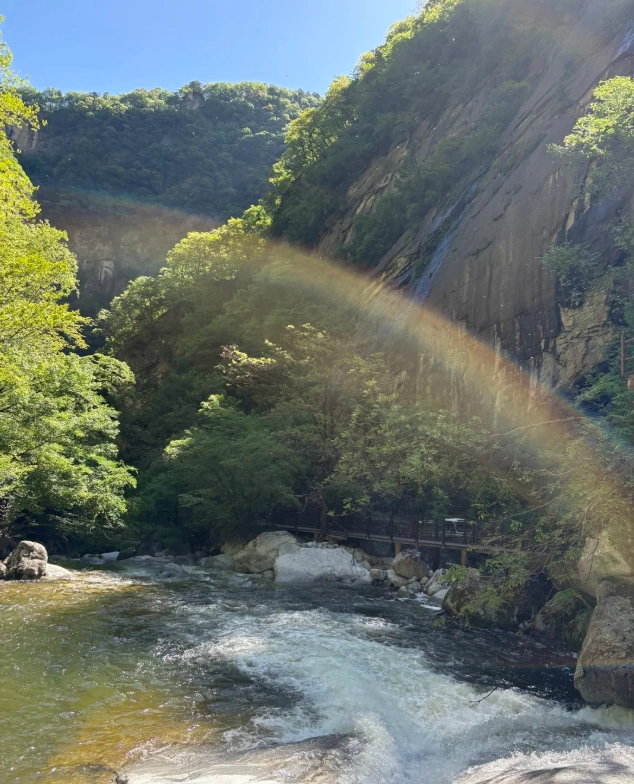
Forgetting something here isn't an inconvenience; it's a safety issue. Temperatures can swing from 25°C (77°F) during the day to 0°C (32°F) or below at night at altitude.
Shelter and Sleep System
- A 3-season tent: With a robust rainfly and good ventilation. Condensation is a major issue in the humid valleys.
- Sleeping bag rated to -5°C (23°F) or lower: A summer bag will leave you shivering.
- Insulated sleeping pad (R-value >3): The ground is cold and often uneven.
Clothing
- Layering is everything: Moisture-wicking base layer, insulating mid-layer (fleece or down), waterproof and windproof outer shell.
- Sturdy, broken-in hiking boots. No exceptions.
- Warm hat and gloves. Even in summer.
Food, Water, and Cooking
- High-calorie, low-weight food: Nuts, energy bars, instant noodles, dehydrated meals.
- Water filter or purification tablets. Stream water looks clean but needs treatment.
- Portable stove and fuel. Open fires are strictly prohibited.
- Thermos for hot water. A morale-saver at night.
Essential Extras
- Headlamp with extra batteries. It gets truly dark.
- Detailed map and compass/GPS. Trail markers can be sparse in fog.
- First-aid kit with blister care.
- All trash bags. You must carry out every scrap, including toilet paper.
The On-the-Ground Camping Experience
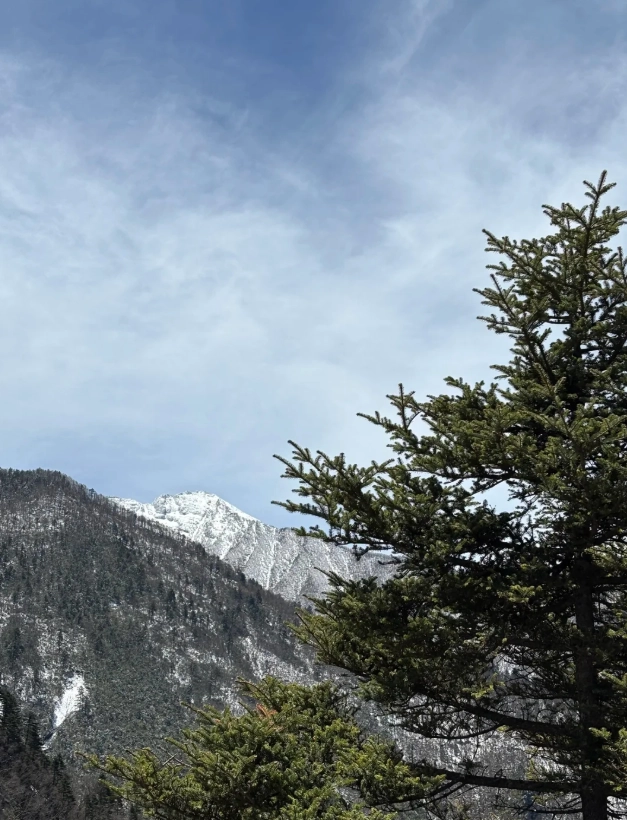
Setting up at Fangyang Temple feels communal. You'll see other tents, and there's a buzz of tired but excited hikers. At Upper Baxian Terrace, it's solitude. The wind whips across the stone terrace, and the only sounds are the clinking of your stove and the distant rush of air. Sunrise from here, watching the light creep across the "sea of peaks," is worth every arduous step.
One subtle thing most guides miss: the afternoon cloud roll. Around 3-4 PM, clouds often surge up from the valleys, enveloping campsites in thick, cool mist. It's beautiful but can disorient you if you're still hiking. Always aim to be at your campsite and have your tent secured well before this daily phenomenon.
Resupply is limited. The small shops at the cable car stations sell water and snacks at a premium. The lodge at Fangyang Temple might have instant noodles and hot water. That's it. Self-sufficiency is key.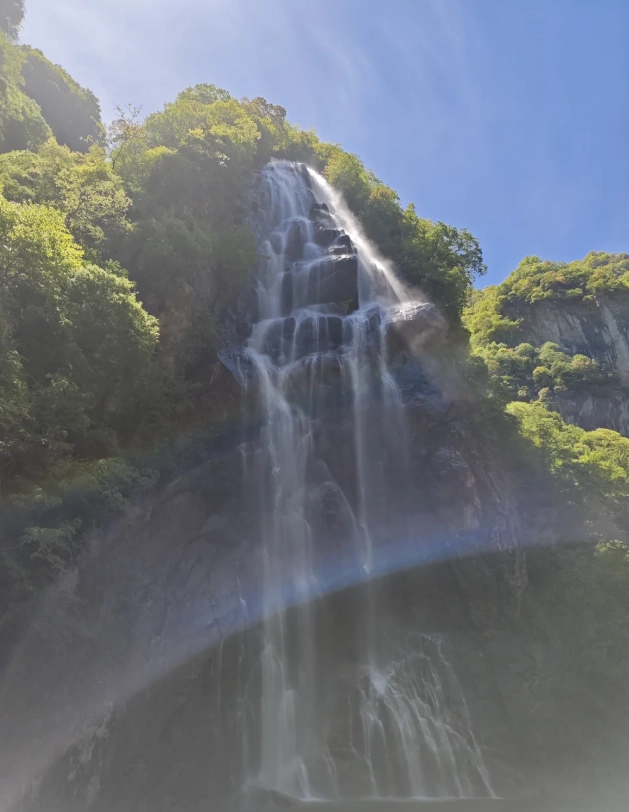
Common Questions Answered
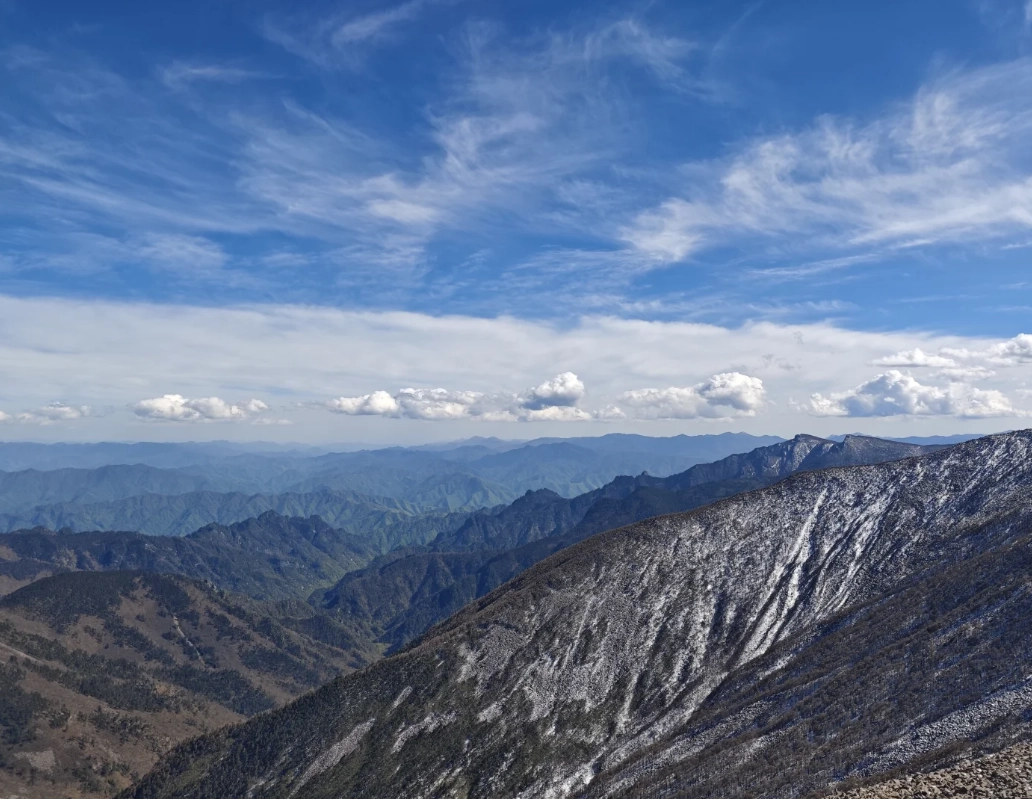 Camping in Taibai Mountain strips away the comforts and confronts you with the mountain's raw scale. It's challenging, occasionally uncomfortable, but profoundly rewarding. The memory of brewing morning tea as the first sun hits the peak named after Li Bai, the Tang poet, is a kind of peace you carry home. Do your homework, pack thoughtfully, respect the rules, and the mountain will reward you with an experience that goes far beyond a simple night in a tent.
This guide is based on multiple personal visits and information from the Taibai Mountain National Forest Park management office. Details like fees and bus schedules should be verified before your trip as they can change.





No comments yet.