 Hong Ma
What You'll Find Inside
Let's cut straight to the point. You're searching for an answer because part of you is intrigued by the photos of sheer cliffs and plank paths, and another part is terrified by the label "world's most dangerous hike." I stood at the trailhead with that same mix of excitement and dread. After spending two full days on the mountain, hiking every main peak and subjecting myself to the infamous plank walk, I can give you a definitive, nuanced answer.
Is Huashan worth it? For the right person, absolutely. It's a profound physical and mental challenge set against some of the most dramatic geology in China. For others, it's a costly, crowded, and exhausting mistake. This guide won't sell you a postcard fantasy. I'll walk you through the sweat, the crowds, the sublime moments, and the logistical headaches so you can decide if this mountain is for you.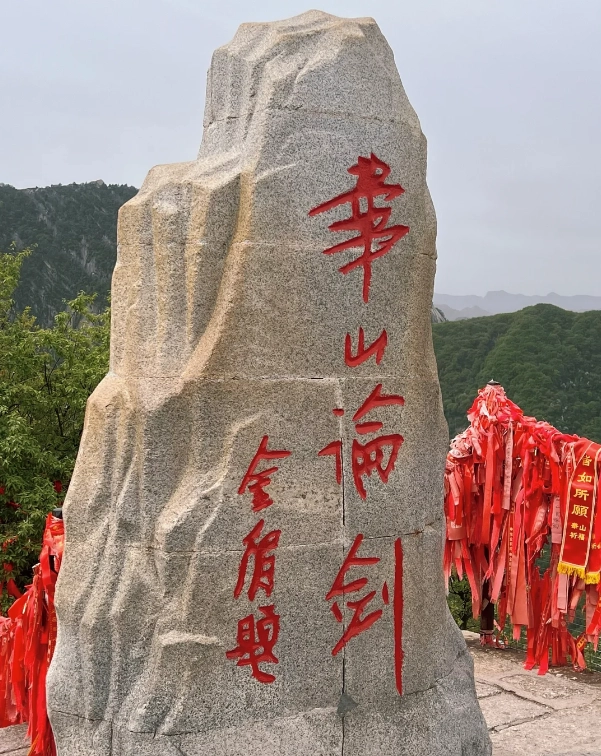
The Unvarnished Truth About Climbing Huashan
Most articles glorify the view and skim over the effort. I won't. The first thing you need to understand is the scale of the undertaking. Huashan isn't a stroll. It's a vertical city of granite.
My own hike began before sunrise via the traditional Pilgrim's Path. The initial stretch is a relentless, stone-stepped staircase that seems to have no end. You're not walking; you're climbing a 45-degree ladder for hours. Your quads burn, your lungs scream, and you'll pass people sitting on steps, questioning their life choices. This isn't a negative—it's the price of admission. The sense of accomplishment when you finally crest North Peak is real and earned.
The second truth is the crowd. Unless you go in deep winter on a weekday, you will share the narrow paths with hundreds, sometimes thousands, of others. The famous "sky ladders" near East Peak become bottlenecks. I waited 40 minutes for a 5-minute climb. The camaraderie is fun, but the constant stop-and-go can break your hiking rhythm.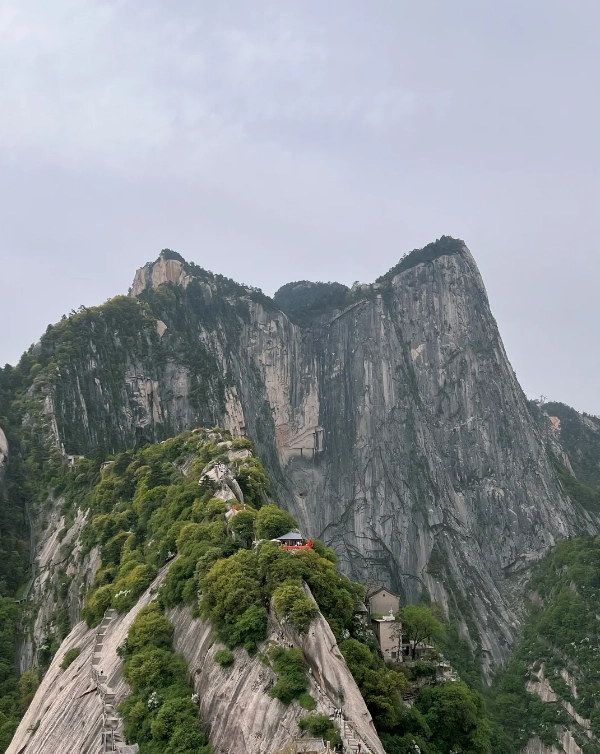
The Reality Check: If your ideal hike is solitary communion with nature, Huashan will frustrate you. This is a social, almost communal, endurance event. The value comes from the shared struggle and the engineering marvel of the paths themselves, clinging to a cliff face where no path should logically exist.
What Actually Makes Huashan Special (Beyond the Hype)
So why do people put themselves through this? Because when Huashan delivers, it's unforgettable. It's not one thing, but a collection of unique experiences.
The Plank Walk at Changkong Zhandao
This is the headline act. It's a series of wooden planks bolted into a vertical cliff face, 2,000 meters above the ground. You're clipped into a safety cable, but there's nothing between you and the valley floor. The photos don't do justice to the exposure. Your mind knows you're safe, but every primal instinct screams otherwise. The walk is short, maybe 100 meters total, but the psychological intensity is immense. It's less a hike and more a personal audit of your courage. Is it overhyped? Maybe. But completing it gives you a story for life.
The Sunrise from East Peak
This is the other classic Huashan experience. Hundreds spend the night in basic hostels or even in rented military coats on the cold ground to witness it. I was skeptical—how good can a sunrise be? Wrapped in every layer I owned, shivering at 5 AM, I watched the first light spill over a seemingly infinite range of jagged peaks, painting them gold and pink. The sea of clouds below made the mountain islands look like they were floating. In that moment, every aching muscle was forgotten. It's a visual reward that perfectly balances the physical toll.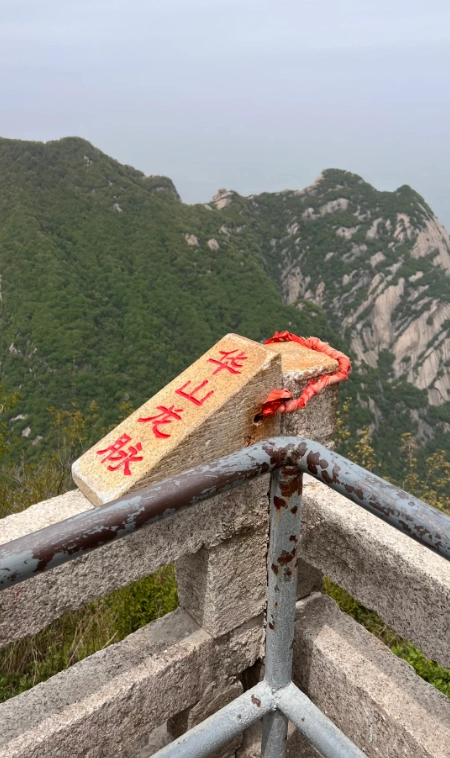
The Unreal Geology
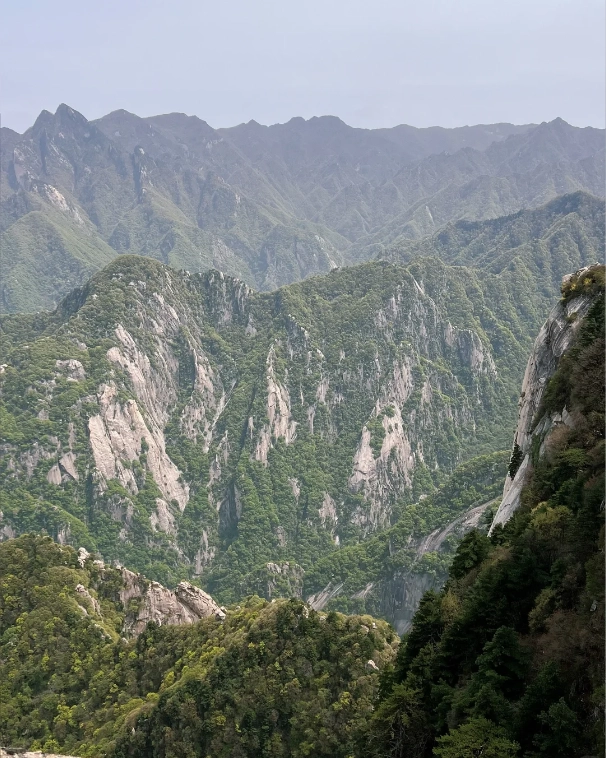
This is what many miss. Huashan isn't just tall; it's sharp. The granite peaks look like they were thrust directly out of the earth by a giant. The ridges are knife-edged. Walking from North Peak to West Peak, you traverse ridges so narrow you can touch both sides. The landscape feels ancient and raw, a powerful reminder of the planet's forces. It's this unique topography, not just the height, that defines the Huashan experience.
How to Actually Plan Your Huashan Trip
Success on Huashan is 90% planning. Wing it, and you'll have a miserable time. Here’s the actionable data you need, compiled from my trip and local advice.
| Essential Information | Details |
|---|---|
| Location & Address | Huashan Scenic Area, Huayin City, Weinan, Shaanxi Province. The main entrance/gate is clearly signposted from Huayin. |
| Peak Season Ticket Price | Approximately 180 CNY for the park entrance (prices can fluctuate slightly). Cable cars are separate (see below). |
| Standard Opening Hours | The mountain is open 24 hours for hikers. Cable car operating hours are typically 7:00 AM - 7:00 PM (last descent), but vary by season. The tourist center/bus area operates from early morning. |
| Getting There from Xi'an | High-Speed Train: The best option. 30-40 minutes from Xi'an North Station to Huashan North Station. From there, a free shuttle or cheap taxi to the visitor center. Tourist Bus: Direct buses from Xi'an火车站广场 (train station square). Takes about 2 hours. |
| Cable Car Options | North Peak Cableway: Shorter, connects to the traditional hiking route base. About 80 CNY one-way. West Peak Cableway: More spectacular, drops you at a higher elevation near West Peak. About 140 CNY one-way. Saves significant climbing. |
Choosing Your Route: A Decision Tree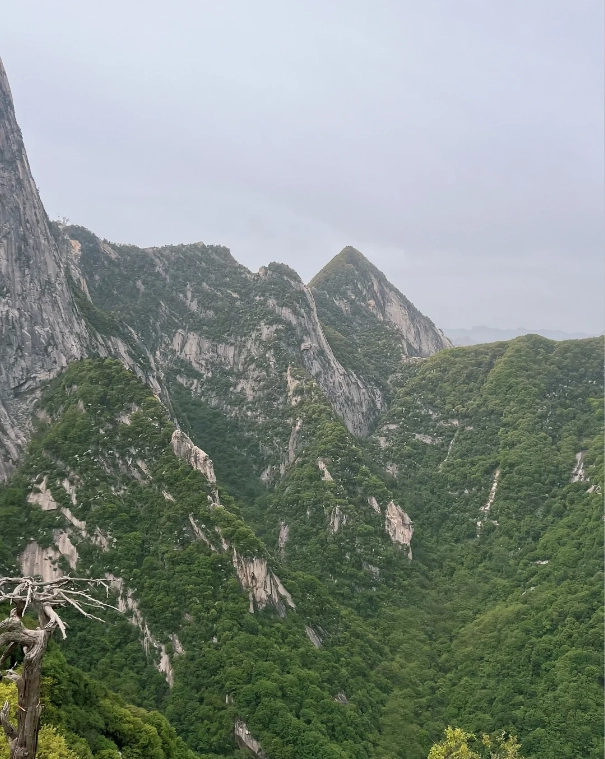
Your choice here defines your entire experience.
The Classic & Hardcore Hike: Enter at the Visitor Center, take the park bus to the Jade Spring Temple, and ascend via the Pilgrim's Path to North Peak. This is the full, historic, leg-destroying climb. Allow 4-6 hours uphill. Best for purists seeking the full achievement.
The Scenic & Efficient Loop: Take the park bus to the West Peak Cableway station. Ascend via the West Peak Cable Car. Explore South, East, and Central Peaks on foot (relatively flat ridge walks), then descend via the North Peak Cableway. This covers all highlights with moderate walking. Ideal for most visitors with limited time or fitness.
The Sunrise Mission: Hike up or take the last North Peak cable car in the afternoon. Stay overnight at one of the basic hotels on East Peak (book ahead!). Wake up for sunrise, explore the other peaks, and descend at leisure. This avoids the brutal pre-dawn hike.
I did the Classic Hike up and the West Peak Cable down. The descent via cable car was a welcome relief and offered a stunning aerial perspective of the terrain I'd just conquered.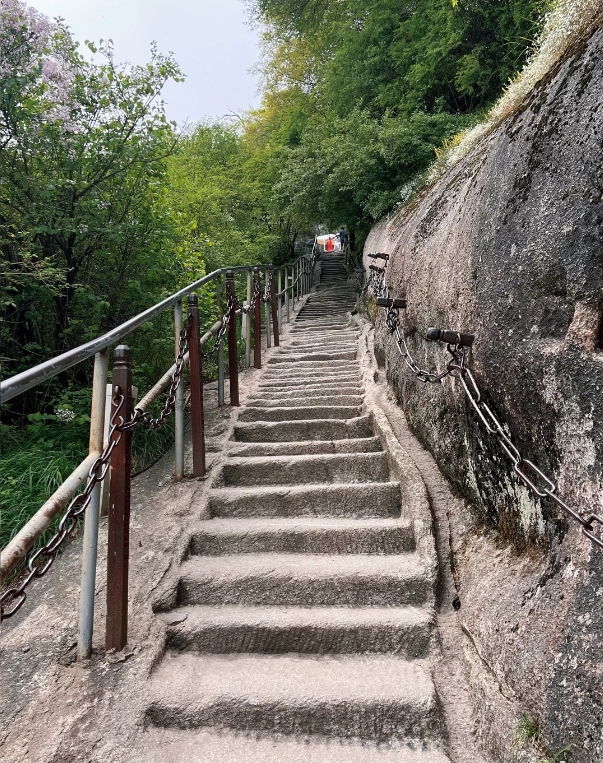
Is Huashan Mountain Dangerous?
This is the elephant in the room. The short answer is: it's safe if you're sensible. The long answer is more interesting.
The danger is managed, not eliminated. All the exposed sections—the plank walk, the sky ladders—have mandatory safety harness systems. You rent a harness, clip onto a steel cable, and you are physically attached to the mountain. The real risks are more mundane and entirely within your control:
Overexertion and Fatigue: This is the number one cause of problems. People underestimate the climb, don't bring enough water, and push themselves too hard. Heart rates soar on those steep steps. Pace yourself. Take breaks.
Weather: A sunny path becomes treacherously slippery in the rain. The stone steps are worn smooth. Good hiking shoes with grip are non-negotiable. I saw people in flip-flops, which is sheer madness.
Crowds and Impatience: The danger comes from people trying to squeeze past on narrow paths or not waiting their turn at bottlenecks. Don't be that person. Patience is a safety tool here.
The safety infrastructure is robust precisely because the terrain is inherently hazardous. Respect the mountain, use the provided gear, and your risk is very low. The perceived danger is part of the thrill.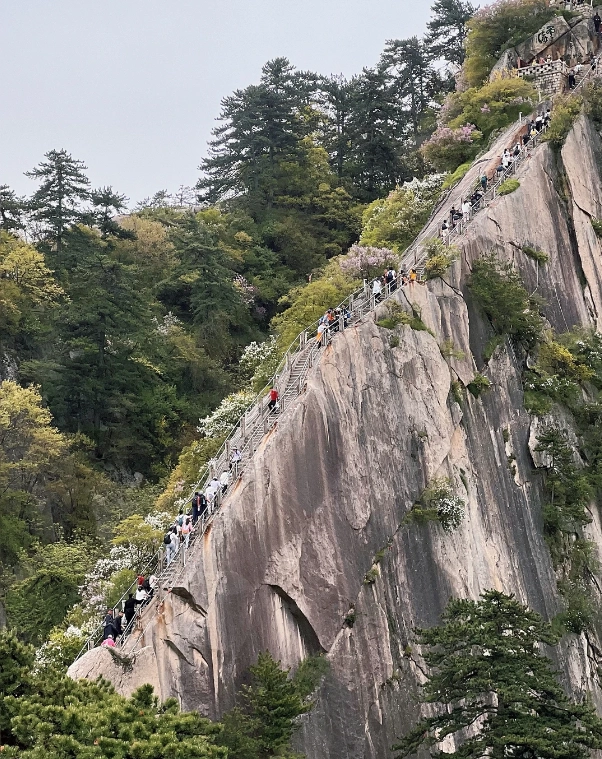
Who Should Probably Skip Huashan
Huashan isn't for everyone, and that's okay. Be honest with yourself.
Skip it if you have a severe fear of heights. The plank walk and cable cars will be torture, not fun. There's no shame in this.
Skip it if you have serious knee, heart, or respiratory issues. The climb is a sustained cardiovascular stress test. The cable cars mitigate this, but there's still significant walking at altitude.
Skip it if you're on a very tight budget. Between transport from Xi'an, the entrance fee, cable cars (almost essential for a good experience), food, and possibly lodging, the costs add up quickly. It's a premium-priced attraction.
Skip it if you demand pristine solitude. You will be in a queue. You will hear chatter constantly. The mountain is a shared public space.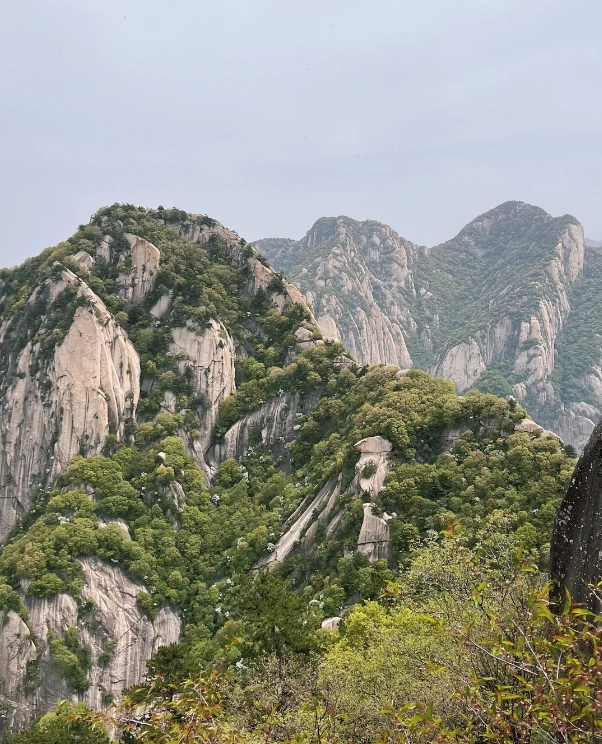
Your Burning Questions, Answered
 The final verdict? Huashan is worth it as a deliberate challenge, not as a casual sightseeing stop. Its value is directly proportional to your preparation and mindset. Go for the physical test, the surreal landscapes, and the unique adrenaline of the cliff walks. If that appeals to you, you'll find the effort, cost, and crowds are a fair trade for an experience that sticks with you long after your muscles recover. If that sounds like hell, there are plenty of other beautiful, less demanding mountains in China. Huashan makes you earn its beauty—and for many, that's the whole point.
This account is based on my personal experience on the mountain. Key logistical information has been cross-referenced with the official Huashan Scenic Area announcements for accuracy.






No comments yet.