 Peng Gao
Let's be honest. When you think of ancient Chinese bronzes, your mind probably jumps to the National Museum in Beijing or the Shanghai Museum. But walking into the Baoji Bronze Ware Museum, you quickly realize you've been looking in the wrong place. This city, often called the "Hometown of Bronze," was the political and ritual heartland of the Western Zhou Dynasty. The museum isn't just a collection of old objects; it's the primary source, the ground zero for understanding how bronze shaped early Chinese civilization. I spent a full day there, and the sheer density of masterpieces—vessels so intricate you lose track of time staring at them—is overwhelming in the best way. Forget the crowded mega-museums. This is where the story truly begins.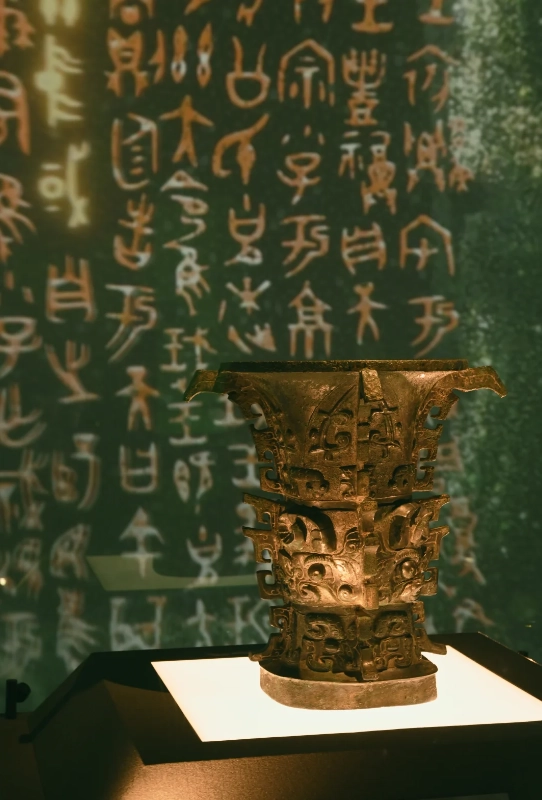
Quick Navigation
Planning Your Visit to Baoji Bronze Ware Museum
First things first. The museum is modern, spacious, and surprisingly manageable. You won't fight through tour groups like you might in Xi'an. Here's the actionable info you need to plan your trip.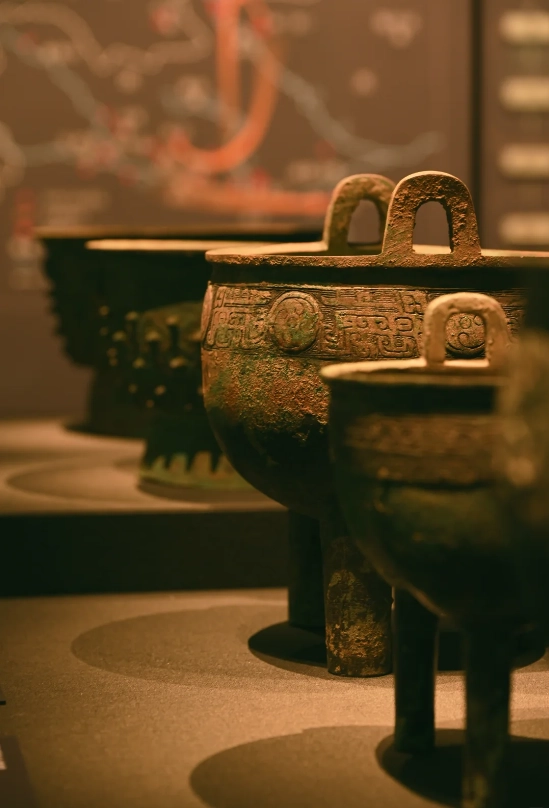
Essential Visit Information
Address: 中华石鼓园 (Zhonghua Shigu Yuan), Baoji, Shaanxi Province. It's located within the scenic Chinese Stone Drum Garden park complex.
Ticket Price: Free entry. You need to book your visit in advance through their official WeChat channel or at the entrance kiosk. Bring your passport for registration.
Opening Hours: 9:00 AM – 5:00 PM (Last entry at 4:00 PM). Closed on Mondays, except national holidays.
Recommended Visit Duration: A minimum of 2.5 to 3 hours. If you're a serious history buff, plan for 4+ hours. The lighting is deliberately low to protect the artifacts, so give your eyes time to adjust.
Getting There: Your Transport Options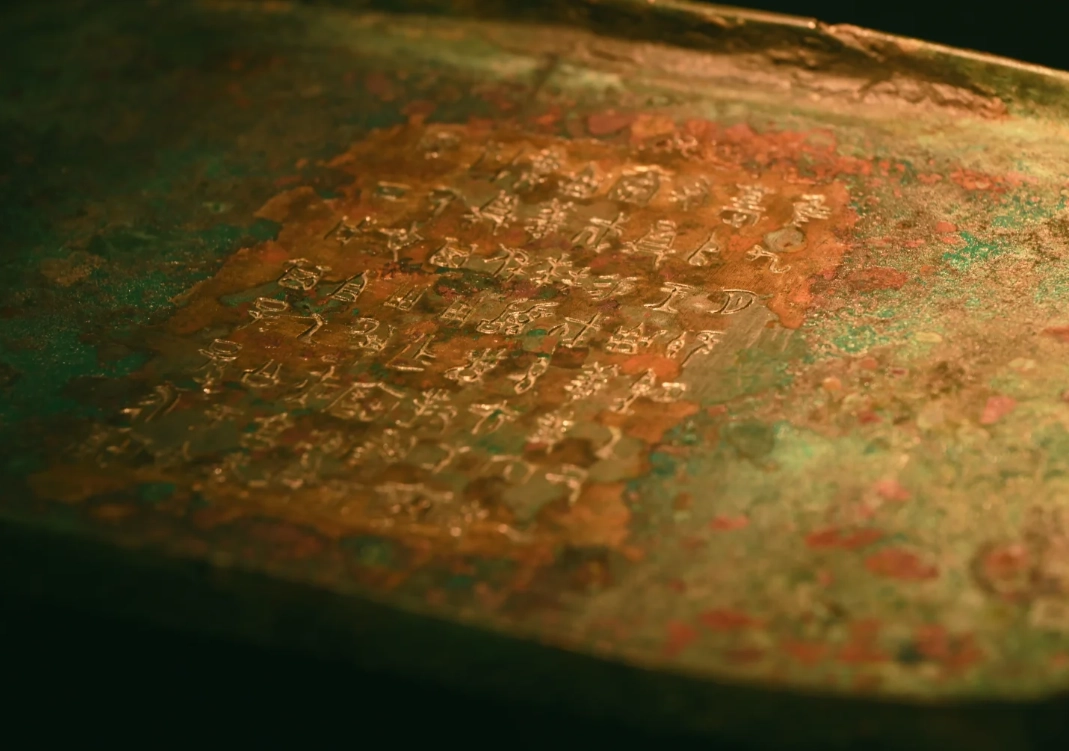
Baoji is well-connected by high-speed rail from Xi'an (about 1 hour). From Baoji Railway Station or downtown, you have a few choices:
By Taxi/Ride-hail: The most straightforward option. A ride from the train station costs around 15-20 RMB and takes 15-20 minutes. Just say "Baoji Qingtongqi Bowuguan" to the driver.
By Public Bus: Several buses stop near the Stone Drum Garden. Bus routes 10, 20, and 71 are common options. Check the latest routes on a mapping app like Amap as schedules can change. The walk from the bus stop to the museum entrance is through a pleasant park.
Personal Note: I took a taxi and asked the driver to drop me at the main park entrance. The five-minute walk up through the Stone Drum Garden, with views of the Wei River, was a perfect, quiet preamble before stepping into the ancient world.
What Are the Must-See Exhibits at Baoji Bronze Ware Museum?
The museum's collection is organized thematically across several floors. Don't try to see everything with equal intensity. Focus your energy. Here are the exhibits that stopped me in my tracks.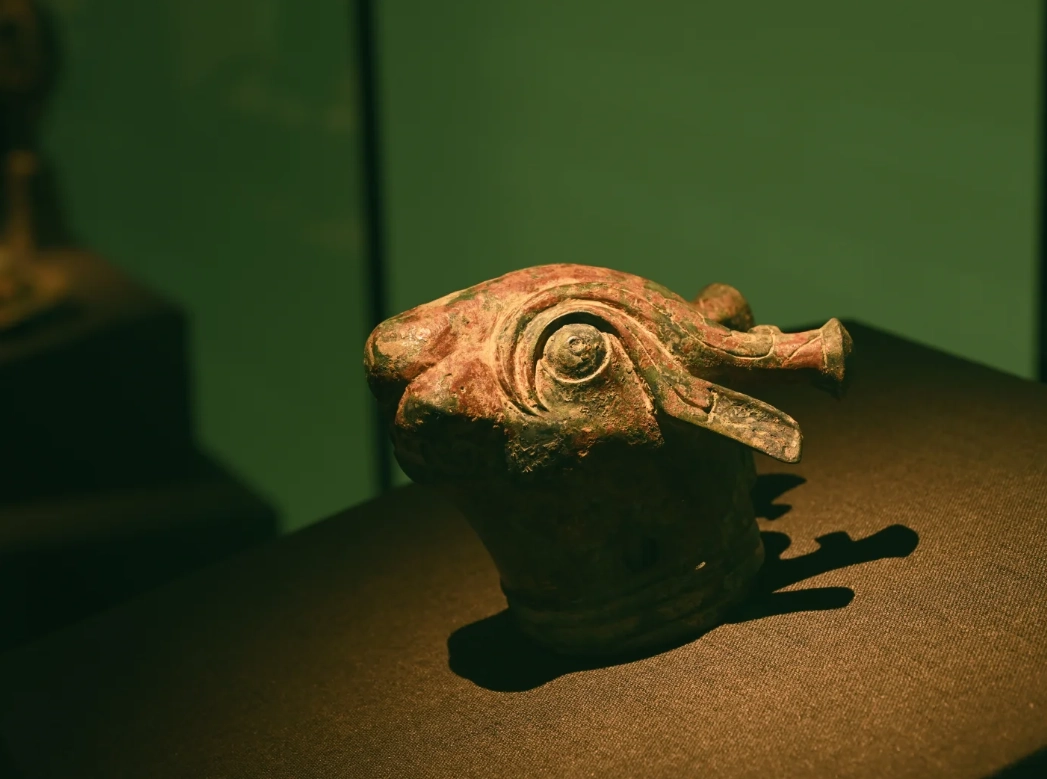
The He Zun (何尊): The Star of the Show
This isn't just any wine vessel. The He Zun, dating to the early Western Zhou, is arguably the museum's most important piece. Why? Its interior inscription contains the earliest known written form of the word "Zhongguo" (中国), meaning "Middle Kingdom" or "China." Seeing it is a visceral connection to the origin of a national identity. The inscription details a king's speech about establishing his capital. The craftsmanship is stunning, with bold, protruding eyes and intricate patterns. It's usually in a central, well-lit case on the main exhibition floor—you can't miss it.
The Zhuangbai Pit No. 1 Hoard
The entire first floor is dedicated to a single, miraculous archaeological find: the Zhuangbai Pit No. 1 Hoard. In 1976, villagers discovered a pit containing 103 perfectly preserved bronze vessels, buried in a hurry, likely during a political crisis. Walking into this gallery feels like stepping into the storeroom of a Zhou dynasty aristocrat. The vessels are displayed as they were found, grouped by family. You see sets for cooking, serving, drinking, and ritual offerings. The sheer quantity and quality in one place is mind-boggling. Look for the series of ling bells—their size progression shows the sophistication of Zhou musical rituals.
Animals and Mythology Gallery
This section reveals the playful and mystical side of Zhou craftsmen. Look for the owl-shaped zun (wine vessel). It's a plump, almost cute owl, with the lid forming its head. The design is both functional and deeply imaginative. Another standout is a tiger-shaped vessel where the tiger's body forms the container, and a smaller animal is in its jaws. These aren't merely decorations; they represent spiritual beliefs and connections to the natural world. The artistry here feels more dynamic and alive compared to the more solemn ritual vessels.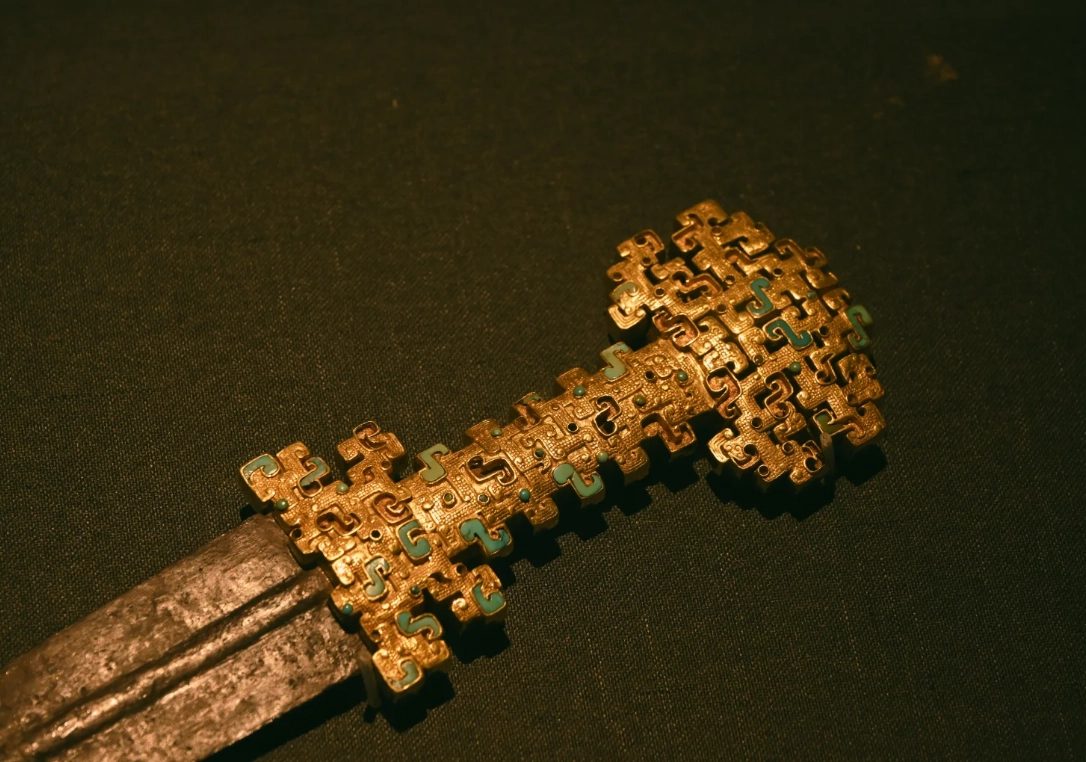
Pro Tip: Most information boards have decent English translations for titles and basic dates, but the detailed descriptions are often only in Chinese. I used a translation app on my phone to scan the longer texts. It was a bit clunky but unlocked the stories behind the inscriptions—the land disputes, the military awards, the prayers to ancestors—that make these objects truly human.
How to Get the Most Out of Your Museum Visit
Anyone can walk through a museum. To really see it, you need a strategy.
Start on the Top Floor: The museum's layout tells a chronological story. I recommend starting on the upper floors with the general history and context of the Bronze Age. This gives you the framework—the "why"—before you descend to the masterpiece galleries. You'll appreciate the Zhuangbai Hoard much more if you understand the political turmoil of the period.
Look for the Inscriptions: The true value of Baoji's bronzes often lies inside them. Look for diagrams or mirrors that show the long inscriptions (jinwen). These are firsthand historical documents. A vessel might commemorate a battle, a land grant from the king, or a family genealogy. They turn art into history.
Observe the Patina: Don't just look at the shape. Get close (but not too close!) and observe the colors. The beautiful blue, green, and red mineral patina—called "malachite green" or "peacock blue"—is a product of thousands of years of chemical reaction with the soil. This authentic patina is highly prized and different from the dark, uniform look of later replicas.
Timing is Key: Mornings (right at opening) are quietest. Chinese tour groups tend to arrive between 10:30 AM and 2:00 PM. If you come in the afternoon, you might have the later hours almost to yourself. The museum is not air-conditioned to strict modern standards to preserve a stable environment, so it can be warm in summer afternoons.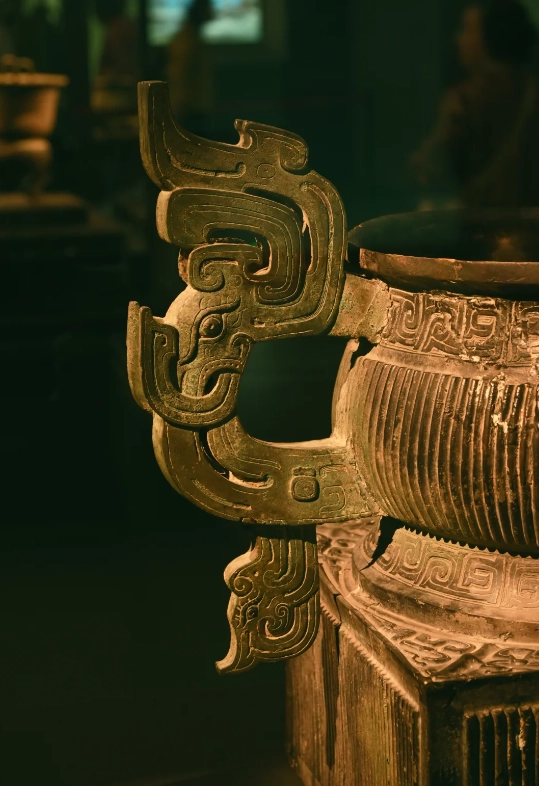
Beyond the Museum: Baoji's Bronze Legacy
Your bronze education shouldn't end at the museum door. Baoji's landscape is part of the story.
Just outside the museum, the Chinese Stone Drum Garden is worth a stroll. It's named after the famous Stone Drums (now in Beijing), which were originally discovered here. The park offers great views and context.
For the truly dedicated, several major archaeological sites that fed the museum's collection are in the surrounding countryside, like the Zhouyuan site, one of the largest Western Zhou ruins. Access can be tricky without a private car or guided tour, but it underscores how integral this region is. The Baoji government's cultural heritage portal has information on some of these sites.
I made a point to have lunch at a local restaurant afterwards. It's a stretch to connect noodles to bronzes, but sitting in a modern Baoji, it was impossible not to feel the layers of history beneath the city.
Your Questions on Baoji's Bronze Treasures Answered
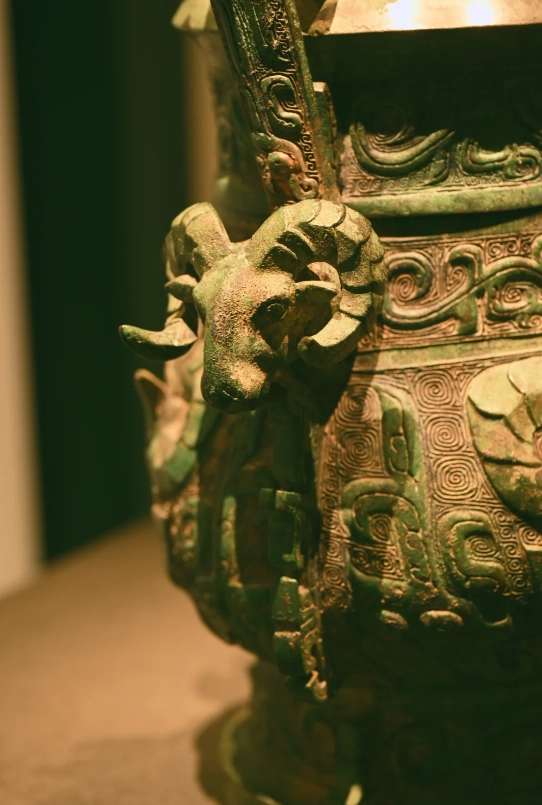 The Baoji Bronze Ware Museum doesn't shout for attention. It doesn't need to. The weight of history in its galleries does all the talking. It offers a rare, focused look at the material culture that defined China's foundational dynasty. You leave not just with pictures of cool old pots, but with a tangible sense of how a civilization expressed its power, spirituality, and identity in cast metal. It's a journey to the source.
This article is based on personal visits and information from the museum's official channels. Details like bus routes and temporary exhibition rules should be verified closer to your visit date.





No comments yet.