 Jian Zhao
Let's get this straight. Planning a Silk Road itinerary in China feels like herding cats. You've got deserts, mountains, ancient cities spread across two time zones, and a hundred blogs telling you to see everything. After a decade of guiding families, couples, and solo travelers from Dunhuang to Kashgar, I've learned what works and what leaves people exhausted at a random rest stop. This isn't a poetic ode to history. It's a practical, step-by-step blueprint to see the best parts without the headaches most tourists face. I'll give you the routes, the timing, the hidden food spots, and the honest truth about what's worth your time and money.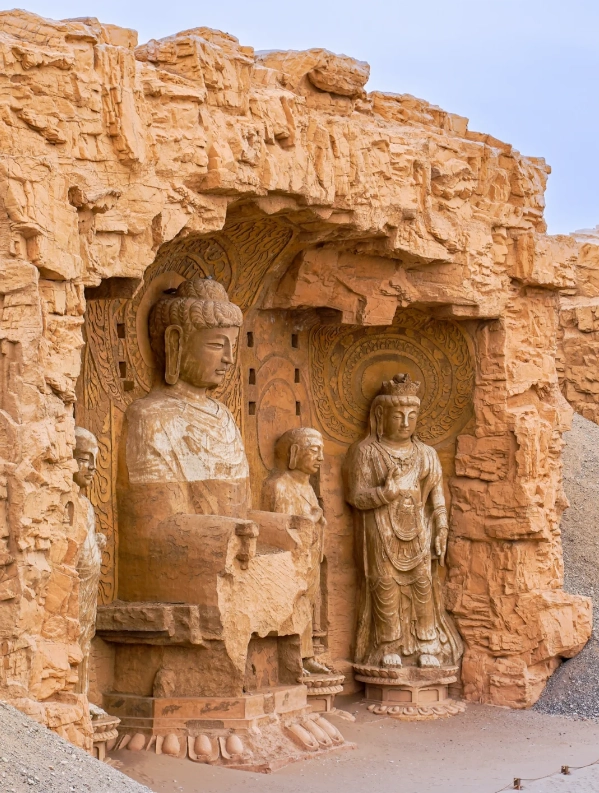
Your Silk Road Trip at a Glance
- How to Craft Your Perfect Silk Road Route
- Must-See Stops on Your Silk Road Journey
- Where to Eat Like a Local (Not a Tourist)
- Picking Your Silk Road Base: Hotels That Actually Work
- Getting Around: Train, Plane, or Private Car?
- Silver Bullet Tips from a Decade on the Road
- Your Silk Road Itinerary FAQs Answered
How to Craft Your Perfect Silk Road Route
Forget trying to trace the whole ancient network. Focus on the golden triangle: Gansu and Xinjiang. This gives you the iconic dunes, Buddhist art, oasis cities, and the Taklamakan Desert edge. The classic 7-day loop is the sweet spot.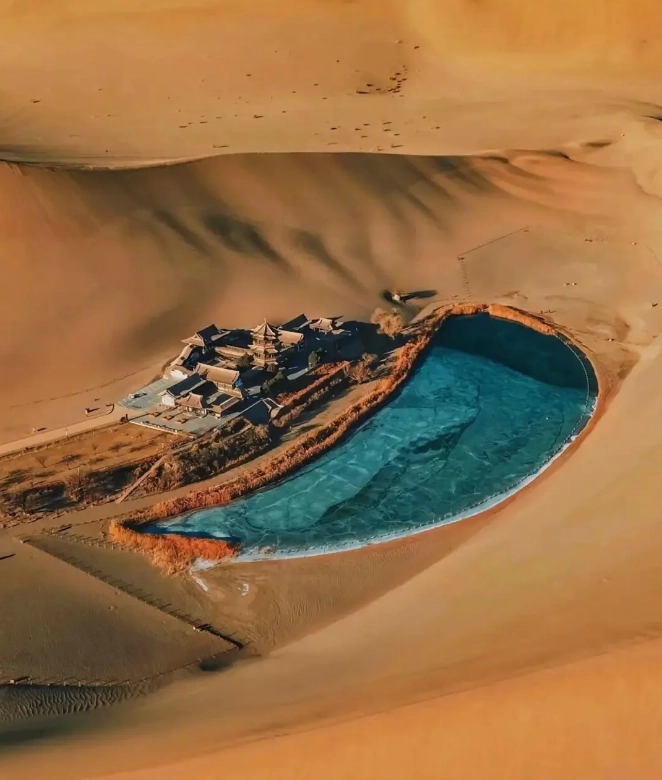
The 7-Day Core Itinerary:
- Days 1-2: Dunhuang. Your gateway. Fly in, recover from jet lag, hit the ground running.
- Day 3: Travel to Turpan. A long drive or train ride, shifting landscapes.
- Days 4-5: Turpan. The furnace of China, ancient ruins, and grape valleys.
- Days 6-7: Kashgar (or Urumqi). Fly from Turpan to Kashgar for the epic Sunday Market and old town, or to Urumqi for the regional museum and a shorter trip home.
If you have 10 days, add Jiayuguan (the first fortress of the Great Wall) at the start or spend an extra day in Kashgar exploring the surrounding Karakul Lake. Trying to squeeze in Xi'an is a common mistake—it's a separate trip altogether.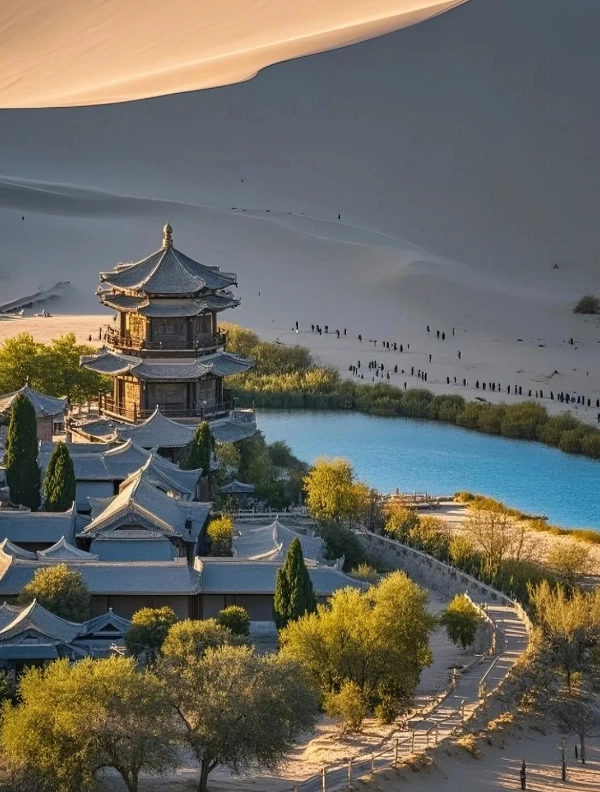
My Pro Adjustment: Most itineraries do Dunhuang -> Jiayuguan -> Turpan. I often flip it. Start in Turpan, then go to Dunhuang. Why? Dunhuang's Mogao Caves are the grand finale, and ending your trip with the serene beauty of the Singing Sand Dunes at sunset is a much better memory than ending in an industrial city like Urumqi.
Must-See Stops on Your Silk Road Journey
Dunhuang: Mogao Caves & The Dunes
The Mogao Caves are the heart of the Silk Road. You don't just "see" them; you book a specific tour time. Here's the drill nobody tells you clearly:
- Tickets & Booking: You MUST book online in advance via the official Mogao Caves website. They sell out days ahead, especially for the more comprehensive "Classic Tour" (8 caves, 90 mins). The "Emergency Tour" (4 caves, 60 mins) is easier to get but feels rushed. Adult ticket: 238 RMB (Classic). No walk-ups.
- Getting There: Taxi from Dunhuang town costs about 30-40 RMB one way, 25 minutes. Tell the driver "Mogaoku". There's a shuttle bus from the visitor center, but a taxi gives you control.
- My Timing Secret: Book the first tour of the day (usually 9:00 am). The light in the caves is consistent, but the crowds are thinner. By 11 am, the tour group buses roll in. After your cave tour, don't rush back. The onsite museum (free with your ticket) is world-class and air-conditioned—a perfect midday escape.
Mingsha Shan (Singing Sand Dunes) & Crescent Lake: This is for the afternoon. Go around 5:00 pm. The sun is lower, the sand isn't scorching, and you can stay for sunset. The entrance fee is about 110 RMB. You can rent neon booties, but I find sandals you can shake out work better. The camel ride (extra 100 RMB) is touristy but fun for photos. The view from the top dune ridge is worth the climb.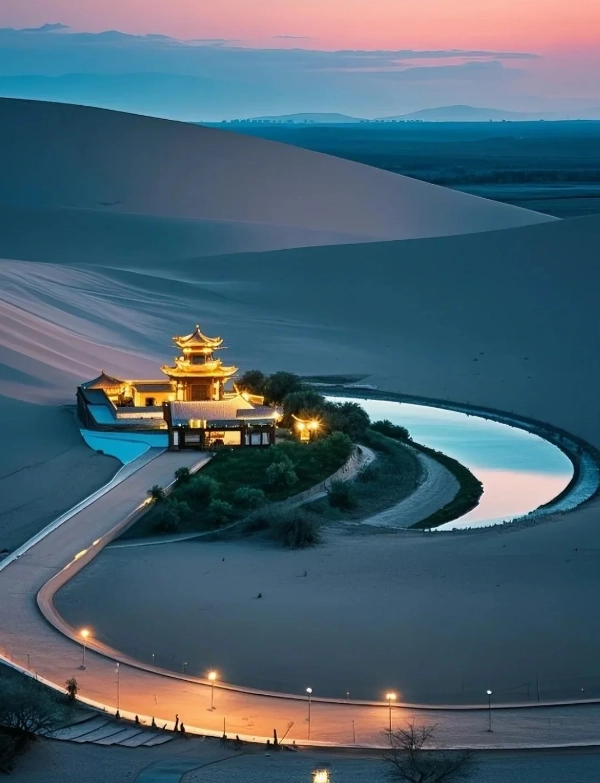
Turpan: The Ancient Oasis
Turpan sits below sea level and is fiercely hot. Your sightseeing window is 8:00 am - 12:00 pm, then 5:00 pm - dusk. Hide indoors in between.
| Attraction | What It Is & Why Go | Key Practical Info |
|---|---|---|
| Jiaohe Ancient City | A 2,000-year-old city built from tamped earth on a cliff plateau. Feels like walking on Mars. Incredibly preserved layout. | Ticket: ~70 RMB. Open 9:30-19:00. Go at opening. Zero shade. Bring a hat, water, and wear sturdy shoes. The site is large; budget 2 hours. |
| Karez Well System | Underground irrigation channels, a UNESCO-listed engineering marvel. The museum is dry, but walking down into a cool, active karez is a surreal experience. | Ticket: ~40 RMB. The Turpan Karez Folk Garden is the best spot. A 20-minute visit is enough, but it's a fascinating cool-down stop. |
| Bezeklik Thousand Buddha Caves | Buddhist cave art in the Flaming Mountains cliffs. Less crowded than Mogao, more weathered, but the setting is dramatic. | Ticket: ~40 RMB. On the way to Turpan from Dunhuang. Many statues are damaged (a stark history lesson), but the remaining murals are powerful. |
Kashgar: The Heartbeat of Xinjiang
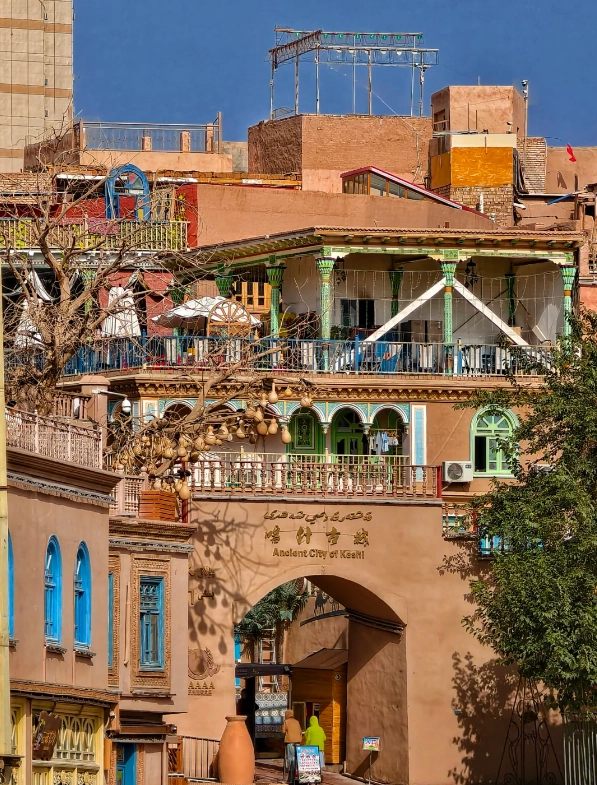
Kashgar Old Town is the star. Get lost in its mud-brick alleyways. But here's the local tip: the best light for photography is late afternoon, when the sun warms the earth tones. Mornings can be flat.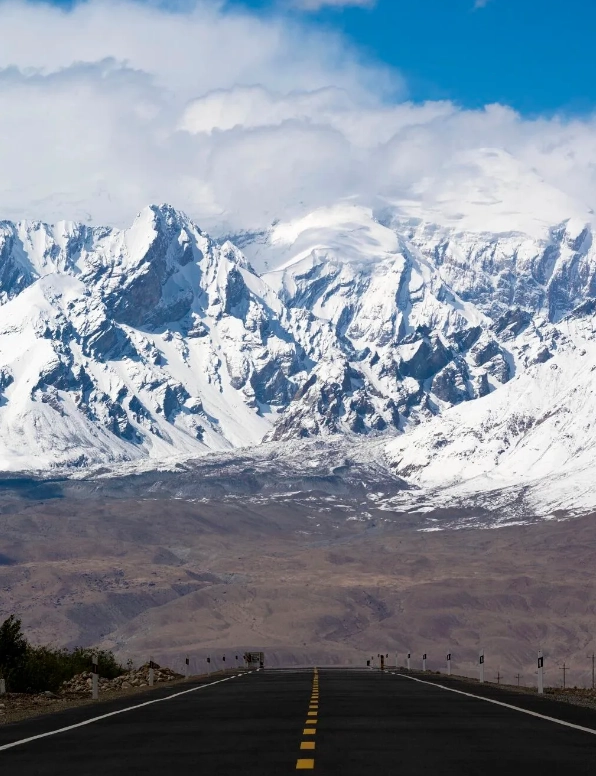
The Sunday Livestock Market: If your dates align, this is non-negotiable. It's not just for show. Go early (by 10 am). It's chaotic, smelly, and utterly authentic. Taxis know it as "Xingqitian Shichang". Negotiate a round-trip fare with your driver to wait (around 150-200 RMB), as getting a return cab can be tricky.
Id Kah Mosque: The central landmark. You can view the courtyard for a small fee (about 20 RMB). Dress modestly. It's active, so be respectful.
A Reality Check: Kashgar's old town has been heavily restored. Parts feel like a museum replica. The real life is in the remaining unrestructured alleys behind the main tourist streets. Ask your hotel to point you to the "old old town" sections, or just wander until the souvenir shops disappear.
Where to Eat Like a Local (Not a Tourist)
Skip the hotel buffets. This is Uyghur food territory.
In Dunhuang: The Night Market (Shazhou Yeshi) is legit. Head to stalls with locals queuing. Yangrou Paomo (lamb bread soup) is the must-try. Break the bread yourself; it's part of the fun. For a proper sit-down meal, "Xinjiang Laojunzi" restaurant does a mean da pan ji (big plate chicken) – spicy, hearty, feeds two for about 80 RMB.
In Turpan: You're in grape country. In the evening, families set up tables in their vineyards. For about 50 RMB per person, you get endless grapes, melons, Uyghur naan, and kebabs. Ask your hotel to arrange one—it's a highlight. For lunch, find a spot near the old town for laghman (hand-pulled noodles). The noodle-pulling performance is free with your meal.
In Kashgar: The restaurant inside the Chini Bagh Hotel garden is an institution. Their polo (Uyghur pilaf) is consistently excellent. For a quick bite, the nang (bread) stalls around Id Kah Mosque sell fresh, steaming disks for 3-5 RMB. The sesame ones are addictive.
Picking Your Silk Road Base: Hotels That Actually Work
Location is everything. You want to be able to walk to food or get a taxi easily.
- Dunhuang: Stay downtown near the Night Market. The Silk Road Dunhuang Hotel or the Holiday Inn are reliable. Avoid resorts near the dunes unless you want isolation. You'll be commuting to town for every meal.
- Turpan: The Turpan Hotel (Tuha Dajiudian) is old-school but has character, a huge garden, and is centrally located. Budget options are sparse; this is where mid-range pays off in comfort and AC reliability.
- Kashgar: For atmosphere, the Chini Bagh Hotel (historical) or the Qiniwak Hotel (boutique-style in the old town) are unique. For modern convenience, the Radisson Blu is just outside the old town walls. Check if your chosen old-town hotel has elevator access if you have heavy luggage.
Getting Around: Train, Plane, or Private Car?
This is the biggest logistics hurdle.
- Dunhuang to Turpan: The high-speed train (about 4 hours) is the best balance of comfort and speed. Book tickets on Trip.com (English interface) as soon as your dates are set. The alternative is a 5-6 hour private car. I only recommend the car if you want to stop at the Yulin Caves or the Wind-Eroded Yard (Yadan) landform along the way.
- Turpan to Kashgar: You must fly. The train takes forever. Book a flight from Turpan's nearby airport or from Urumqi (a 1-hour drive from Turpan). Check schedules carefully—flights aren't always daily.
- Within Cities: Taxis are cheap and plentiful. Use DiDi (the Chinese Uber) if you can get it set up. For sites outside town (like Jiaohe), hire a taxi for a half-day (around 300-400 RMB). It's simpler than figuring out local buses.
Silver Bullet Tips from a Decade on the Road
These are the things that make or break a trip.
1. The Single Most Important Item: A quality sun hat with a wide brim and a chin strap. The wind in the desert and Turpan will steal a loose hat. I've seen it happen at the dunes a dozen times.
2. Payment: Have a mix of cash (RMB) and mobile payment ready. Alipay's TourPass can be a lifesaver for foreigners. Many small vendors and taxi drivers still prefer cash, especially outside city centers.
3. Bathroom Strategy: Carry your own toilet paper and hand sanitizer. Standard issue. Also, use facilities at museums or nicer restaurants before heading to remote sites.
4. Pace Yourself: This is not a European city break. The climate and distances are taxing. Build in downtime after long drives. A mid-afternoon nap or tea stop is strategic, not lazy.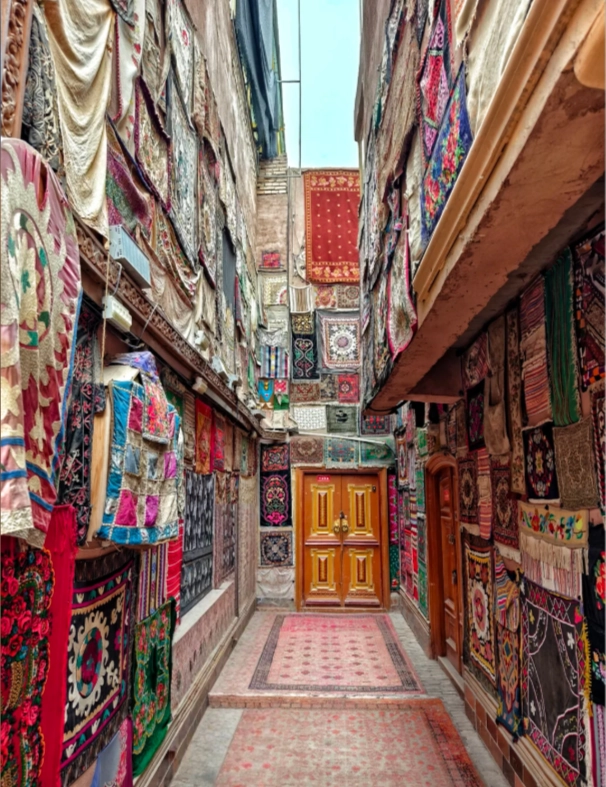
Your Silk Road Itinerary FAQs Answered
Is the Silk Road in China safe for solo travelers, especially women?
What's the best time of year for a Silk Road itinerary?
Do I need a guide for the Mogao Caves?
How do I handle the altitude and dry climate?
This article is based on my personal guiding experience and regular fact-checking with local partners. Attraction details like opening hours and prices are subject to change, so always double-check the official websites closer to your travel date.





No comments yet.