 Jian Zhao
Let's be honest. You can read about the Terracotta Warriors online, but standing in Pit 1 for the first time is a different beast. The scale hits you. The silence, punctuated by a thousand whispered languages, is overwhelming. And if you don't have someone to translate—not just the language, but the history, the context, the why—you'll leave feeling like you missed the point. I've been guiding English-speaking families, couples, and solo travelers through this site for over ten years. I've seen the good, the bad, and the utterly confusing tourist traps. This isn't just a guide about hiring a guide; it's your blueprint for transforming a standard visit into a profound historical journey, saving you money, time, and a ton of frustration.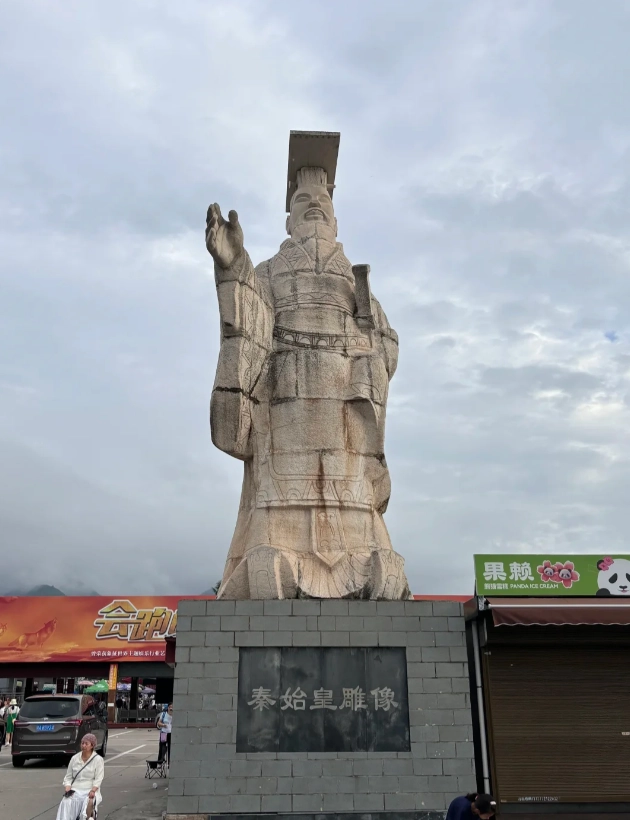
Your Quick Navigation to Terracotta Warrior Wisdom
Why You Really Need a Guide (It's Not Just Translation)
Sure, you can rent an audio guide. But an audio guide won't point out the unique facial features of a kneeling archer. It won't tell you why some warriors have belly buttons and others don't (hint: it's about clay molding techniques). It definitely won't whisk you to the best viewing spot in Pit 1 before three large tour buses arrive.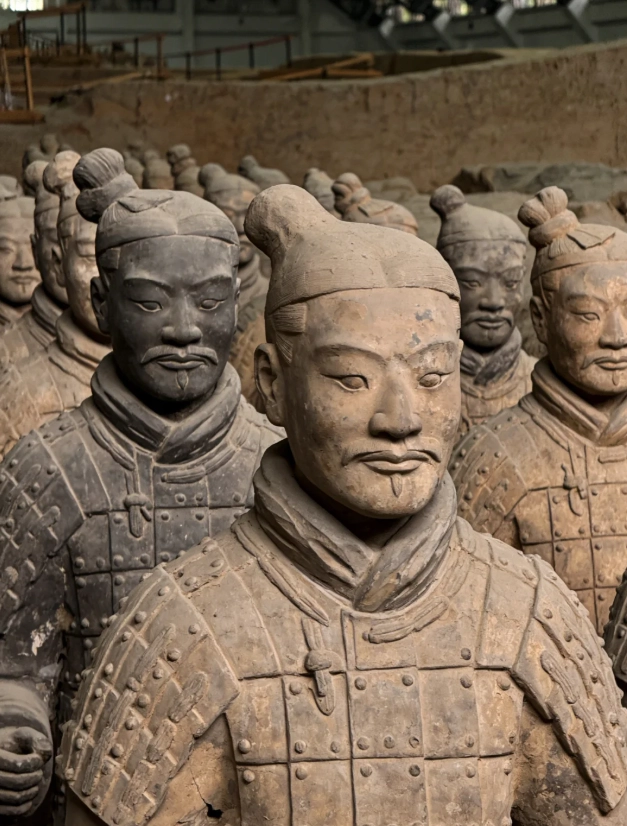
A great English speaking guide does three critical things:
- Decodes the Details: They'll show you the remnants of original paint, explain the difference between generals and charioteers, and tell you the story behind the most famous kneeling archer. This turns clay figures into a story.
- Saves You Hours: The museum complex is vast. A guide knows the most efficient route, the cleanest restrooms (trust me, this matters), and the perfect time to visit each pit to avoid the worst crowds. I always start with Pit 1 (the largest) right at opening, then move to Pit 3, and finish with Pit 2. Most big groups do the opposite.
- Handles the Hassle: From buying tickets to arranging transport back to Xi'an, they smooth every bump. I've lost count of clients relieved they didn't have to navigate the Chinese-only ticket kiosks or haggle with taxi drivers.
How to Find & Book Your English Speaking Guide
You have three main paths, each with pros and cons. Let's break them down.
| Option | How It Works | Best For | Price Range (per group) |
|---|---|---|---|
| Private Tour Agency | Book a full-day tour from Xi'an that includes guide, driver, tickets, and sometimes lunch. Agencies like WildChina or China Highlights have solid reputations. | Families, first-timers who want everything handled, travelers valuing comfort. | $150 - $300+ |
| Freelance Licensed Guide | Hire a guide directly (often found via travel forums or word-of-mouth). You meet them at the site, and they guide you. You handle your own transport and tickets (though they can help). | Solo travelers, small groups, budget-conscious travelers who still want expertise. | $80 - $150 |
| On-Site Official Guide Desk | At the museum's entrance, there's an official guide service counter. Guides are assigned based on availability. | Spontaneous visitors, those who couldn't book ahead. Big risk: English guides can sell out by 10 AM. | ~$50 - $80 |
My personal recommendation? For a stress-free, deep-dive experience, book a private guide through a reputable agency at least a week in advance. Specify you want a guide specializing in history, not just a general city guide. When you email them, ask a specific question like, "Can your guide explain the significance of the different armor types in Pit 2?" Their response will tell you everything.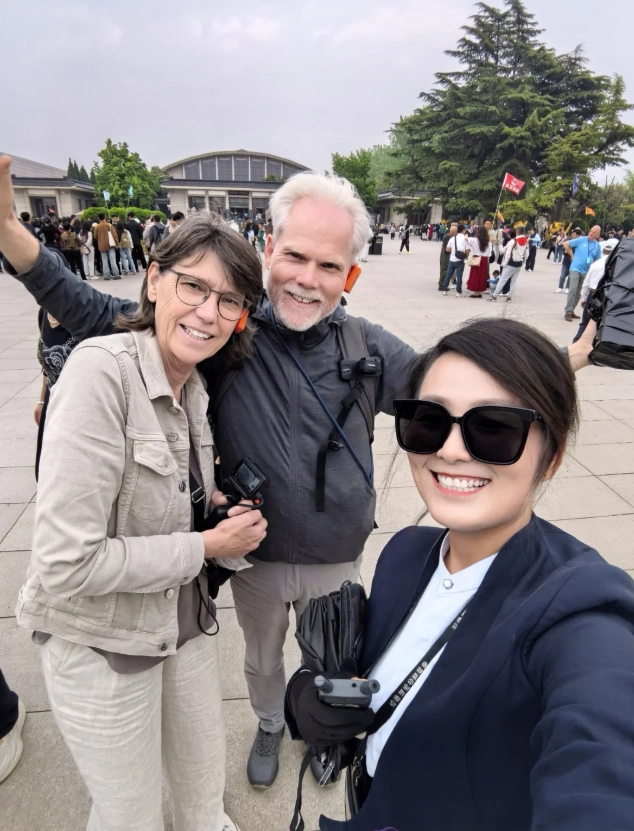
Tickets, Transport & Logistics: Getting It Right
Even with a guide, you need to know this stuff. It makes you a smarter traveler.
Tickets: The Non-Negotiable Details
You must book tickets in advance via the official WeChat mini-program: "秦始皇帝陵博物院" (search "Terracotta Army Museum"). Your guide can help, but having the app ready is smart.
- Price: 120 RMB (Adult). 60 RMB (Students with ID, Seniors 65+). Free for children under 1.4m.
- What it includes: Entry to all three pits and the exhibition hall. The nearby Mausoleum of Qin Shi Huang (the actual tomb mound) is a separate, free ticket you can get on-site—most skip it as it's just a park, but history buffs might appreciate the context.
- Key Info: Your ID/Passport number is tied to the ticket. Bring the same document. The site opens at 8:30 AM. Last entry is at 4:30 PM (5:30 PM in peak summer). Go on a weekday. Mondays are often busy as many other museums in Xi'an are closed.
How to Get There from Xi'an
The museum is in Lintong District, about 40 km east of central Xi'an.
Option 1: Tourist Bus 5 (306): The classic budget choice. Departs from the east square of Xi'an Railway Station. Look for the green buses and a long queue. Cost is about 7 RMB. Takes 60-90 minutes. Big downside: It drops you at a parking lot still a 10-15 minute walk from the ticket gate. Not ideal in heat or rain.
Option 2: Metro + Taxi: My preferred DIY method. Take Metro Line 9 to "Huaqingchi" station (about 45 mins from the city center). From Exit C, you'll find a swarm of taxis. A ride to the museum entrance costs 15-20 RMB and takes 10 minutes. This gives you control and is often faster than the tourist bus.
Option 3: Private Car with Driver: If you have 3-4 people, this is brilliant. Book a car for 4-5 hours through a platform like Trip.com or your hotel. Cost: 400-600 RMB total. Door-to-door service, air-conditioned comfort. You can even add a stop at the Huaqing Palace hot springs on the way back.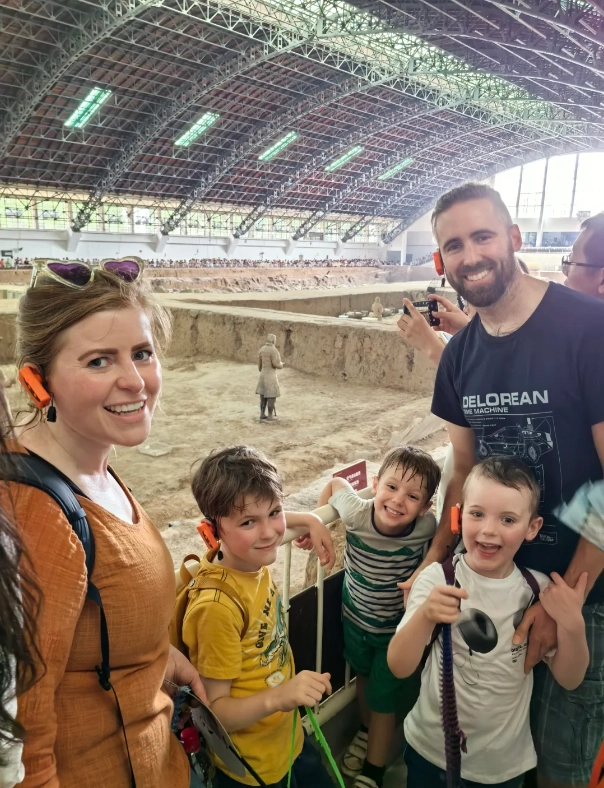
A Sample Itinerary with Your Guide
Let's say you have one day and a great guide booked. Here's how a perfect, efficient visit unfolds.
7:30 AM: Meet your guide/driver at your Xi'an hotel. Discuss what you're most excited about.
8:45 AM: Arrive at the museum. Your guide handles ticket collection while you soak in the atmosphere. (Personal note: The walk from the lot to the gate passes souvenir stalls. Don't buy anything now—prices are double. Wait for the exit.)
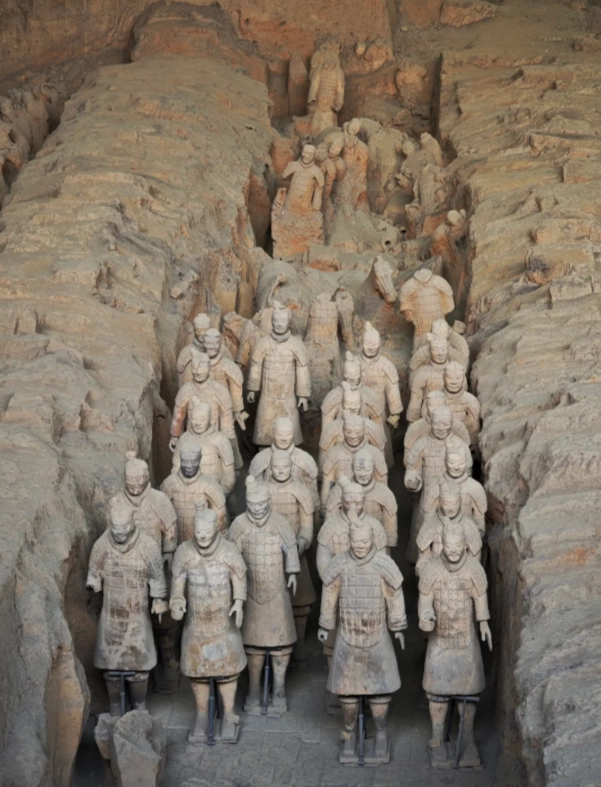
9:00 AM - 10:30 AM: Pit 1. The grand spectacle. Your guide gets you to the front railing on the longer side for the best panoramic photos (morning light is perfect here). They'll explain the excavation process, the army formation, and point out specific, fascinating warriors.
10:45 AM - 11:30 AM: Pit 3. The command post. Smaller, more intimate. This is where your guide's knowledge shines, explaining military strategy and the figures' roles.
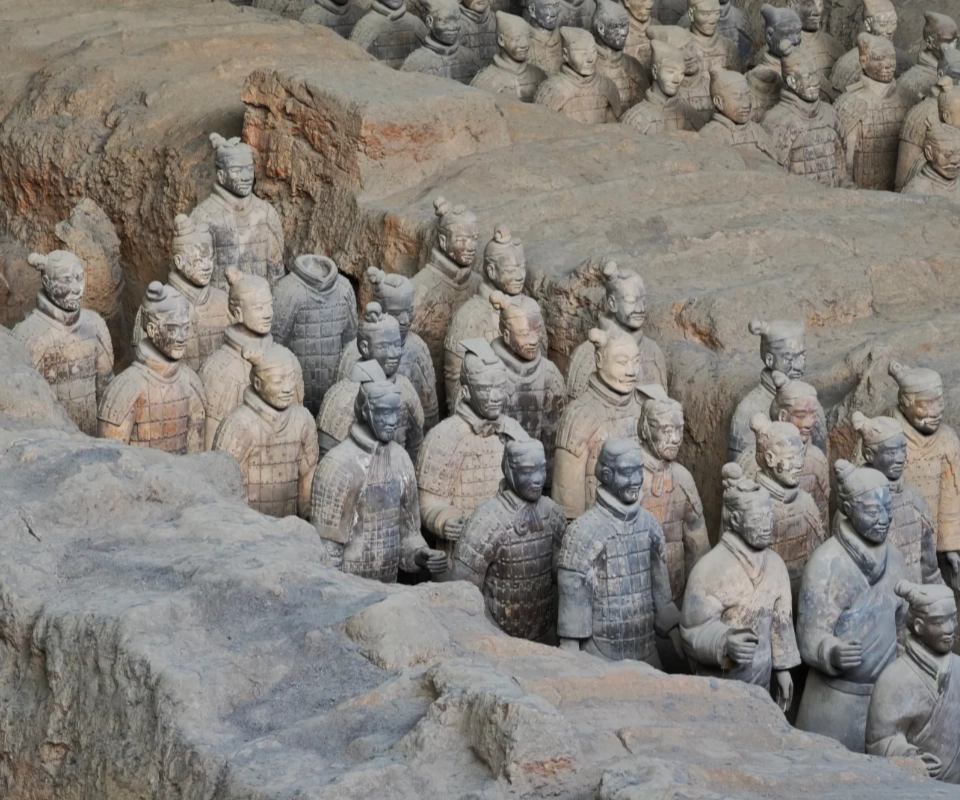
11:45 AM - 1:00 PM: Pit 2. The most archaeologically active. You'll see uncovered warriors up close in glass cases—the cavalryman, the kneeling archer, the general. Your guide will decode their armor and hairstyles, which denote rank.
1:15 PM: Lunch. Your guide can take you to a simple, clean local restaurant outside the complex. Think noodles, dumplings, stir-fried dishes. Expect to spend 40-80 RMB per person. Avoid the museum cafeteria—it's overpriced and underwhelming.
2:15 PM - 3:00 PM: The Exhibition Hall with the Bronze Chariots and Horses. This is a masterpiece often rushed. Your guide will connect these exquisite artifacts to the warriors and the emperor's beliefs about the afterlife.
3:30 PM: Departure. Beat the rush-hour traffic back to Xi'an. You'll be tired but your brain will be full.
Your Burning Questions, Answered
 How much should I tip my English speaking tour guide in China?
 Ultimately, visiting the Terracotta Warriors is a pilgrimage. Doing it with a skilled English speaking guide transforms it from a photo opportunity into a time-traveling dialogue with history. You don't just see the army; you understand the ambition of the First Emperor and the incredible human effort that brought this vision to life—and is still piecing it together today. Book wisely, go early, and prepare to be amazed.
This article is based on my first-hand experience guiding thousands of visitors through the Terracotta Warriors Museum. Details regarding ticketing and transport are regularly verified against official sources, including the museum's own published guidelines.








No comments yet.