 Yan Zhou
Hey there, I've been guiding tours across China for over a decade, and let me tell you, the mountains here are something else. Forget the crowded tourist spots—I'm talking about real climbs that'll stick with you. Today, I'll share the best mountains to climb in China, based on my own boots-on-the-ground experience. Whether you're a seasoned trekker or just starting out, this guide has you covered.
Your Climbing Roadmap
Why These Mountains Made the List
I picked these peaks not just for their height, but for the experience. Each one offers something unique—culture, challenge, or sheer beauty. Most guides throw out random names, but I've seen too many tourists struggle with poor planning. Here, you'll get the real deal: what works, what doesn't, and how to avoid the crowds.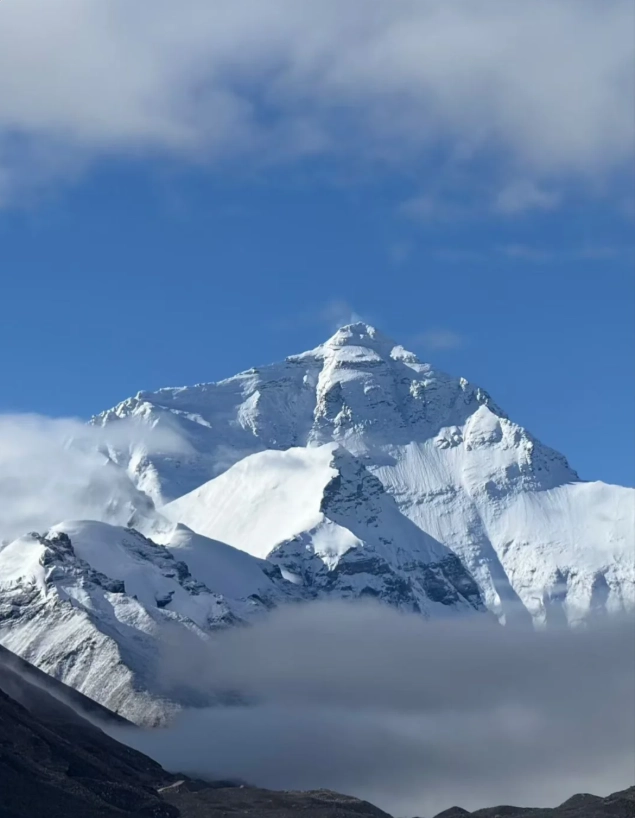
The Top 5 Mountains You Can't Miss
Let's dive in. I've ranked these based on accessibility, scenery, and that wow factor. Trust me, I've led groups up all of them, and these are the standouts.
1. Mount Everest (North Face, Tibet)
Yes, Everest. But not the Nepal side—the north face in Tibet is where you get the raw, untouched vibe. I've taken adventurous souls here, and it's a game-changer.
Key Details: You need a permit from the Tibet Tourism Bureau, which costs around $100-200 per person, depending on the season. Book through a licensed agency like Tibet Travel at least 2 months ahead. The base camp trek starts from Rongbuk Monastery, with an entry fee of 180 CNY for adults (half-price for students). Address: Dingri County, Shigatse, Tibet. Open year-round, but best from April to October. From Lhasa, it's a 2-day drive—hire a 4x4 with a local driver (around 3000 CNY). At 5200m altitude, acclimatize in Lhasa for 3 days first. Most tourists rush this, but I recommend spending a night at base camp for the sunrise view, which is unreal.
2. Huangshan (Yellow Mountain, Anhui)
Huangshan is my personal favorite for a weekend climb. The granite peaks and sea of clouds? Pure magic. I've been up there dozens of times, and it never gets old.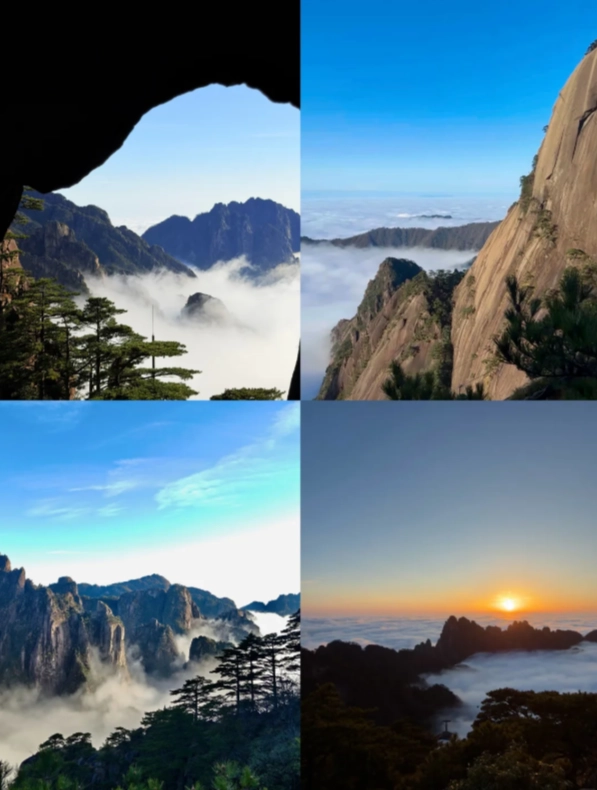
Key Details: Ticket price: 230 CNY for adults, 115 CNY for kids (6-18 years) and seniors over 65. You must book online via the WeChat mini-program "Huangshan Ticket"—walk-ins are often sold out. Address: Huangshan City, Anhui Province. Open 6:30 AM to 5:00 PM, with last entry at 4:00 PM. From Huangshan North Railway Station, take bus line 1 to Tangkou Town (1 hour, 20 CNY), then a shuttle to the entrance (10 minutes). Pro tip: Start from Yungu Temple entrance at 7 AM to beat the crowds. The cable car up costs 80 CNY, but the hike is worth it—allow 4-6 hours round trip. Avoid National Day holiday in October; it's a zoo.
3. Mount Tai (Taishan, Shandong)
Mount Tai is more than a climb—it's a cultural pilgrimage. I've seen folks from all over come here for the sunrise. But let's be real: it can be packed.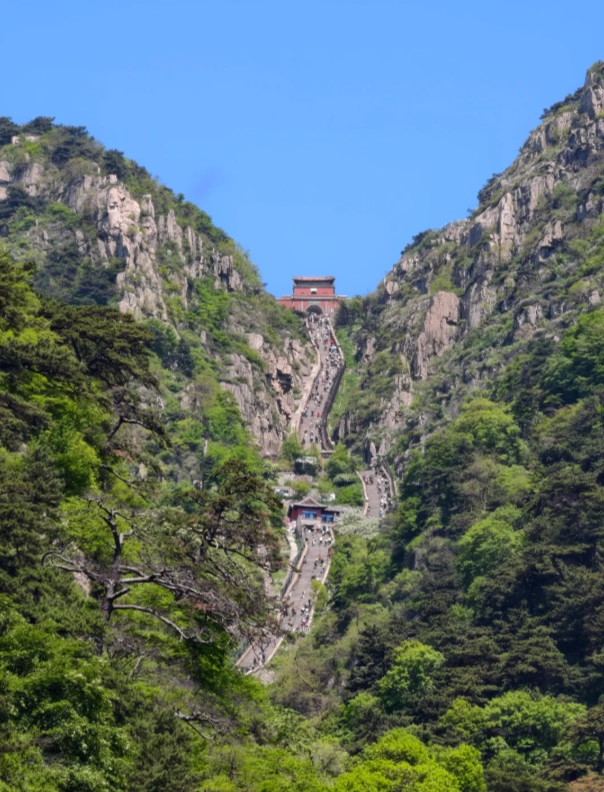
Key Details: Ticket: 125 CNY for adults, 62 CNY for students. No reservation needed, but buy online via "Taishan Official" website to skip lines. Address: Tai'an City, Shandong Province. Open 24/7 for night climbs (yes, people hike up for sunrise). From Tai'an Railway Station, bus 3 goes to the Red Gate entrance (30 minutes). The classic route takes 4-5 hours up. Best time: Weekdays in spring or autumn. I once guided a family who started at midnight—cold but unforgettable. Bring a headlamp and layers; the top gets windy.
4. Siguniangshan (Four Sisters Mountain, Sichuan)
This is for the trekkers who want raw beauty without the Everest fuss. Siguniangshan is stunning, but it's remote. I've led small groups here, and the trails are pristine.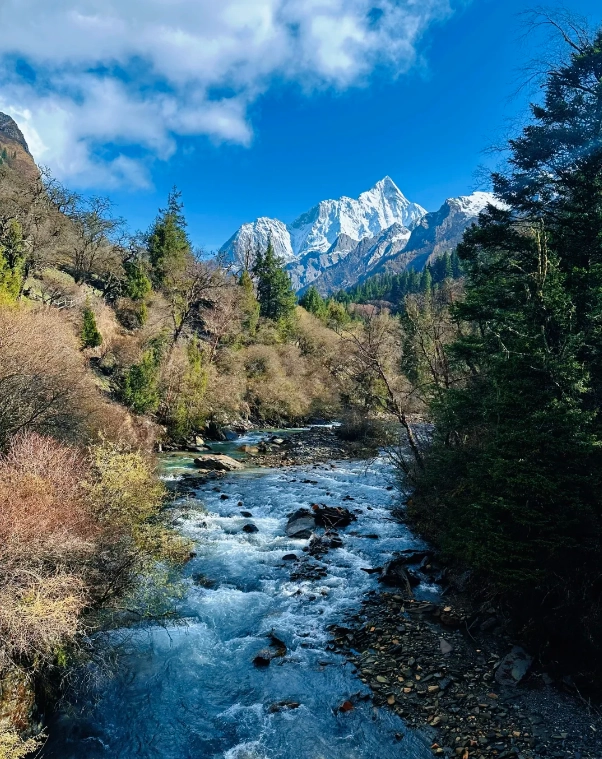
Key Details: Entry fee: 80 CNY for adults, 40 CNY for kids. Reserve on "Siguniangshan Tourism" WeChat mini-program. Address: Xiaojin County, Sichuan Province. Open 7:00 AM to 6:00 PM. From Chengdu, take a bus to Rilong Town (4 hours, 100 CNY), then a taxi to the park. The trek to Da Feng base camp is moderate—6 hours round trip. Best months: May to October. Local guides charge 200 CNY per day; worth it for safety. Most tourists miss the hidden valley near Changping Valley—ask a guide to show you.
5. Huashan (Mount Hua, Shaanxi)
Huashan is infamous for its plank walk. It's thrilling, but not for the faint-hearted. I've seen people turn back halfway—plan carefully.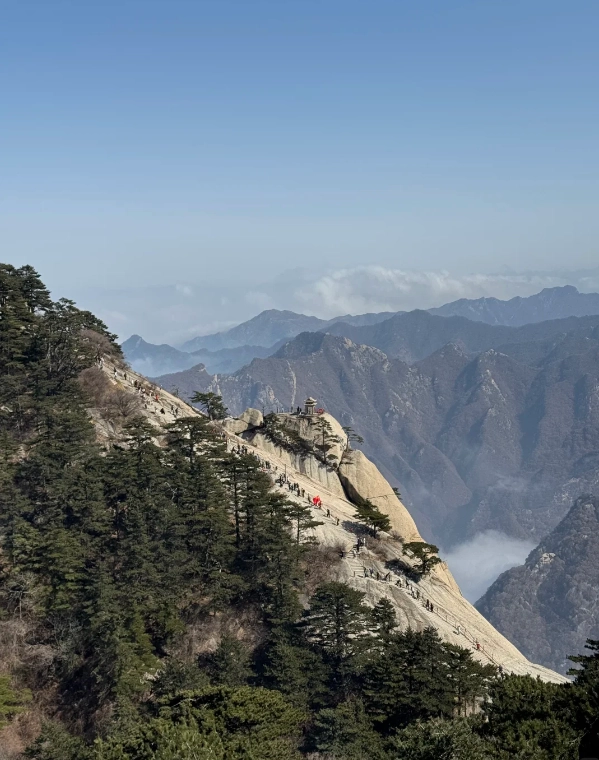
Key Details: Ticket: 180 CNY for adults, 90 CNY for students. Book via "Huashan Ticket" online. Address: Huayin City, Shaanxi Province. Open 7:00 AM to 7:00 PM. From Xi'an North Railway Station, high-speed train to Huashan North (30 minutes, 55 CNY), then bus 1 to the entrance. The plank walk costs an extra 30 CNY and requires a harness. Allow a full day. Best time: Weekdays in April or September. I recommend taking the cable car up (140 CNY) and hiking down to save knees. The crowds peak at 10 AM—start early.
| Mountain | Best For | Difficulty | Ideal Season | Approx. Cost (per person) |
|---|---|---|---|---|
| Mount Everest (North Face) | Extreme adventurers | Very Hard | Apr-Oct | $500+ (with permits) |
| Huangshan | Scenic day hikes | Moderate | Spring/Fall | 300 CNY |
| Mount Tai | Cultural experience | Moderate | Year-round | 200 CNY |
| Siguniangshan | Trekking in nature | Hard | May-Oct | 400 CNY |
| Huashan | Thrill-seekers | Hard | Apr-Sep | 350 CNY |
How to Plan Your Trip Like a Pro
Planning is everything. I've watched tourists waste days on logistics. Here's my step-by-step, based on leading groups for years.
Step 1: Pick Your Mountain. Match it to your fitness. Everest needs training; Huangshan is friendlier for families.
Step 2: Book Early. For Everest or Huangshan, reservations open 60 days ahead. Use official sites—I've seen scams on third-party platforms.
Step 3: Sort Transportation. China's high-speed trains are gold. From Beijing to Tai'an, it's 2 hours by train. For remote spots like Siguniangshan, book a private car via your hotel (around 800 CNY from Chengdu).
Step 4: Pack Smart. Layers are key. I always carry a rain jacket—weather changes fast. Good hiking boots are non-negotiable; I've patched up too many blisters.
Step 5: Consider a Guide. For Everest or Siguniangshan, a local guide is essential. They know the trails and can handle emergencies. I charge 500 CNY per day for small groups, but it's worth every yuan.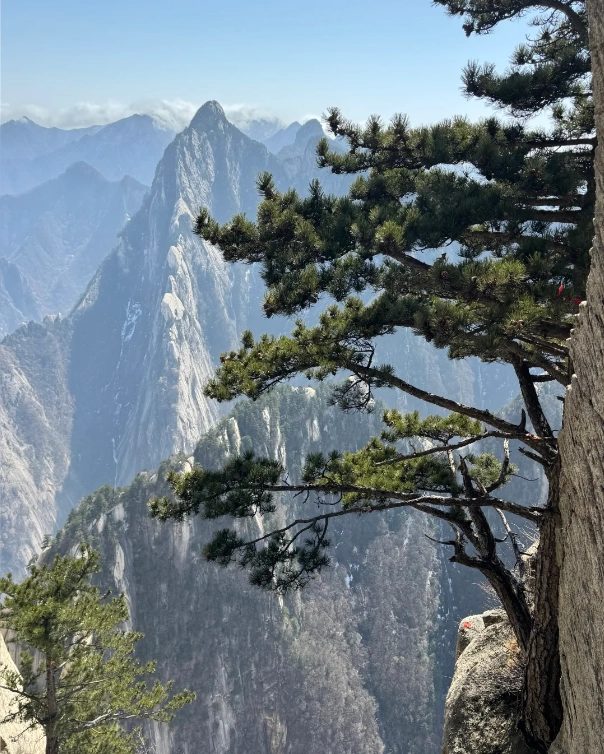
My Personal Tips for a Smooth Climb
This is where my experience kicks in. Little things that most guides won't tell you.
On Crowds: Huangshan's main path is packed by 9 AM. I always start at Yungu Temple at dawn—you'll have the peaks to yourself for an hour.
On Food: Mountain-top restaurants are pricey and mediocre. Pack snacks like nuts and chocolate. At Mount Tai, there's a small stall halfway up selling hot noodles for 20 CNY—cash only.
On Altitude: Everest base camp hits 5200m. I've seen folks get sick from rushing. Spend 3 nights in Lhasa at 3650m first. Drink lots of water, avoid alcohol.
On Payment: Most places accept WeChat Pay or Alipay. But in remote areas like Siguniangshan, carry cash—small bills. International cards? Rarely work.
My Pet Peeve: Huashan's plank walk gets slippery after rain. I once had to turn a group back because it was too dangerous. Check the weather forecast religiously.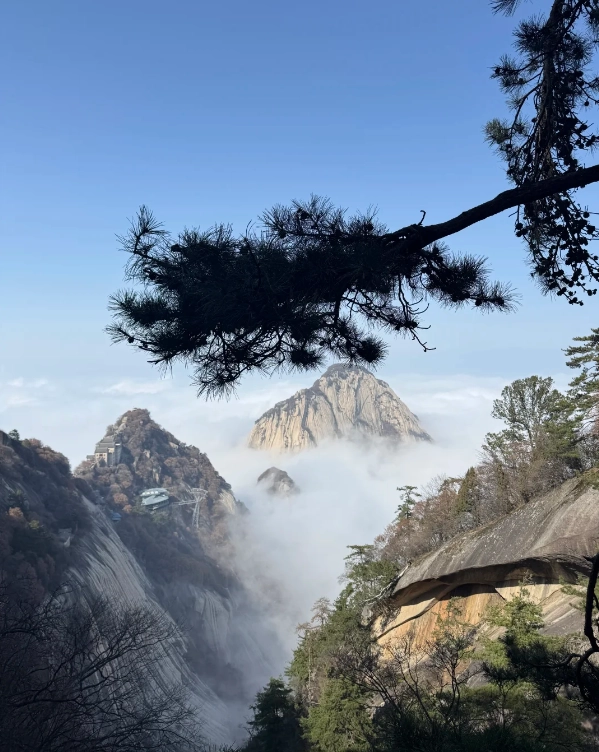
Frequently Asked Questions
There you have it—the best mountains to climb in China, straight from my decade on the trails. Remember, it's not just about reaching the summit; it's about the journey. Pack light, respect the locals, and enjoy every step. If you're ever in China, drop me a line—I might just join you for a climb.
This article has been fact-checked based on my personal experiences and official sources.





No comments yet.