 Ling Wu
Alright, grab a seat. I've been guiding folks through Guangzhou for over a decade, and I've seen every mistake in the book. Most online itineraries send you on a chaotic goose chase between the most crowded spots at the worst possible times. You end up exhausted, seeing nothing but the backs of other tourists. That's not a classic trip; that's a theme park queue.
A real classic Guangzhou itinerary is about rhythm. It's about balancing the towering modern icons with the quiet, centuries-old alleyways. It's about eating where the locals eat, not where the tour buses stop. It's about understanding that this city, once known as Canton, is a living layer cake of history. My goal here isn't to list every single sight. It's to give you a framework so solid you could land tomorrow and navigate it with confidence, saving both time and your sanity.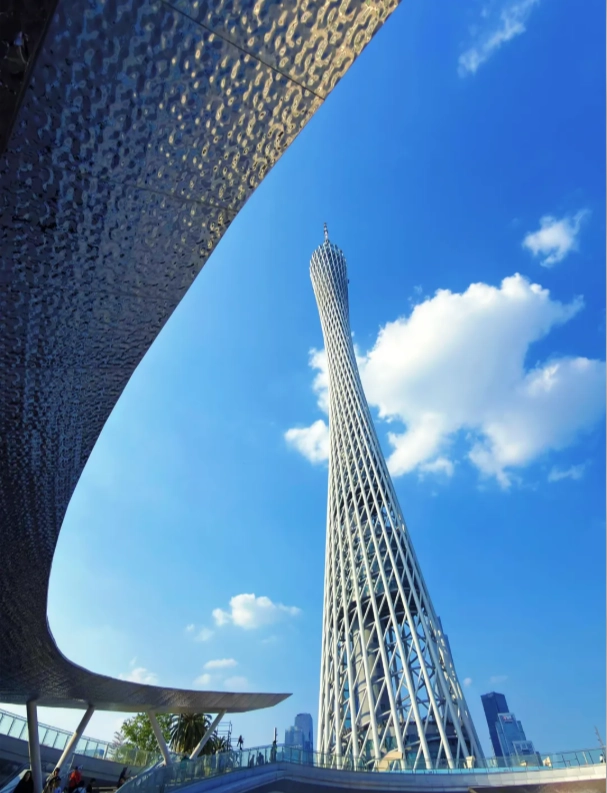
Your Guangzhou Trip at a Glance
Planning Your Core 3-Day Itinerary
Three days is the sweet spot. You can cover the essentials without rushing. The biggest error? Trying to cram in too much. Guangzhou is vast, and traffic is real. This plan is geographically logical, grouping nearby sights to minimize travel time.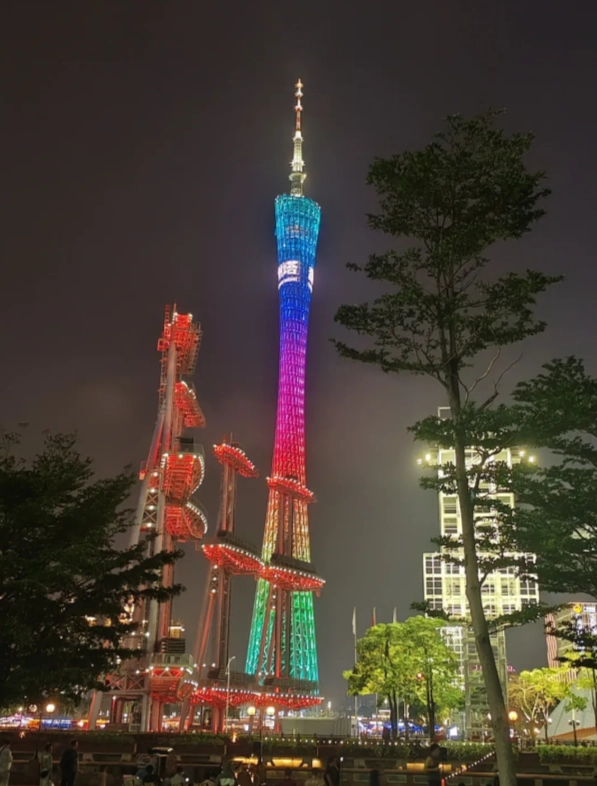
The Classic 3-Day Framework
Think of it as three chapters: Ancient Canton, Colonial & Modern Canton, and Living Canton.
| Day | Morning Focus | Afternoon Focus | Evening Vibe |
|---|---|---|---|
| Day 1 | Chen Clan Ancestral Hall, Temple of the Six Banyan Trees | Shangxiajiu Pedestrian Street, Hualin Temple (if time) | Dinner in Xiguan, walk along the Pearl River |
| Day 2 | Yuexiu Park & Five Rams Statue | Shamian Island | Canton Tower observation deck (post-sunset), APM line ride |
| Day 3 | Qingping Market (for atmosphere, not shopping) | Sacred Heart Cathedral, Beijing Road Pedestrian Street | Pearl River Night Cruise, final feast in Zhujiang New Town |
Day 1: History & Culture Deep Dive
We start in the heart of old Guangzhou. Get ready to walk.
Stop 1: Chen Clan Ancestral Hall (Chen Jia Ci). Take Metro Line 1 to Chen Clan Ancestral Hall Station, Exit C. Walk 2 minutes. You'll see the ornate walls. Tickets are RMB 10 per adult. You must book online in advance via their WeChat mini-program or official site. No walk-ups. Get the 9:00 AM slot. Why so early? You'll have the exquisite ceramic figurines and wood carvings almost to yourself for 30 minutes before the crowds pour in. Spend a solid hour here. Look up – the roof scenes tell stories.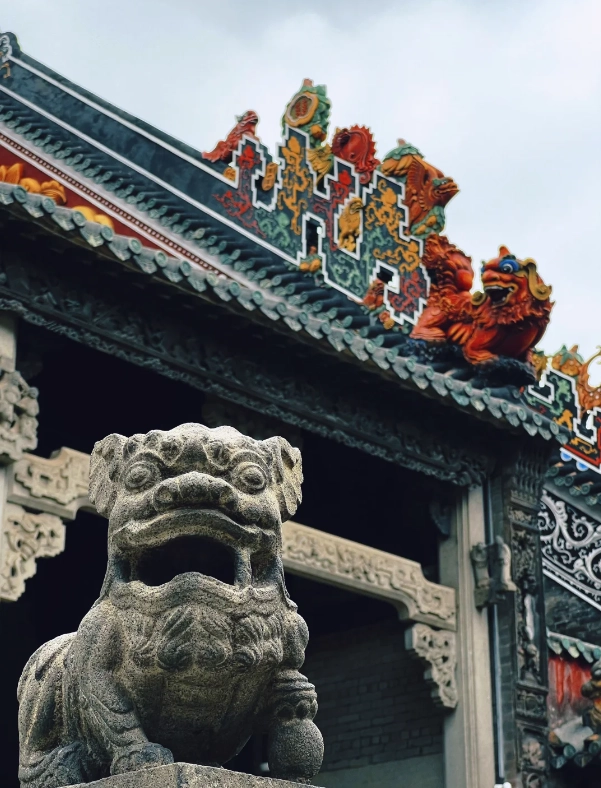
Stop 2: Temple of the Six Banyan Trees (Liurong Si). From the Ancestral Hall, it's a 15-minute walk or a quick 5-minute taxi (about RMB 12). The temple is famous for its Flower Pagoda. Entry is RMB 5. It's smaller, but the pagoda is a landmark. The surrounding area feels ancient.
Stop 3: Shangxiajiu Pedestrian Street. Hop on the metro at Gongyuanqian Station (a 10-min walk from the temple) and go one stop to Changshou Lu Station. This is the iconic old commercial street with its qilou arcaded buildings. It's touristy, but you need to see it. Don't shop for serious souvenirs here. Instead, people-watch and try a traditional dessert like double-skin milk at a century-old shop like Nanxin Dessert Shop.
Evening: The area here is called Xiguan. Find a restaurant for proper Cantonese dishes. I often take small groups to a place called Bing Sheng (there are several branches) for their succulent roast goose (kao e). Expect to spend RMB 80-120 per person. After dinner, take a short taxi to the Pearl River Promenade near Yanjiang Road. The skyscrapers are lit up. It's free and magical.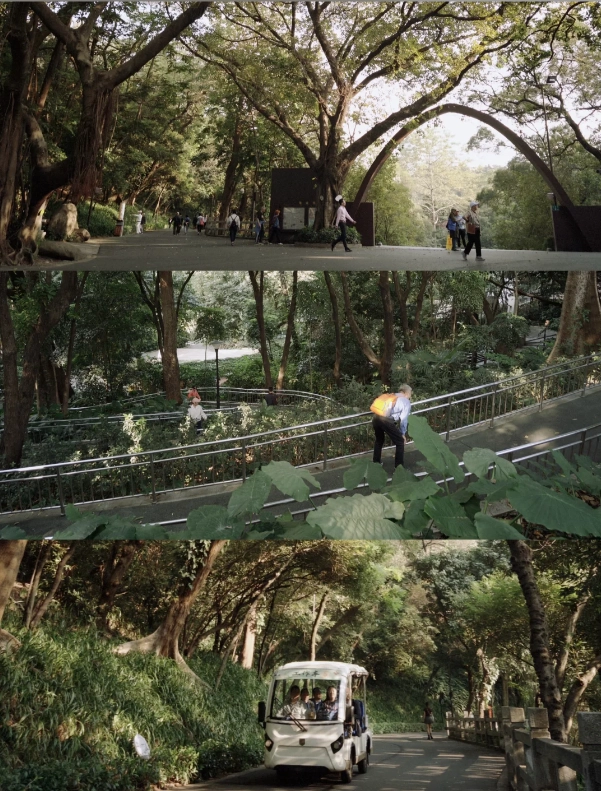
Day 2: The Modern Icon & Colonial Echoes
Today contrasts green spaces, colonial history, and jaw-dropping modernity.
Stop 1: Yuexiu Park. Metro Line 2 to Yuexiu Park Station, Exit B1. The park is huge and free. Your target is the Five Rams Statue, the city symbol. It's a 15-minute walk from the entrance. Go early (before 10 AM) to avoid the heat. You can also see remnants of the old city wall here.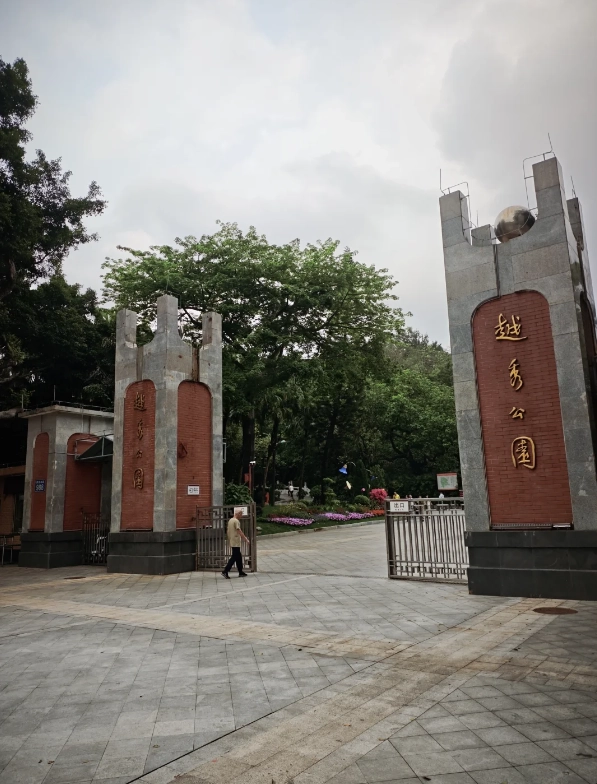
Stop 2: Shamian Island. From the park's south gate, take a taxi (15 mins, RMB 20) or walk 25 minutes. This is the former British and French concession. It feels like Europe. The banyan trees are incredible. My tip: The main historic buildings are on the central avenue, but the real charm is in the side lanes. Look for the old Catholic church and the former British consulate. There are decent Western-style cafes here if you need a coffee fix.
Stop 3: Canton Tower. As evening approaches, take Metro Line 6 from Huangsha Station (near Shamian) to Canton Tower Station. Book your ticket online for the observation deck. The basic 433m viewing platform (RMB 150) is enough for most. Pay extra for the bubble tram if you're feeling brave. Aim for a slot 60-90 minutes before sunset. You'll see the city in daylight, watch the sunset, and see the lights come on. It's three views for the price of one. Afterward, ride the driverless APM line (a separate metro) from the tower to Tianhe Sports Center. It feels like a ride into the future.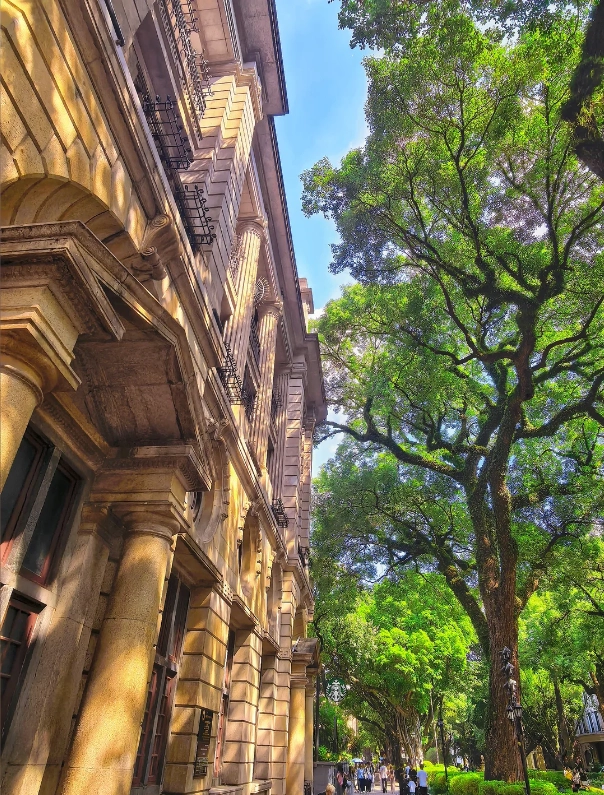
Day 3: Local Life, Markets & River Views
A slower day soaking in the city's pulse.
Stop 1: Qingping Market. Metro Line 6 to Cultural Park Station, Exit D. Walk 5 minutes. This is a traditional market. It's... intense. You'll see dried seafood, herbs, and sometimes live animals. Go for the atmosphere, not to buy. Be respectful with your camera. An hour is plenty.
Stop 2: Sacred Heart Cathedral (Stone House). A 10-minute walk from the market. This fully stone-built Gothic cathedral is stunning. Entry is free. Check opening hours online as they close for lunch (usually 11:30 AM - 1:30 PM). The interior is peaceful, a world away from the market chaos outside.
Stop 3: Beijing Road Pedestrian Street. Walk 15 minutes or take a short taxi. This is a modern shopping street built over ancient road foundations. Look for the glass-covered excavations showing the old Song Dynasty pavement. It's a great place for last-minute shopping or snacks.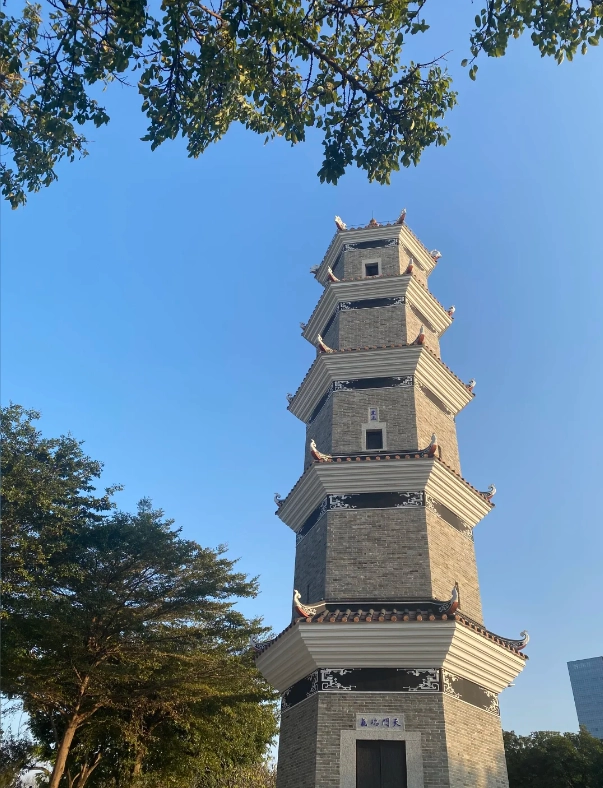
What to Eat in Guangzhou (And Where)
You can't do a classic Guangzhou itinerary without eating like a king. Cantonese food is about fresh, subtle flavors.
Dim Sum (Yum Cha): This is a morning or lunch ritual. Don't go to your hotel. Go local. Panxi Restaurant near Liwan Lake Park is an institution with an English picture menu. Their shrimp dumplings (har gow) and barbecue pork buns (char siu bao) are flawless. Go around 10:30 AM to avoid the peak rush. Budget RMB 80-120 per person.
Roast Goose: As mentioned, Bing Sheng is reliable. The skin is crackling, the meat juicy. My table always orders a plate of stir-fried milk with crab meat alongside it – a creamy, savory classic.
Wonton Noodles: For a quick, perfect bowl, find a branch of Bao Hua Noodle Shop. They're everywhere. The noodles are springy, the broth clear and savory. About RMB 25.
Street Food on Dexing Lu: Try the rice noodle rolls (cheung fun) from a steamy street stall. Point to what you want. A serving costs about RMB 10.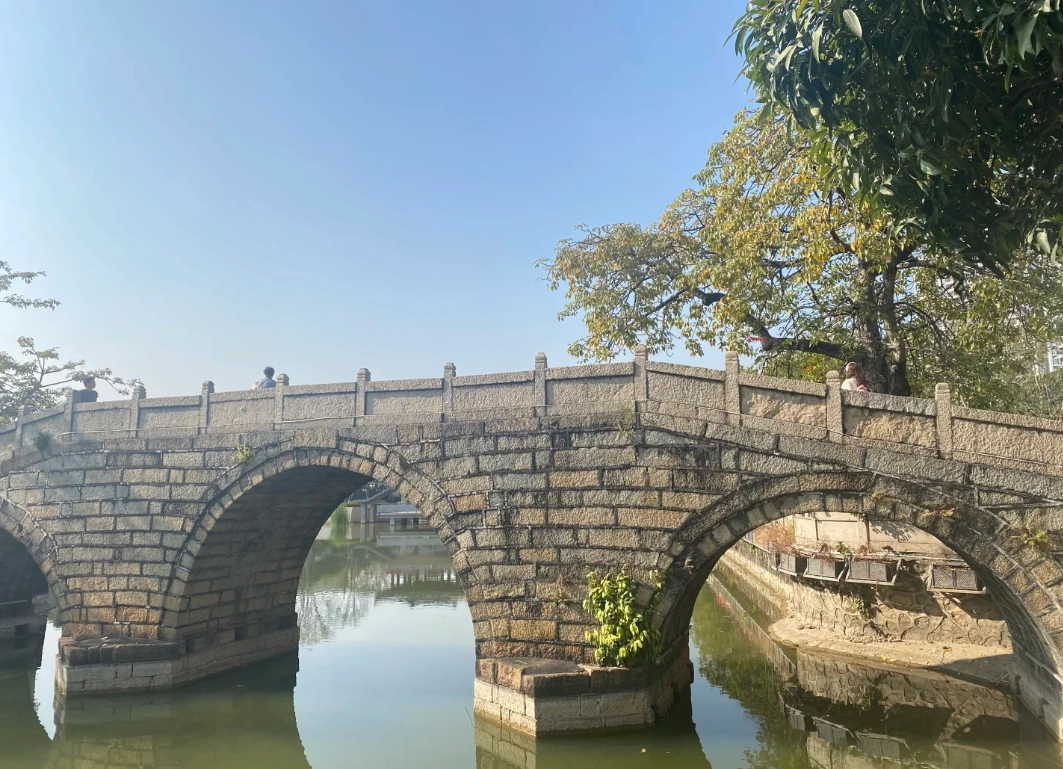
How to Get Around Guangzhou Like a Pro
The metro is your best friend. It's clean, cheap, and signs are in English. Buy a Yang Cheng Tong transport card at any station for a RMB 20 deposit. Top it up and tap for metro and buses. Saves you queueing for tickets.
Taxis & Ride-Hailing: Use DiDi (the Chinese Uber). You can link an international credit card. It's often cheaper than hailing a cab and avoids language issues. For short trips between metro stations and sights, they're ideal.
Walking: Google Maps works, but for precise walking directions, use Baidu Maps or Apple Maps. They have more up-to-date local path info.
Biggest Time-Saver: Avoid surface road travel between 7:30-9:30 AM and 5:00-7:30 PM. Stick to the metro during these rush hours.
Your Classic Guangzhou Itinerary FAQs
This is tough, but doable. Prioritize the city's dual identity. Morning: Chen Clan Ancestral Hall (book the first slot). Late Morning: Taxi to Shamian Island for a stroll. Lunch: Cantonese roast goose on or near Shamian. Afternoon: Take the metro to Canton Tower Station, visit the observation deck late afternoon. Evening: Walk along the Pearl River Promenade near the tower for the light show, then have a quick dinner in Zhujiang New Town. You'll miss the deep history but catch the iconic old, colonial, and modern highlights.
Generally, yes. The rule I give my clients: look for stalls with a high turnover of local customers. Fresh food is safe food. Stick to cooked items like noodles, rice rolls, or grilled skewers. Avoid pre-cut fruit salads sitting in the open. Bottled water is your friend. I've been eating from specific vendors for years without issue.
They underestimate the weather and the walking. Guangzhou is subtropical. From April to October, it's hot and humid like a sauna. They wear jeans and heavy shoes, then are miserable by 11 AM. Dress in light, breathable fabrics. Carry water everywhere. And they try to see five far-flung sights in one day, spending hours in traffic. My itinerary above groups things geographically for a reason. Slow down.
For the major ones, absolutely. It's not 2019 anymore. The Chen Clan Ancestral Hall, Canton Tower, and Pearl River cruises all require online reservations, often for a specific time slot. You can usually book these on their official websites or via travel platforms like Trip.com. For temples and parks (Yuexiu, Six Banyan Trees), you can often buy tickets at the gate, but even then, having an e-ticket speeds you past the lines.
For first-timers, I recommend staying near a metro station on Line 1 or Line 2. The area around Gongyuanqian Station (Line 1/2 interchange) is central, safe, and has lots of food options. You'll be a short ride from both old and new Guangzhou. Hotels like the Holiday Inn Guangzhou City Centre or local boutique hotels there are solid choices. Avoid staying way out in the far suburbs; you'll waste precious time commuting.
There you have it. A classic Guangzhou itinerary built on a decade of getting it right (and seeing others get it wrong). This plan respects the city's pace, its food, and its layers of history. Print this, save it on your phone, and go explore. You'll see the real Canton.
This article is based on personal, on-the-ground guiding experience. Details like pricing and opening hours are subject to change, so always double-check official sources before your visit.






No comments yet.