 Peng Gao
Alright, listen up. I've been guiding folks through Xi'an for over a decade. I've seen every mistake in the book: tourists sprinting through the Terracotta Army at noon, getting lost in the Muslim Quarter without tasting the good stuff, and trying to bike the entire city wall in midday heat. It's painful to watch.
This isn't another generic list. This is the exact plan I give my friends when they visit. It's a classic Xi'an itinerary because it hits the non-negotiable highlights—the Army, the walls, the food streets—but it does so smartly. You'll see more, wait less, and eat better than 90% of the tour groups shuffling around you. We'll weave in a few spots most foreign blogs miss, because seeing the ancient capital means feeling its layers, not just checking a box.
Your Quick Navigation Map
Day 1: Ancient Walls and Food Calls
Start strong, but start smart. Jet lag is real. We're staying central today.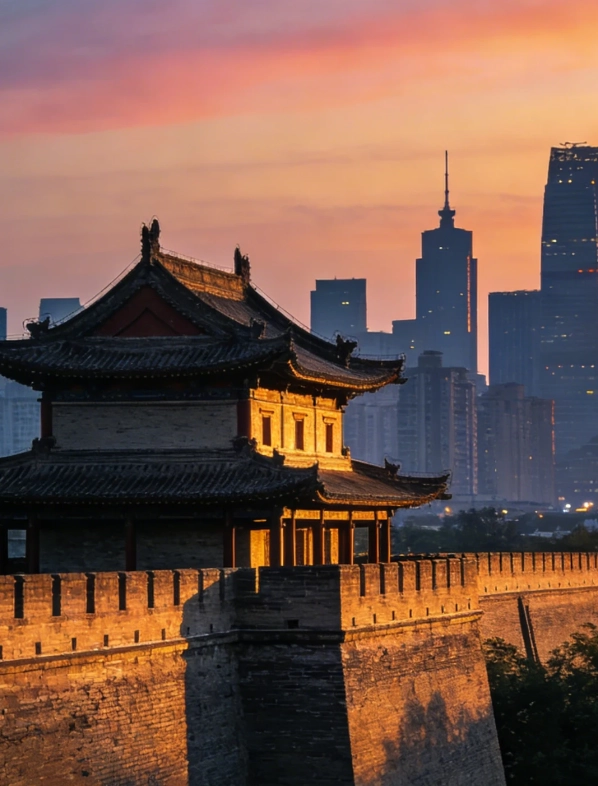
Morning (9:00 AM): The City Wall & A Strategic Bike
Head straight to the Xi'an City Wall (Chang'an Lu Dengchang Kou). Most guides say "go to the South Gate." I say, for a first-timer, use the South Gate (Yongningmen) entrance. It's the most impressive, best restored, and has the most rental bikes. But here's the twist: Do not attempt the full 14-kilometer circuit. It's a marathon, not a sprint, and the northwestern section is less scenic.
My proven tactic: Enter at South Gate. Walk the wall for 15 minutes to absorb the scale. Then, rent a bike at the rental station just east of the gate. Ride east towards the East Gate (Changlemen). This 3-4 km stretch offers the best views of the modern city against the ancient backdrop. Bike to the East Gate, return your bike there (they have a return point), and exit. Total active time: 90 minutes max. You've experienced the iconic activity without burning your legs for the rest of the trip.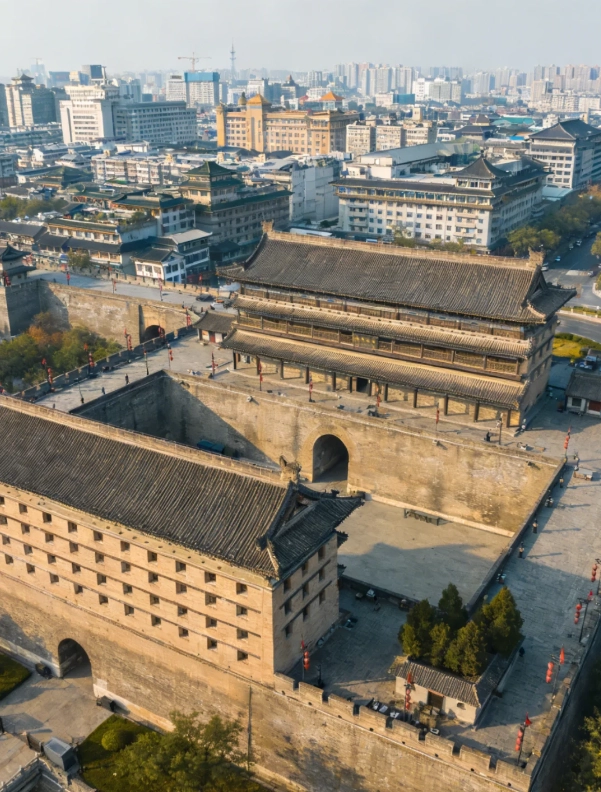
City Wall Essentials: Open 8:00 AM-10:00 PM (last entry 9:00 PM). Admission: 54 RMB. Bike rental: 45 RMB for 3 hours (200 RMB deposit, cash or Alipay/WeChat). Must-do: Check the bike's tires and brakes before you accept it. I've seen too many slow leaks. The wall is exposed—bring water, a hat, and sunscreen. If it's raining, skip the bike and just walk a section under the towers.
Afternoon (1:00 PM): The Quiet Giant - Stele Forest Museum
A 10-minute walk south from the City Wall's South Gate brings you to the Forest of Stone Steles Museum (Beilin Museum). This is my secret weapon. While the crowds are at the Big Wild Goose Pagoda, you'll be surrounded by 3,000 ancient stone tablets in a serene, former Confucian Temple. It's history you can touch. The calligraphy is stunning, and the "Stone Classics" room feels like a library carved in rock. It's cool, quiet, and profoundly impressive. Budget 1.5 hours.
Address: 15 Sanxue Jie. Hours: 8:00 AM-6:30 PM (Mar-Nov), 8:00 AM-6:00 PM (Dec-Feb). Ticket: 65 RMB. No need to pre-book.
Evening (6:00 PM Onwards): The Muslim Quarter Feast
Now for the famous Muslim Quarter (Beiyuanmen). The key is not to eat at the first crowded stall you see on the main tourist drag (Beiyuanmen Street). That's for amateurs.
Here's the local move: Enter from the west end, near the Drum Tower. Walk through the chaos for the atmosphere, but your target is the parallel alley to the north called Xiyangshi. It's less crammed, has more sit-down options, and the quality is generally higher.
My personal dinner route: Grab a roujiamo (stewed meat in flatbread) from Lao Sun Jia (a chain, but consistently good). Then, find a table at Jia San Guan Tang Bao for their legendary soup dumplings (guan tang bao). Order the lamb ones. Use the straw to sip the soup first—it's an art. Finish with a cup of persimmon cake from a street vendor (look for the sizzling flat grills).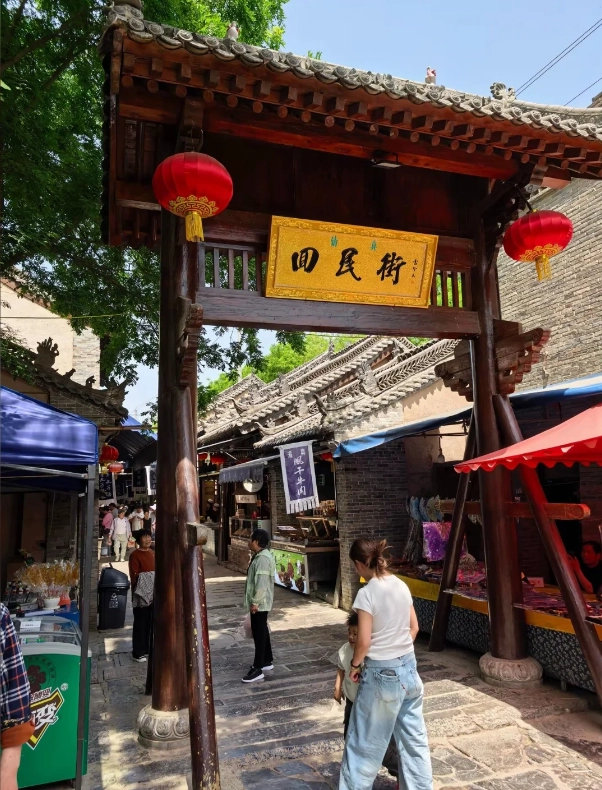
Food Street Reality Check: It will be packed after 7 PM. Go early. Most small vendors are cash-only or use Chinese mobile pay (Alipay/WeChat). Larger restaurants might accept cards. Very few have English menus, but pointing works. Don't drink tap water; buy bottled. The bathrooms in the area are... challenging. Use the one in the McDonald's near the entrance if desperate.
Day 2: The Terracotta Legacy
This is the big one. A day trip to the Mausoleum of the First Qin Emperor and the Terracotta Army. How you do this defines your Xi'an experience.
Getting There: The Right Transport
For independence: Take Metro Line 9 to Huaqingchi station (about 1 hour from the city center). From there, catch bus 602 or 613 directly to the parking lot. Total cost under 20 RMB. For sheer ease: Book a private car/driver for the half-day. It costs 300-400 RMB roundtrip but saves 90 minutes of logistics. For groups, it's a no-brainer.
Do NOT just take a random "tourist bus" from the train station area. They are notorious for detours to souvenir shops.
The On-Site Strategy: Reverse the Order
Everyone beelines to Pit 1. So, don't. Arrive for opening at 8:30 AM if you can.
- First, visit the Exhibition of Bronze Chariots and Horses (near the entrance). It's indoors, air-conditioned, and houses the mind-blowing, half-size bronze chariots. You'll appreciate the scale and detail before seeing the army. Takes 30 minutes.
- Next, Pit 2. It's the "brain" of the operation—mostly unexcavated, with display cases showing the different soldier types (kneeling archer, general, cavalry). It sets the context.
- Finally, Pit 1. Now you walk in knowing what you're looking at. The first glimpse of that cavernous hall with 6,000 figures is still staggering. The light is often better mid-morning anyway. Spend your time here.
Pit 3 is small, the command post. You can see it quickly on your way out.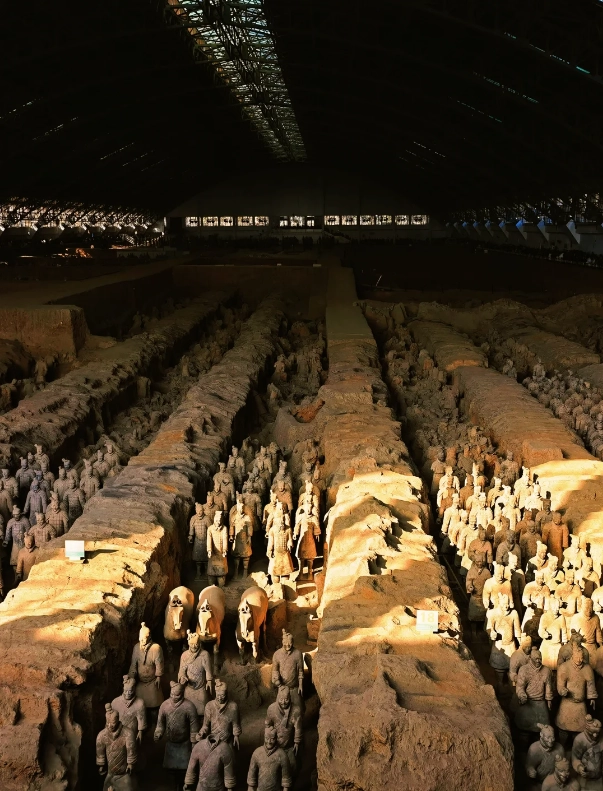
Terracotta Army Facts: Open 8:30 AM-5:00 PM (last entry 4:30). Ticket: 120 RMB. You MUST book online in advance via their official WeChat mini-program or platforms like Trip.com. Walk-up tickets are often sold out. Allow 3-4 hours on site. Wear comfortable shoes—it's a lot of walking on concrete. The on-site cafeteria is overpriced and mediocre. Eat a big breakfast or pack snacks.
Afternoon Option: Huaqing Palace or Return
If you have energy, the Huaqing Palace hot springs are right by the train station you used. It's a Tang Dynasty imperial bath complex with a lovely lake and the setting of a famous love story. Nice, but skippable if you're tired.
Better plan: Return to the city by 3 PM. Rest. Then, head out for a relaxed dinner away from the tourist zones. Try Defachang on Dong Dajie for proper Xi'an dumpling banquet (they have an English menu).
Evening Show: Tang Dynasty Dance
If you want a show, the "The Song of Everlasting Sorrow" at Huaqing Palace is epic (but you need to stay out there). In the city, the Tang Dynasty Music and Dance Show at the Shaanxi Grand Opera House is the classic tourist option—a bit cheesy but colorful. I often recommend clients just wander the lit-up Bell and Drum Towers at night instead. The view from the open plaza is free and magical.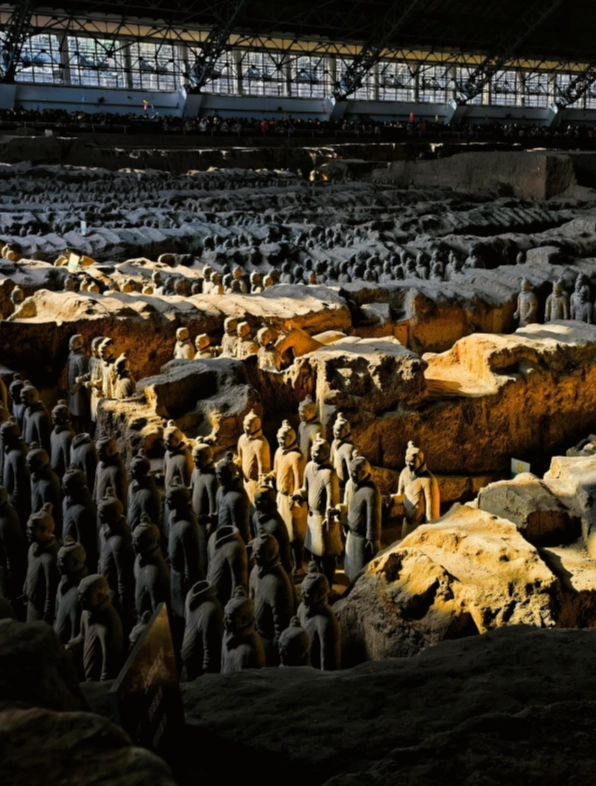
Day 3: Deeper into the Capital
You've seen the icons. Now let's add texture.
Morning: The Big Wild Goose Pagoda & A Hidden Cafe
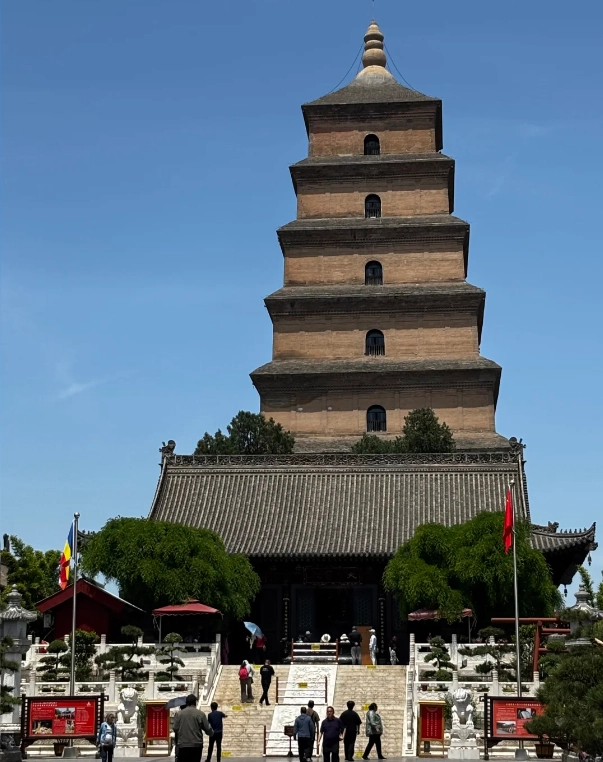
The Big Wild Goose Pagoda (Dayanta) in the Daci'en Temple complex is worth seeing. But don't just stare at it from outside. Pay to enter the temple grounds (40 RMB). The atmosphere is peaceful. Climbing the pagoda costs extra (25 RMB) and involves a tight, steep staircase—only for the fit and non-claustrophobic.
The real gem is the area south of the temple. Walk 10 minutes down Xiaozhai East Road and you'll find Xi'an's best coffee scene tucked into alleys. M+ Cafe is a favorite. Sitting there with a flat white, watching local life, is a perfect modern contrast to the morning's ancient history.
Afternoon: Choose Your Vibe
Option A (History Buffs): Shaanxi History Museum. It's world-class. Pre-booking is MANDATORY and difficult. Free tickets are released on their official website/WeChat days in advance and vanish in seconds. Your better bet is to book a paid exhibition ticket (around 30 RMB) on Trip.com, which includes general entry. Go for it if you secure tickets.
Option B (Local Life): The City's Soul. I prefer this. Take a taxi to the Xingqing Palace Park. It's a massive park where locals dance, sing opera, and play chess. Then, explore the Shuyuanmen cultural street (near the South Gate). It's a quieter, more artistic street selling calligraphy supplies and replicas. Finish by walking through the Hui Alley (Huifang) area—it's like the Muslim Quarter's quieter, more residential cousin, with fantastic food.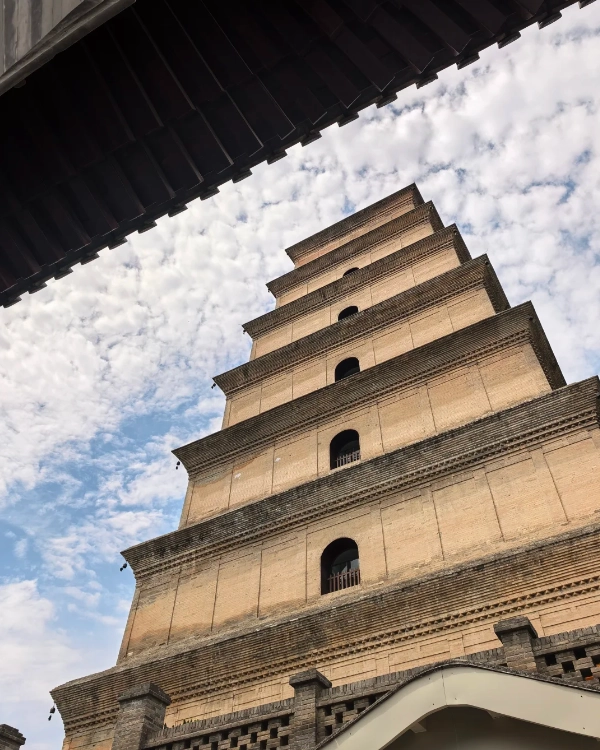
Final Night Dinner: A Feast Without the Frenzy
Skip the Quarter tonight. Go to Chunfasheng on Fenxiang Jie for their biangbiang noodles (wide, belt-like noodles). It's loud, chaotic in a local way, and delicious. Or, for a sit-down experience, Xi'an Family near the Bell Tower has a great English menu and does all the classics well.
Where to Stay: The Base Camp
Location is everything. You want to be inside the city walls, south of the Bell Tower. This puts you within walking distance of the walls, the Muslim Quarter, and multiple metro lines.
| Area | Best For | Hotel Example & Address | Pro Tip |
|---|---|---|---|
| Inside South Gate | First-timers, convenience | Grand Noble Hotel 2 Shuncheng Dongxiang |
5-min walk to wall, 10-min to Quarter. Reliable 4-star with good breakfast. |
| Near Bell Tower | Nightlife, foodies | Atour Hotel (Bell Tower) 1 Nanguo Fang |
Modern Chinese chain. Great service, free laundry. Rooms on higher floors have epic tower views. |
| Xiaozhai / South of Wall | Modern vibe, shopping | Sheraton Xi'an North City 32 Fengcheng 4th Rd |
Close to Big Goose Pagoda, great metro access. More international feel. |
I generally advise against staying right next to the train station—it's hectic and less charming.
Getting Around Like a Local
Metro: It's clean, cheap, and signs are in English. Get a "Chang'an Tong" transport card at any station (20 RMB deposit) or use the "Xi'an Metro" WeChat/Alipay mini-program to scan QR codes at the gate. Covers 95% of your needs.
Taxi/Didi: Use the Didi app (China's Uber). You can link an international credit card. For regular taxis, have your destination written in Chinese characters on your phone. Meters are honest.
Walking: The core inside the walls is very walkable. Just watch for electric scooters on the sidewalks—they're silent and deadly.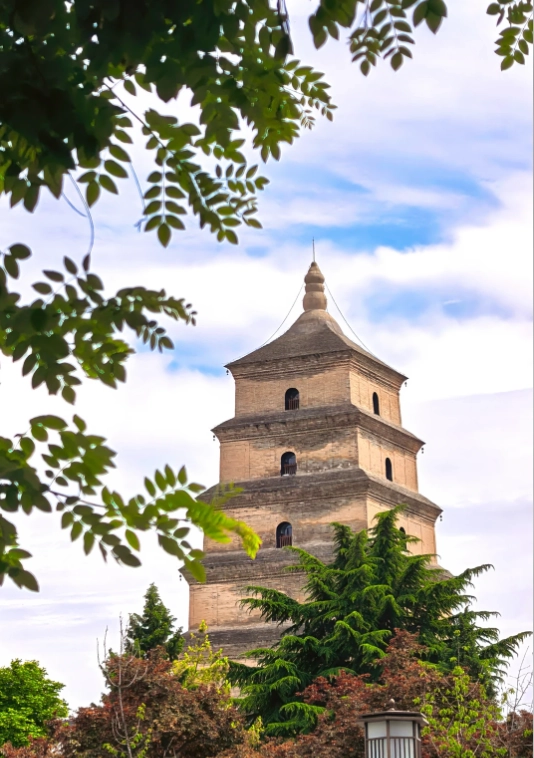
Your Xi'an Itinerary FAQs
Is two days enough for a classic Xi'an itinerary?
You can hit the absolute highlights: a rushed Terracotta Army trip and a whirlwind of the City Wall and Muslim Quarter. But you'll be exhausted and miss the context that makes Xi'an special. Three days is the sweet spot. It allows for the Army, the walls, proper food exploration, and one deeper cultural activity like the Stele Forest or History Museum.
What's the single biggest mistake tourists make with the Terracotta Warriors?
Going in the middle of the day. Tour buses arrive between 10:30 AM and 2:00 PM. The pits get hot, crowded, and the light through the windows creates a glare. Aim to be there for opening (8:30 AM) or after 3:00 PM. The crowds thin noticeably, and the experience is far more contemplative.
I'm a solo traveler on a budget. Can I follow this plan?
Absolutely. Use the metro and public bus to the Terracotta Army. Hostels in the inside-the-walls area (like Han Tang Inn) are cheap, social, and often organize shared van trips to the Army. For food, the street stalls in the Muslim Quarter are incredibly budget-friendly—a full meal can cost under 30 RMB.
What should I absolutely avoid buying or doing in the Muslim Quarter?
Avoid the pre-skewered, un-refrigerated meat on sticks that have been sitting out. Go for stalls where they skewer and grill in front of you. Don't buy "ancient coins" or "jade" from street vendors—it's all fake. Politely ignore the "photo with traditional costume" touts; the costumes are rarely cleaned properly.
Is it worth going up both the Bell Tower and Drum Tower?
Not really. They're similar inside. Pick one. I prefer the Drum Tower because they have short drum performance demonstrations at scheduled times (check the posted schedule). The view of the Bell Tower from its balcony is also the perfect photo op. A combo ticket costs 50 RMB, a single entry 30 RMB.
 There you have it. A classic Xi'an itinerary forged from a decade of getting it right (and learning from getting it wrong). This plan balances the must-sees with local rhythm, gives you concrete tools to avoid crowds, and leaves room for you to discover your own favorite noodle shop or quiet temple corner. Xi'an isn't just a history lesson; it's a living city. This plan helps you experience both. Now go book that wall bike—and check the tire pressure.
This article is based on my professional guiding experience and regular on-site visits. Attraction details are current as of my last visit.







No comments yet.