 Peng Gao
Let's be honest. You're not coming to Xi'an just to see a few old statues and a wall. You're here for the feeling. The weight of history you can almost touch. The smell of cumin and lamb fat hitting a hot grill. The moment you realize you're standing where empires began. I've been guiding folks from all over through these streets for more years than I care to count, and I've seen every mistake in the book. The rushed tours, the overpriced souvenirs, the long lines for the wrong noodles. This isn't another listicle. It's your blueprint for a trip that gets under the skin of this ancient capital.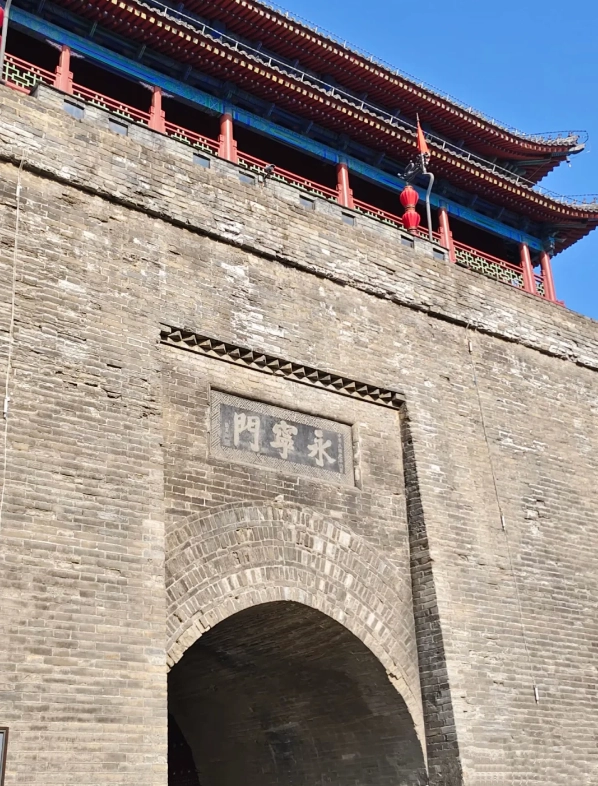
Your Xi'an Game Plan
The 24-Hour Blitz (When Time is Tight)
Got just one day? It's brutal, but doable if you move with purpose. Forget seeing everything. We're going for impact.
Morning (7:30 AM - 12:30 PM): The Warriors, The Right Way. Most buses arrive at the Terracotta Warriors Museum around 10 AM. We're beating them. Book your ticket online in advance via the official "Museum of Emperor Qinshihuang's Mausoleum" site. Take a taxi directly from your hotel (cost: around 150-180 RMB from the city center, 45-60 mins). Arrive at 8:30 AM when the gates open. Head straight to Pit 1—it's the iconic one. The light is softer, the crowds are thin, and you can actually hear yourself think. Spend 90 minutes here. Pits 2 and 3 are smaller; give them 30 mins combined. Skip the expensive souvenir hall near the exit. The best replicas are sold in town for half the price.
Afternoon (1:30 PM - 6:00 PM): The Heart of the Old City. Get back to town. Have your driver drop you at the Yongning Gate (South Gate) of the City Wall. Grab a quick lunch nearby—look for a place with a line of locals for liangpi (cold skin noodles) or roujiamo (Chinese burger). Then, walk onto the wall. Don't try to walk the whole 14 km. Instead, rent a bike from the rental station right on top of the South Gate. A two-hour bike rental costs about 45 RMB. Cycle east towards the East Gate. The view of the modern city against the ancient wall is something else. You can loop back in about an hour.
Evening (6:30 PM onwards): Bell Tower & The Muslim Quarter. Come down from the wall and walk 10 minutes north to the Bell Tower. See it lit up at night—that's the best view, no need to go inside. Then, dive into the Muslim Quarter. This is dinner. Don't eat at the first crowded stall. Walk deeper, past the main tourist drag on Beiyuanmen Street. The parallel street, Xiyangshi, has better, more authentic food. Look for Jia San Guan Tang Bao (贾三灌汤包) for soup dumplings or any small shop with a big pot of yangrou paomo (crumbled bread in mutton stew). Point at what you want. It's loud, chaotic, and perfect.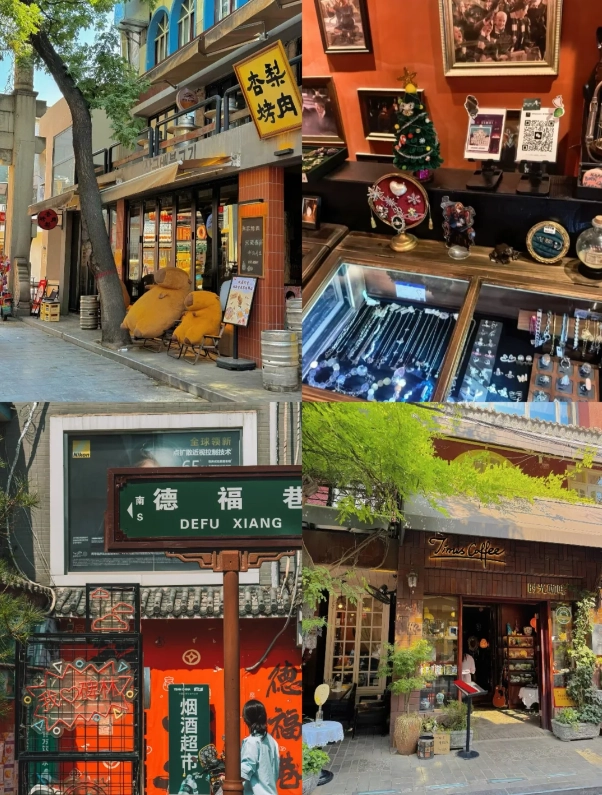
The Three-Day Deep Dive
This is the sweet spot. You can breathe, wander, and even have a lazy morning.
Day 1: The Imperial Icons
Follow the 24-hour blitz plan above for the Terracotta Warriors and City Wall. In the evening, instead of rushing the Muslim Quarter, book a show. The Tang Dynasty Dance Show at the Shaanxi Grand Opera House is touristy but visually stunning. Book through your hotel.
Day 2: History, Culture & Calm
Morning: Visit the Shaanxi History Museum. This is non-negotiable. It puts everything you're seeing into context. You MUST book a free ticket reservation online 3-7 days in advance on their official website or WeChat. No reservation, no entry. Arrive for your timed slot. Hire an audio guide (40 RMB) or a human guide at the entrance (around 150 RMB for a small group). Spend 2.5 hours here.
Afternoon: Take the metro to Xiaozhai Station (Exit D). You'll emerge right next to the Giant Wild Goose Pagoda and the massive Great Tang All Day Mall. The Pagoda is fine, but the real magic is in the Da Ci'en Temple grounds at its base. It's a peaceful oasis. Later, explore the mall's fountains—they put on a great free show at scheduled times (check the board).
Evening: This is your night for the Muslim Quarter. Take your time. Try the pomegranate juice (freshly squeezed, not bottled), the hongyou juntuan (spicy cold noodles), and finish with a rose cake from a vendor with a long line.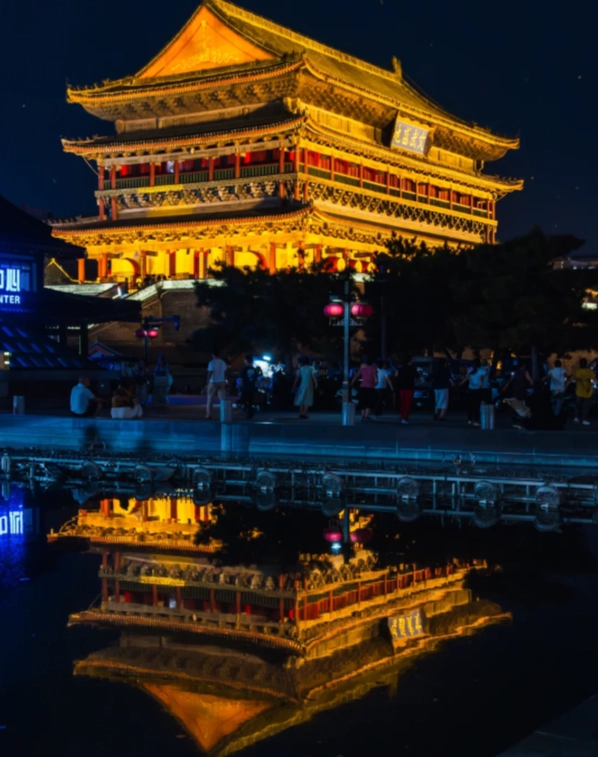
Day 3: Local Life & Hidden Corners
Morning: Escape the downtown. Head to the Xi'an Museum and the adjacent Small Wild Goose Pagoda area. It's less crowded, just as historic, and the museum's collection is superb. The park around it is where locals do tai chi.
Afternoon: Explore the Shuyuanmen cultural street (near the South Gate inside the wall). It's quieter, sells traditional calligraphy supplies and art, and has some lovely tea houses. Perfect for a relaxed wander and souvenir hunting that isn't warrior figurines.
Evening: Find a local craft beer bar in the Defu Xiang alleyway area. It's a hipster hub that shows you Xi'an's modern face. Or, for something truly special, take a taxi to the Banpo Museum area in the late afternoon to see a Neolithic village site, then stay for the nearby Chan River scenery.
Beyond the Terracotta Army: Hidden Gems Most Tours Miss
Everyone does the Warriors. Here's where you earn your travel stripes.
The Tomb of Emperor Jingdi (Hanyangling): Located north of the Wei River, this is the Terracotta Warriors' cooler, more intimate cousin. Instead of soldiers, you see thousands of smaller, naked pottery figures—servants, animals, guards. The site is partially an active archaeological dig, and you walk on glass over the pits. It feels raw and undiscovered. Take tourist bus line 4 from the Xi'an Railway Station. It's worth the 45-minute trip.
Huaqing Palace: On the way back from the Terracotta Warriors, ask your driver to stop here. It's a hot spring palace at the foot of Mount Li, famous for a tragic love story. The pools are beautiful, but the real reason to come is to see the live outdoor epic song-and-dance show "The Song of Everlasting Sorrow" held on the mountain lake. Book tickets ahead. It's spectacular.
Gao's Grand Courtyard: Tucked in a back alley of the Muslim Quarter, this 400-year-old former merchant's home is now a folk museum. For a 15 RMB ticket, you get a silent, dusty glimpse into old Xi'an life, far from the food stall frenzy outside.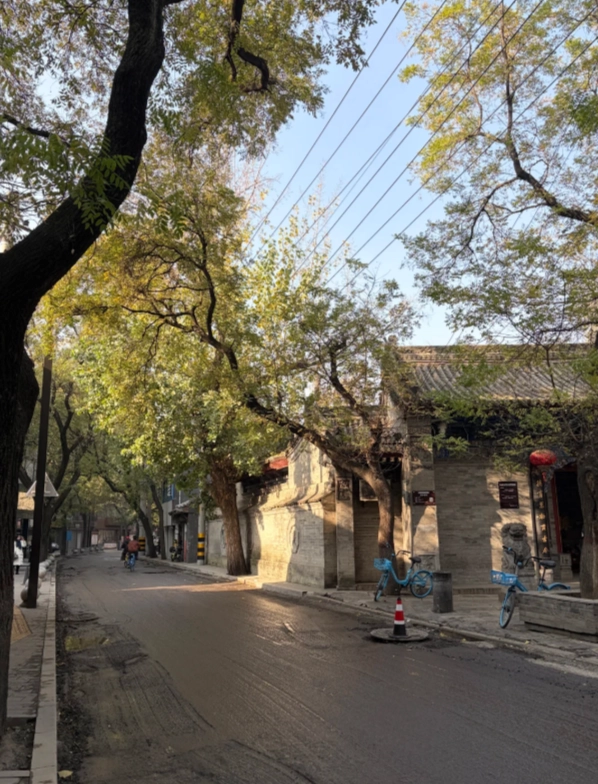
How to Eat Like a Local (And Avoid Tourist Traps)
The Muslim Quarter is ground zero, but it's a minefield of overpriced, mediocre food aimed at tourists. Here's my personal hit list.
| What to Eat | Where to Find It | What to Know |
|---|---|---|
| Yangrou Paomo (Mutton Stew) | Tong Sheng Xiang. Multiple locations, but the one near the Bell Tower is reliable. Address: 1/F, 5 West Street. | They give you bread to crumble yourself. Take your time. The finer the crumbs, the more "local" you look. A bowl is a full meal. Costs 35-50 RMB. |
| Roujiamo (Meat Burger) | Wang Kui's Roujiamo. Look for the blue signs. A great chain. Or any small shop with a steaming pot of meat. | Ask for fei shou (fat and lean) for the best flavor. The pork version is classic. About 12 RMB each. |
| Biang Biang Noodles | Biang Biang Mian (Sanyuan Lane). Address: 80 Sanyuan Lane. Not in the main Muslim Quarter. | The name comes from the sound of slapping the dough. Get them with the chili oil and pork sauce. Huge portion, around 20 RMB. |
| Local Breakfast | Any bustling residential area. Look for places with plastic stools. Hu La Tang (pepper soup) and jianbing guozi (savory crepes) are staples. | This is where you'll see zero tourists. Point at what others are eating. A breakfast feast costs under 10 RMB. |
Payment: Most small stalls and restaurants now accept AliPay/WeChat Pay. International credit cards (Visa/Mastercard) are only common in hotels and high-end restaurants. Always carry some cash (RMB).
My biggest food tip: If a menu has pictures with English and prices way above 30 RMB for a simple dish, keep walking. The best food is often in places with no English menu at all. Use translation apps or just point.
Xi'an Practical Tips: Getting Around, Staying Safe, Saving Money
Getting Around: The metro is clean, cheap, and covers most tourist spots. Buy a single-ride token from the machines (English option available). Didi (China's Uber) is reliable—have your hotel write your destination in Chinese to show the driver. Taxis are plentiful; ensure they use the meter.
Tickets: For the Terracotta Warriors, Shaanxi History Museum, and City Wall, book online in advance. This saves hours of queuing. The official WeChat mini-programs or websites are the way to go.
Money: ATMs are widespread. Inform your bank you're traveling. Small vendors prefer mobile pay, but cash is king in markets.
Safety: Xi'an is very safe, even at night. The main risk is pickpockets in the packed Muslim Quarter. Keep your bag in front of you.
Bargaining: Expected in markets (like the one near the Great Mosque) and for souvenirs. Start at 30% of the asking price and meet in the middle. Not in fixed-price stores or restaurants.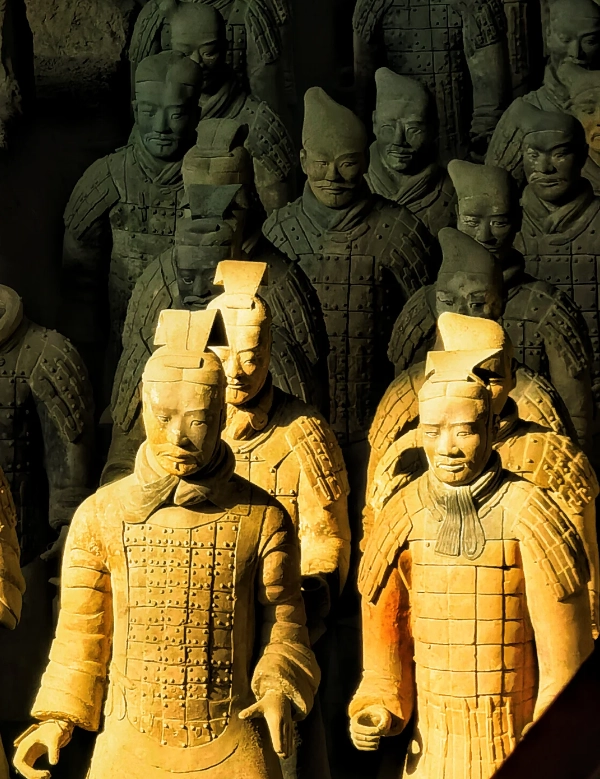
FAQ: Your Xi'an Questions Answered
Xi'an isn't a city you just check off a list. It's a place you feel. It's in the dust kicked up from a thousand years, the sharp taste of chili oil, and the quiet awe of standing before an ancient army. Ditch the rigid tour group itinerary. Use this guide as your starting point, then get lost down a side alley. That's where the real Xi'an is waiting for you.
This article is based on my personal, on-the-ground experience guiding travelers through Xi'an for over a decade. Details like pricing and opening hours are checked regularly, but always verify with official sources before your visit as policies can change.






No comments yet.