 Ling Wu
Your Quick Guide to This Page
Alright, let's talk about Guilin. I've lost count of the tours I've led here. The postcards don't lie – those jagged limestone peaks rising from misty rivers are real. But here's the thing most generic guides miss: seeing them right. You can easily waste a day on a crowded boat or miss the secret viewpoint that makes all the difference. My job is to make sure you don't.
Based on over a decade of getting people's photos just right and hearing their "wow" moments, here are the five spots that consistently deliver. This isn't just a list; it's your playbook for navigating Guilin like someone who knows where the quiet paths are.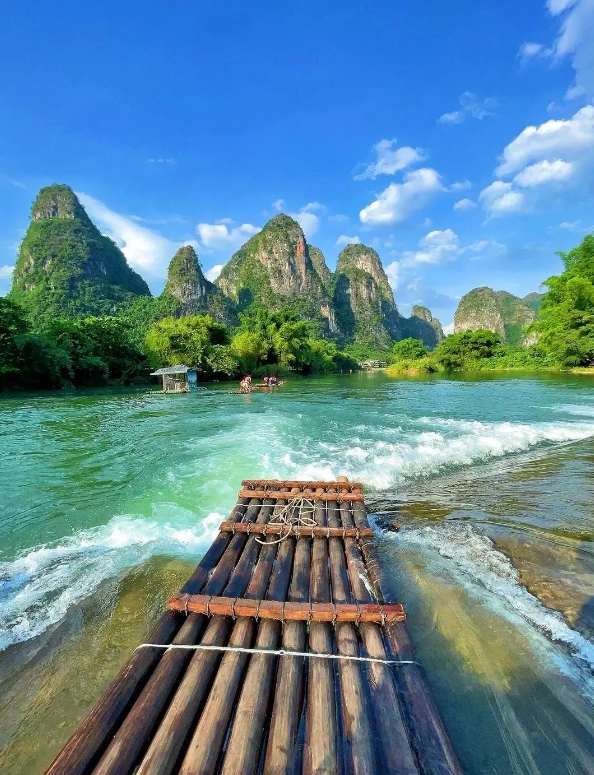
Top 5 Guilin Attractions, Ranked
Think of this as your cheat sheet. I've put the essential info in a table so you can compare at a glance, but the real gold is in the details below it.
| Attraction | Location / Address | Key Experience | Ticket Price (Approx.) |
|---|---|---|---|
| 1. Li River (Lijiang) | Zhujiang Pier, Guilin to Yangshuo | Scenic cruise through painted landscape | From $80 (4-star boat) |
| 2. Yangshuo Countryside | Yangshuo County (town & surrounding area) | Biking, hiking, local village life | Free (bike rental ~$3-5) |
| 3. Longji Rice Terraces | Longsheng County, 2.5hrs from Guilin | Hiking among "Dragon's Backbone" terraces | ~$15 |
| 4. Reed Flute Cave (Ludi Yan) | 1 Ludi Road, Guilin | Subterranean limestone cave with light show | ~$18 |
| 5. Elephant Trunk Hill (Xiangbishan) | 1 Binjiang Road, Guilin | Iconic riverside hill, symbol of Guilin | ~$10 |
1. Li River Cruise: The Classic for a Reason
Full Address: Cruises depart from Zhujiang Pier (Zhujiang Matou) in Guilin, arriving at Shuidongmen Pier in Yangshuo. The exact pier can change based on water levels, so confirm with your booking agent.
Getting There & The Crucial Choice: Most tourists take a taxi to Zhujiang Pier. But here's the insider move everyone misses: you have to choose the right cruise segment. The full 4-5 hour cruise from Guilin to Yangshuo is the famous one. However, the most concentrated, stunning scenery is actually on the Yangdi to Xingping section. If you're short on time or patience, book a shorter cruise or even a motorized bamboo raft from Yangdi. You'll see the same iconic views (like the spot on the 20 RMB note) without the long middle section that's comparatively flat.
My On-Boat Advice: Book a 4-star boat or higher. The standard 3-star boats are packed, noisy, and have mediocre food. The upgrade is worth it for space and peace. Once onboard, claim a spot on the upper deck, forward-facing side immediately. The views are 360 degrees, but that's the prime photo spot. Don't just sit inside the cabin eating the mediocre buffet lunch the whole time – you'll miss it.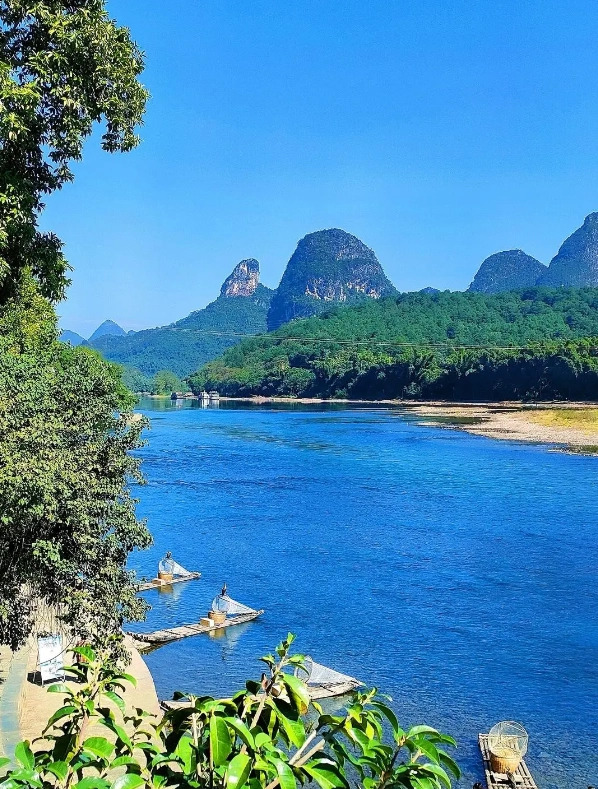
2. Yangshuo Countryside: Beyond West Street
Location: Yangshuo Town and the endless villages around it like Jiuxian, Yulong River area, and Fuli.
Most people get off the Li River cruise, walk through the touristy West Street (fun for an hour, overrated for more), and think they've "done" Yangshuo. Big mistake. The real magic is renting a bike (or an e-bike if you're not up for pedaling) and getting lost on the paths between the rice paddies.
How to Do It Right: From Yangshuo town, head towards the Yulong River. You can find bike rentals everywhere for about $3-5 for the day. The path is mostly flat. Your goal isn't a specific destination; it's the journey. Stop at a farmer's house for tea, watch cormorant fishermen (the real ones work in the early morning or dusk, not the staged midday shows), and cross ancient stone bridges. For a more structured route, bike to the Gongnong Bridge area – it's less crowded and feels timeless.
Consider a bamboo raft on the Yulong River. It's smaller, more intimate, and you can often arrange for your bike to be transported to your landing point downstream. A local operator like Yangshuo Travel can help arrange this seamlessly.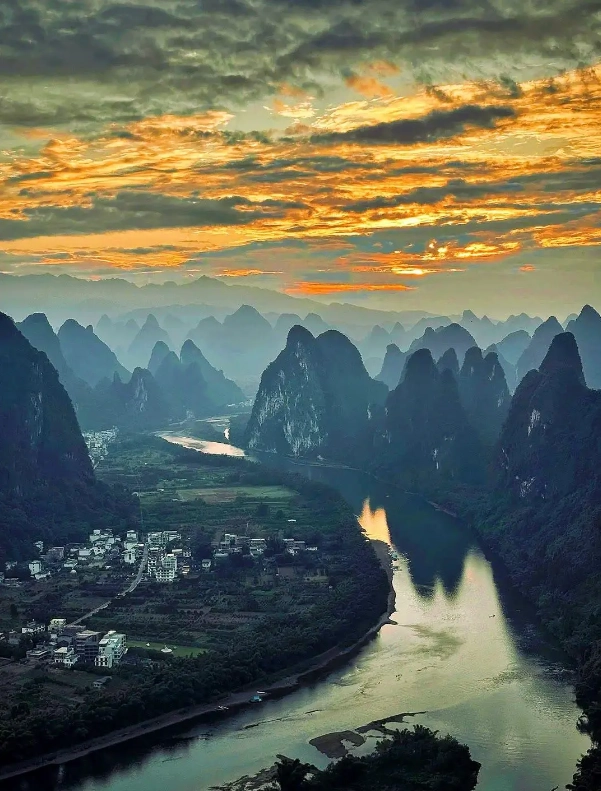
3. Longji Rice Terraces: The Dragon's Backbone
Full Address: Longsheng Various Nationalities Autonomous County, about 100km north of Guilin city.
Getting There: You need a private car or tour bus. Public buses exist but are slow and drop you far from the villages. The drive is 2.5 hours of winding mountain roads. If you get carsick, prepare.
Which Village to Choose: This is critical. There are two main areas: Ping'an Village (more developed, easier walks, great for first-timers) and Dazhai Village / Jinkeng Terraces (larger, more spectacular, with cable car access). My strong preference is Dazhai. The "Golden Buddha Peak" viewpoint after a cable car ride (or a 1.5-hour hike up) is simply unbeatable. Ping'an feels a bit like a tourist hotel complex built into a terrace.
Timing is Everything: The terraces are flooded and mirror-like in late May to June. They are golden and ripe in late September to October. In winter, they can be frosty and starkly beautiful, but some facilities close. Summer is lush green. There is no bad time, but your photo will be dramatically different.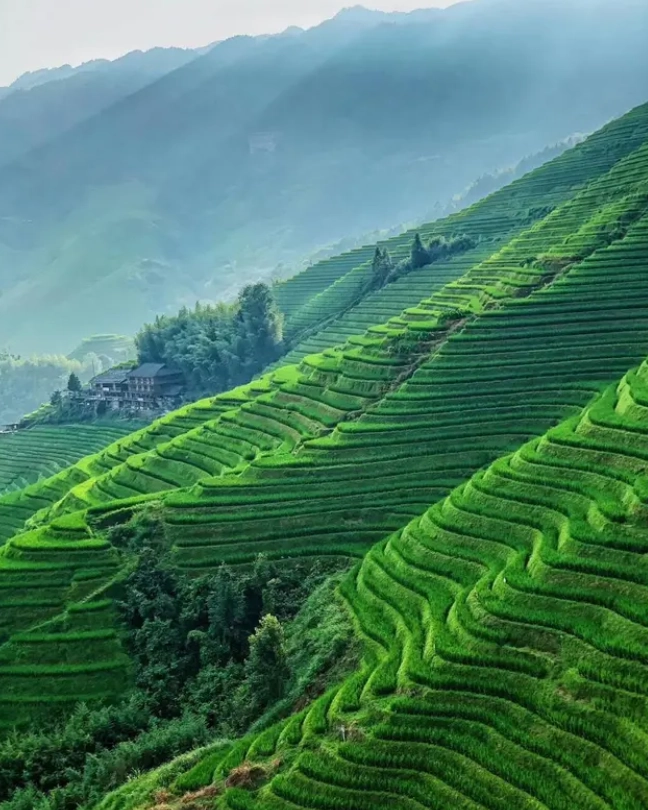
4. Reed Flute Cave: The Underground Palace
Full Address: 1 Ludi Road, Xiufeng District, Guilin. It's about 30 minutes northwest of the city center.
Getting There: Take bus #3 or #213 and get off at the "Ludi Yan" stop. A taxi is straightforward and cheap.
I'll be honest: some caves feel like a tacky, damp walk. Reed Flute Cave is different. The scale is massive, and the natural formations are given whimsical names by the colored lights. It's a consistent hit with families and anyone needing a break from the heat or rain.
Insider Schedule: Go in the late afternoon. The cave is cool year-round. Tours are guided in English and Chinese, but you can wander at your own pace. The guided tour lasts about an hour. After you exit, if you have energy, walk up the hill behind the cave entrance. There's a rarely-visited pavilion with a sneaky-good view over Guilin's northern suburbs.
5. Elephant Trunk Hill: The City's Symbol
Full Address: 1 Binjiang Road, inside the Xiangshan District of Guilin city.
Getting There: It's right in the city. Bus #2, 16, or 23 all stop nearby. You can also walk from the city center along the Li River in about 25 minutes – a lovely stroll past local life.
This is Guilin's Eiffel Tower. It's the iconic shot. The park is small and can feel overpriced for what it is. So here's how to "hack" it: You don't always need to go in. The best view of the elephant drinking from the river is actually from the opposite bank, along Binjiang Road. There's a small free viewing platform. Go at sunset. The hill is lit up, and the colors are magical.
If you do go in (worth it once), head straight to the water's edge at the "elephant's leg." There's a cave you can walk through at water level. The park also contains a small pagoda you can climb for a different vantage point.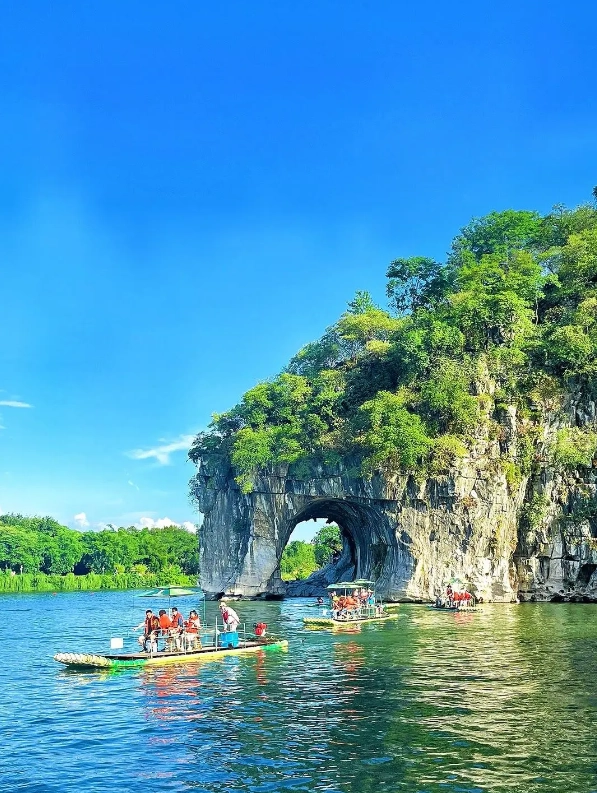
How to Plan Your Guilin Itinerary (Even With Limited Time)
Let's make this actionable. Say you only have 24 hours. Here's what I'd tell you to do:
- Morning (7:30 AM): Head straight to Elephant Trunk Hill. It opens early, and you'll have it almost to yourself. Get your iconic photo.
- Late Morning (10:00 AM): Take a taxi to Reed Flute Cave. Beat the big tour groups arriving after lunch.
- Afternoon (1:00 PM): Private transfer to Yangshuo (1.5 hours). Skip the long cruise. Check into a countryside guesthouse, not a West Street hotel.
- Late Afternoon (4:00 PM): Rent an e-bike and explore the Yulong River paths as the light turns golden.
- Evening: Watch the "Impression Sanjie Liu" light show (directed by the same guy behind Beijing Olympics) or just have a beer on a rooftop.
With 3-4 days, you can do it all comfortably: Day 1: Guilin city sights (Elephant Hill, Reed Flute, walk around Seven Star Park). Day 2: Li River cruise to Yangshuo. Day 3: Yangshuo countryside biking. Day 4: Day trip to Longji Rice Terraces.
What is the Best Time to Visit Guilin?
Spring (April-May) and Autumn (September-October) are the consensus winners. The weather is mild, and skies are clearer.
But I have a soft spot for late June and July. Yes, it's hot and humid, and yes, it rains – often in dramatic, brief afternoon showers. But that rain creates the ethereal mist clinging to the karst peaks that you see in the paintings. The landscape is explosively green. Just pack a good rain jacket and quick-dry clothes.
Winter (December-February) is chilly and damp, and the foliage is brown. However, crowds are minimal, and you might get the Li River to yourself. Longji Terraces might have a dusting of snow. It's a trade-off.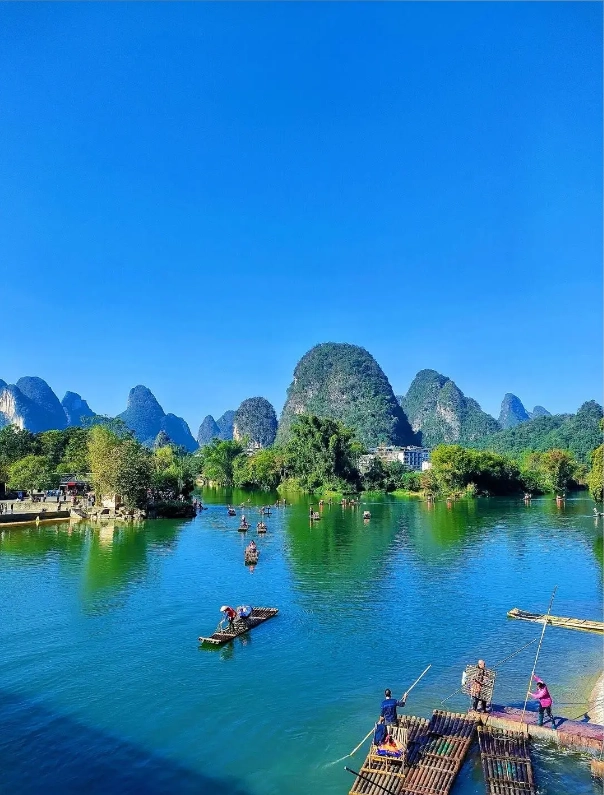
Your Guilin Travel FAQs
Guilin has a way of sticking with you. It's not just the views; it's the feeling of cycling past water buffalo, the smell of rain on limestone, and the taste of local beer fish. Use this guide as your starting point, but don't be afraid to wander down that small path. That's usually where the best stories begin.
This article is based on my extensive, firsthand experience guiding tours throughout Guilin and the surrounding region. Details regarding transportation, pricing, and seasonal advice are regularly fact-checked against current local information.





No comments yet.