 Bo Wu
Bo Wu
Hey there, I've been guiding tours across China for over ten years, from the Great Wall to Shanghai's skyscrapers. Let's cut to the chase: planning a trip here can feel like herding cats if you don't know the tricks. Based on my on-the-ground experience, here are 8 practical suggestions that'll save you time, money, and sanity. No fluff, just stuff that works.
Here's a Quick Map of Your Guide
- Sort Your Visa Early – Avoid Last-Minute Panic
- Ditch Cash, Go Digital: Payment Hacks
- Master the High-Speed Rail System
- Pick Your Hotel Based on Location, Not Just Price
- Eat Like a Local: Street Food and Hidden Gems
- Navigate Cultural Sites with Respect
- Plan Your Days to Beat the Crowds
- Pack for All Seasons and Situations
Sort Your Visa Early – Avoid Last-Minute Panic
Most travelers screw this up by waiting too long. I once had a client from the US who applied three weeks before departure – big mistake. The process took a month, and he almost missed his flight. Here's the deal: apply at least 4-6 weeks ahead through the Chinese embassy or a visa agency. For US citizens, it's usually a standard tourist (L) visa. Bring your passport, photo, and itinerary. Pro tip: if you're flying into Beijing, use the 72-hour visa-free transit if eligible, but double-check the rules on the official China Immigration website. It's a lifesaver for short layovers.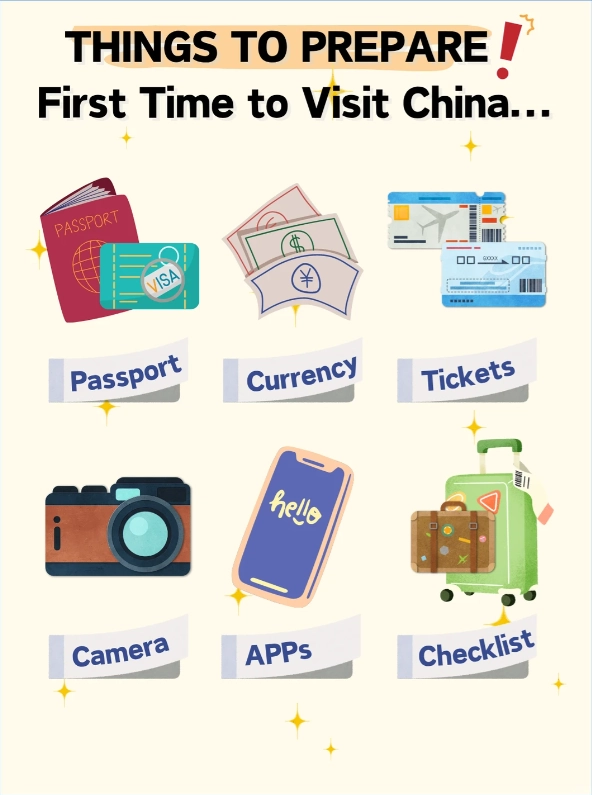
Ditch Cash, Go Digital: Payment Hacks
Carrying wads of cash? That's so 2010. China runs on digital payments now. Set up Alipay or WeChat Pay before you arrive. Link an international credit card – yes, it works for foreigners now. I helped a British family do this last month, and they paid for everything from subway tickets to street food without hassle. Cash is still accepted in rural areas, but in cities, even small vendors use QR codes. For example, at Wangfujing Snack Street in Beijing, I always use Alipay to grab jianbing (savory crepes) for about 10 RMB each. Without it, you'll waste time fumbling for change.
Master the High-Speed Rail System
This is how you cover ground without breaking the bank. Buy tickets online via Trip.com or the official China Railway app – it's in English. Book at least a few days early for popular routes like Beijing to Shanghai (about 553 RMB, 4.5 hours). At stations, arrive 30 minutes early for security. I've seen tourists miss trains because they didn't know the gates close 5 minutes before departure. Once onboard, enjoy the ride; the seats are comfy, and you can grab hot meals from the dining car. For a scenic trip, take the line from Guilin to Yangshuo – it's like rolling through a painting.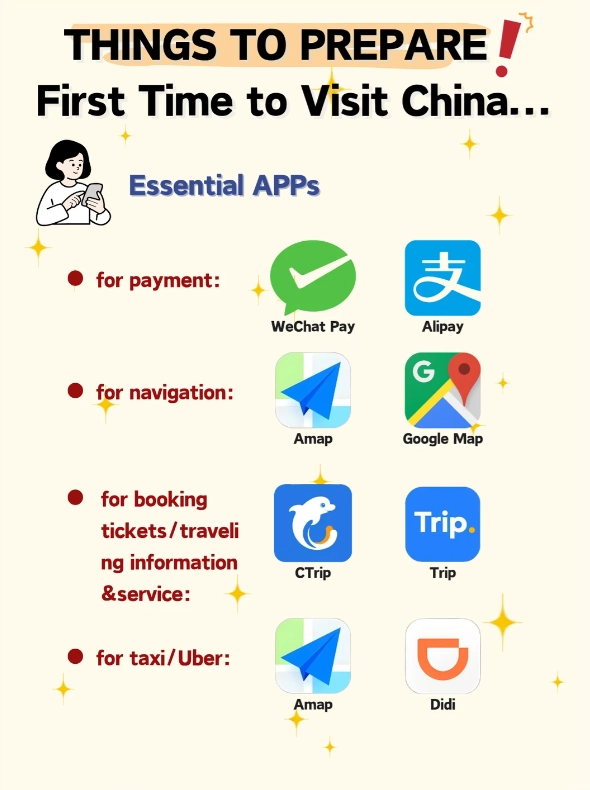
Pick Your Hotel Based on Location, Not Just Price
Location trumps everything. A cheap hotel in the suburbs might cost you hours in traffic. In Beijing, I recommend staying near a subway line like Line 2 or 10. For families, the Novotel Beijing Peace is solid (around 600 RMB/night, near Wangfujing Station Exit C). Backpackers? Try the Peking Station Hostel for 150 RMB a bed. In Shanghai, pick something in Huangpu District to walk to the Bund. Avoid hotels right next to major attractions like the Forbidden City – they're noisy and overpriced. Last spring, I booked a client in a hutong guesthouse in Beijing, and she loved the local vibe without the tourist crowds.
Eat Like a Local: Street Food and Hidden Gems
Skip the fancy restaurants; the real magic is on the streets. In Xi'an, head to the Muslim Quarter for yangrou paomo (lamb stew) at Lao Sun Jia (address: 172 Beiyuanmen, near Bell Tower, Google Maps 4.3 stars, 50 RMB per person). My go-to order? The spicy version with extra bread. In Chengdu, find a hole-in-the-wall for mapo tofu – try Chen Mapo Tofu at 197 Xiyulong Street, open 11 AM-9 PM, 30 RMB. Street food safety tip: look for stalls with lines of locals; it means high turnover and fresh ingredients. I've eaten at hundreds, and never got sick by following that rule.
Navigate Cultural Sites with Respect
China's sites are stunning but crowded. At the Forbidden City in Beijing, buy tickets online in advance (60 RMB adult, 30 RMB child, open 8:30 AM-5 PM, closed Mondays). Enter from the Meridian Gate, and hire an audio guide – it's worth it. I always tell my groups to visit around 2 PM when morning crowds thin out. For temples like the Lama Temple in Beijing, dress modestly (cover shoulders), and don't point at statues. A small donation is appreciated. One thing most guides don't mention: at the Great Wall's Mutianyu section, take the cable car up but walk down – you'll save energy and catch better photos in the late afternoon light.
Plan Your Days to Beat the Crowds
Timing is everything. If you have 24 hours in Shanghai, here's my squeeze-it-all plan: Start at 7 AM at Yu Garden (20 RMB, opens at 8:30 AM, but the area is quiet earlier for photos). Then, walk to the Bund – mornings are less packed. Take subway Line 2 to People's Square for lunch at a local xiaolongbao spot like Jia Jia Tang Bao (90 RMB for two). Afternoon, hit the Shanghai Museum (free, book online). Evening, cruise the Huangpu River (120 RMB tickets at the pier). Adjust based on your pace; if tired, skip the museum for a coffee in the French Concession. I've done this with jet-lagged tourists, and it works.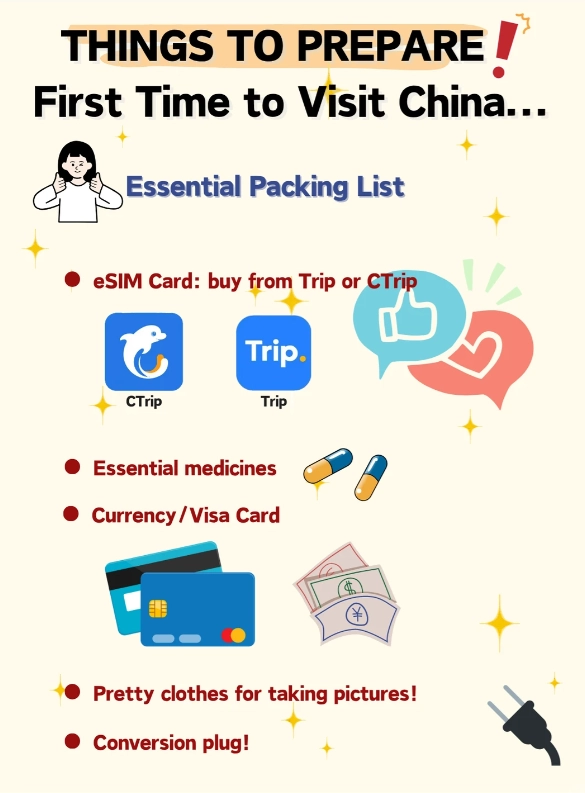
Pack for All Seasons and Situations
China's weather swings fast. In spring, pack layers – a light jacket for Beijing's chilly mornings. Summer? Umbrella and sunscreen; I've seen too many sunburns at the Summer Palace. For shoes, comfortable walking ones are non-negotiable; you'll log 20,000 steps a day easily. Bring a power adapter (Type A/C plugs work) and a portable Wi-Fi device – hotel Wi-Fi can be spotty. Pro packing hack: roll your clothes to save space. Last fall, a client from Australia forgot her adapter and couldn't charge her phone; I lent her mine, but it's a common headache. Also, pack wet wipes – public restrooms aren't always stocked.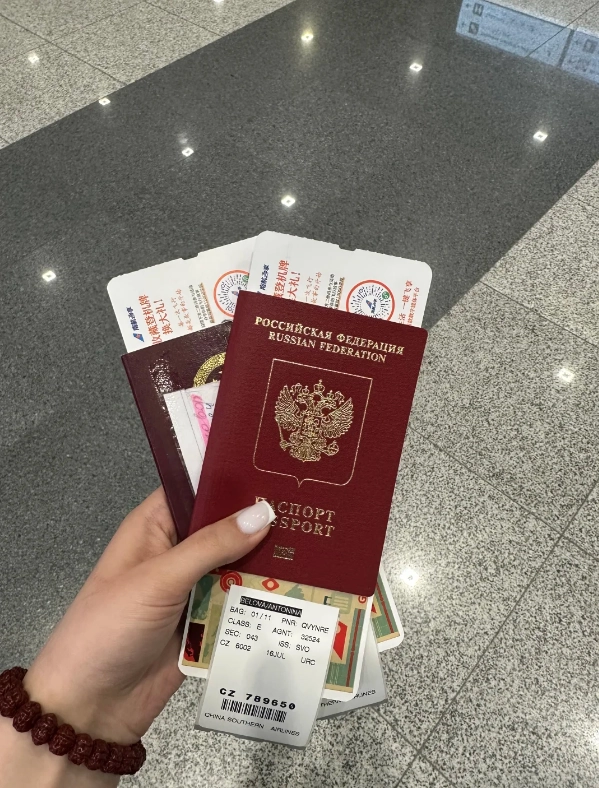
Questions I Get All the Time
How early should I book high-speed rail tickets for peak seasons?
Book at least a week ahead for holidays like Chinese New Year or Golden Week. Tickets sell out fast, and prices can double. Use the China Railway app for real-time updates.
Is it safe to drink tap water in China?
No, stick to bottled or boiled water. Even locals avoid tap water. I always carry a reusable bottle and fill it at hotel kettles.
What's the best way to handle language barriers?
Download Google Translate with offline Chinese packs. For key phrases, learn "nihao" (hello) and "xiexie" (thank you). Most young people in cities speak some English, but in rural areas, pointing and smiling goes a long way.
Can I use ride-hailing apps like Didi as a foreigner?
Yes, Didi has an English interface. Link it to Alipay for payment. It's cheaper than taxis and avoids haggling. I use it daily to get around Beijing.
 There you have it – 8 suggestions from my decade on the road. Remember, travel here is about embracing the chaos with a bit of prep. Start with the visa, go digital, and use these tips to dodge the common pitfalls. If you're still unsure, reach out to local tour guides for personalized help. Safe travels, and enjoy the adventure!








No comments yet.