 Hui Lin
Quick Navigation: Your China Trip Cheat Sheet
- Master the Visa Process Before You Go
- Download These Apps to Navigate Like a Local
- Cash is Still King (But Not Everywhere)
- Beat the Crowds at Major Attractions
- Eat Where the Locals Eat, Safely
- Get Around Without the Headache
- Pack for Success: What You Really Need
- Connect and Communicate Without a Hitch
Hey there, future China explorer! I've been guiding tours across this massive country for over ten years, from the bustling streets of Beijing to the serene landscapes of Guilin. I've seen families stress over visas, couples get lost without a map, and solo travelers miss out on authentic experiences because they followed generic advice. Let's change that. Here are the 8 travel tips I give every friend who visits—practical, no-nonsense, and tested on the ground.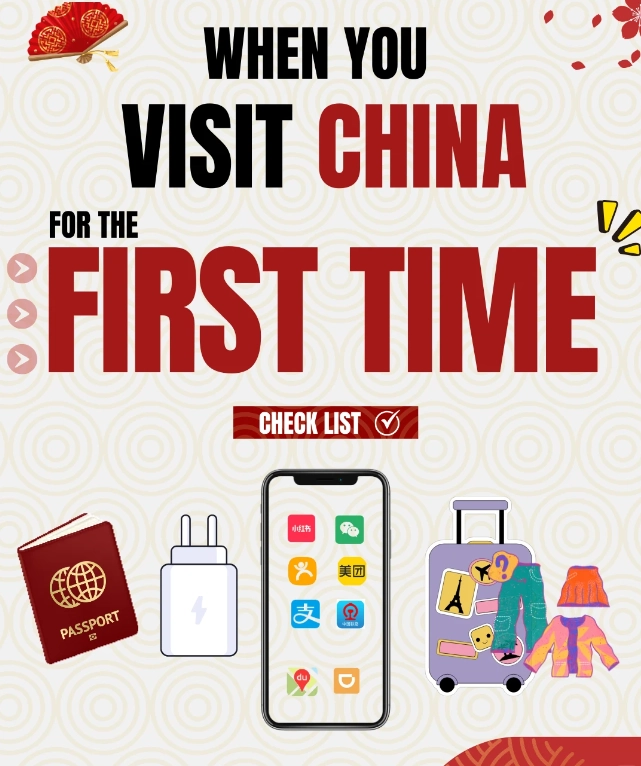
Master the Visa Process Before You Go
Don't let visa paperwork ruin your trip before it starts. China requires a tourist visa (L visa) for most nationalities, and the process can be slow if you're unprepared. Start at least two months in advance. You'll need a passport valid for six months beyond your stay, a completed application form, a recent photo, and proof of travel plans like flight and hotel bookings.
I once had a client from the UK who applied three weeks before departure and faced delays due to a public holiday. She barely made it. Now, I always say: check the official Chinese embassy or consulate website in your country for the latest requirements. Some cities offer expedited services for an extra fee, but it's not guaranteed.
Download These Apps to Navigate Like a Local
Forget Google Maps—it's restricted here. Before landing, install these lifesavers on your phone:
- WeChat: More than a messaging app; use it for payments, translations, and connecting with locals. Set it up with a foreign credit card for small purchases.
- Alipay: Similar to WeChat Pay, widely accepted for everything from street food to high-end shops. Link it to your card.
- Baidu Maps or Amap: The go-to for navigation. They work in English and show real-time traffic, subway routes, and walking directions. I use Baidu Maps daily to avoid Beijing's notorious jams.
- Didi: China's Uber. It has an English interface and often cheaper than taxis. Cashless payment is default.
Last year, I guided a group from Australia who didn't download these. They spent hours trying to hail a taxi during rush hour, while I booked a Didi in seconds. Trust me, it's a game-changer.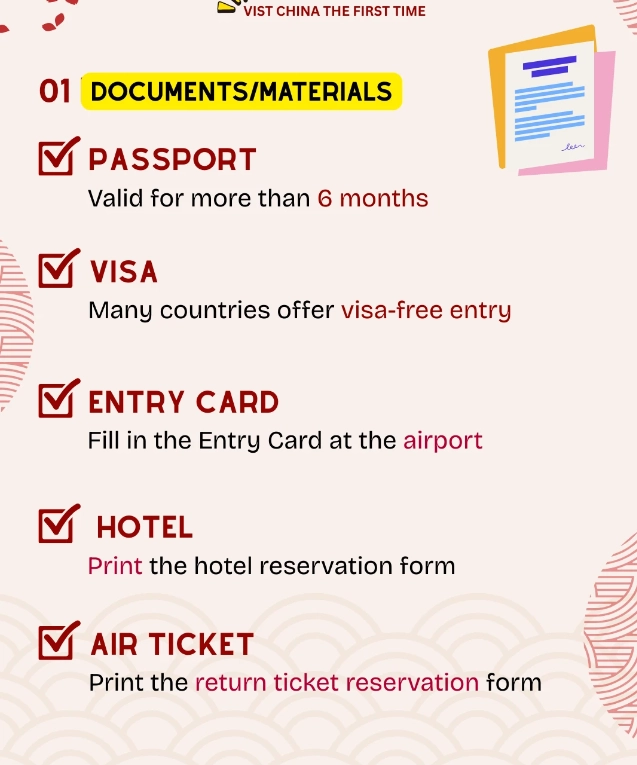
Cash is Still King (But Not Everywhere)
While mobile payments dominate, always carry some Chinese yuan (RMB) in small bills. Rural areas, small family-run shops, and some temples only accept cash. Aim for 200-500 RMB per person for emergencies.
Exchange money at banks like Bank of China or ICBC for better rates than airports. ATMs are plentiful in cities, but notify your bank beforehand to avoid blocks. I've seen tourists stuck at a remote Great Wall section with no cash for water or souvenirs.
Beat the Crowds at Major Attractions
China's top sites get packed, but with timing, you can enjoy them in peace. Take the Forbidden City in Beijing: tickets sell out fast. Book online via its official website days in advance. Address: 4 Jingshan Front St, Dongcheng, Beijing. Open 8:30 AM to 5:00 PM (last entry 4:00 PM), closed Mondays. Tickets: April-October 60 RMB adult, 30 RMB child; November-March 40 RMB adult, 20 RMB child.
Go right at opening or after 3 PM when tour groups leave. The same applies to the Terracotta Army in Xi'an—arrive by 8 AM, buy tickets on-site (150 RMB adult, free under 16), and head to Pit 1 first before crowds swarm.
For a quieter alternative, I love the Summer Palace's back hills or the lesser-visited sections of the Great Wall like Mutianyu (ticket: 45 RMB adult, 25 RMB child; cable car extra). Get there via subway Line 2 to Dongzhimen, then bus 916 express.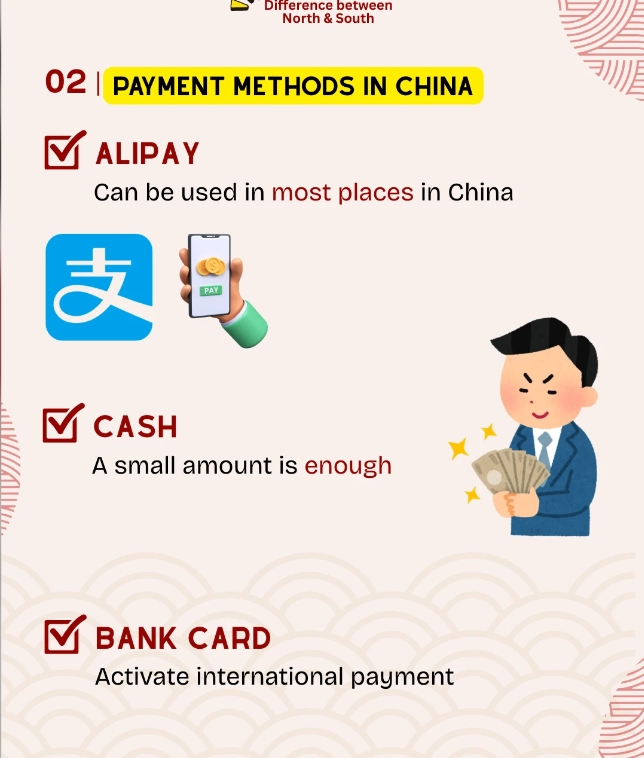
Eat Where the Locals Eat, Safely
Skip the touristy restaurants near attractions. Instead, look for spots with long lines of locals—that's where the good stuff is. In Beijing, I always take friends to Da Dong Roast Duck at 1-2/F, Nanxincang International Plaza, 22 Dongsishitiao, Dongcheng. Their Peking Duck is crispy without being oily, and it's around 200-300 RMB per person. Open 11 AM to 10 PM.
For street food, hit Wangfujing Snack Street, but be cautious: stick to cooked items like jianbing (savory crepes) and avoid raw seafood if your stomach is sensitive. I've had clients get sick from dubious skewers; now I recommend established chains like Xiabuxiabu for hotpot or local diners with high hygiene ratings on Dianping (China's Yelp).
If you're vegetarian or have allergies, learn key phrases like "wo bu chi rou" (I don't eat meat) or use translation apps. Many places are accommodating if you ask.
Get Around Without the Headache
China's transport network is efficient but overwhelming. In cities, the subway is your best friend. Buy a rechargeable card like the Yikatong in Beijing or Shanghai Metro Card—it works on buses too. For example, in Shanghai, take Line 2 to Nanjing East Road Station, Exit 1 for the Bund.
For long distances, high-speed trains are fantastic. Book tickets on Ctrip or via the railway's official English site. A second-class seat from Beijing to Shanghai (about 5 hours) costs around 550 RMB. Show up at the station at least an hour early for security checks.
Taxis are metered, but drivers might not speak English. Have your destination written in Chinese or pinned on a map. I once had a family miss their flight because they didn't account for Beijing's traffic; now I advise leaving an extra hour for any airport transfer.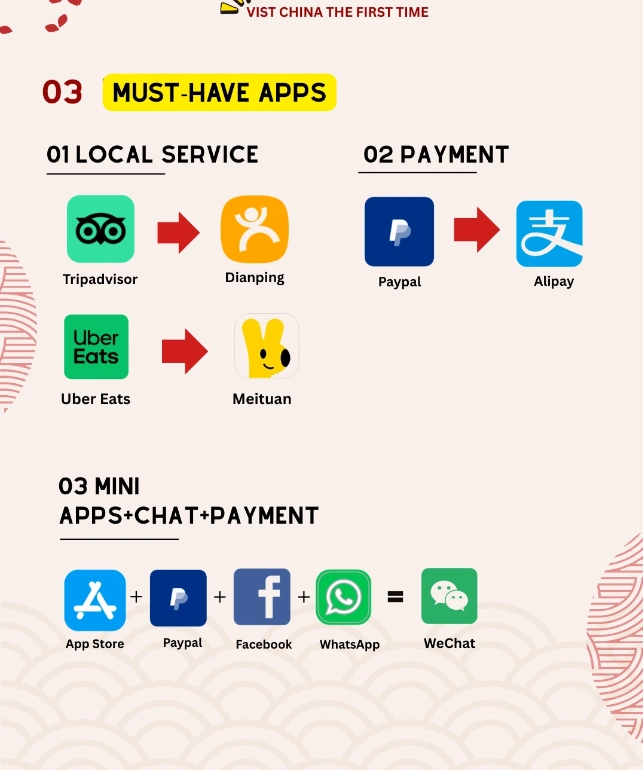
Pack for Success: What You Really Need
Overpacking is common, but here's the essentials based on seasons:
- Spring/Fall: Layers—a light jacket, comfortable walking shoes (cobblestones are everywhere), and a scarf for sudden wind.
- Summer: Light clothing, sunscreen, a hat, and an umbrella for rain or sun. Humidity in places like Guangzhou can hit 90%.
- Winter: A heavy coat, thermal wear, and gloves. Northern cities like Harbin drop below -20°C.
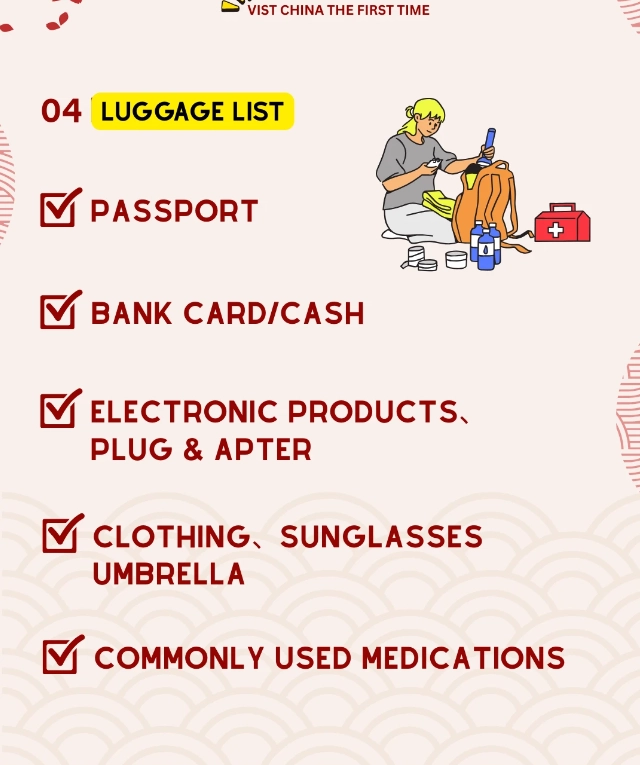
Don't forget a universal power adapter (China uses Type A, C, and I plugs) and a portable charger. Pharmacies sell basics, but bring any prescription meds with original labels. I always pack hand sanitizer and tissues—public restrooms often lack paper.
Connect and Communicate Without a Hitch
Internet access is tricky due to the Great Firewall. Get a VPN before arriving—ExpressVPN or Astrill work decently, but speeds vary. Alternatively, buy a local SIM card at the airport from China Mobile or China Unicom; they offer data plans for tourists, around 100 RMB for a month.
Learn a few Mandarin phrases: "nihao" (hello), "xiexie" (thank you), "duoshao qian" (how much). It breaks the ice. For translation, use Pleco or Google Translate (offline mode). I've seen travelers struggle with menus; now I suggest taking a photo and using WeChat's scan-to-translate feature.
Cultural nuance: avoid sensitive topics like politics, and be mindful of queues—pushing happens, but stay polite. In temples, dress modestly and don't point at statues.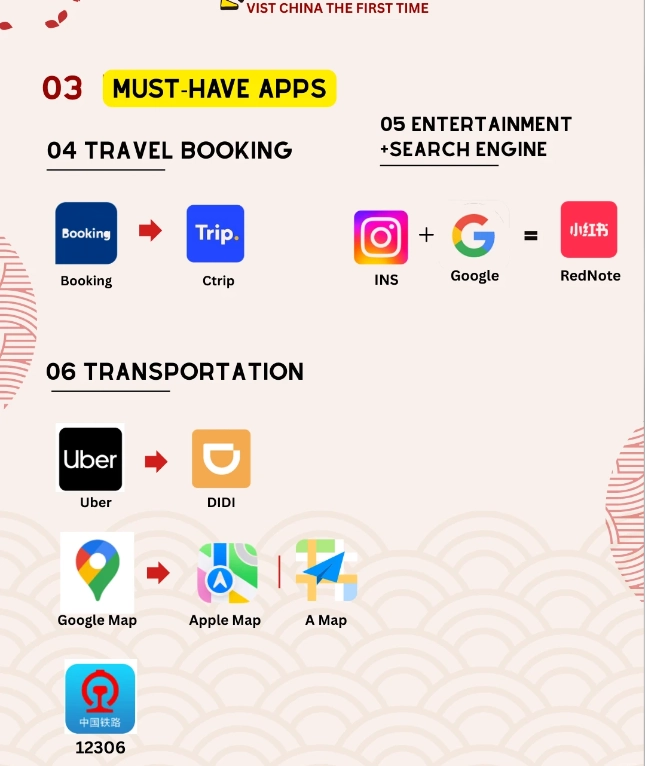
Frequently Asked Questions (FAQ)
 This article is based on my firsthand experiences guiding hundreds of travelers across China. Facts have been cross-checked with official sources like the China National Tourism Administration and local tourism boards. Remember, travel is about adventure—use these tips to smooth the path, then dive into the chaos and beauty of China. Safe travels!








No comments yet.