 Hui Lin
Hey there, I’ve been guiding tours across China for over a decade, and if there’s one thing that trips up visitors more than chopsticks, it’s tipping. You’re probably wondering: do I tip in China? How much? Where? Let me cut through the confusion. In China, tipping isn’t part of the culture like in the West. Most locals never tip, and doing it wrong can lead to awkward moments or even offense. I’ve seen tourists stuff cash into reluctant hands, only to have it chased after them down the street. Not fun. So, here’s my no-nonsense guide from the ground, packed with what you actually need to know to navigate social etiquette smoothly, save your money, and blend in like a pro.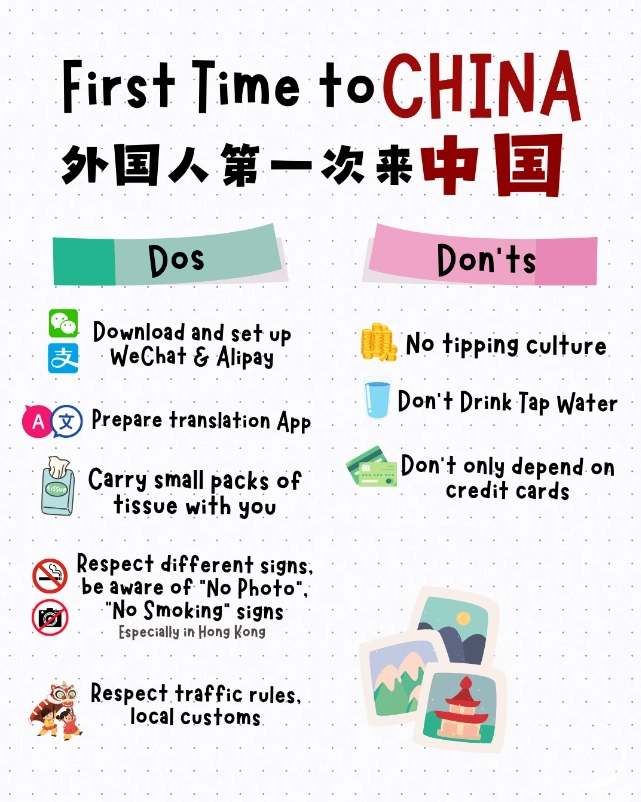
Your Tipping Roadmap
Why Tipping in China is Different
First off, forget what you know from back home. In China, service staff are paid salaries, and tipping isn’t expected as a supplement. It stems from a cultural mindset where hospitality is duty, not something extra to be rewarded. I remember taking a family from Texas to a hotpot joint in Chengdu—they left 100 RMB on the table, and the waiter ran out to return it, thinking it was a mistake. That’s the norm. However, things are shifting in tourist hubs and high-end spots, but subtly. The key is to read the room. Official sources like the China National Tourism Administration don’t even mention tipping in their guidelines, which tells you something.
The 10 Essential Dos and Don’ts
Here’s my list, boiled down from years of on-the-ground experience. These aren’t just rules; they’re survival tips to avoid those cringe-worthy moments.
1. Do: Understand When Tipping is Appreciated
In most everyday situations, no tipping. But there are exceptions. Tour guides and private drivers expect tips, especially for multi-day trips. For a guide, 50-100 RMB per day per person is standard if they’ve done a great job. Drivers: 30-50 RMB per day. I’ve arranged tours for groups to the Great Wall from Beijing, and handing cash discreetly at the end shows gratitude. Also, in luxury hotels or international chains in cities like Shanghai, tipping porters 10-20 RMB per bag is fine, but often refused. At the Peninsula Shanghai, I’ve seen staff accept it with a smile, but don’t push it.
2. Don’t: Offer Tips in Cash Everywhere
Cash tipping can be awkward. In local restaurants, street food stalls, or taxis, never tip. I took a couple to a famous noodle shop in Xi’an—Biangbiang Noodles on Beiyuanmen Street—and they tried to tip after a 25 RMB meal. The owner looked puzzled and handed it back. If you’re using Didi (China’s Uber), the app doesn’t have a tipping option; drivers don’t expect it. Save your cash for guides only.
3. Do: Use Digital Payments for Discretion
If you want to tip subtly, use WeChat Pay or Alipay. Scan the guide’s QR code and send a red packet (hongbao) with a note. It’s less confrontational. I helped a solo traveler tip a guide at the Terracotta Army in Xi’an this way—smooth and private. But note: this requires setting up these apps beforehand, which can be a hassle for short trips.
4. Don’t: Leave Tips on the Table in Restaurants
Never. Just pay the bill, which often includes a service charge in upscale places. At Quanjude Roast Duck in Beijing (32 Qianmen Street, Dongcheng District), the bill might have a 10-15% service fee. Check it; if it’s there, no extra tip needed. My personal must-order there: the classic Peking duck with pancakes—costs around 200 RMB per person. Open 11:00-22:00. Leaving cash on the table will likely be returned or cause confusion.
5. Do: Tip in High-End Western-Style Establishments
In fancy bars, clubs, or hotels in cities like Shanghai or Shenzhen, tipping is creeping in. At a cocktail bar in Shanghai’s Bund area, leaving 10-20 RMB on the counter for exceptional service is okay. But it’s rare. I’ve seen expats do it, but locals don’t. Use discretion; if the staff seems used to foreigners, a small tip won’t hurt.
6. Don’t: Assume Tipping is Expected in Hotels
For hotel housekeeping, no tipping. I’ve stayed everywhere from budget hostels to five-stars like the Fairmont Beijing. Leaving money in the room might not even be picked up. If you want to show appreciation, a small gift like chocolates works better. At the check-in desk, no tipping either. Save your money for experiences.
7. Do: Offer Small Gifts Instead of Cash
This is a pro move. For drivers or guides, a gift from your home country—like local snacks or souvenirs—is often more valued than cash. I had a Canadian family give maple syrup to their driver in Guilin; he was thrilled. It builds rapport and feels less transactional.
8. Don’t: Tip in Coins or Small Change
If you do tip, use paper bills. Coins are seen as insignificant or even insulting. I once saw a tourist try to tip with a handful of 1 RMB coins; the guide politely declined. Stick to 10 RMB notes or higher for any tipping scenario.
9. Do: Observe Local Practices in Rural Areas
In countryside homestays or village tours, tipping isn’t customary. Instead, participate in activities or buy local crafts. On a trip to Yangshuo, I took a group to a farmer’s house for a cooking class—paying for the experience (about 150 RMB per person) was enough. Tipping would have been out of place.
10. Don’t: Create Awkward Situations by Over-Tipping
More isn’t better. Over-tipping can embarrass recipients or make them uncomfortable. I guided a wealthy businessman who tried to tip 500 RMB to a restaurant server in Hangzhou; it caused a scene. Stick to modest amounts if tipping at all, and always offer discreetly.
A Real-Life Scenario: 24 Hours in Beijing
Let’s make this practical. Imagine you have one day in Beijing. Here’s how to apply these rules, minute by minute.
Morning (7:00-12:00): Start at the Forbidden City. Tickets: 60 RMB for adults, 20 RMB for students (bring ID). Address: 4 Jingshan Front Street, Dongcheng District. Open 8:30-17:00 (last entry 16:00). Take subway Line 1 to Tiananmen East Station, Exit B. Walk north—you’ll see the massive gates. No tipping for tickets or inside guides unless you hire a private one (cost: ~200 RMB for 2 hours). I’ve hired guides here; tip 50 RMB if they’re excellent.
Lunch (12:30-14:00): Head to Da Dong Roast Duck near the Forbidden City. Address: 1-2/F, Nanxincang International Plaza, 22 Dongsishitiao, Dongcheng District. Average price: 180-300 RMB per person. Open 11:00-22:00. My must-order: the crispy duck skin with sugar. Pay the bill—no tipping. The receipt might show a service charge.
Afternoon (14:30-18:00): Taxi to the Summer Palace. Cost: ~50 RMB from downtown. No tip for the driver. Summer Palace tickets: 30 RMB (park only), 60 RMB (including palaces). Open 6:30-18:00 (summer). If you take a boat ride (40 RMB), no tipping. I’ve seen tourists try to tip boat operators; they’ll shake their heads.
Evening (19:00-21:00): Dinner at a local hutong restaurant. Try Mr. Shi’s Dumplings in the Gulou area. Address: 74 Baochao Hutong, Dongcheng District. Price: 50-80 RMB per person. Open 11:00-21:30. No tipping. Then, a rickshaw tour? Negotiate price upfront (around 100 RMB for 30 minutes). No tip expected, but if the rider shares great stories, a 10 RMB extra is kind, but not required.
Where to Stay: For budget travelers, Peking Station Hostel (10 RMB tip not needed). For mid-range, Novotel Beijing Peace (service charge included). For luxury, The Opposite House in Sanlitun—porter tip of 20 RMB per bag is okay, but often waived.
See? No tipping hassle, just smooth travel.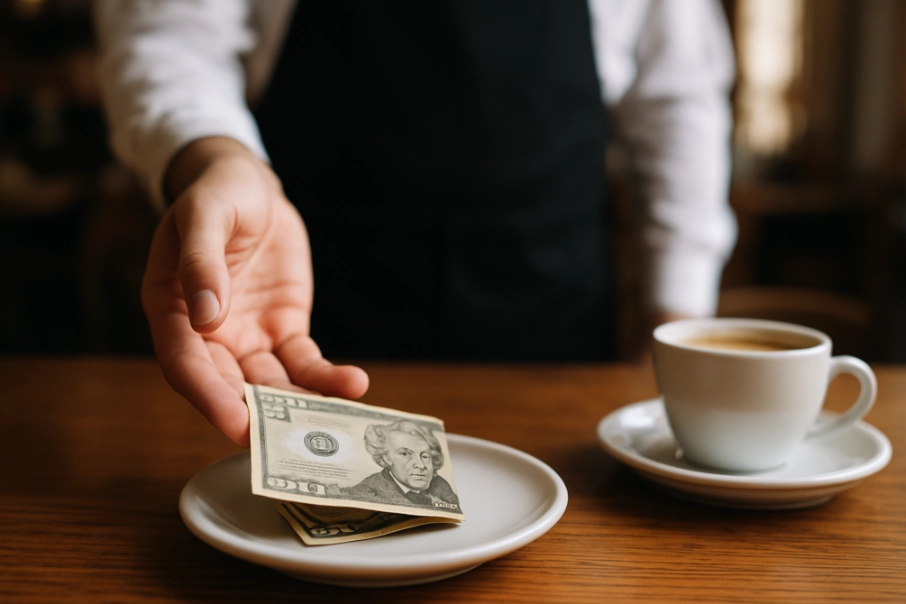
Frequently Asked Questions
There you have it. Tipping in China isn’t a minefield if you know the rules. Keep it simple: when in doubt, don’t tip. Focus on enjoying the culture, and your wallet will thank you. I’ve been fact-checking these practices with local colleagues, and this guide reflects current norms. Safe travels, and remember—sometimes the best tip is a smile and a thank-you in Mandarin.







No comments yet.