 Hui Lin
Let's be honest. The idea of navigating China's massive high-speed rail system can feel overwhelming. I've seen it countless times with clients – the mix of excitement and sheer panic when they look at the network map. But here's the truth I tell everyone I guide: once you understand a few key rules, riding these trains becomes the easiest, most enjoyable part of your trip. Forget long airport lines and cramped buses. This is travel redefined. I've spent over a decade shepherding groups and solo travelers across this country by rail, and I'm going to give you the exact, no-fluff process I use myself. By the end of this, you'll book and board with zero stress.
Your Fast Track to This Guide
Cracking the Train Code: G, D, C Explained
First thing you'll notice: train numbers start with a letter. This isn't random. It tells you exactly what you're getting in terms of speed, comfort, and price. Most foreign travelers only need to care about two: G and D.
G Trains (Gaotie) are the fastest. They run on dedicated high-speed lines, hitting speeds of 300-350 km/h. Beijing to Shanghai (over 1200 km) in about 4.5 hours? That's a G train. They're the premium service – smoother, slightly newer carriages, and a bit pricier. If time is your main concern, look for a G train.
D Trains (Dongche) are still high-speed, but they often run on slightly older lines or share tracks, so their top speed is around 250 km/h. The ride might be a tiny bit less smooth, but I find the difference negligible. The big win? They're usually 10-20% cheaper than G trains for a similar route. For a journey like Shanghai to Nanjing, a D train might only be 15 minutes slower but significantly easier on your wallet.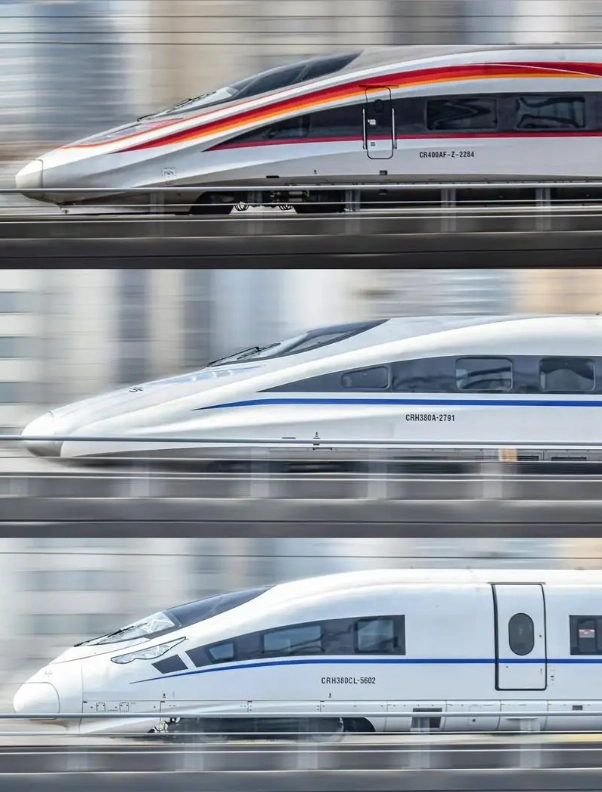
Here’s a quick comparison to keep in your back pocket:
| Train Type | Top Speed | Best For | Example Route & Time |
|---|---|---|---|
| G Train (Gaotie) | 300-350 km/h | Longest distances, maximum speed, newest carriages. | Beijing to Shanghai: ~4.5 hrs |
| D Train (Dongche) | 200-250 km/h | Shorter/medium routes, best value for money. | Shanghai to Nanjing: ~1 hr 10 min |
| C Train (Chengji) | 200-350 km/h | Intercity travel within a specific region (e.g., Beijing-Tianjin). | Beijing to Tianjin: ~30 min |
How to Book Tickets: Your 4 Best Options
You have several paths to a ticket. I've ranked them based on ease for foreign travelers.
Option 1: The Official App – 12306 (The King, With a Learning Curve)
This is the official channel. All other agencies pull from its inventory. Using it directly means no service fees and you see every available seat in real-time. The English version has improved massively.
Step-by-Step: Download the "12306" app from your app store. Register – you'll need your passport details. This is the first hurdle; the app sometimes struggles with foreign names. Enter your name exactly as it appears in your passport, all in capital letters. Once in, search for your route (e.g., Beijing West to Xi'an North). Select your date, choose a train (mind the G/D difference), and pick seats. Pro tip: Seats A and F are window seats, C and D are aisle seats. Rows 1-3 are at the quiet end of the carriage. Pay with an international credit card (Visa/Mastercard accepted). Your e-ticket is instantly linked to your passport.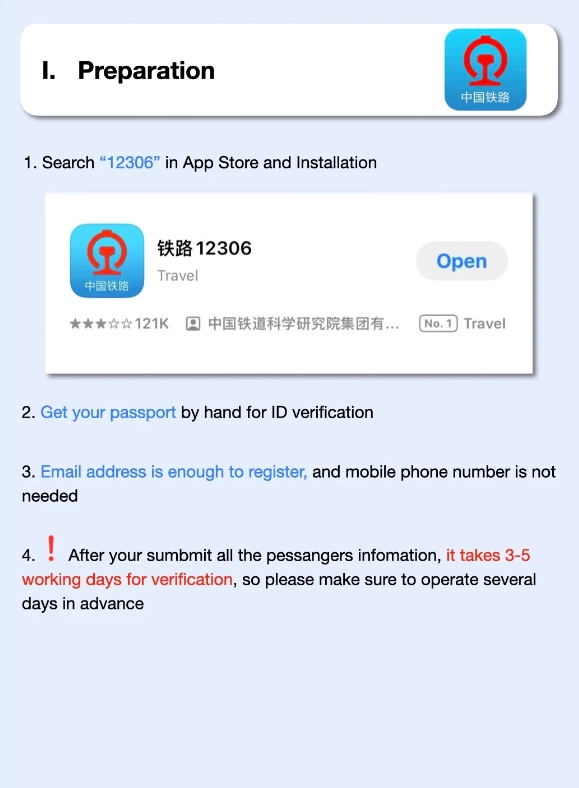
Option 2: Trip.com (The Reliable Middleman)
For many, this is the sweet spot. The interface is fully English, customer service is accessible, and they handle the 12306 interface for you. You pay a small service fee (around $3-5 per ticket), but the convenience is worth it for most. You can book months in advance, and they email you a clear itinerary. You still need to pick up a paper ticket or use passport check, but their instructions are good.
Option 3: At the Station (For the Spontaneous or Stuck)
Every major station has dedicated ticket windows, often with an "English-speaking" or "Foreign Passport" counter. Look for the signs. You can buy tickets here for immediate or future travel. But here's the reality: Popular routes sell out, especially around holidays or weekends. Walking up for a same-day Beijing-Shanghai ticket is a gamble. I only recommend this if your plans are flexible or you're traveling a less busy route.
Option 4: Your Hotel Concierge (The Easy Button)
A classic and often overlooked method. A good hotel concierge can usually book tickets for you, sometimes for a fee, sometimes as a service. They need your passport details and travel preferences. It's hassle-free, but you give up control over seat selection and need to trust their timing.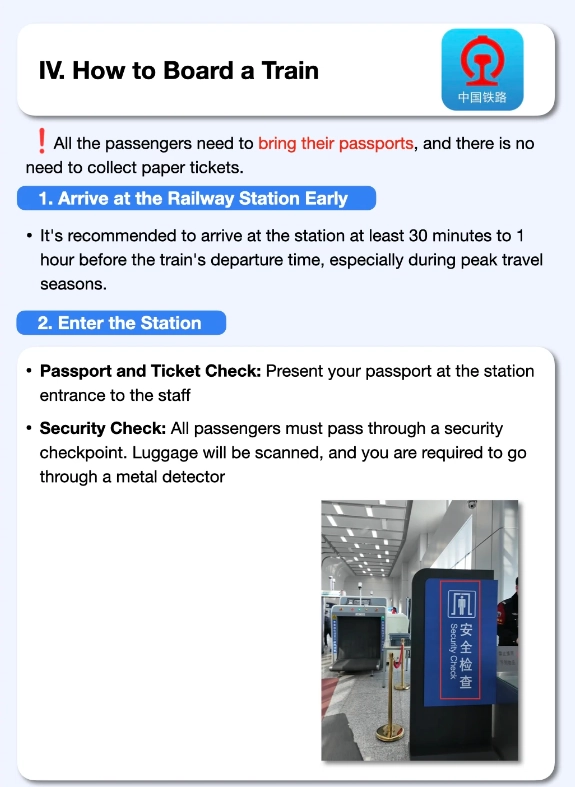
Ticket Collection & The Boarding Process, Step-by-Step
This is where people get nervous. Let's walk through it like we're at Beijing South Railway Station together.
Step 1: Arrive Early. Not airport-early, but give yourself at least 45-60 minutes before departure if you need to collect tickets and are unfamiliar with the station. For passport-only boarding (if you booked electronically), 30-40 minutes is safe.
Step 2: Find the Ticket Hall. Follow signs for "Ticket Office" or "Ticket Machines." The self-service machines have an English option. Tap "Collect Ticket," then scan your passport. All your booked tickets will appear. Print them all. Keep this paper ticket safe – you'll need it to exit at your destination.
Step 3: Security & Entrance. Head to the main entrance hall. You'll go through an airport-style security scan for your bags. Then, find the giant departure board. Match your train number (e.g., G123) and destination. The board will tell you your waiting room number (e.g., Waiting Room 8) and, about 15-20 minutes before departure, your gate number (e.g., Gate 12A).
Step 4: The Gate & Boarding. Go to your waiting room. When your gate is announced, proceed. At the gate, you do not scan the barcode on your paper ticket. Instead, look for the passport readers. Place your passport's photo page face-down on the glass scanner. The gates will open. If it doesn't work, use the manual lane and show your passport and ticket to the staff.
Step 5: Find Your Seat. On the platform, signs on the ground show carriage numbers. Find yours. Board, stow your luggage (large racks at the ends of carriages, overhead for smaller bags), and relax.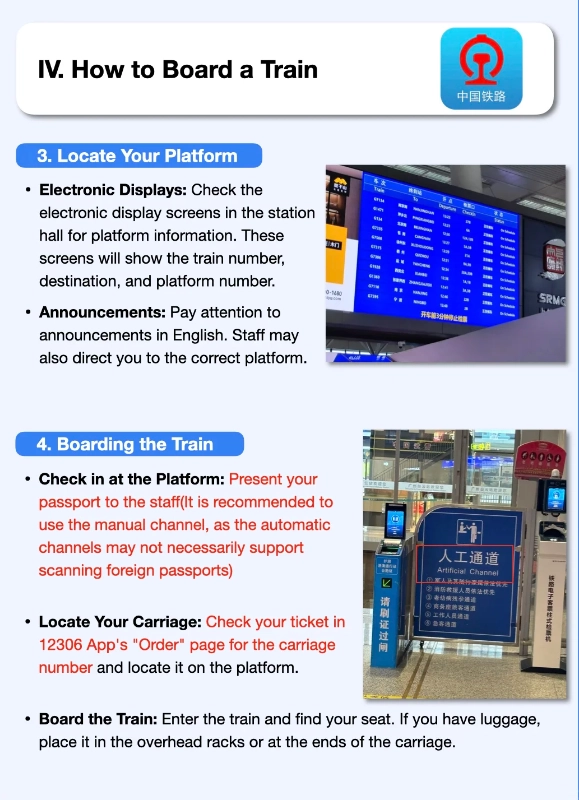
Inside the Station: A Survival Guide
Chinese high-speed rail stations are cities unto themselves. They're clean, modern, and full of amenities, but they're also huge.
Food & Drink: Before security, you'll find fast food (KFC, McDonald's) and local chains. After security, in the waiting hall, the options become limited and more expensive. My strategy? I grab a coffee and a sandwich from a shop like FamilyMart or Lawson (common in stations) before going through security. You can bring food and drink on the train. Onboard, a trolley service sells snacks and boxed meals, but the selection is basic.
Facilities: Bathrooms are plentiful and usually clean. Smoking is strictly prohibited in the entire station and on trains. There are charging stations and often free WiFi (though you may need a Chinese phone number to access it).
The Crucial Detail Everyone Misses: If you have a connecting train, you must exit and re-enter through security. There's no airside transit. Factor in at least 30-45 minutes between arrival and your next departure to account for walking, exiting, and re-clearing security.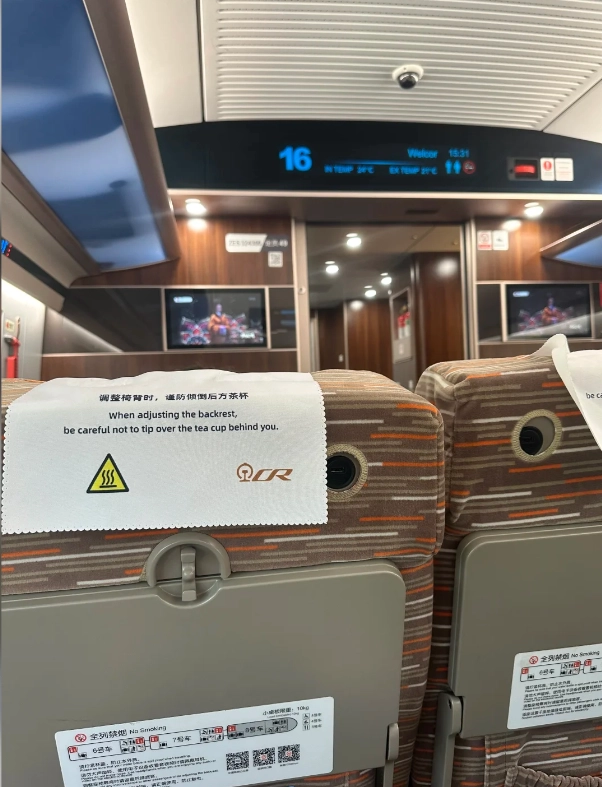
Planning Your Trips: Connecting Cities Like a Pro
The magic of the network is linking destinations. Let's build a sample itinerary.
Say you land in Beijing and want to see the Terracotta Warriors in Xi'an and the West Lake in Hangzhou. Here's how I'd structure it for a client:
- Day 1: Arrive Beijing. Recover.
- Day 2-4: Explore Beijing.
- Day 5: Morning G-train from Beijing West to Xi'an North (about 5-5.5 hours). I'd book an afternoon departure (e.g., 2 PM) to avoid a rushed morning checkout. You arrive in Xi'an by 7:30 PM.
- Day 6-7: Explore Xi'an.
- Day 8: Morning D-train from Xi'an North to Hangzhou East (about 6-7 hours). The D train is perfectly comfortable for this and saves money. You get scenic views as you move into southern China.
- Day 9-10: Explore Hangzhou.
- Day 11: G-train from Hangzhou East back to Beijing (about 6 hours) for your flight.
This flow uses the train as a comfortable travel hub, moving you between cultural hubs efficiently. Booking all these tickets at once on 12306 or Trip.com is simple.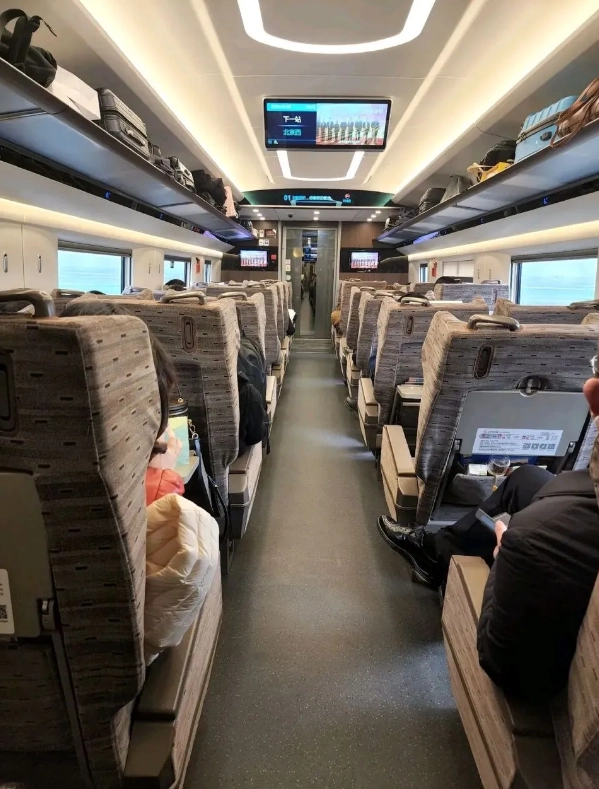
Your Bullet Train Questions, Answered
You can try, but I wouldn't bet my itinerary on it. For popular routes (Beijing-Shanghai, Shanghai-Hangzhou) or during holidays/weekends, trains sell out days in advance. For less-traveled routes or if you're very flexible with timing, you might get lucky. The foreign passport ticket window is your best shot. My rule: book important, long-distance journeys at least 3-5 days ahead.
Your ticket is valid only for the specific train you booked. If you miss it, you need to go to the ticket office and change your ticket. You'll pay the price difference if the new train is more expensive, and you can only change to a train that has available seats. This is a hassle. It's why I insist on that 45-minute buffer for first-timers.
Officially, adults get 20kg. In practice, I've never seen anyone's luggage weighed. You can bring large suitcases and stow them in the racks at the end of the carriage or overhead. Space is generous, but during peak travel, the end racks fill up. If you have a huge backpack, get on early to claim space.
Yes. Children under 1.2m tall travel free but must share a seat with an adult. Children between 1.2m and 1.5m get a half-price child ticket with their own seat. You must declare a child passenger when booking. Seniors (foreign or domestic) do not get automatic discounts; they pay the standard fare.
It's edible, but just barely. The hot meal boxes (around 40-60 RMB) are the definition of mediocre airplane food. The instant noodles and snacks are fine. This is the number one reason I tell my clients to pack a picnic. Grab a roast duck wrap, some fruit, and bottled water from a station shop before you board. Your taste buds will thank you.
The final word? Don't let the process intimidate you. China's high-speed rail is a gift to travelers. It's punctual, comfortable, and connects you to the heart of the country in a way planes never can. Follow these steps, book that first ticket, and step onboard. You've got this. And if you see a guy on the platform helping a flustered family with their luggage, well, it might just be me.
This guide is based on firsthand experience and current operational practices. Details like specific train times and restaurant availability can change.








No comments yet.