 Tao Xu
Let's be honest. You've seen the photos. Those impossibly green, serpentine curves carved into mountainsides, often shrouded in mist. The Longji (Dragon's Backbone) Rice Terraces are a legitimate wonder. But here's what the glossy brochures and most generic guides don't tell you: navigating the logistics can be confusing, the crowds at peak times are real, and choosing the wrong village or trail can leave you underwhelmed.
I've lost count of how many times I've guided groups here over the years. I've seen the awe on first-timers' faces, but I've also dealt with the frustration of missed buses, overpriced mediocre lunches, and hikes that felt more like a conveyor belt of tourists. This guide is my attempt to save you from that. I'll give you the clear, actionable details you need—the kind I share with my own clients over a beer after a long day of hiking.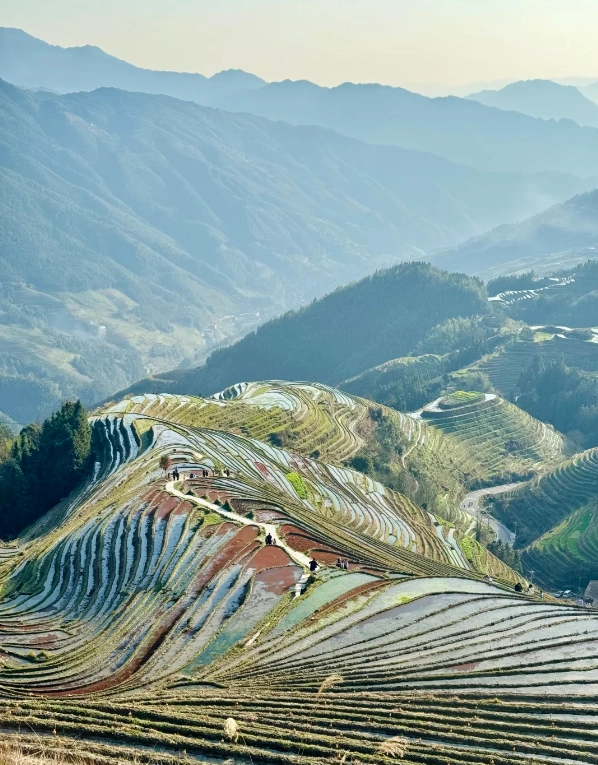
Your Quick Navigation
- The Non-Negotiable Essentials First
- How to Get There: Buses, Taxis, and the One Thing Everyone Gets Wrong
- Pick Your Village: Ping'an vs. Jinkeng vs. The Others
- Where to Stay: From Basic to Breathtaking
- Hiking the Terraces: Routes, Timing, and Secret Spots
- Eat (and Drink) Like a Local
- The 24-Hour Power Itinerary (If You're Short on Time)
- Your Questions, My Blunt Answers
The Non-Negotiable Essentials First
Before we dive into the fun stuff, let's lock down the basics. This is the admin work that makes or breaks your trip.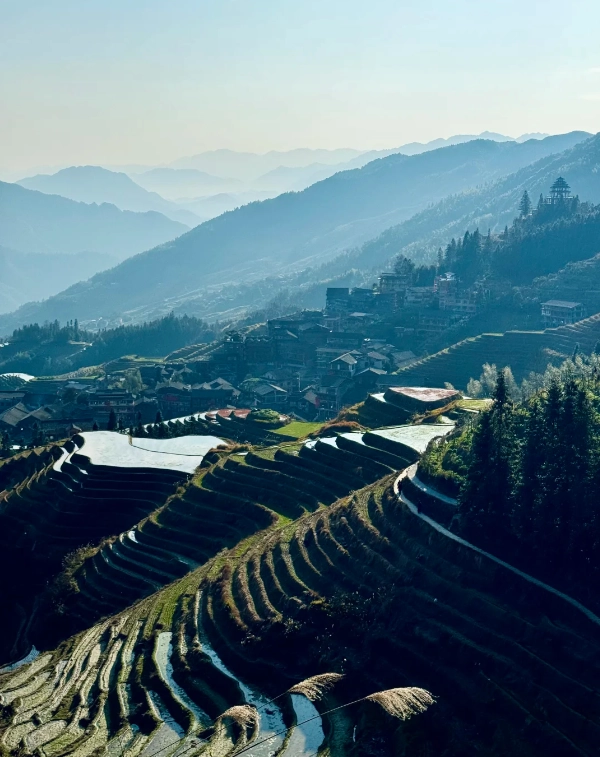
| Item | Details | My Notes |
|---|---|---|
| Official Name & Address | Longsheng Longji Rice Terraces Scenic Area, Longsheng Various Nationalities Autonomous County, Guilin, Guangxi. | "Longji" is the specific terrace area. "Longsheng" is the county. You'll see both used. |
| Ticket Price | Adult: 80 RMB. Child (1.2m-1.4m): 40 RMB. Under 1.2m: Free. This is a single ticket for the whole scenic area. | Buy it at the main gate. Keep it safe! You need to show it if moving between major villages like Ping'an and Jinkeng. |
| Opening Hours | All day, year-round. Ticket office: ~7:30 AM - 6:00 PM. | You can stay inside the scenic area overnight (most people do). The ticket is valid for your entire stay. |
| Best Time to Visit | Late April - June (water-filled terraces). Late Sept - Oct (golden harvest). Winter (rare snow). | Summer (July-Aug) is lush but hot, crowded, and rainy. Spring can be foggy. I love the shoulder months of May and October. |
How to Get There: Buses, Taxis, and the One Thing Everyone Gets Wrong
You're almost certainly starting from Guilin or Yangshuo. Here’s the breakdown.
From Guilin (The Most Common Route)
The Official Tourist Bus: This is your best bet for simplicity. They depart from Guilin Qinjiang Coach Station. Don't go to the other stations; this is the one. Buses run from about 7:00 AM to 7:00 PM, roughly every 40 minutes. The ride takes 2-2.5 hours. Price is around 50 RMB. It drops you at the Longji Scenic Area Parking Lot (the main ticket gate).
What they don't tell you: The bus doesn't wait to fill up on a strict schedule. It leaves when it's full-ish. Get there for the 8:30 AM bus at the latest to have a full day. The last bus back from Longji to Guilin is usually around 5:00 PM—this is crucial if you're not staying overnight.
From Yangshuo
There's no direct public bus. You have two options:
1. Bus to Guilin, then transfer: Take a bus from Yangshuo to Guilin (any station), then a taxi to Qinjiang Coach Station for the Longji bus. This eats up half a day.
2. Private Transport: For 2+ people, this is often worth it. You can hire a car for the day (around 600-800 RMB). It gives you flexibility and saves 3-4 hours of transit time.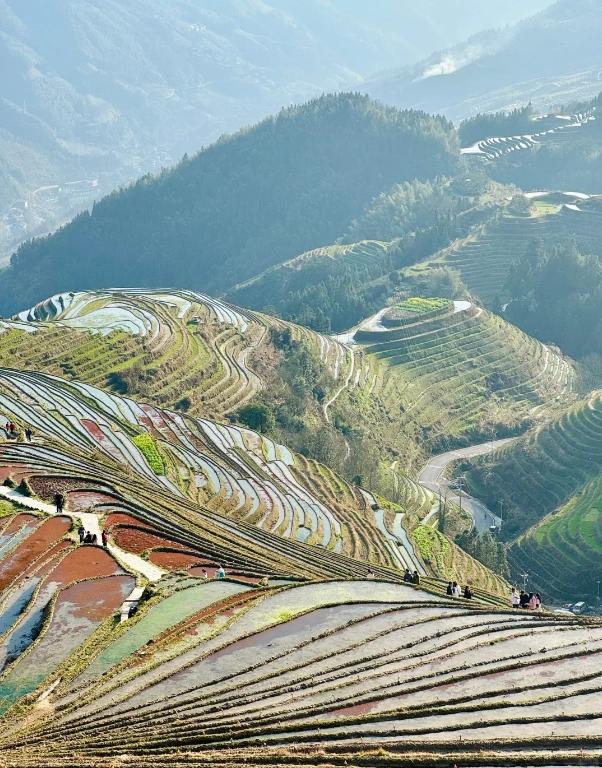
From the Ticket Gate to Your Village
This is the common mistake. You buy your ticket at the main gate, but your hotel is likely 30-60 minutes deeper into the mountains, up a winding road. You have three choices:
Scenic Area Shuttle Bus: Costs about 40 RMB for a round-trip ticket to a specific village (e.g., Ping'an). It's mandatory for all vehicles not registered inside. You'll take this from the main parking lot.
Walking: Don't. It's a long, dull road with traffic.
Arranged Pick-up: Many guesthouses offer a paid pick-up service from the gate. Ask in advance. It can be more convenient with luggage.
Pick Your Village: Ping'an vs. Jinkeng vs. The Others
This is your most important decision. The terraces are farmed by different ethnic groups in separate villages.
Ping'an Zhuang Village
The Classic: More developed, easier access, compact. Home to the Zhuang people. Famous for the "Seven Stars Around the Moon" and "Nine Dragons and Five Tigers" viewing points, connected by a stone-paved path.
Good for: First-timers, photographers on a tight schedule, those who want more hotel/dining options and less strenuous walking.
The downside: Can feel the most "touristy," especially on weekends.
Jinkeng Red Yao Village
The Epic: Vaster, more dramatic terraces. Home to the Red Yao people, known for their long hair. Three major viewing platforms: No.1 Golden Buddha Peak, No.2 Thousand Layers to Heaven, No.3 West Hill Music.
Good for: Serious hikers, landscape lovers, those seeking a more immersive feel. The cable car to Golden Buddha Peak (100 RMB round-trip) is here.
The downside: More spread out, hiking between viewpoints is more demanding. Fewer dining choices than Ping'an.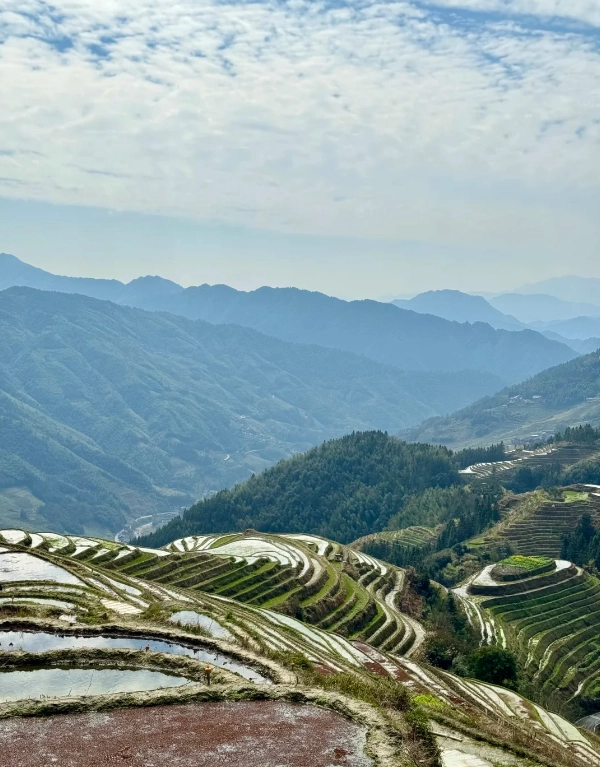
Other Villages (Zhuang, Huangluo)
Smaller, less visited. Great for total peace but with very limited facilities. Huangluo is known for the "Long Hair Village" cultural show (ticket required). I only recommend these for repeat visitors or those with a specific, off-grid goal.
Where to Stay: From Basic to Breathtaking
You stay in guesthouses run by local families. Manage your expectations—this is rural mountain accommodation. Hot water can be iffy, walls are thin, and Wi-Fi is often weak. But the hospitality and views compensate.
In Ping'an: Look for guesthouses near the upper viewing points (like Seven Stars Around the Moon) for the best views. You'll have to carry your bag up stone steps—pack light!
In Jinkeng: Staying near the cable car mid-station or the No.3 West Hill Music area offers good balance between view and accessibility.
Price Range: Basic room: 150-250 RMB/night. Room with a killer terrace view: 300-500 RMB/night. Book ahead for peak seasons. Always, always confirm if your room has a private bathroom and a view. "Mountain view" can mean looking at a hillside, not the terraces.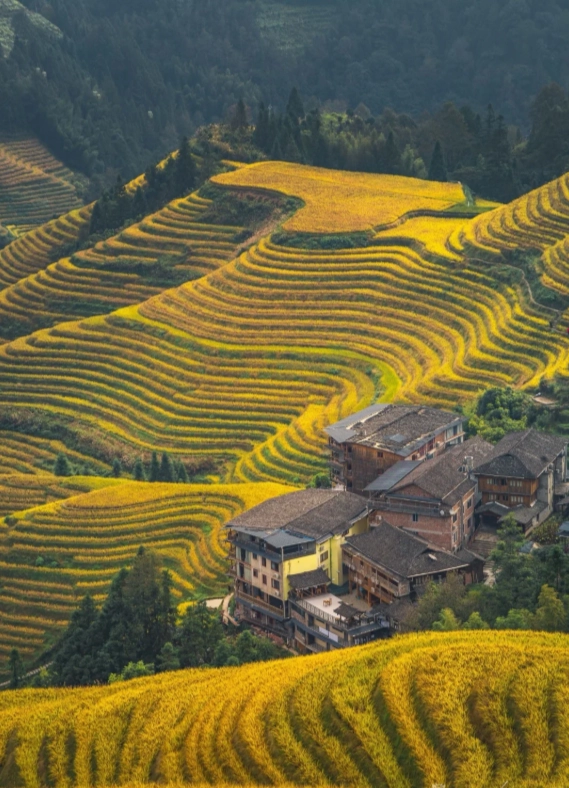
Hiking the Terraces: Routes, Timing, and Secret Spots
Hiking is the point. Don't just go to a viewing platform and leave.
The Golden Rule of Timing
Most day-trippers arrive between 10 AM and 2 PM. If you're staying overnight, your superpower is the early morning and late afternoon. Sunrise is overrated (often foggy), but the hour after sunrise, when the light softens and the crowds haven't arrived, is magic. Late afternoon, from 4 PM until sunset, is the absolute best for warm light and empty paths.
My Favorite Jinkeng Hike (The Full Loop)
Start at your guesthouse in the village center. Hike up to No.3 West Hill Music platform (moderate climb, about 45 mins). Then, follow the stone paths along the ridge towards No.1 Golden Buddha Peak. This is the most scenic walking section—you're level with the terraces. From No.1, you can either take the cable car down or hike back down via the village of Tian Tou. The full loop takes 4-5 hours at a leisurely pace with photos.
Eat (and Drink) Like a Local
Every guesthouse has a restaurant. The menus are nearly identical. Here’s what to order:
Bamboo Tube Rice: Rice, sometimes with bits of meat or sweet potato, cooked in a fresh bamboo tube over fire. It's fragrant and a must-try.
Stir-fried Local Vegetables: Often wild ferns or sweet potato leaves. Incredibly fresh.
Bamboo Wine: A strong, locally brewed rice wine stored in bamboo. It's potent. Sip it slowly in the evening.
Price: A meal with a couple of dishes and rice will cost 40-80 RMB per person.
Bring snacks like nuts or energy bars for the hikes. Small shops sell basics, but selection is limited.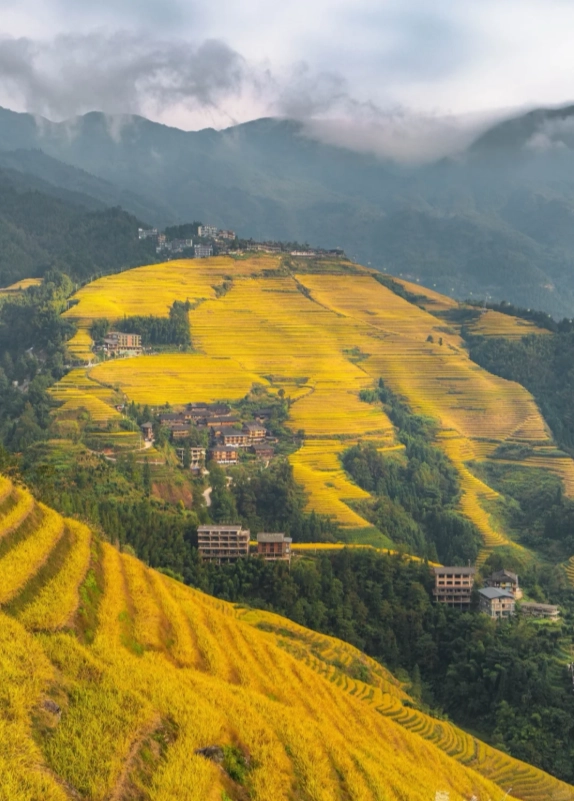
The 24-Hour Power Itinerary (If You're Short on Time)
This is the "I have one day, I want the essence" plan. It's aggressive but doable.
7:00 AM: Get on the first bus from Guilin's Qinjiang Station.
9:30 AM: Arrive at Longji ticket gate. Buy ticket + Jinkeng shuttle bus ticket.
10:15 AM: Arrive in Jinkeng village. Stow any big bags at a shop (they offer this service for 10 RMB).
10:30 AM: Take the cable car up to No.1 Golden Buddha Peak. (Going up saves energy and time). Enjoy the panoramic view.
11:30 AM: Begin the hike down from No.1 towards No.2 and No.3. This is all downhill or flat along the ridge.
1:30 PM: Arrive back in the village. Have a late lunch of Bamboo Tube Rice.
3:00 PM: Catch the shuttle back to the main gate.
4:00 PM: Get on a bus back to Guilin.
You miss the golden hour light, but you see the grandest vista and do the best hike in a condensed format.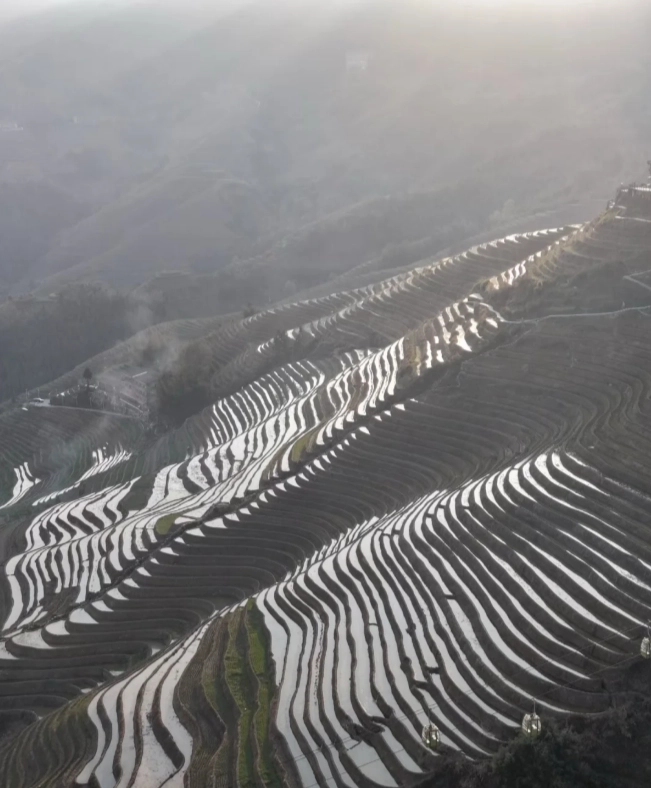
Your Questions, My Blunt Answers
I'm not a serious hiker. Are the Longji Terraces still accessible?
What's the one item most tourists forget to pack for Longji?
Is it worth visiting Longji Rice Terraces in the rainy season?
How do I handle luggage if I want to hike between Ping'an and Jinkeng?
There you have it. The Longji Terraces aren't just a photo stop; they're a living, working landscape and a cultural encounter. A little planning—choosing Jinkeng over Ping'an, staying overnight to capture the late light, packing for the terrain—transforms the experience from checking a box to having a genuine adventure. See you on the trails.
This article is based on my numerous visits and client trips to the Longji Rice Terraces. Details like transport schedules and prices are subject to change, so always double-check locally.





No comments yet.