 Ling Wu
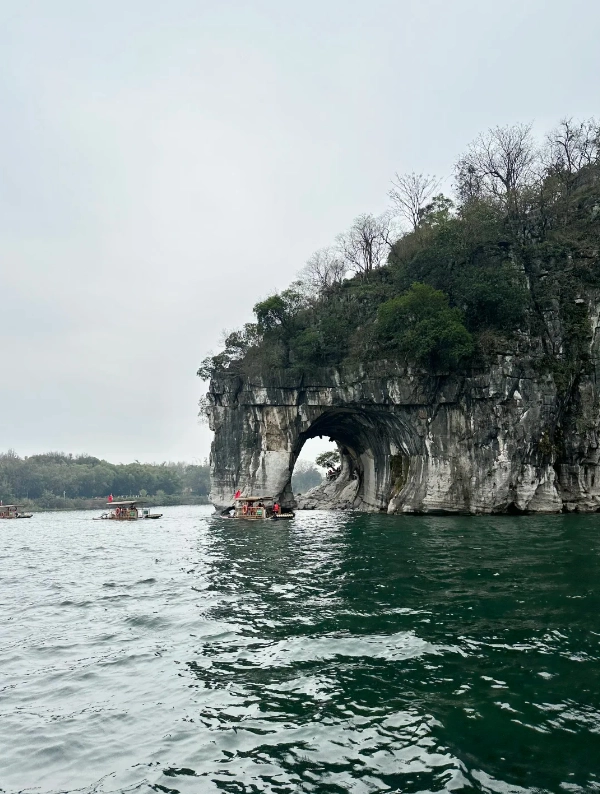
Let's be honest. You've seen the picture. The limestone arch over the Li River, looking exactly like an elephant drinking water. It's the postcard image of Guilin, maybe even of all China. I've been guiding groups here for over a decade, and I still catch my breath every time I round the corner and see it. But here's the thing most blogs don't tell you: just snapping that classic shot and leaving means you're missing about 70% of what makes this place special. This isn't just a rock. It's a whole park with caves, temples, viewpoints, and stories that most visitors walk right past.
Quick Navigation: What's Inside This Guide
- What is Elephant Trunk Hill? Beyond the Postcard
- How to Get There & Ticket Info (Save the Headache)
- Finding the Best Photo Spots (Not Just the Obvious One)
- Hidden Details Most Tourists Blink and Miss
- How to Plan Your Visit: 1-Hour vs. Half-Day Itineraries
- Your Elephant Trunk Hill Questions, Answered
What is Elephant Trunk Hill? Beyond the Postcard
Elephant Trunk Hill (Xiangbishan) is a 55-meter tall karst formation on the west bank of the Li River. The "trunk" is a natural limestone arch created by centuries of water erosion. The local legend says it's a celestial elephant from the heavens, sent to help the people but petrified by a mortal emperor. Geologists have a different, but equally fascinating, story. The entire hill is a park—the Elephant Trunk Hill Scenic Area—covering about 11 hectares. Think of it as a small, walkable outdoor museum of Guilin's landscape.
The mistake I see first-timers make is treating it as a quick photo stop. They pay the entry, walk to the riverfront, snap a picture from the viewing platform, and leave. You can do that in 20 minutes. But if you do, you'll miss the quiet Taoist temple tucked behind the hill, the ancient inscriptions inside the Water Moon Cave (the space under the trunk), and the panoramic view from the top that puts Guilin's city-river-mountain harmony on full display.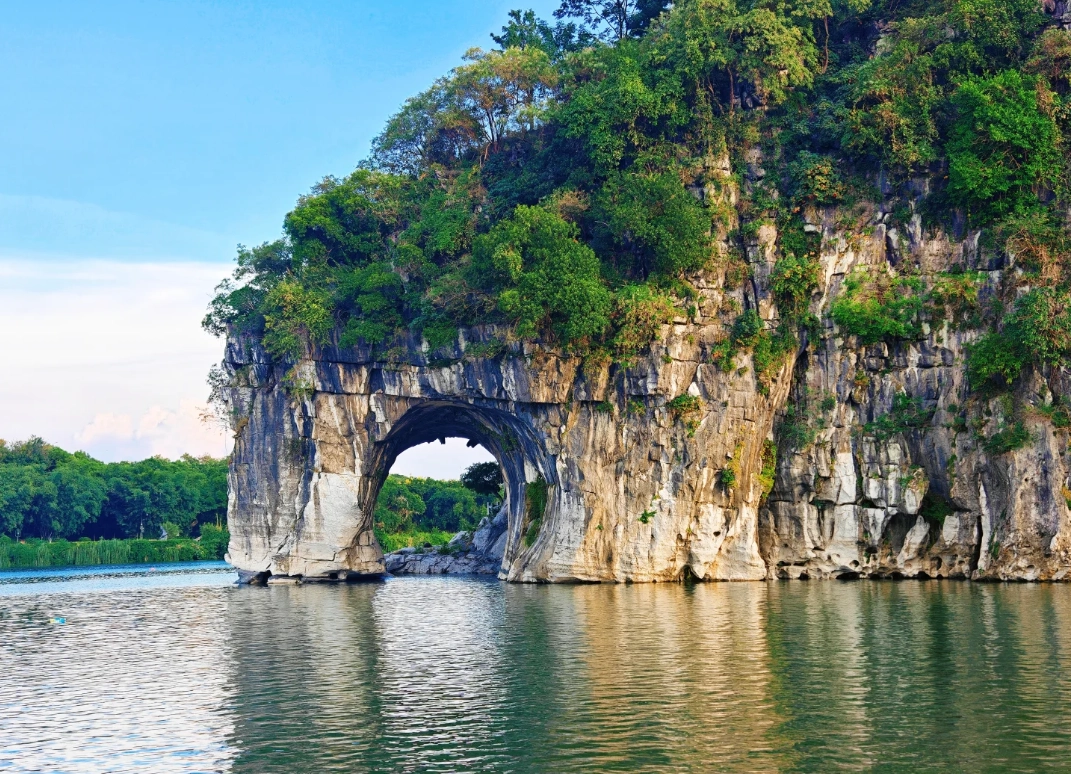
How to Get There & Ticket Info (Save the Headache)
This is where concrete details save you time and confusion. The park has one main entrance.
Full Address: Elephant Trunk Hill Scenic Area, 1 Binjiang Road, Xiufeng District, Guilin, Guangxi. Plug "Elephant Trunk Hill Park Entrance" into your maps app—it'll get you to the right gate.
Transportation: Your Options, Ranked
By Taxi/Ride-Hail (Didi): Easiest. Just tell the driver "Xiangbishan Gongyuan Zhengmen" (Elephant Trunk Hill Park Main Gate). Cost: 10-20 RMB from downtown. Drop-off is right at the ticket booth.
By Public Bus: Cheap and reliable. Key routes are Bus 2, 16, 23, or 57. Get off at the "Xiangbishan Gongyuan" stop. You'll see the park walls. Walk towards the river for about 150 meters to the main entrance. (Pro tip: Bus 2 is a scenic route along the river).
On Foot from Downtown: Very doable if you're near Zhongshan Road or the Sun and Moon Pagodas. It's a pleasant 25-30 minute stroll along the riverwalk.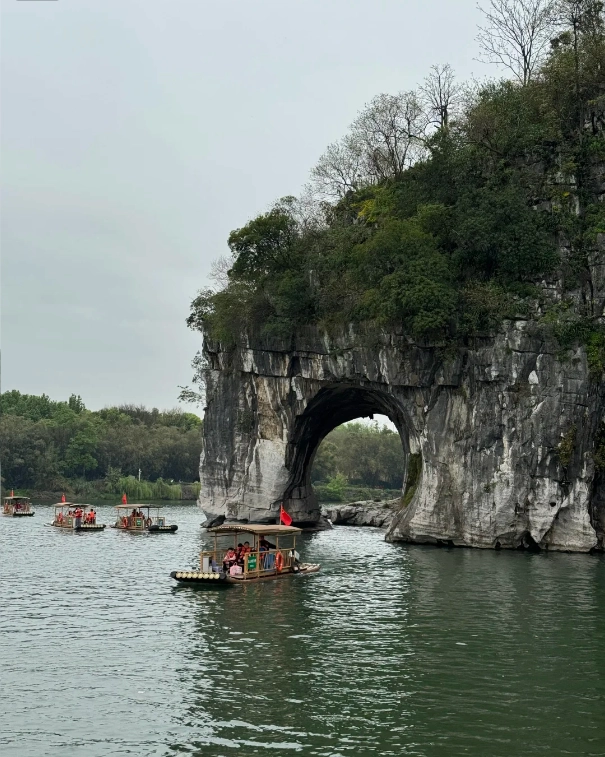
Ticket Prices & Hours
| Ticket Type | Price (RMB) | Notes |
|---|---|---|
| Adult Ticket | 80 | Standard entry. Includes access to the hill, caves, and park grounds. |
| Child/Student Ticket | 40 | Children 1.2m-1.4m tall, or students with valid ID. |
| Child Free Entry | 0 | Children under 1.2m tall. |
| Senior Citizen (65+) | 40 or Free | Chinese seniors often free; foreign seniors usually get discounted. Bring passport. |
Opening Hours: 7:00 AM - 6:30 PM (Last entry usually around 5:30 PM). The park is open year-round, including public holidays. I find the light is most forgiving for photography before 10 AM or after 4 PM.
Finding the Best Photo Spots (Not Just the Obvious One)
Everyone crowds onto the main viewing platform. The photo is fine, but you'll get a dozen strangers' selfie sticks in your frame. Here are the angles I show my small groups.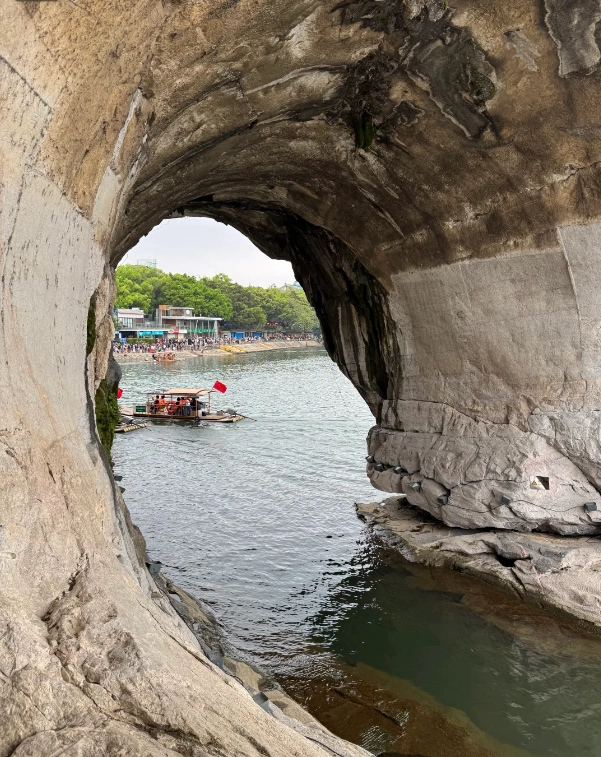
The Classic, But Better: Stand on the platform, but move to the far right side. Wait for a traditional bamboo raft to float under the trunk. That tiny human element—the fisherman with his cormorants (yes, they're often staged for photos, but it's iconic)—adds magic. Costs about 20-50 RMB to hire them to pose.
The Reflection Shot: Walk down the steps to the small pier area to the LEFT of the main platform (facing the hill). When the water is calm, usually in the morning, you can capture a near-perfect reflection of the entire arch. This spot is less crowded because it's not the default viewpoint.
From the Water Moon Cave: Inside the cave (the space under the trunk), frame your shot looking out through the arch. You get the river, maybe a boat, and the circular frame of the stone. It's a unique perspective most don't think of.
The Panorama from Puxian Pagoda: Hike up to the small pagoda on top of the hill. The climb is about 15 minutes of stairs. From here, you shoot away from the elephant, capturing the hill's silhouette against the sprawl of Guilin and the winding Li River. It contextualizes the landmark.
Hidden Details Most Tourists Blink and Miss
This is the stuff I point out on my tours that gets the "oh wow" reactions.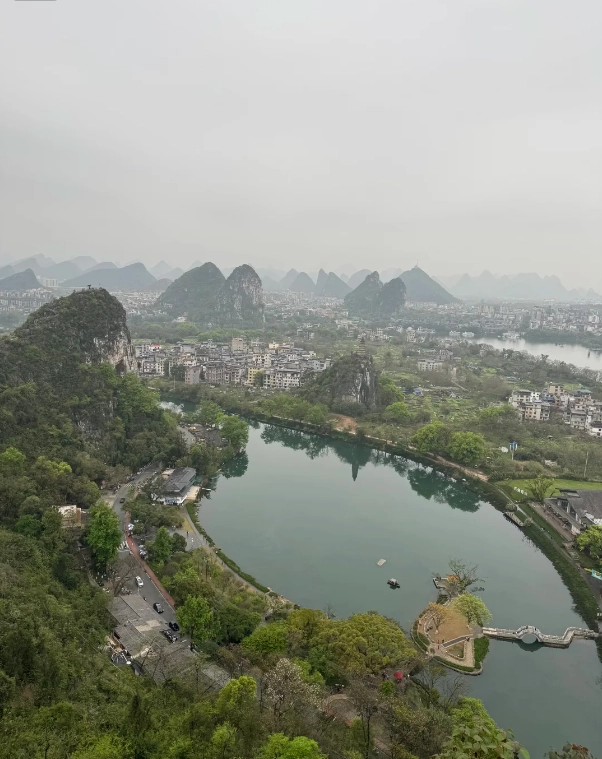
1. The Inscriptions in Water Moon Cave: Don't just walk through the cave. Look at the walls. There are over 50 ancient poems and inscriptions carved into the stone from the Tang and Song dynasties (over 1000 years old). They're writings in praise of the scenery. A quiet moment here connects you to every traveler who stood in that same spot centuries ago.
2. The "Elephant Eye" Cave: On the hillside, above the main arch, is a through-hole that looks like an eye. From certain angles on the opposite riverbank, it completes the elephant's face. It's a fun little detail to spot.
3. Xiangshan Temple: A small, active Taoist temple nestled behind the hill. It's often serenely quiet while the riverfront is buzzing. It's included in your ticket. Pop in for a moment of calm, the smell of incense, and some intricate architecture. It feels separate from the tourist hustle.
4. The Real "Water Moon" Phenomenon: On the night of a full moon, with the water level just right, the moon's reflection can appear to float in the water under the arch AND be seen through the arch's cave simultaneously, creating a double moon effect. It's rare to see perfectly, but knowing the namesake makes the visit richer.
How to Plan Your Visit: 1-Hour vs. Half-Day Itineraries
Your time and energy decide your plan. Here are two I recommend daily.
The Efficient 60-Minute Visit (The Highlights Dash)
- Minute 0-10: Enter, walk straight to the riverfront viewing platform. Get your classic photo.
- Minute 10-25: Descend the steps, walk into and through the Water Moon Cave. Look for the inscriptions.
- Minute 25-45: Take the path that leads around the back of the hill, past Xiangshan Temple (quick peek inside).
- Minute 45-60: Walk back to the entrance, maybe grabbing a coconut drink from a vendor outside the gate.
This is for the time-crunched. You see the big thing and a bit of soul.
The Leisurely Half-Day Exploration (See It All)
- Hour 1: Follow the 60-minute plan, but take your time at each spot. Read a few inscriptions. Sit by the river.
- Hour 2: Begin the climb up to Puxian Pagoda. The stairs are steep in parts—take breaks. The view from the top is your reward. Spend 20 minutes up there.
- Hour 2.5-3: Descend a different way if possible, explore the smaller garden paths in the park. Find a bench under a banyan tree and just watch the river traffic.
- After: Exit and walk 5 minutes north along Binjiang Road to a local noodle shop for Guilin rice noodles.
Your Elephant Trunk Hill Questions, Answered
Look, at the end of the day, Elephant Trunk Hill is more than a checklist item. It's the heart of Guilin's poetic landscape. Don't rush it. Give yourself time to find a quiet corner, watch the light change on the stone, and see what the ancient poets saw. That's the real ticket.
This article is based on my personal, repeated visits and guiding experience at the site. Details like ticket prices and bus routes are verified against official sources and local knowledge.






No comments yet.