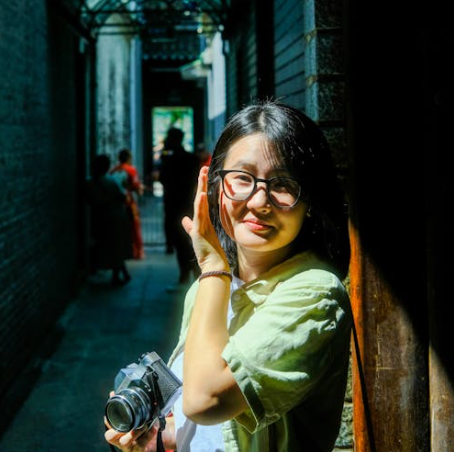
 Ting Chen
Let me tell you something straight. Most online guides to Chongqing just list the same five spots. Jiefangbei, Hongya Cave, the cable car... done. If you follow those, you'll have an okay time. You'll get the photos. But you'll miss the soul of the place, the rhythm that makes this city tick. You'll waste hours in lines you could have skipped and eat at tourist traps instead of the places where locals actually queue up.
I've been guiding groups here for over a decade. I've seen families light up when they find that hidden viewpoint, and I've helped solo travelers navigate the maze of alleyways to find the perfect bowl of noodles. This guide is different. It's not a list; it's a set of intentional routes. We're going to build your days around logic, flow, and authentic experience, not just ticking boxes on a map. Think of me as your friend with a local pass, showing you how to move through my city.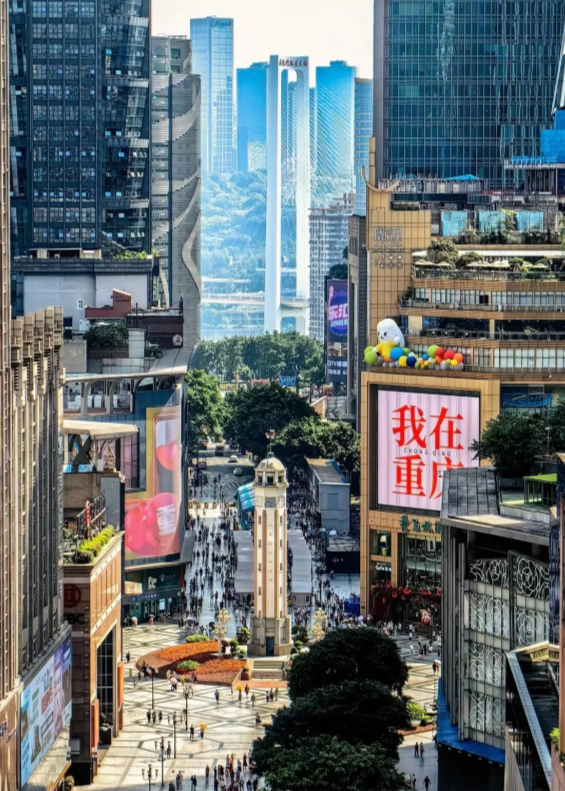
Your Chongqing Route Planner
Understanding Chongqing's Terrain: It's Not a City, It's a 3D Puzzle
Before we plot a single route, you need to grasp the lay of the land. Chongqing is built on steep hills at the confluence of the Yangtze and Jialing Rivers. What looks like a short walk on a map can involve climbing 200 steps. What looks like two separate districts might be connected by a bridge 10 floors above the ground.
The Golden Rule: Never trust 2D map walking times. Google Maps might say "15-minute walk." Add at least 50% if it involves an elevation change. Always check if there's a metro station or a bus that can shortcut the climb.
The city is loosely divided by the rivers. The main peninsula, where the classic downtown is, lies between the Yangtze and Jialing. North of the Jialing is Jiangbei District (where the airport is). South of the Yangtze is Nan'an. For first-timers, 90% of your time will be on the main peninsula. The metro is your best friend, but its exits are critical. Exiting at the wrong one can mean a 20-minute detour up a hill.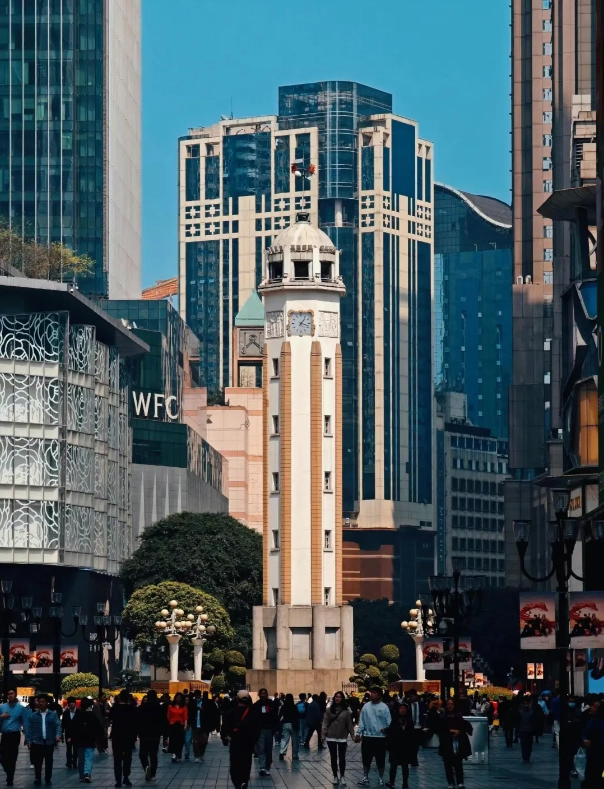
Top Must-Do Routes in Chongqing
Here’s how I structure days for my clients. These routes group nearby things logically, minimizing backtracking and maximizing vibe.
Route 1: The Urban Core & History Dive (Full Day)
Start at Jiefangbei (Liberation Monument). It's the symbolic center. Take the photo, feel the modern buzz. But here's the trick: instead of just looking up, go underground. The monument sits atop a massive shopping complex. Head down and navigate to exit 5 or 6 of the metro station—it feels like a sci-fi movie set.
From there, walk 10 minutes to Luohan Temple (Address: 7 Luohan Temple Street, Yuzhong District). It's an ancient Buddhist temple squeezed between skyscrapers. Tickets are about 10 RMB. It's serene, and the hundreds of clay arhat statues are mesmerizing. Go early to avoid the tour groups that pile in after 10 AM.
For lunch, walk 15 minutes (mostly flat!) to Daipingkou Old Street. It's less manicured than some other "old streets" but feels real. Grab some *suan la fen* (hot and sour potato noodles) from a street vendor.
In the afternoon, take a taxi (about 15 RMB) or the metro (Line 2 to Liziba, exit A) to the Chongqing People's Assembly Hall and the adjacent Three Gorges Museum. The Hall is a stunning example of 1950s socialist architecture. The museum (free, closed Mondays) is air-conditioned and gives you the crucial historical context about the Three Gorges Dam project, which reshaped this region. Most tourists skip it. Don't.
As dusk approaches, this is your moment for the Yangtze River Cable Car. Everyone says to take it. I say be strategic. The north station (in Jiangbei) always has a shorter queue. Take the metro to Xiaoshizi Station (exit 8), enjoy the view from the southern bank, but don't get in line yet. Walk across the Qiansimen Bridge. The pedestrian walkway offers the best free panoramic view of the city, Hongya Cave, and the cable cars gliding by. Once across, find the cable car's Xinhua Road Station (North Station). The queue is usually half as long. A one-way ticket is 20 RMB. You ride back towards the peninsula as the city lights turn on. Magic.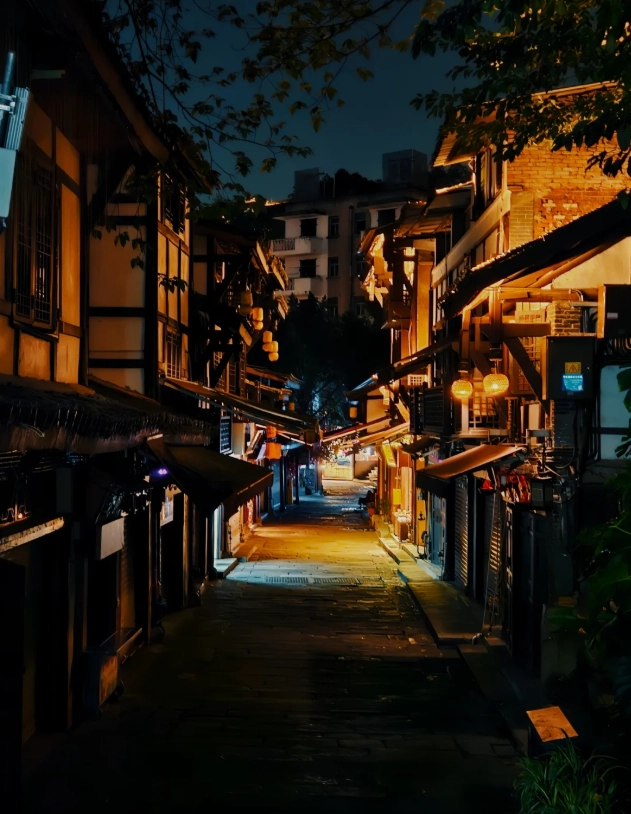
Route 2: Hongya Cave & The Paternoster Route (Evening)
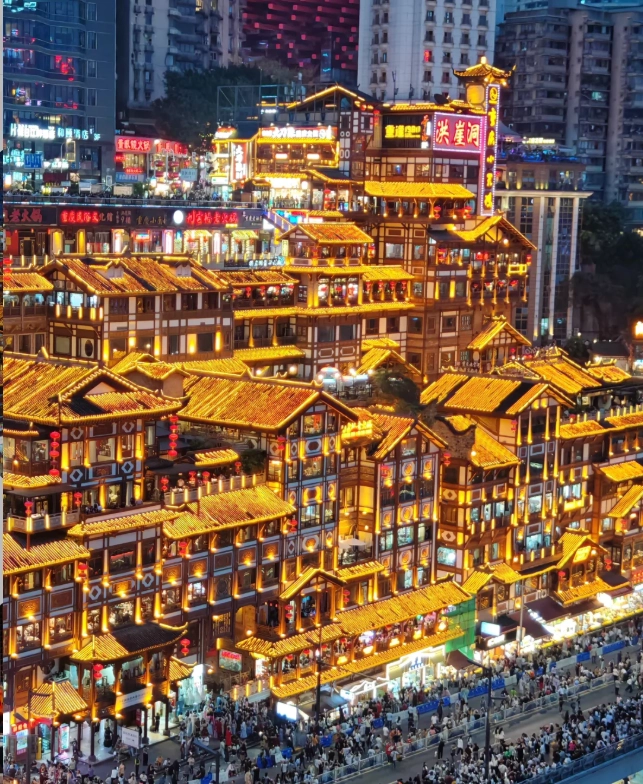
Hongya Cave is a must, but treating it as a daytime attraction is a mistake. It's a modern commercial complex built into a cliffside. By day, it's just shops. By night, it transforms into a fairy-tale layered lantern. Go around 7:30 PM.
Take the metro to Xiaoshizi Station, exit 9. Follow the crowd downhill towards the river. The first view from the road above is good. The view from the footbridge directly opposite is the iconic one. Now, here's the local move: don't just go inside and fight the crowds on the stairs. Find the building's elevators. They are public and will shoot you up to the top floors (where the cafes are) for free. Get a drink, secure a seat by the railing, and watch the chaos below in comfort.
After, walk along the Binjiang Road towards the Chaotianmen Square. It's where the two rivers meet. The square itself is vast and a bit empty, but the energy is raw. You'll see port workers, vendors, and the sheer scale of Chongqing's river logistics.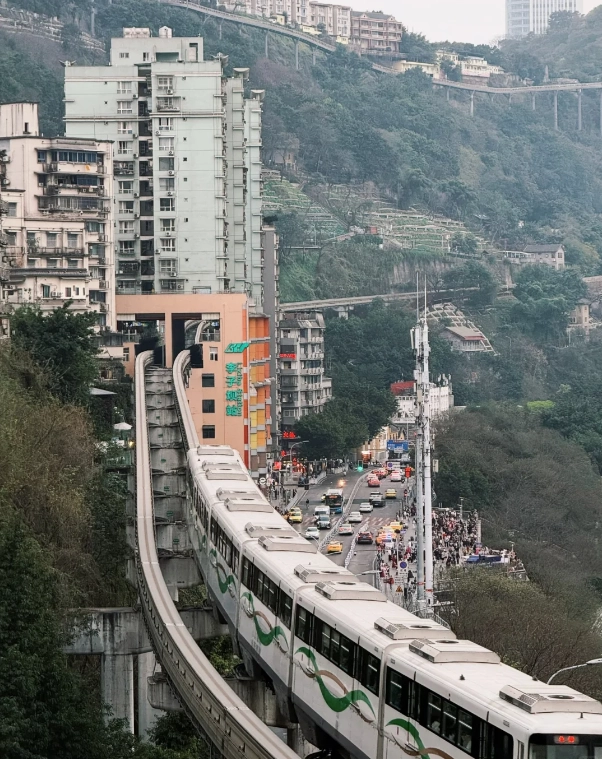
The Essential Food Route (A Culinary Pilgrimage)
You can't just eat hot pot anywhere. This route is designed for taste and logistics.
Breakfast: Head to any residential area near where you're staying around 8 AM. Look for a small shop with plastic stools. Order *Xiao Mian* (Chongqing noodles). The basic version is in a spicy, numbing broth. If you're hesitant, say "*qing tang*" (clear soup). It should cost 8-12 RMB.
Lunch Exploration: The area around Qixinggang and Guanyinqiao is a foodie warren. For a life-changing dumpling, find Wu Jiang Dumplings (Wu Jiang Dou Shi) at various branches. Their *hong you chao shou* (wontons in chili oil) are perfect.
The Hot Pot Dinner: This is the main event. Avoid the flashy chains in tourist zones. My consistent recommendation for a first-timer is **Dongzi Laohuoguo (Cave Old Hot Pot)**. There are a few, but the one at 78 Zhongxing Road, Nan'an District (near Nankong Square) has the right atmosphere. It's not in a real cave, but it's got that gritty, authentic feel. A meal runs 80-120 RMB per person.
How to order without crying: Get a *Yuan Yang Guo* (Mandarin Duck Pot)—half spicy, half mild bone broth. In the spicy side, stick to basics: sliced beef, tripe, duck intestine, *huanghou* (bean sprouts), and potato slices. The mild side is for veggies that soak up oil like lettuce or spinach. Your dipping sauce is simple: sesame oil, a bit of garlic, and cilantro. The oil coats your mouth and cools the spice. Drink *laozao* (sweet fermented rice drink) or soybean milk, not water.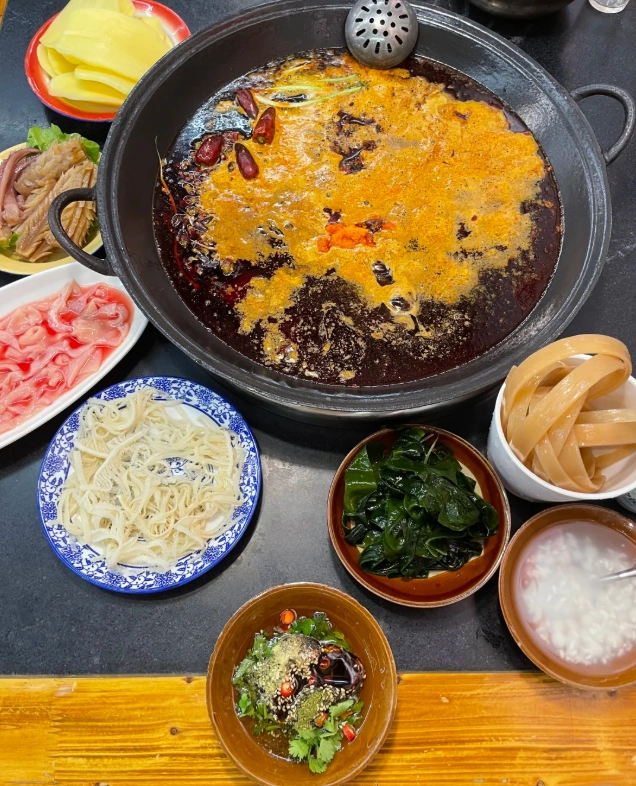
How to Adjust Your Itinerary: The 24-Hour Sprint vs. The 3-Day Deep Dive
If you only have 24 hours: You'll need to be ruthless. Prioritize vibe over depth.
Morning: Jiefangbei & Luohan Temple.
Afternoon: Take the monorail (Line 2) through the Liziba station where it goes *through* an apartment building—get off at the next stop and walk back to photograph it.
Evening: Early hot pot dinner (5:30 PM to beat the crowd), then straight to Hongya Cave for the night view. Cap it with the cable car from the north station.
You'll miss the museum and deeper exploration, but you'll hit the iconic visuals and tastes.
If you have 3 days: This is the sweet spot.
Day 1: Follow the Urban Core route above.
Day 2: Dedicate to Ciqikou Ancient Town. Take Metro Line 1 to Ciqikou Station. It's touristy but charming. Spend the morning there, have lunch. In the afternoon, visit the nearby Bai Mansion (Caiyuanba) and Zhazi Cave Prison Museum for a sobering look at WWII history—it's powerful and often overlooked by foreign visitors.
Day 3: Day trip to the Dazu Rock Carvings. This is non-negotiable if you like culture. They are UNESCO World Heritage sites. Take a high-speed train from Chongqing West Station to Dazu South (about 30 mins), then a taxi to the Baoding Mountain carvings. The artistry is staggering. Book train tickets in advance via Trip.com.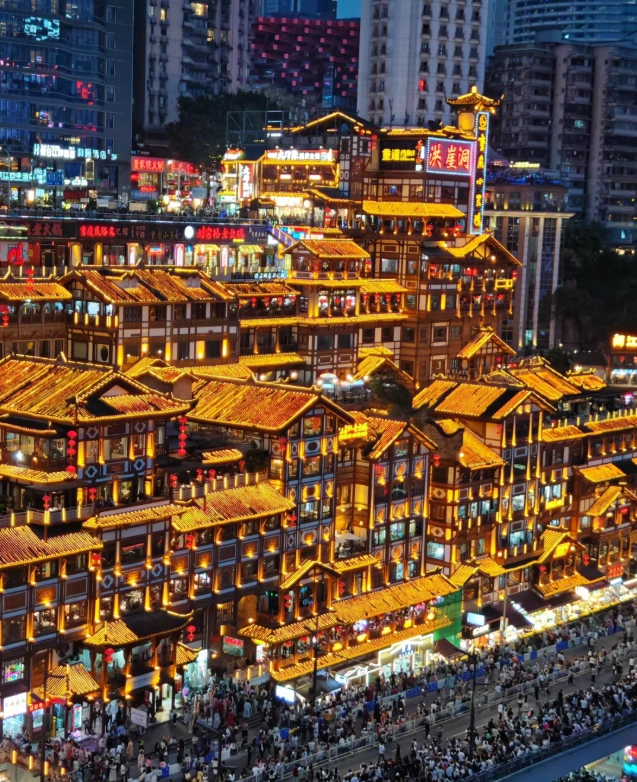
| Attraction | Key Info for Planning | Insider Tip |
|---|---|---|
| Hongya Cave | Free entry. Shops open late. Best after 7:30 PM. | Use the public elevators to reach top floors, avoid main stairways. |
| Yangtze Cable Car | 20 RMB one-way. Operates 7:30 AM - 10:30 PM. | Board at Xinhua Rd (North) Station. Queues are shorter. |
| Luohan Temple | ~10 RMB. Open 8 AM - 5 PM. | Visit right at 8 AM to have the peaceful courtyard to yourself. |
| Ciqikou | Free entry to town. Metro Line 1. | The quieter back alleys uphill have better teahouses than the main street. |
| Hot Pot Meal | 80-150 RMB per person. | Order a *Yuan Yang* pot. Drink soybean milk. Have tissues ready. |
Getting Around: Tips to Save Time & Sanity
- Metro: Download the "Chongqing Metro" app or use Alipay/WeChat Pay to scan at the gates. The network is extensive and cheap. Always note the exit number. Exit 4A vs. 4B can mean a 10-minute hill difference.
- Taxis & Ride-Hailing: Use Didi (the Chinese Uber). It's cheap and avoids language issues with addresses. Show the driver the Chinese characters for your destination.
- Walking: Wear shoes with excellent grip and support. The pavement can be slick, and the stairs are relentless.
- Avoid: Public buses during rush hour (7:30-9 AM, 5-7 PM) unless you want an intimate experience of local commute culture.
Your Chongqing Travel Questions Answered
Is one full day enough to see Chongqing?
You can see the postcard highlights in a day if you're efficient (follow the 24-hour plan above). But you'll be rushing and won't absorb the atmosphere. Chongqing's magic reveals itself in the evenings, in back-alley eateries, and in the sheer scale that takes time to comprehend. Two to three days is ideal to feel like you've actually been here.
How do I order hot pot if I can't handle spicy food?
This is the most common fear. First, always get the *Yuan Yang* (split pot). Second, when they ask for spice level, say "*wei la*" (micro-spicy). Third, and most important, stick to the mild broth side for most of your cooking. You can briefly dip a piece of meat into the spicy side for flavor, then let it cool in your bowl of sesame oil. The oil is your shield. Avoid leafy greens in the spicy broth—they become spice sponges.
What's the biggest mistake tourists make with transportation?
Trusting walking times on flat maps and not using the metro's specific exits. Also, trying to visit attractions in strict geographical order without considering the verticality. A route that looks like a straight line might involve going down to river level and back up again twice. Plan your day in clusters connected by metro or a short taxi.
Is it worth going to the Dazu Rock Carvings on my own?
Absolutely, and it's often better than a rushed group tour. The high-speed train is comfortable and reliable. At the site, English audio guides are available. You control your pace. The only challenge is getting from Dazu South Station to the carvings (a 20-minute taxi, about 30 RMB). Just use Didi. The independence is worth it for the ability to linger at the incredible *Parinirvana of Sakyamuni* statue.
What should I absolutely avoid?
Eating at the obvious tourist restaurants right outside Hongya Cave or in Ciqikou's main square. The food is overpriced and mediocre. Walk five minutes into the surrounding local streets. Avoid visiting the Stilwell Museum or the Red Rock Village unless you have a very specific historical interest—they are far out and the exhibits have limited English. Don't visit Eling Park expecting a vast green space; it's more of a landscaped hill with a viewing tower (the view is good, but it's a climb).
 Chongqing isn't a city you simply visit; it's a city you navigate, conquer, and ultimately savor. It challenges your senses and rewards your curiosity. Forget the checklist. Follow these routes, embrace the chaos, let the smell of chili and river mist guide you, and you'll leave with stories far better than just photos. Now go get lost (strategically).
This article is based on firsthand, repeated experience guiding in Chongqing. Details have been fact-checked for accuracy regarding locations, logistics, and typical visitor experience.





No comments yet.