 Ting Chen
Let's get one thing straight. You're not coming to Chongqing to ride the monorail as a practical commute. You're coming to see that magic trick – a full-sized train gliding directly through the middle of a 19-story apartment building. I've lost count of how many times I've stood there with a group, heard the collective gasp, and watched phones shoot up into the air. Liziba Station isn't just a stop on Line 2; it's a symbol of how Chongqing bends physics and urban planning to its will. But here's the thing most blogs don't tell you: just showing up at the viewing platform is like only reading the headline. To really get it, you need to know where to stand, when to go, and what to do after the train disappears.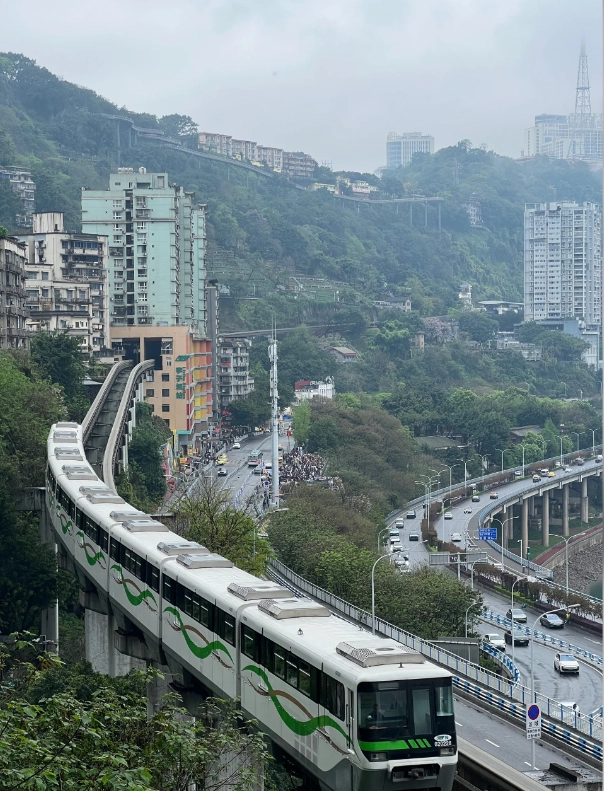
What's Inside This Guide
What is the Liziba Monorail Station?
Liziba is a station on Chongqing's Monorail Line 2. The line opened in 2005, and the station was built simultaneously with the residential complex above it – that's the key detail. It wasn't a train crashing into an existing building; it was all one planned structure. The train tracks run through the 6th to 8th floors, with residential apartments above and below. The station platforms themselves are on the 6th floor. For years, it was just a normal stop for locals. Then social media happened. Now, it's arguably the most photographed transit hub in China.
Address: Liziba, Yuzhong District, Chongqing (The official address is just the area name).
Nearest Metro Exit: Liziba Station, Exit A. This is the only exit that takes you directly to the famous viewing platform.
Ticket Price: Free to view from the outside. To ride the monorail through the station, a single journey ticket costs 2-7 RMB depending on distance.
Operating Hours: The viewing area is open 24/7. The monorail itself runs from approximately 6:30 AM to 11:00 PM daily. Trains come every few minutes.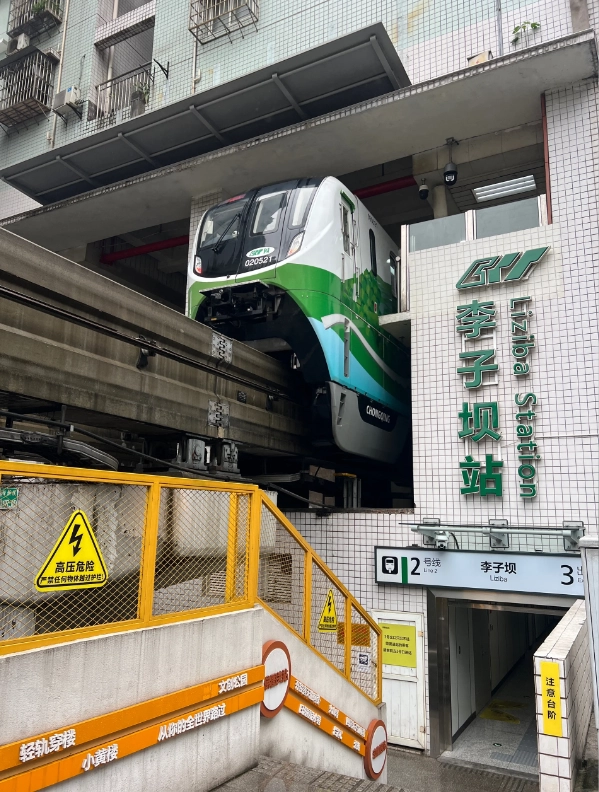
How to Get to Liziba Monorail Station (Step-by-Step)
This is where most first-timers waste time. Don't just follow a map to "Liziba." Follow these instructions.
Option 1: The Direct Approach (For the Photo First)
Take Metro Line 2 to Liziba Station. Get off, follow signs for Exit A. Walk up the stairs, and you'll emerge directly onto the official viewing platform. This is the fastest way to see the spectacle. Pro tip: The station toilets are just before the Exit A gates and are usually crowded. Consider using facilities at your previous stop.
Option 2: The Experiential Approach (For the Ride Through)
To actually be on the train as it goes through the building, you need to board Line 2 at another station. I recommend starting at Jiaochangkou (city center) or Nanting (if coming from the south). Buy a ticket to a station past Liziba, like Niujiaotuo or Zengjiayan. Stand at the front of the train car (windows are clearer there). As you approach Liziba, you'll feel the train dip and curve before sliding into the lit-up tunnel of the building. It's a 5-second thrill, but it's cool.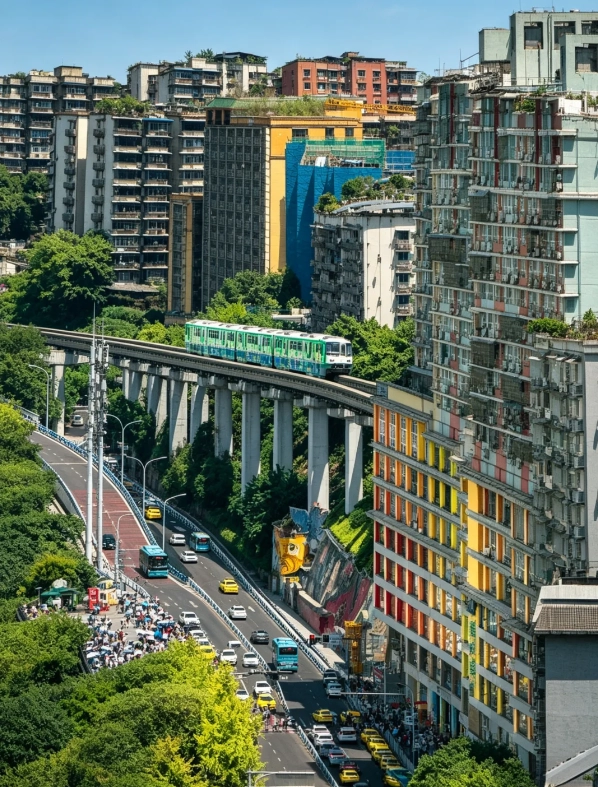
Option 3: By Taxi or Ride-Hailing (Didi)
Tell the driver: "Liziba guangchang" (Liziba Plaza/Viewing Platform). They'll know. The drop-off point is on the road below the platform. You'll then walk up a set of stairs to reach it.
The Best Photo Spots at Liziba (Ranked & Mapped)
The government-built viewing platform is fine, but it's crowded and your photo will have 100 strangers in it. Here are the spots I take my small groups to, ranked from easiest to most adventurous.
| Spot & Rank | How to Find It | Best For | My Personal Tip |
|---|---|---|---|
| 1. The Riverside Walkway | From the viewing platform, walk down the stairs towards the Jialing River. Turn right and follow the path for 150 meters. | Go here for the 7:00 PM-8:00 PM timeslot when the building lights are on but the sky is still blue. You'll get the train light trails against a colorful backdrop. | |
| 2. The "Secret" Residential Alley | Opposite Exit A, there's a small road leading uphill. Walk up 50 meters, turn into the first residential alley on your left. | A unique, ground-up perspective looking at the building's support pillars with the train above. | This feels more "local." Be respectful, don't block doorways, and keep noise down. The light is best here mid-morning. |
| 3. The Viewing Platform (Lower Level) | At the main platform, look for the stairs that go down one level to a smaller, less crowded concrete platform. | A closer, more head-on shot of the train entering the building. Fewer people. | This is my go-to if a client wants the classic shot but hates crowds. The angle is slightly more dramatic than the top level. |
| 4. From Another Train | Ride the monorail in the opposite direction. As your train passes Liziba on the parallel track, you can film the other train going into the building. | A dynamic, moving shot that's different from every static photo online. | Use the front window again. This requires timing and a bit of luck, but the result is worth it for photography enthusiasts. |
How to Avoid the Crowds at Liziba?
You can't avoid them entirely, but you can outsmart them. Never go on a Chinese public holiday or weekend afternoon. That's a recipe for frustration.
The Golden Hour: Weekday mornings before 9:00 AM. The commuter rush has eased, and tourist buses haven't arrived yet.
The Sweet Spot: Weekday evenings around 7:00 PM - 8:00 PM. The day-trippers have left for dinner, and you get the added bonus of the building lights.
Weather is Your Friend: A light drizzle or overcast day scares away about 30% of the crowd. The photos can still be great, with moody skies.
Most guides will tell you to spend an hour here. I disagree. Unless you're a photographer waiting for perfect light, 30-45 minutes is plenty. See the train pass 2-3 times, get your photos from a couple of angles, and move on. Chongqing has too much else to offer.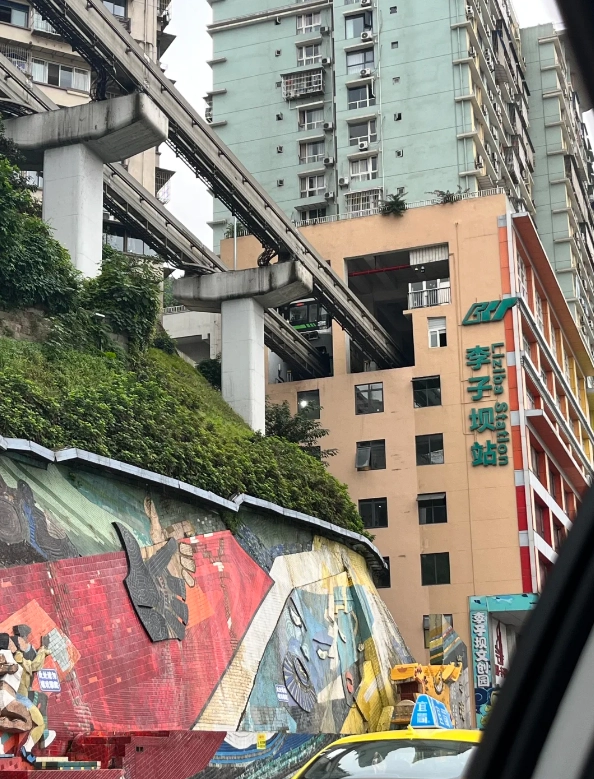
What to Do After Liziba? A Smart 24-Hour Itinerary
Let's say you have one day in Chongqing and Liziba is a must-see. Here's how I'd structure it for maximum efficiency and enjoyment, based on actually leading this tour dozens of times.
Morning (9:00 AM - 12:00 PM): Start at Ciqikou Ancient Town. It gets packed later, so see it early. Grab breakfast street food like spicy noodles. Then, take the metro from Ciqikou Station directly to Liziba (it's a short ride on Line 1, transfer to Line 2 at Daxigou). You'll arrive at Liziba during the late morning lull.
Afternoon (12:30 PM - 5:00 PM): After Liziba, take a taxi (10-minute ride) to E'ling Park. This is a classic local park with the best panoramic views of the city's peninsula. It's free, shaded, and a peaceful contrast. From there, walk down to Hongya Cave. Explore the stilted buildings during daylight. Have a late lunch here – try a hotpot place with a river view.
Evening (6:00 PM onwards): As dusk falls, Hongya Cave lights up – that's the iconic view. Then, take a short walk across the Qiansimen Bridge or the new Hongyan Memorial Bridge to the financial district. You can get an amazing night view back towards Hongya Cave and the mountains. For dinner, the area around Guotai Arts Center has fantastic, less-touristy restaurants.
This loop is geographically logical, mixes ancient, viral, and modern Chongqing, and minimizes backtracking.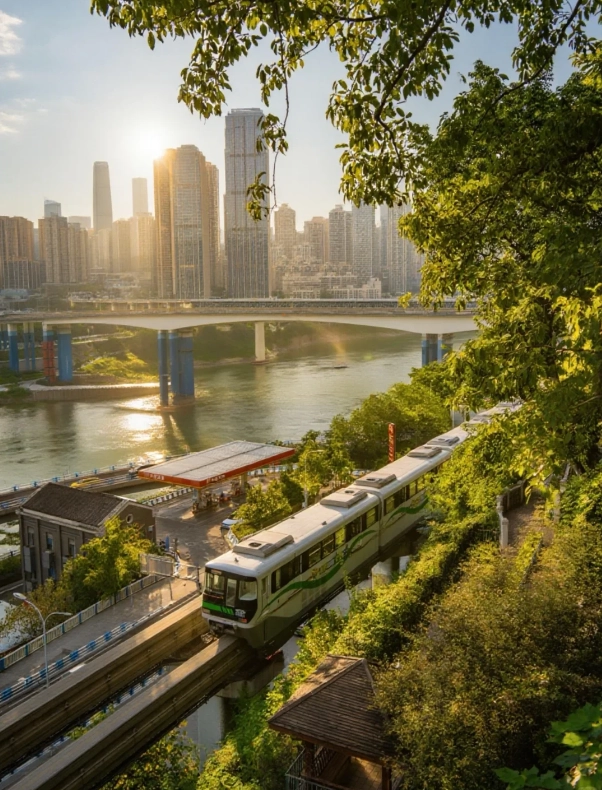
Your Liziba Questions, Answered
Is Liziba Station worth visiting if I only have one day in Chongqing?
It depends on your travel style. If you love unique urban phenomena and iconic photo ops, yes – but keep it short. Allocate 45 minutes, see it, and move on to Ciqikou or Hongya Cave. If you prefer deep cultural immersion over quick stops, you could skip it. There's no right answer, but don't let it consume half your day.
What's the best way to photograph the train going into the building?
Use burst mode or video. The train moves faster than you think. For photos, pre-focus your camera on the building's opening. For a smooth video, lean your phone against a railing or use a mini tripod. And don't just film the train – pan your camera down to show the reactions of the crowd below. That tells a better story.
Can you go inside the apartment building where the train runs through?
No. It's a private residential building. The entrance is separate and secured. Respect the residents' privacy. The best you can do is visit the station concourse on the 6th floor, which is just a normal metro hall with a convenience store.
I get motion sickness easily. Is the monorail ride very shaky?
The monorail is surprisingly smooth. The ride through the building itself is very brief and not particularly jarring. The bigger issue can be crowding in the train car. If you're sensitive, avoid rush hour (7:30-9:00 AM, 5:00-7:00 PM) and try to get a seat.
Are there any good restaurants or cafes near Liziba Station?
The immediate area is mostly residential. There are simple noodle shops and the ubiquitous convenience stores. For a proper meal or coffee, I'd recommend heading to the Daping area (2 stops away on Line 2) or back towards Jiaochangkou. Near Daping, check out "Zhou's Kitchen" for authentic Sichuan dishes or one of the many local hotpot chains.
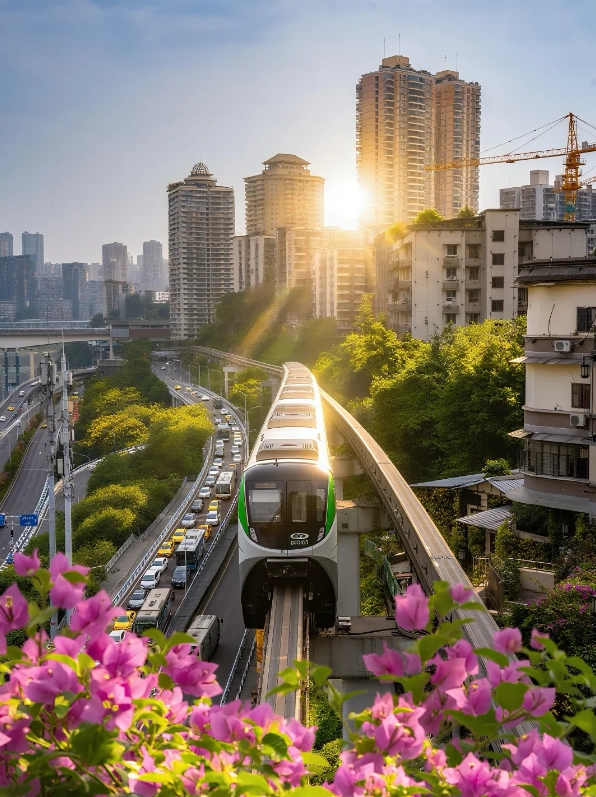 Liziba is a perfect snapshot of modern Chongqing: innovative, crowded, photogenic, and a little bit unbelievable. It's a quick win. See it, be amazed, take your photo, then dive deeper into the city's layers of history, food, and sheer verticality that surrounds this one famous spot. That's where the real adventure begins.
This article is based on personal, on-the-ground experience guiding international visitors in Chongqing. Details regarding transit times, locations, and crowd patterns have been consistently observed and verified.





No comments yet.