 Ming Yang
Let's be honest. You've probably seen the pictures: a glowing, layered fortress clinging to a cliff, a monorail train bursting through an apartment building, a cauldron of bubbling red oil. Chongqing looks like a fantasy city, and it is. But as a guide who's led countless wide-eyed travelers through its maze-like streets for years, I can tell you the postcard version only scratches the surface. The real magic—and the real challenge—is in the experience. This isn't a flat, grid-based city you simply stroll through. Chongqing is a vertical, sensory, and sometimes bewildering adventure. My goal here isn't just to list attractions; it's to give you the toolkit to navigate them like a local, avoid the common pitfalls, and discover the moments that make this city unforgettable.
Your Chongqing Adventure at a Glance
Navigate the Vertical City
Chongqing's topography is its defining feature. You're not just visiting a city; you're navigating a 3D maze built on hills. Mastering this is the first step to enjoying it.
Hongya Cave: The Icon, Done Right
Address: 88 Cangbai Road, Yuzhong District. Nearest Metro: Line 1 or 6, Xiaoshizi Station, Exit 9. Walk straight for 3 minutes, you'll see the crowds.
Yes, it's touristy. But skipping Hongya Cave is like skipping the Eiffel Tower in Paris. The trick is timing and perspective. Most guides tell you to go at night when it's lit up. I disagree. The exterior lights are stunning, but the interior is a packed, chaotic shopping mall. Here's my method: Go just before sunset (around 6:30 PM). Enter from the top level (street level on Cangbai Road). Walk down through a few floors to get the feel, but don't get stuck shopping. Then, exit and walk across the Qiansimen Bridge. From the middle of the bridge, you get the perfect, panoramic, postcard view of the entire structure reflecting on the Jialing River as the sky turns dark blue and the lights come on. No crowds, no pushy vendors, just the view. It's free and it's the shot everyone wants.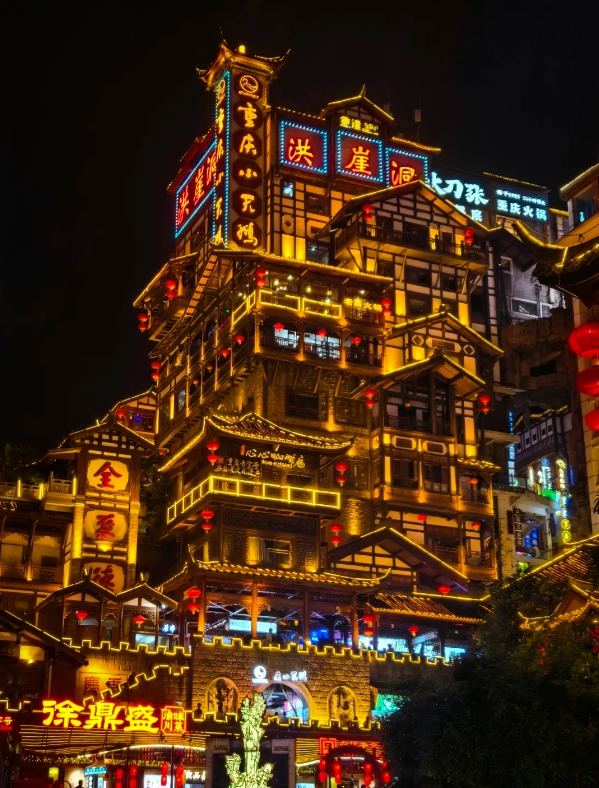
Liziba Station: The Train Through a Building
Address: Liziba, Line 2. Viewing Platform: Get off at Liziba Station, take Exit A. Instead of going into the building, turn left immediately after exiting the ticket gate and walk down the street about 50 meters. You'll find a dedicated, multi-tiered public viewing platform.
This isn't just a photo op; it's a masterclass in Chongqing's adaptive urban planning. The monorail (Light Rail Line 2) was built first, and the 19-story residential complex was designed around it. The platform gets crowded, but the wait is short. Trains pass every few minutes. For a truly local experience, ride the train from Liziba towards Niu Jiaotuo. Sit on the right side. As you leave the station, you'll be inside the building's middle floors, looking directly into people's living rooms and kitchens for a surreal 5 seconds. It's a moment of pure, shared urban weirdness.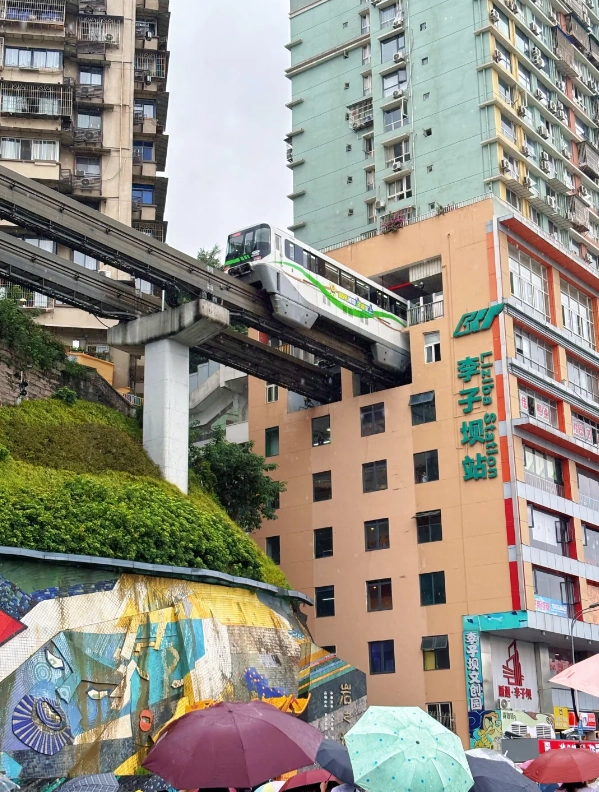
Cable Car Over the Yangtze: A Fading Classic
Xinhua Road Station (North Bank): 151 Xinhua Road, Yuzhong District. Metro: Line 1, Xiaoshizi Station, Exit 5, then a 10-minute walk uphill (be prepared).
Operating Hours: 7:30 AM - 10:00 PM. Ticket: 20 RMB for a one-way trip (single ride, no round-trip ticket).
This is the old-school, no-frills Chongqing crossing. The cabins are basic, the queue can be long (aim for a weekday morning or late evening), but the view of the confluence of the Yangtze and Jialing Rivers is unparalleled. It's a working-class commute, not a polished attraction. Hold on tight, it can be windy. I always tell my groups: look south as you cross. You'll see the chaotic, layered architecture of the old city on the north bank give way to the modern skyscrapers of Nan'an District on the south bank—a visual history lesson in 5 minutes.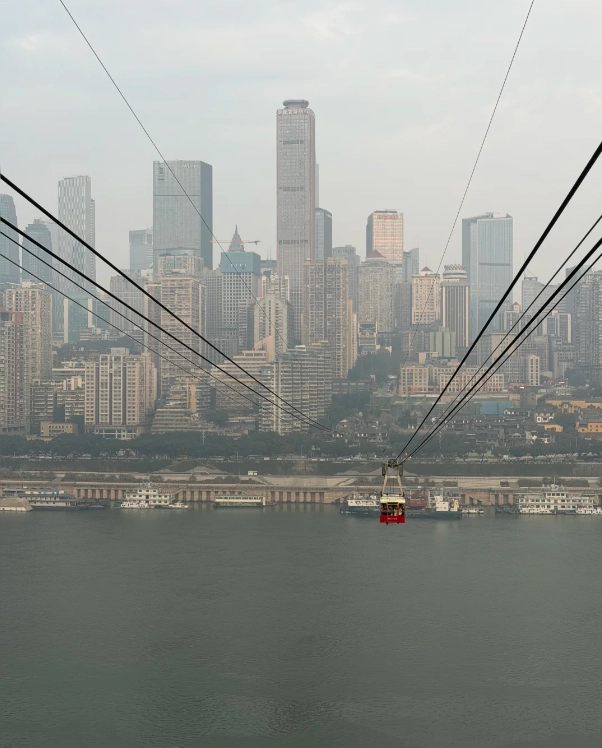
Immerse in Food Culture (Beyond Just Eating)
Chongqing hot pot isn't a meal; it's a ritual, a test of endurance, and a social glue. But the food scene is deeper than one dish.
Hot Pot: How to Survive and Thrive
First, choose your broth. The classic "Nine Palace Grid" (Jiugongge) is for purists—it's all spicy oil. For beginners, the "Yuan Yang" (Mandarin Duck) pot is essential: one side searing red chili oil, the other a mild bone or mushroom broth for respite.
My go-to order: Sliced beef belly (feichang), goose intestine (e chang) for the crispy texture, handmade meatballs, and sweet potato noodles (fentiao) to finish. Vegetables like lettuce and potato slices go in the mild broth unless you're a masochist.
A Local-Approved Spot: Zhao Er Hot Pot (Chongqing Qixinggang Store). Address: 1st Floor, No. 50 Guihua Village, Qixinggang, Yuzhong District. It's not the fanciest, but it's authentic, consistently good, and always packed with locals. The Google Maps rating floats around 4.2. Expect to pay 80-120 RMB per person. They have an English picture menu. Pro tip: The spice level is no joke. Start with "wei la" (slightly spicy) even if you think you can handle heat.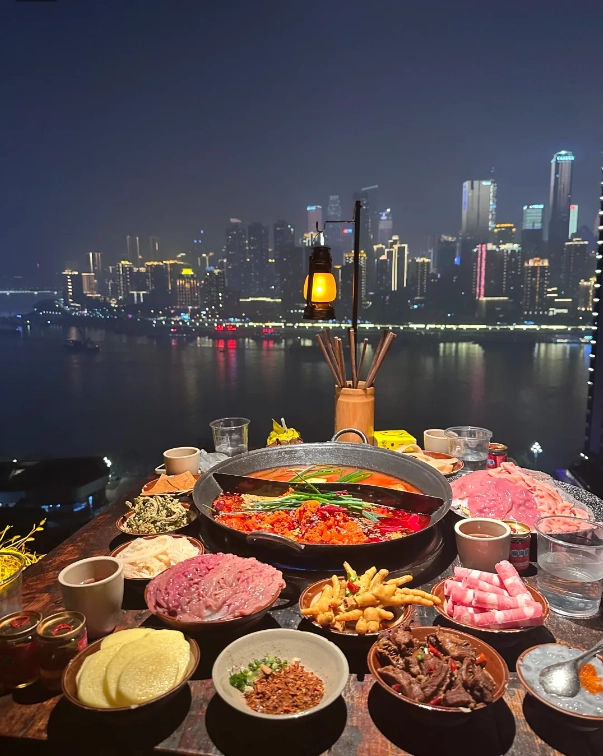
Navigating a Hot Pot Restaurant
1. You'll be given an apron. Use it. Seriously.
2. Your dipping sauce is key. The base is sesame oil (you get a whole bottle). Add garlic, cilantro, and a bit of vinegar. It cools the food and aids digestion.
3. Nothing goes straight from the pot to your mouth. Dip it in your sauce bowl first to cool it.
4. Have plenty of cold, sweet drinks on hand. Soybean milk or bottled tea are the traditional fire extinguishers.
Breakfast Like a Local: The Noodle Hunt
Forget hotel breakfast. The real morning action is at a "Xiaomian" (little noodle) shop. These are hole-in-the-wall joints, often with just a few stools. The dish is Chongqing Xiao Mian: wheat noodles in a fiery, numbing, aromatic broth. It's cheap (8-15 RMB), fast, and energizing.
I often take clients to a cluster of good ones near Liziba Station. Just wander the side streets (like Minzu Road) around 8 AM and follow the locals holding bowls while squatting on tiny stools. It's an experience. Point to what others are having, or just say "Xiao Mian."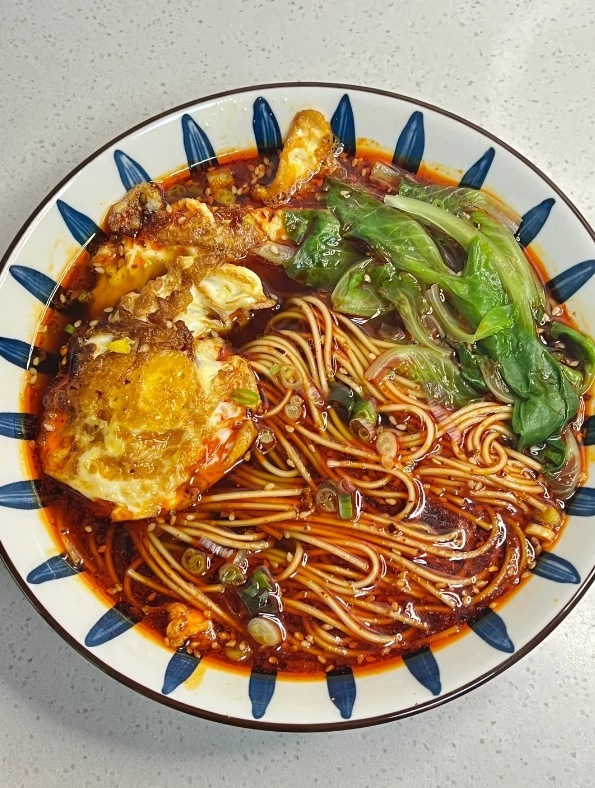
Witness the Convergence of Rivers
The meeting of the brown Yangtze and the green Jialing River at Chaotianmen is the city's geographical heart. The best way to appreciate it is from the water.
Yangtze River Night Cruise
This is worth it, but you must choose wisely. Avoid the cheapest, shortest options. Go for a mid-range cruise (like the "Jinlong" or "Manhattan" series) that lasts about 45-60 minutes. They depart from Chaotianmen Pier. Tickets range from 138 to 188 RMB. You can book at the pier or through your hotel. The cruise sails past Hongya Cave, the Grand Theatre (shaped like a spaceship), and under the glowing bridges, offering a completely different, and less exhausting, perspective of the city's skyline. It's breezy, the lights are spectacular, and it's a great way to end a day of walking uphill.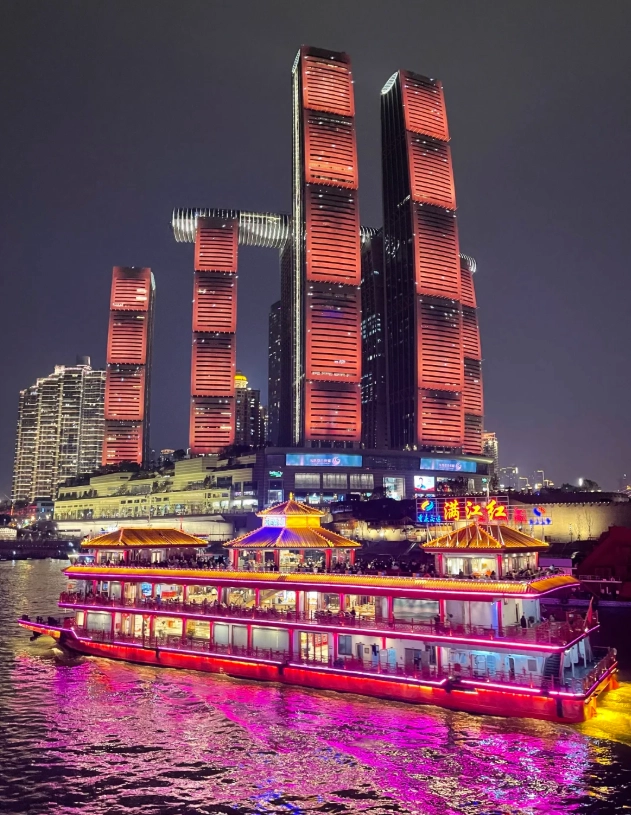
Delve into Recent History & Wartime Legacy
Chongqing was China's capital during the Second Sino-Japanese War (World War II), and its history is etched into the rock.
Hongyan Revolutionary Memorial & The WWII Museum
Address: 52 Hongyan Village, Yuzhong District. Metro: Line 1, Shapingba Station, then a short taxi ride.
Hours: 9:00 AM - 5:00 PM (last entry 4:30 PM), closed Mondays. Admission: Free with ID (passport).
This is a sprawling, park-like complex that was the base for the Communist Party's Southern Bureau. It's more than just political history; it's a testament to survival. The most fascinating part for visitors is the network of air-raid shelters and underground offices carved into the hillside. Walking through these damp, narrow tunnels, you get a visceral sense of the city's resilience. The attached museum has excellent bilingual exhibits. It's sobering, shaded, and a meaningful break from the modern city's frenzy.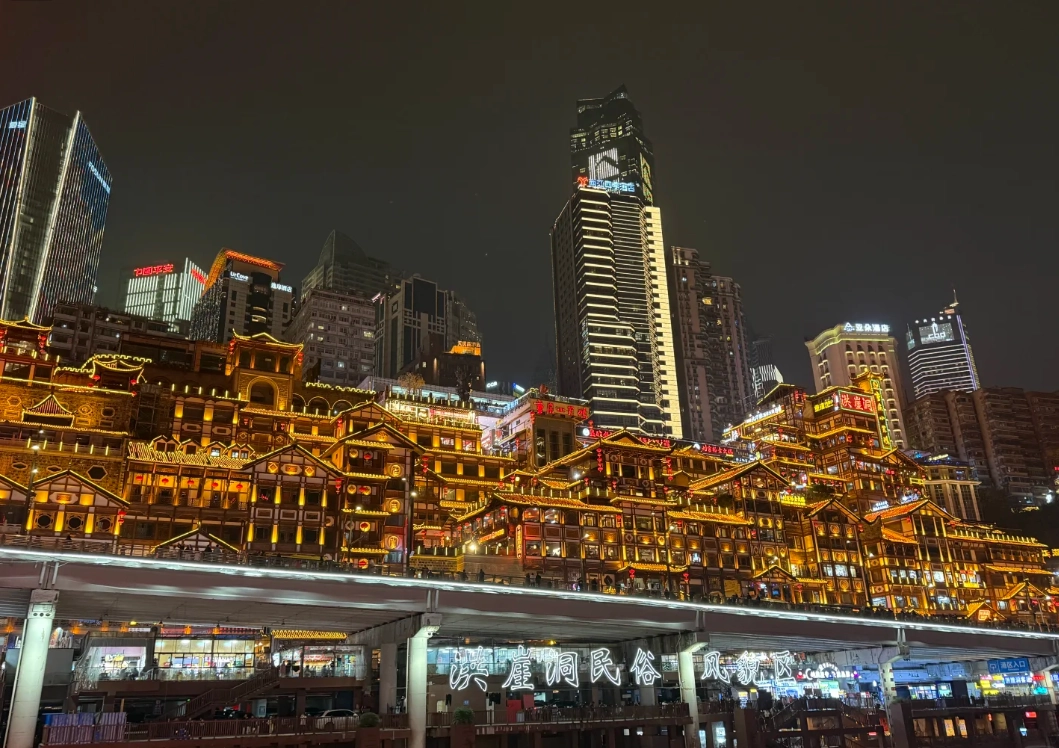
Escape the City Hustle
Need a green respite? The city has pockets of peace.
Eling Park: The City's Green Balcony
Address: 176 Eling Zheng Street, Yuzhong District. Metro: Line 2, Eling Station, Exit 2. Follow the signs uphill for 10 minutes.
Hours: 6:00 AM - 10:00 PM. Admission: Free.
This is my favorite spot to give clients a breather. It's a classic Chinese garden perched on a hilltop. The real draw is the Jiangshan Yilan Platform (Viewing Pavilion). From here, you have a stunning, elevated, and less crowded view of the peninsula where the two rivers meet. It's especially beautiful at dusk. You'll see elderly locals practicing tai chi, couples strolling, and a sense of calm completely absent from the streets below. Bring a bottle of water and just sit for a while.
If You Only Have 24 Hours
I once had a client with a long layover. Here's the intense but doable plan I crafted for them:
| Time | Activity | Key Details & Transport |
|---|---|---|
| 9:00 AM | Breakfast Noodles | Find a Xiaomian shop near your hotel or Liziba Station. |
| 10:00 AM | Hongyan Memorial | Taxi to the site. Explore for 1.5 hours. |
| 12:30 PM | Lunch & Liziba | Taxi back. Quick local lunch, then see the train-through-building from the viewing platform. |
| 2:30 PM | Cable Car | Metro to Xiaoshizi, walk to Xinhua Road Station. Take the cable car over the Yangtze. |
| 3:30 PM | Nanbin Road | From the south bank cable car station, take a short taxi to Nanbin Road riverside park. Relax with a view of the north bank skyline. |
| 6:00 PM | Hongya Cave Sunset | Taxi back across the river to the TOP entrance of Hongya Cave. Explore briefly, then walk onto Qiansimen Bridge for the iconic night view. |
| 8:00 PM | Hot Pot Feast | Taxi to Zhao Er or a nearby hot pot restaurant for the essential Chongqing culinary baptism. |
It's a marathon, but it hits the major sensory and historical highlights.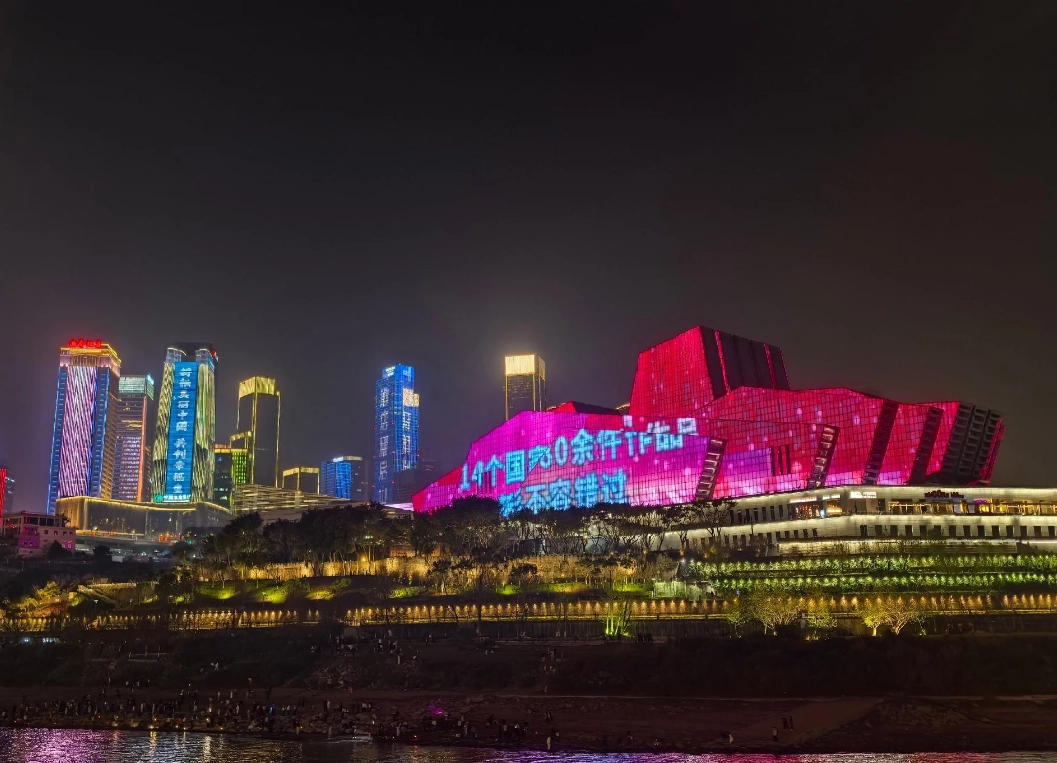
FAQ: Your Chongqing Questions Answered
Is Chongqing just a 2-day city before a Yangtze cruise?
That's the biggest misconception. Most tourists treat it as a quick stop, but they miss the depth. The core attractions can be seen in two days, but to feel the city's rhythm—to wander the old Shibati steps, find a hidden tea house, or explore the independent cafes in the hills—you need three to four days. The city reveals its personality slowly, once you get past the initial vertical shock.
How walkable is Chongqing really?
It's a trick question. On a micro level, it's extremely walkable—within a neighborhood like Jiefangbei, you'll walk everywhere. But between districts, walking is often impossible due to cliffs and rivers. You must use the metro, taxis, or rideshare apps (Didi works like Uber). Google Maps' walking times are notoriously inaccurate here because it doesn't account for vertical climbs. A 500-meter distance on the map could involve 20 flights of stairs. Trust the metro map over any walking route that looks too direct.
I can't handle extreme spice. Will I starve in Chongqing?
Not at all. While the famous dishes are spicy, you have options. Always request "wei la" or "bu la" (not spicy). Many restaurants can accommodate. Beyond hot pot, look for "Shao Kao" (barbecue skewers) where you choose each item individually, steamed buns (baozi), or clay pot rice dishes. The chain restaurant "Xibei" offers fantastic northwestern Chinese cuisine that is not spicy. You won't go hungry.
What's the one mistake every first-time visitor makes?
Wearing the wrong shoes. I see it every single day. Visitors in flip-flops, sandals, or even stylish flat sneakers with no support. Chongqing is an ankle-twisting, calf-burning urban hike. You need proper, comfortable, supportive walking shoes or hiking sneakers. Your feet will thank you by 3 PM. The second mistake is trying to do too much in one day. The geography means travel takes longer than you think. Pick two major things per day, with a relaxed meal in between.
Is it suitable for families with young kids?
Yes, but with planning. The hills and stairs are tough with strollers—a baby carrier is mandatory for infants. Kids love the Liziba monorail ride, the cable car, and the boats. The hot pot can be managed with a pot (mild side). The main challenge is pace. Build in more breaks, use taxis liberally, and maybe choose a hotel with a pool for them to unwind. The Chongqing Zoo to see the pandas is also a great, flat, kid-friendly option that many adult-focused guides skip.
Chongqing doesn't just show you things; it makes you work for the views, tests your palate, and throws your sense of direction out the window. That's the point. Embrace the disorientation, wear good shoes, and let the city's layered, fiery, and resilient spirit surprise you. It's not always easy, but it's never, ever boring.
This article is based on my personal, on-the-ground experience guiding tours in Chongqing. Details like prices and operating hours are checked for accuracy, but as with any travel, it's wise to verify close to your visit.






No comments yet.