 Hui Lin
Your Quick Navigation
- How the 144-Hour Transit Visa Works
- Eligible Cities and Entry Points
- Planning Your 144-Hour Itinerary: A Beijing Case Study
- Where to Eat: My Personal Picks
- Where to Stay: Accommodation for Every Budget
- Getting Around: Public Transport Made Easy
- Common Pitfalls and How to Avoid Them
- Frequently Asked Questions (FAQ)
I've lost count of how many times I've met travelers at Beijing Capital Airport, looking confused but excited about their 144-hour layover. They've heard about the visa-free transit, but have no idea how to turn those six days into an unforgettable Chinese adventure. Let me, as a tour guide with over ten years of experience, walk you through it. This isn't just about saving money on a visa; it's about squeezing every drop of culture, history, and flavor out of your short stay.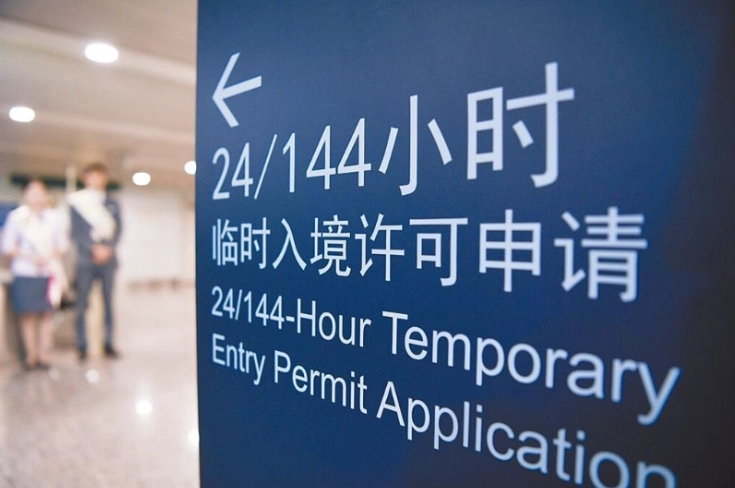
How the 144-Hour Transit Visa Works
First things first: the 144-hour transit without visa (TWOV) policy allows citizens from 53 countries—including the US, UK, Canada, Australia, and most EU nations—to enter China without a visa if they're transiting to a third country or region. You must have a confirmed onward ticket departing within 144 hours (that's exactly six days), and you can only stay within the designated municipal region of your entry city. No, you can't hop on a train to Shanghai if you entered in Beijing—that's a common mistake I've seen folks make.
Pro tip from the field: Always double-check your eligibility on the official China National Immigration Administration website before you fly. I once had a client from New Zealand who assumed he was eligible, but his passport type wasn't on the list—he ended up with a stressful airport scramble.
Eligible Cities and Entry Points
Not all airports offer this. The main hubs are Beijing, Shanghai, Guangzhou, Chengdu, Xi'an, and a few others. For this guide, I'll focus on Beijing because it's where I've guided most transit tours, and it packs a punch for first-timers. Here's a quick table to break it down:
| City | Eligible Airports | Permitted Stay Area | Key Attractions Covered |
|---|---|---|---|
| Beijing | Beijing Capital International Airport (PEK), Beijing Daxing International Airport (PKX) | Beijing Municipality (includes city districts and nearby counties like Yanqing for the Great Wall) | Forbidden City, Great Wall, Temple of Heaven |
| Shanghai | Shanghai Pudong International Airport (PVG), Shanghai Hongqiao International Airport (SHA) | Shanghai Municipality, plus Jiangsu and Zhejiang provinces (a wider range) | The Bund, Yu Garden, Zhujiajiao Water Town |
| Guangzhou | Guangzhou Baiyun International Airport (CAN) | Guangdong Province | Canton Tower, Chen Clan Ancestral Hall |
For the latest list, refer to the official China National Immigration Administration website. Trust me, things can change—like when Chengdu was added a couple of years back.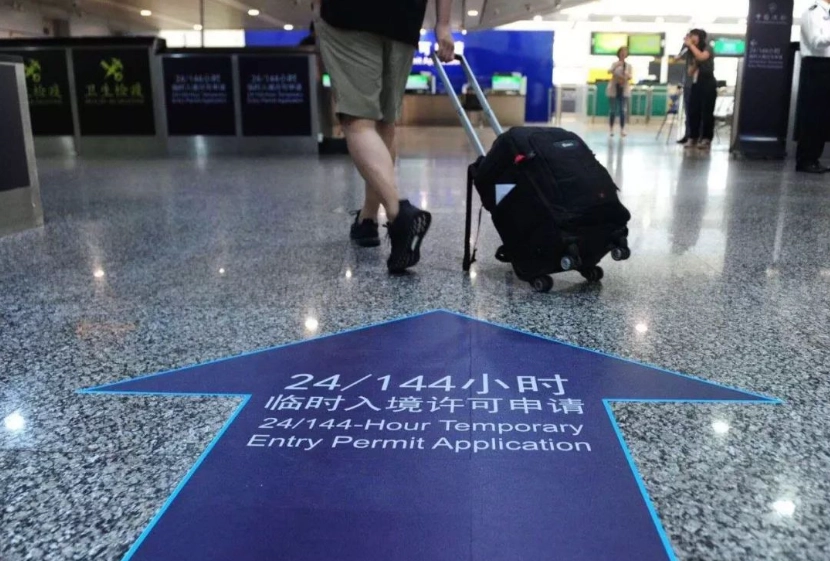
Planning Your 144-Hour Itinerary: A Beijing Case Study
Let's get practical. Imagine you land at Beijing Capital Airport at 2 PM on Day 1, and your flight out is at 10 AM on Day 6. You have roughly 144 hours. Here's how I'd structure it for a balanced mix of must-sees and local gems.
Day 1: Arrival and Acclimation
After clearing immigration (which can take 30-90 minutes—be patient), head to your hotel. I recommend staying near a subway line: Dongzhimen or Guomao stations are hubs. For dinner, skip the hotel buffet and walk to Ghost Street (Guijie) at 235 Dongzhimen Nei Street. It's a 24-hour food street; my go-to is Huajia Yiyuan for spicy crayfish. A meal costs around ¥80-150 per person. Then, crash early—jet lag is real.
Day 2: Imperial Heart of Beijing
Start at Tiananmen Square (free, open 24/7, subway Line 1 to Tiananmen East Exit B). Get there by 7 AM to avoid crowds and see the flag-raising. Then, walk north to the Forbidden City (Palace Museum). Address: 4 Jingshan Front St, Dongcheng District. Tickets: ¥60 for adults, ¥30 for children; buy online in advance via their official site—the on-site queues are brutal. Open 8:30 AM to 5 PM (4:30 PM last entry). Spend 3-4 hours exploring. Exit through the north gate, climb Jingshan Park (¥2) for a panoramic view. Lunch nearby: try Li Qun Roast Duck Restaurant at 11 Beixiangfeng Hutong—their duck is juicier than the touristy spots, about ¥120 per person.
Day 3: Cultural Deep Dive
Morning: Temple of Heaven (Tiantan Park). Address: 1 Tiantan E Rd, Dongcheng. Tickets: ¥15 for park, ¥35 for combo ticket including hall access. Open 6 AM to 8 PM. Take subway Line 5 to Tiantandongmen Exit A. Watch locals practicing tai chi in the morning—join in if you're brave! Afternoon: Summer Palace. Address: 19 Xinjian Gongmen Rd, Haidian. Tickets: ¥30 (park only), ¥60 for all attractions. Open 6:30 AM to 6 PM (winter) or 8 PM (summer). Subway Line 4 to Beigongmen Exit D. Rent a boat on Kunming Lake (¥80 for 30 minutes) for a break. Evening: Explore Houhai Lake—bar street is touristy, but the hutongs behind are charming. Dinner at Deyuan Roast Duck at 57 Qianmen St, a local favorite with Google Maps rating 4.3, around ¥100 per person.
Day 4: Modern Beijing and Local Life
Visit the 798 Art District in Chaoyang—former factories turned galleries. Free entry, open 10 AM to 6 PM. Subway Line 14 to Jiangtai Exit A, then bus 403. Lunch at At Cafe (4 Jiuxianqiao Rd) for Western fusion, ¥70-120. Afternoon: Sanlitun for shopping and people-watching. For a hidden gem, walk to Worker's Stadium North Road for boutique stores. Dinner: Jing-A Brewery at 1949 The Hidden City for craft beer and burgers, ¥150 per head.
Day 5: Day Trip to the Great Wall
Most tourists go to Badaling—it's crowded. I prefer Mutianyu for better views and fewer people. Address: Mutianyu Town, Huairou District. Tickets: ¥45 adults, ¥25 children. Open 7:30 AM to 5:30 PM. How to get there: Book a private car (¥500-600 round trip for 4 people) or take public bus 916 Express from Dongzhimen to Huairou, then transfer to a local minibus. Leave by 7 AM to beat the tour buses. Hike Section 10 to 14, take the cable car down (¥100 one-way). Pack snacks; onsite food is overpriced. Back in Beijing by 4 PM, relax with a foot massage at Liangzi Foot Reflexology near your hotel (¥80 for 60 minutes).
Day 6: Last-Minute Souvenirs and Departure
Morning: Hit Panjiayuan Antique Market (open 8 AM to 6 PM, weekends best) for souvenirs—bargain hard! Then, to the airport via Airport Express Line from Dongzhimen (¥25, 20 minutes). Arrive 3 hours before your flight for security.
Where to Eat: My Personal Picks
Beijing's food scene is more than just duck. Here are spots I return to with clients:
- Da Dong Roast Duck (1-2 Nanxincang, Dongsishitiao): Upscale but worth it. Their duck skin is crispy like candy. ¥200-300 per person. Open 11 AM to 10 PM. Book ahead—I've seen wait times of an hour.
- Bao Yuan Dumpling House (6 Maizidian St, Chaoyang): Hidden in a hutong, serves colorful dumplings with unique fillings like pumpkin and shrimp. ¥50-80. Open 10:30 AM to 9 PM. Cash only—old-school charm.
- Haidilao Hot Pot (various locations): Not just for the food, but for the service—they'll even give you a manicure while you wait. ¥120-200. Spicy broth is my go-to.
For street food, try Wangfujing Snack Street—but avoid the scorpion skewers unless you're filming for Instagram. The jianbing (savory crepes) at the first stall are actually good, ¥10 each.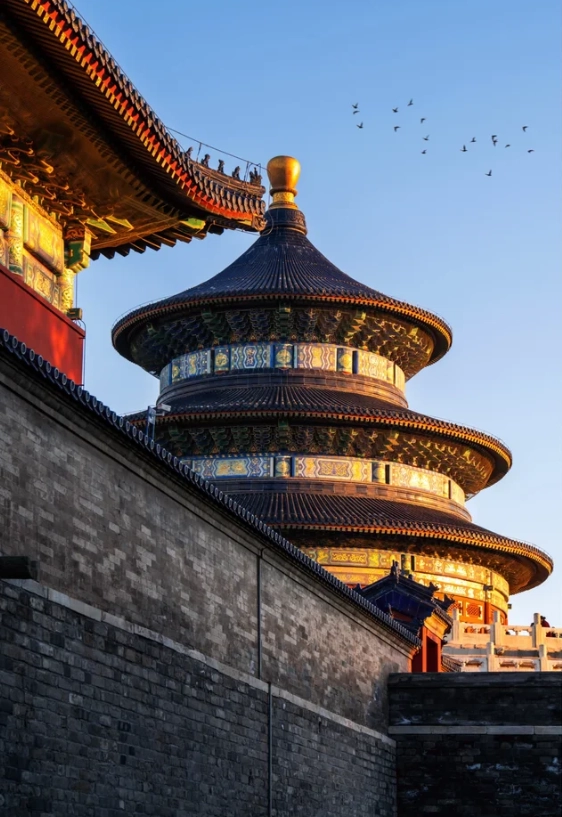
Where to Stay: Accommodation for Every Budget
Your hotel base matters. Based on my clients' feedback:
| Type | Recommendation | Address | Price Range (per night) | Best For |
|---|---|---|---|---|
| Budget | Peking International Youth Hostel | 113-2 Nanluoguxiang, Dongcheng | ¥150-250 | Solo backpackers, social travelers |
| Mid-range | Novotel Beijing Peace | 3 Jinyu Hutong, Wangfujing | ¥600-900 | Families, couples (great location) |
| Luxury | The Peninsula Beijing | 8 Jinyu Hutong, Wangfujing | ¥2000-3000 | Special occasions, comfort seekers |
Book directly for better deals, especially in off-peak seasons (November to March). I've noticed prices spike during Golden Week in October—avoid if you can.
Getting Around: Public Transport Made Easy
Beijing's subway is your best friend. Buy a Yikatong card at any station (¥20 deposit, top up as needed). It works on buses too. Key lines:
- Line 1: East-west, hits Tiananmen, Wangfujing.
- Line 2: Loop line, connects to major stations.
- Line 10: Circle line, useful for Sanlitun.
For taxis, use DiDi app (English version available). From airport to city center, expect ¥100-150. A pro tip: after 11 PM, subway closes, so plan accordingly—I once had a client stranded because they didn't check the last train time.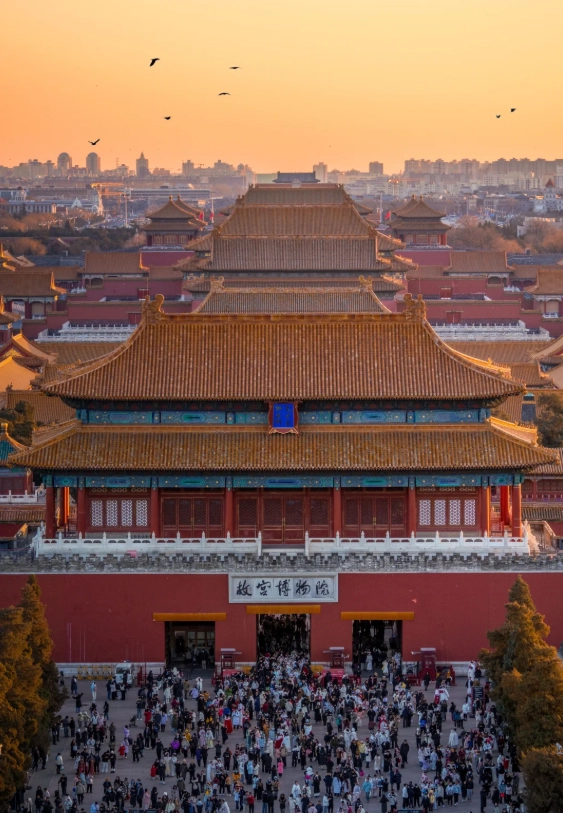
Common Pitfalls and How to Avoid Them
After years of guiding, here are mistakes I see repeatedly:
- Overpacking the itinerary: Don't try to see everything. Pick 2-3 highlights per day max. Fatigue ruins the fun.
- Ignoring weather: Beijing summers are scorching, winters freezing. Check forecasts and dress in layers. I always carry an umbrella for sudden rain.
- Not carrying cash: While Alipay/WeChat Pay are common, small vendors and some taxis only take cash. Keep ¥500 handy.
- Missing the onward ticket check: At immigration, have your printed flight ticket ready. A screenshot on your phone might not suffice—I've seen officers reject it.
My biggest advice: Embrace spontaneity. On a layover last year, I stumbled upon a calligraphy workshop in a hutong—it turned into a client's favorite memory. Leave room for detours.
Frequently Asked Questions (FAQ)
 Is it safe to travel alone during a 144-hour transit in Beijing?
This guide is based on my firsthand experiences guiding hundreds of transit travelers. I've fact-checked details with local authorities and updated for recent changes. Whether you're a history buff or a foodie, those 144 hours can be transformative—just plan smart, stay flexible, and enjoy the ride. Safe travels!





No comments yet.