 Hong Ma
Let's cut to the chase. You're thinking about hiking Mount Hua, probably because you've seen those heart-stopping photos of the Plank Walk. Your mind is a mix of excitement and “am I insane?” I felt exactly the same. After spending two days on those granite peaks, my calves screamed, my palms were sweaty from gripping chains, but the view from the summit as the sun broke through the clouds? Nothing has ever matched it. This isn't a generic list of facts. It's the guide I wish I had before I went—packed with the gritty details, honest warnings, and logistical hacks that make the difference between a brutal ordeal and the adventure of a lifetime.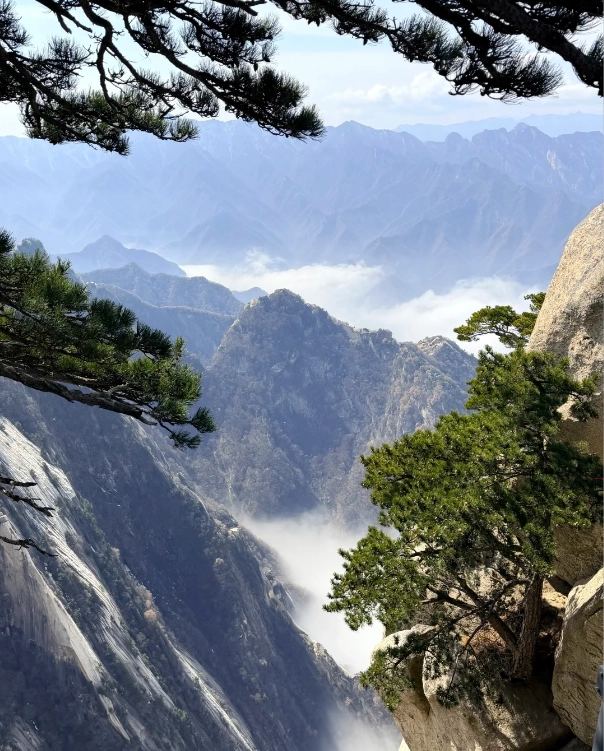
What You'll Find in This Guide
The Non-Negotiable Info You Need First
Before you dream of summits, get the basics locked down. Huashan isn't a park you just stroll into.
Mount Hua Scenic Area: The Vital Stats
Location: Huayin City, Weinan, Shaanxi Province, China. It's about 120 km east of Xi'an.
Ticket Price: Peak season (Mar-Nov) is 160 RMB. Off-season (Dec-Feb) is 100 RMB. This is just for park entry.
Opening Hours: The scenic area is officially open 24 hours, but cable cars and most transport have specific times. The West Peak Cableway, for instance, usually runs from 7:00 AM to 7:00 PM (last ascent). The North Peak Cableway has similar hours. Always double-check the day before on their official site or WeChat.
Official Source: For the most current info, I always check the Mount Hua official tourism website. It's not the slickest, but it has the official schedules.
How to Get There from Xi'an
This is the easiest part. The high-speed train is your best friend. From Xi'an North Railway Station, take a train to Huashan North Station. The ride takes 30-40 minutes and costs about 55 RMB. From Huashan North Station, you have two options:
- Tourist Bus: There's a dedicated green tourist bus (free with your high-speed train ticket, just show it) that takes you directly to the Visitor Center. It takes 15-20 minutes.
- Taxi: A taxi will cost around 20 RMB and is slightly faster if you're in a small group.
Avoid the long-distance buses from Xi'an. They're slower, less comfortable, and drop you off further away. The train is efficient and reliable.
Choosing Your Hiking Route: A Reality Check
Your experience depends 90% on the route you pick. Most blogs oversimplify this. I'm going to give it to you straight, based on the muscle aches I earned.
| Route Name | Description & Starting Point | Estimated Hiking Time (One Way) | Difficulty & Who It's For | The Real Talk |
|---|---|---|---|---|
| The Classic "Tourist" Loop | North Peak Cableway up, hike to all five peaks, West Peak Cableway down. | 5-7 hours (for the full loop) | Moderate. Good fitness required, but avoids the hardest ascent. | This is the most popular for a reason. You see all the peaks without destroying your knees on the infamous stairs from the base. It's still a serious hike. The section from North to West Peak is relentless up and down. |
| The Pilgrim's Challenge | Hike from the traditional base (Yuquan Yuan) up the thousands of steps to North Peak, then continue. | 4-6 hours just to North Peak. Add 3-4 more for the loop. | Very Strenuous. For serious hikers seeking the "full" experience. | I met a guy who did this. He looked broken. The famous "Thousand-Foot Precipice" and "Hundred-Foot Crevice" are on this path—near-vertical stone staircases carved into the cliff. It's historic, brutal, and crowded with people going both ways. Your legs will know. |
| The Scenic Shortcut | West Peak Cableway up (the most spectacular ride), hike to South & East Peaks, then descend via North Peak Cableway. | 4-6 hours | Moderate. Best for those short on time or who want maximum views with less strain. | My personal recommendation for first-timers. The West Peak Cableway is an attraction itself, soaring over massive ridges. You start at the highest peak (West) and mostly hike downhill or on ridges to the others. You still get the Plank Walk and the summit views without the grueling initial climb. |
| The Sunrise Mission | Hike up in the afternoon/evening, stay overnight on the mountain, catch sunrise at East Peak. | Varies by starting point | Moderate to Strenuous. For photographers and those wanting the iconic sunrise. | This is a fantastic experience, but book your accommodation well in advance. The morning crowd at the East Peak viewing platform is intense. Get there at least an hour before sunrise to secure a spot. |
My take? Unless you're a masochist for ancient stairs, skip the full hike from the base. The Scenic Shortcut delivers 95% of the awe for 50% of the pain. The cableways are engineering marvels and the views from them are part of the experience.
The Truth About the Plank Walk & Sparrow Hawk's Flip
This is why you're here. Let's demystify it.
Changong Zhandao (The Plank Walk)
Located near the South Peak. You pay an extra 30 RMB rental fee for a safety harness. They clip you onto a steel cable that runs the length of the path. Here's what nobody tells you clearly: It's a one-way, out-and-back trail on the same planks. This creates a hilarious and sometimes tense traffic jam. People coming back have to squeeze past people going out. There are occasional wider spots to let others pass.
The planks themselves are about 30 cm wide, bolted into the side of a completely vertical cliff. Below you is... nothing. Just air for hundreds of meters. You shuffle sideways, facing the rock, gripping the chain links bolted into it. The harness feels reassuring, but your mind is still screaming. The worst part for me wasn't the height—it was the awkward shuffling past strangers while trying not to look down.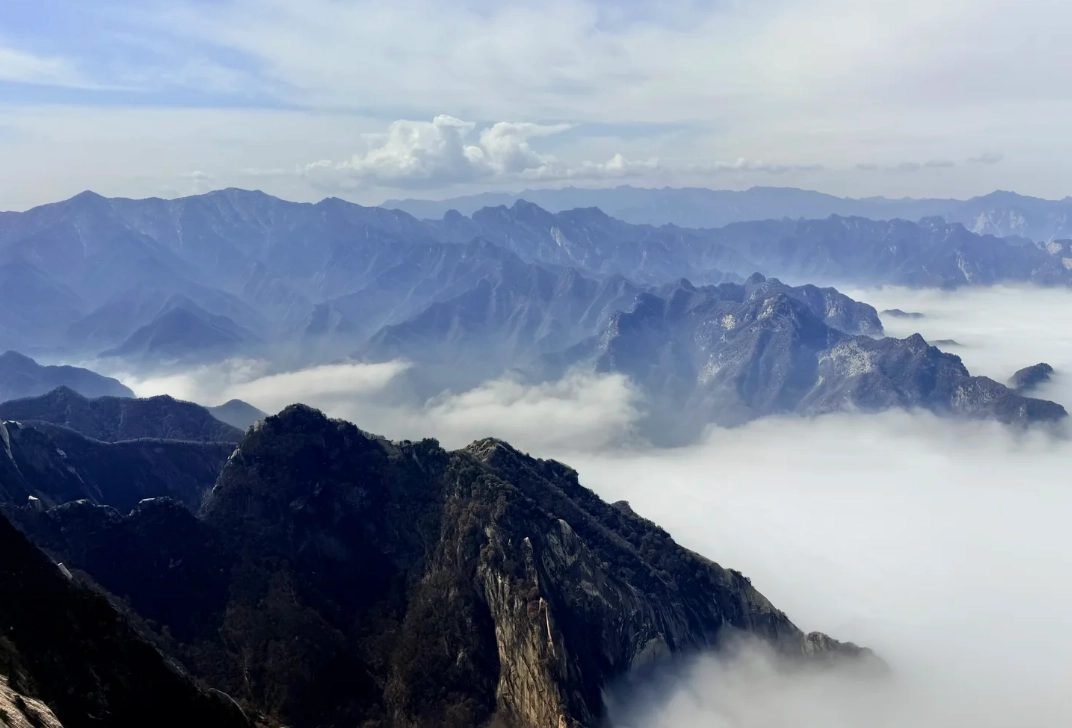
Yaozifan (Sparrow Hawk's Flip)
Near the East Peak. This one doesn't get as much press, but it's arguably more physically demanding. No extra fee, but it's also a harness-required section. Here, you're not on planks. You're descending a series of near-vertical stone steps and iron rungs down a fissure in the rock. You then traverse a short horizontal section before climbing back up another set of rungs. It requires more upper body strength and agility than the Plank Walk. It feels more like controlled rock climbing.
Planning Your Trip: Itineraries for Different Legs
The One-Day Power Blitz (From Xi'an)
- 6:30 AM: Take early high-speed train from Xi'an North to Huashan North.
- 7:30 AM: Tourist bus to Visitor Center, purchase tickets + West Peak Cableway ticket.
- 8:30 AM: Cable car to West Peak. Explore West Peak (Luoxia Rock).
- 10:00 AM: Hike to South Peak (highest), do the Plank Walk.
- 12:30 PM: Hike to East Peak, try Yaozifan if you're up for it.
- 2:30 PM: Hike to Middle Peak, then to North Peak.
- 4:30 PM: Take North Peak Cableway down, bus back to Visitor Center.
- 6:00 PM: High-speed train back to Xi'an.
This is a long, fast-paced day. It's doable, but you'll be exhausted. Skip one peak or one adventure if you want to breathe.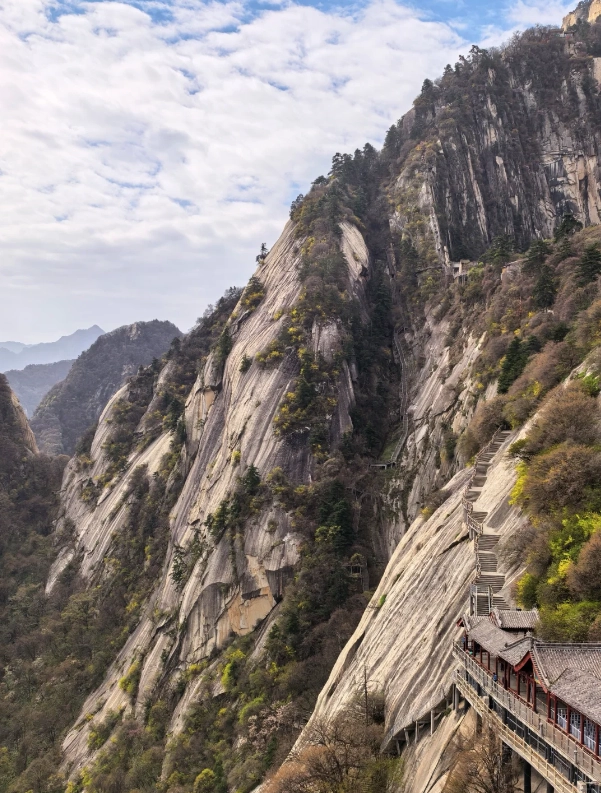
The Two-Day Sunrise Experience
- Day 1: Afternoon arrival from Xi'an. Take North Peak Cableway up. Hike to East Peak, check into a hostel (book ahead!). Catch sunset. Rest.
- Day 2: Sunrise at East Peak viewing platform. After breakfast, hike to South Peak for Plank Walk, then to West Peak. Take West Peak Cableway down. Return to Xi'an by late afternoon.
This is the premium experience, allowing you to see the mountain in different light and avoid the biggest daytime crowds on the peaks.
Where to Sleep and Eat on the Mountain
Manage your expectations. This is a mountain, not a resort.
Accommodation: There are several basic hostels/hotels near the East Peak (for sunrise) and North Peak. Rooms range from dormitory beds (80-150 RMB) to private rooms (400-800 RMB). They are Spartan: hard beds, shared toilets, no heating/AC (but thick quilts). The one I stayed at near East Peak had a welcome electric blanket. Book online at least a week in advance, especially on weekends. The official website sometimes lists options, but platforms like Ctrip are more reliable.
Food & Drink: Small shops and stalls are scattered along the main paths. Prices are high, as everything is carried up by porters. Think 20-30 RMB for a bottle of water, 50-80 RMB for a simple bowl of noodles or rice. Bring your own high-energy snacks (nuts, chocolate, energy bars) and at least 2 liters of water. The instant noodle you buy at a summit stall tastes better because you earned it.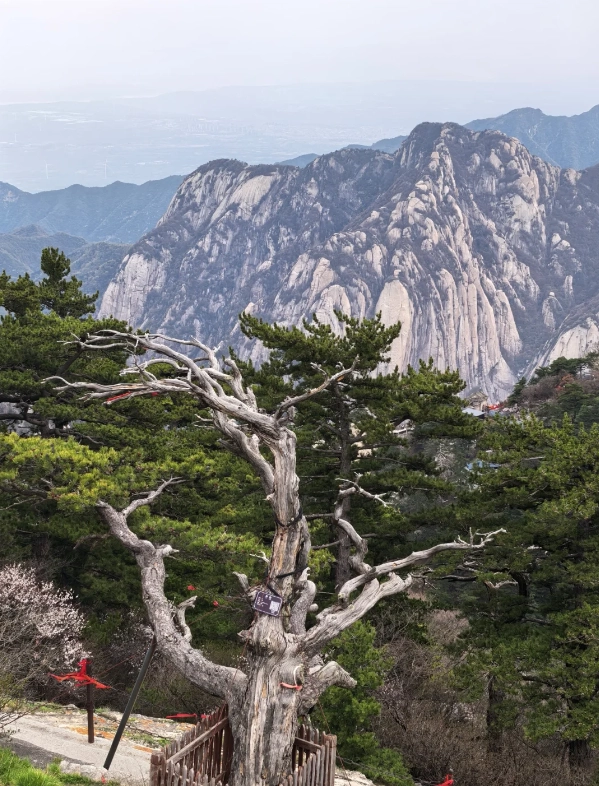
Your Burning Questions, Answered Honestly
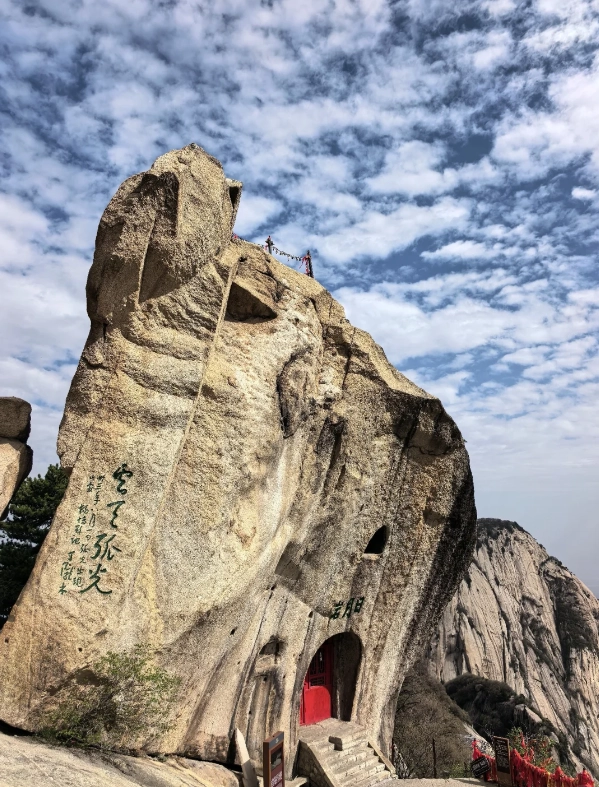
Standing on the narrow spine of rock between South and West Peak, with the wind pulling at my jacket and the world falling away on both sides, I understood why this place has been sacred for millennia. It's not just a hike; it's a physical negotiation with awe. Prepare well, respect the mountain, and it will reward you with a perspective you can't get anywhere else.
This article is based on my personal visit and cross-referenced with current official information from the Mount Hua scenic area administration.





Honestly a bit disappointed. I came expecting clear views, but it was foggy/misty the whole morning so I couldn't see much beyond 10 meters. The plank walk felt more like a tourist trap—long lines, rushed through it, and the staff were pretty grumpy. Plus the entry + cable car cost added up quickly. Maybe I just had bad luck with weather, but for the price I expected more.
Solid 4 stars. The hiking itself is amazing—steep, technical in places, and the views are phenomenal. But on a weekend it gets really crowded, especially around the plank walk queue (waited almost an hour). Also wish they had more water stations along the ridge; I ran out halfway. Still, well-organized and safe overall. Just go on a weekday if you can.
Woke up at 3am to catch the sunrise from East Peak—totally worth it. The golden light hitting the granite peaks was surreal. I rented a jacket at the base since I didn't pack warm enough, and it was only 30 yuan—great value. The whole day felt like a dream, from the ancient temples to the sheer drops. Planning to come back in autumn for the foliage.
Mount Hua exceeded every expectation. I chose the West Peak route and took the cable car up, then hiked the rest. The trail markers were clear and the handrails on the steeper sections gave me confidence. The plank walk itself was a highlight—scary but well-maintained, and the guides were patient with nervous climbers. A must-do for any serious hiker.
Absolutely incredible experience! The plank walk (Chang Kong Plank) is definitely not for the faint-hearted—harnessing up and stepping onto those narrow boards bolted into the cliff face gave me a pure adrenaline rush. The views of the surrounding peaks at sunrise were breathtaking. Felt very safe, the staff checked my harness twice. 10/10 would do again!
Good hike overall, but not the adrenaline rush I expected. I took the West Peak cable car up and walked down the North Peak route — smart choice because the downhill was easier on my knees. The Plank Walk was thrilling but very short (maybe 50 meters?). The safety briefing was in Chinese only, which made me nervous as a non-speaker. Still, the rocky scenery is unique and worth seeing. 4 stars.
Honestly a bit let down. I came for the Plank Walk, but it was closed due to high winds — no warning on the website. The rest of the hike was nice but felt overpriced: 180 yuan entrance, plus 60 for the shuttle, plus 140 for the cable car. And the food at the summit was awful and expensive. If you go, check the weather first and bring snacks. 3 stars from me.
Scariest but most rewarding hike of my life. Booked a guided tour and our guide was amazing — she pointed out the best photo spots and explained the history of each peak. The chains on the steep sections gave me good grip, but I saw a few people slipping on loose gravel. Wear proper boots! The Plank Walk feels like you’re flying. 5/5, no question.
Really loved the whole experience, though I’d give it 4 stars instead of 5 because of the crowds. By 10am the main paths were packed, especially around South Peak. The Plank Walk had a 45-minute wait, which was frustrating. Still, the scenery is stunning and the routes are well-marked. Bring plenty of water — the vendors on the way up charge a fortune for a bottle.
Absolutely incredible! The Plank Walk was the highlight of my trip — terrifying but so worth it for the views. Safety gear felt solid, and the staff made sure everyone was clipped in properly. We got there early (6am) and had the trail almost to ourselves. The sunrise from East Peak was unreal. Highly recommend this to anyone fit and not afraid of heights!