 Fang Wang
What's Inside
Sunlight hits the dragon pillars just after 6 AM. Pure gold. I've been bringing photographers here for years, and the secret is simple: arrive before the incense smoke turns into a haze. If you show up at 10 AM, you'll be fighting for space with selfie sticks. Longshan Temple photography spots aren't hard to find—but the timing? That's everything. Most visitors get it wrong. They come at noon, get harsh shadows, and leave disappointed. Let me save you that hassle.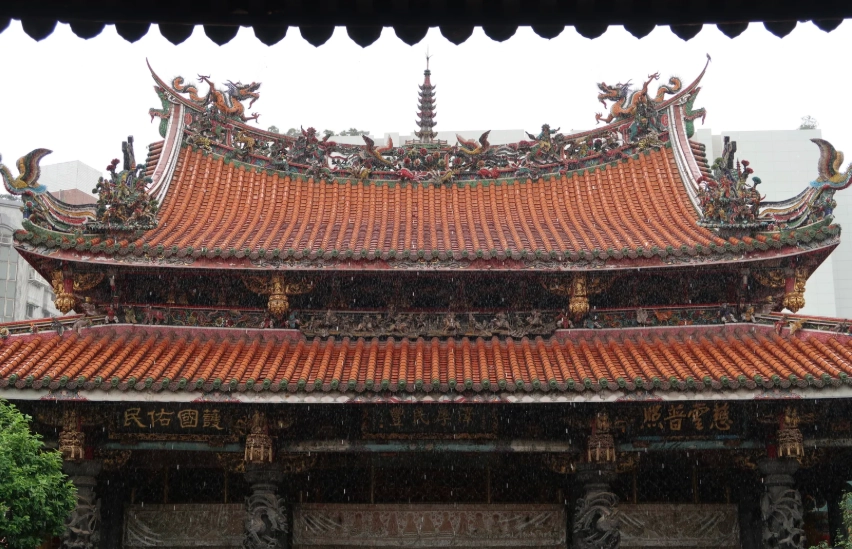
Why Longshan Temple is a Photographer's Dream
Built in 1738, this temple is a riot of color and detail. Red pillars, golden dragons, intricate woodcarvings, and clouds of incense smoke catching the light. The architecture mixes Fujianese and Cantonese styles, offering endless framing opportunities. And the best part? It's in the heart of Taipei—easy to reach, free to enter, and open from 6 AM to 10 PM.
But here's the catch: the temple is always busy. Worshippers come to pray, tourists to gawk. A clear shot without strangers is possible, but you have to be strategic.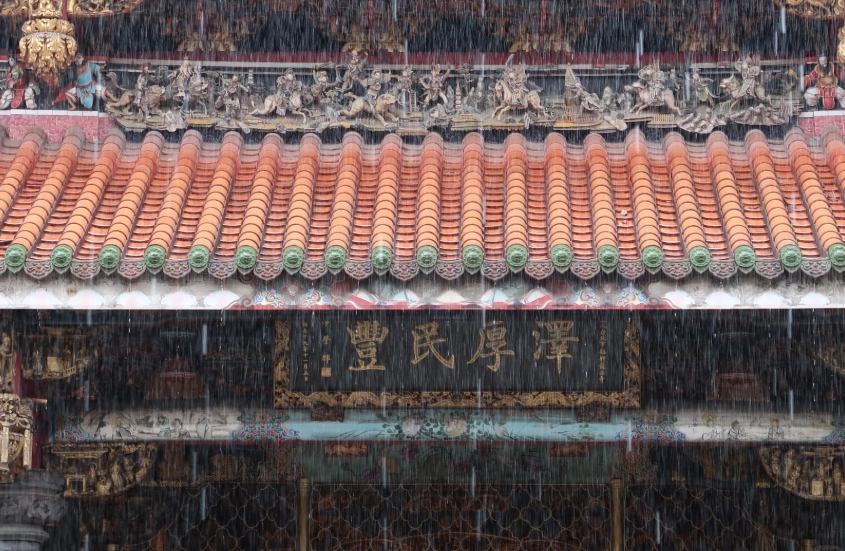
Best Time to Shoot at Longshan Temple
I always tell my groups: forget the afternoon rush, become a morning person. The golden hours are your friends. Check the table below for specifics.
| Time of Day | Light Quality | Crowd Level | Best For |
|---|---|---|---|
| 6:00 - 8:00 AM | Soft golden light, low angle | Very low (just early worshippers) | Empty courtyard shots, warm glow on roofs |
| 8:00 - 11:00 AM | Bright but still pleasant | Moderate (tour groups start arriving) | Details and close-ups with good contrast |
| 11:00 AM - 2:00 PM | Harsh overhead light, strong shadows | High | Not recommended—light flattens the architecture |
| 2:00 - 4:00 PM | Harsh but directional | High | Possible for backlit smoke effects, but crowds peak |
| 4:00 - 5:30 PM | Warm golden hour again | Moderate (people leaving) | Glowing pillars, long shadows, dramatic sky |
| After 5:30 PM | Twilight, then artificial lights | Low | Night photography with lit lanterns and red glow |
My top pick: arrive at 6:15 AM. The temple gates open, and you'll have the courtyard almost to yourself. By 7 AM the first buses of tourists roll in, but you'll already have your hero shot.
Top Photography Spots Inside the Temple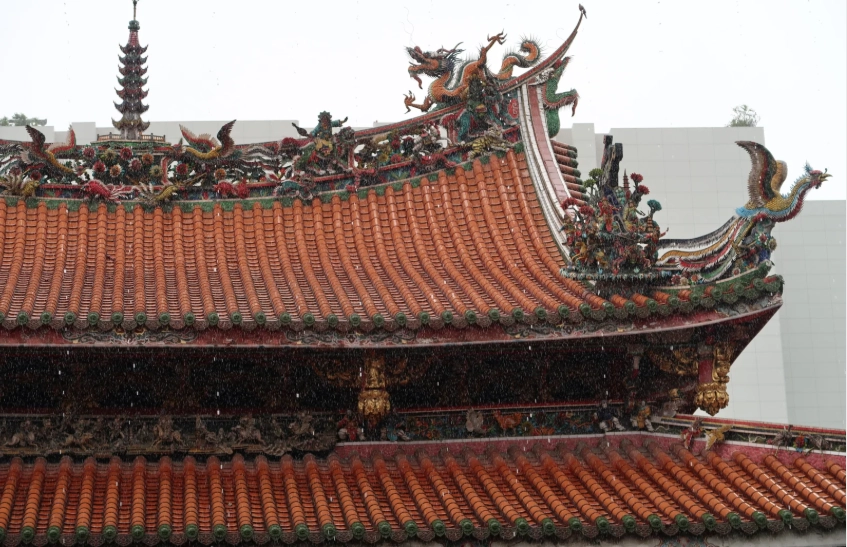
These are the locations I've tested over dozens of visits. Each gives a different vibe.
| Spot | Best Angle | Pro Tip |
|---|---|---|
| Main Hall (Front) | Low angle from the courtyard, centering the main door | Use a wide-angle lens (16-24mm) to capture the full height. Avoid shooting straight on during incense hours—too many people. |
| Dragon Pillars (Inner Courtyard) | Shoot from the side, focusing on one dragon's face | The pillars are best in early morning light. Use a polarizing filter to cut glare from the gold paint. |
| Roof Details (Look up) | Stand directly under the eaves, tilt up | Use a telephoto lens (70-200mm) to compress the layers of ceramic figurines. Catch the sunlight hitting the roof ridges. |
| Incense Burner (Central Courtyard) | Position yourself with the burner in foreground, main hall behind | Shoot during peak incense hours (9-11 AM) for dramatic smoke. Use a small aperture (f/11) for deep depth of field. |
| Side Corridors | Look for the red lanterns hanging in rows | These create leading lines. Wait for a worshipper to walk through the frame for scale. |
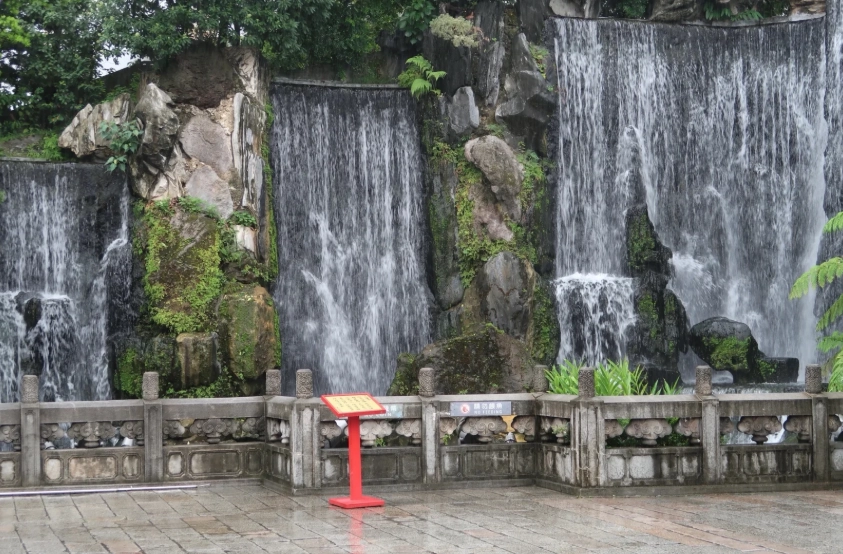
One spot many miss: the back garden. It's small but has a nice pond and rockery. Good for peaceful shots away from the main crowd.
How to Avoid Crowds for Clean Shots
You can't control the weather, but you can control your timing and positioning. Here's what works:
- Weekdays over weekends. Monday to Wednesday are quietest.
- Avoid major festivals. Especially Chinese New Year, Lantern Festival, and Guanyin's birthday—the temple is packed.
- Use the side entrance. The main gate is a bottleneck. Enter via the left side gate from Guangzhou Street.
- Shoot from elevated positions. The second-floor balcony of the main hall (open to public) gives you a bird's-eye view of the courtyard—few tourists go up there.
- Be patient and wait. A 30-second wait often clears a spot. I once waited two minutes for a worshipper to finish praying, and got a perfect empty frame.
Another trick: use a long exposure (0.5-1 second) with a tripod to blur moving people. But remember, tripods are not allowed inside the main hall—only in the courtyard. I always use a monopod for the indoor areas; it's portable and less intrusive.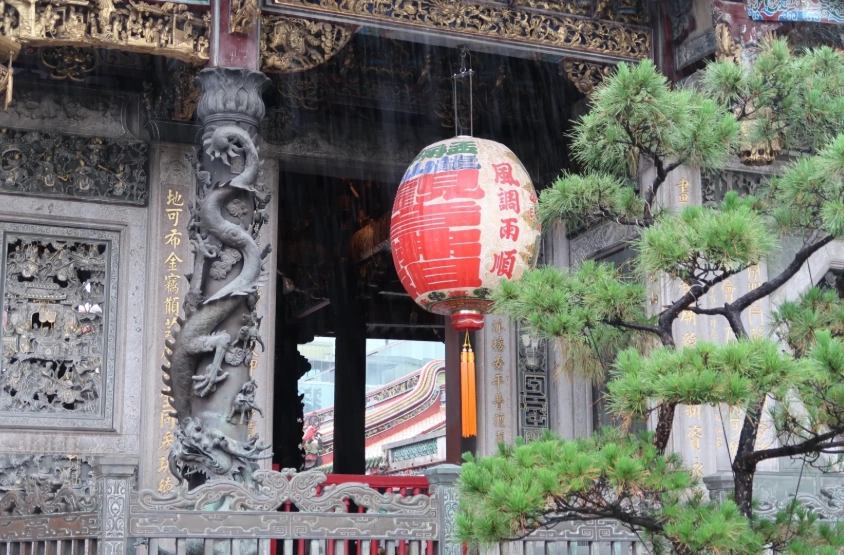
Essential Gear and Settings for Temple Photography
You don't need the fanciest gear, but some items help a lot.
- Lens: A wide-angle zoom (16-35mm) for interiors and architecture. A fast prime (50mm f/1.8) for low-light details.
- Polarizing filter: Reduces reflections on gold and red lacquer.
- Monopod (instead of tripod) for indoor stability without blocking pathways.
- Camera settings: ISO 800-1600 inside (the temple is darker than you think). Aperture f/8 to f/11 for sharpness across the frame. Shutter speed at least 1/60s for handheld.
- Flash is forbidden—it disturbs worshippers and ruins the ambiance. Use available light.
One more thing: dress modestly. No shorts above the knee, no bare shoulders. You might not be a believer, but respect the space—it's an active place of worship. I've seen security ask tourists to leave for wearing inappropriate clothing.
Common Mistakes and How to Fix Them
Mistake #1: Shooting at Noon
I see it all the time. Harsh light creates dark shadows under the eaves. Fix: come earlier or later, or focus on shaded details.
Mistake #2: Forgetting to Check the Background
You frame the perfect dragon head, but a trash can or a modern sign ruins it. Fix: scout the spot first, walk around to find clean backgrounds.
Mistake #3: Using Auto White Balance
The mix of warm temple lights and cool daylight throws off colors. Fix: set white balance to Daylight or Shade, or shoot RAW and adjust later.
Mistake #4: Ignoring the Incense Smoke
Too much smoke hides the architecture. Fix: position yourself upwind, or shoot during early morning when fewer incense sticks are burning.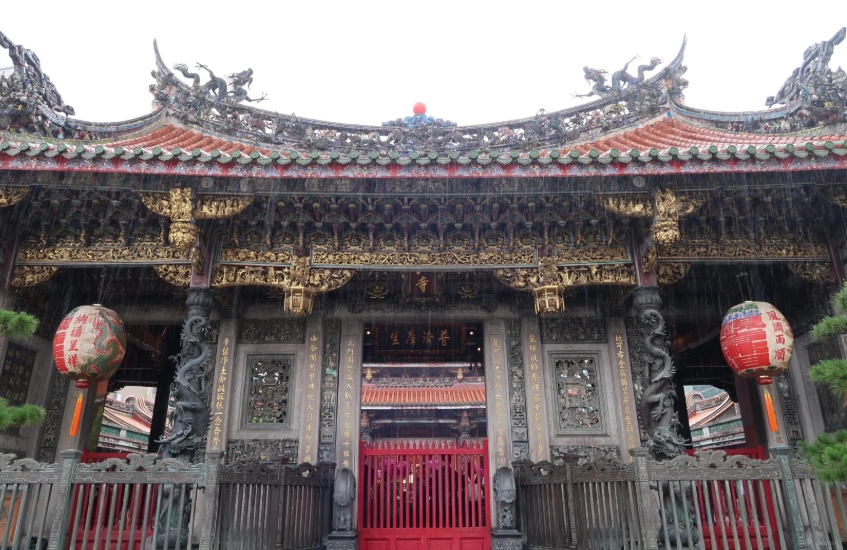
FAQ about Longshan Temple Photography
Verified and fact-checked by the editorial team. This content has been fact-checked to ensure informational precision.





No comments yet.