 Hua Sun
I’ve lost count how many tourists I’ve seen arrive at Xinghai Square at noon, squinting into the sun, then leave disappointed. That hurts me—literally. I’ve been guiding photo lovers here for years, and I’ll tell you straight: this square is like a chameleon. If you hit the wrong hour, it’s just a big concrete plaza. But nail the right spot at the right time? You’ll leave with images that make your friends jealous.
Let me save you the trial-and-error. I’ve walked every centimeter of this place, tested every railing, every reflection puddle. Here’s exactly what worked for my clients—and what didn’t.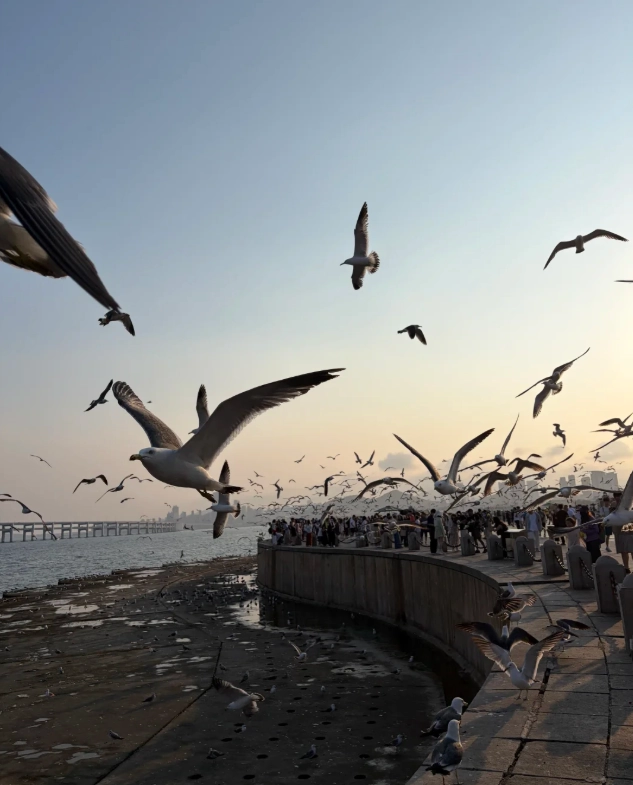
Why Location Matters
Xinghai Square is huge—the largest city square in Asia, in fact. But big doesn’t mean every corner is photogenic. Most guides just say “go to the square,” but I’ll show you exactly which meter of pavement yields the shot.
The square is oriented north-south, with the Dalian World Expo Center at the north end and the sea at the south. That means light direction matters enormously. East side catches the morning sun; west side gets golden hour glow in the evening. The center gets harsh overhead light midday—avoid it like a bad selfie.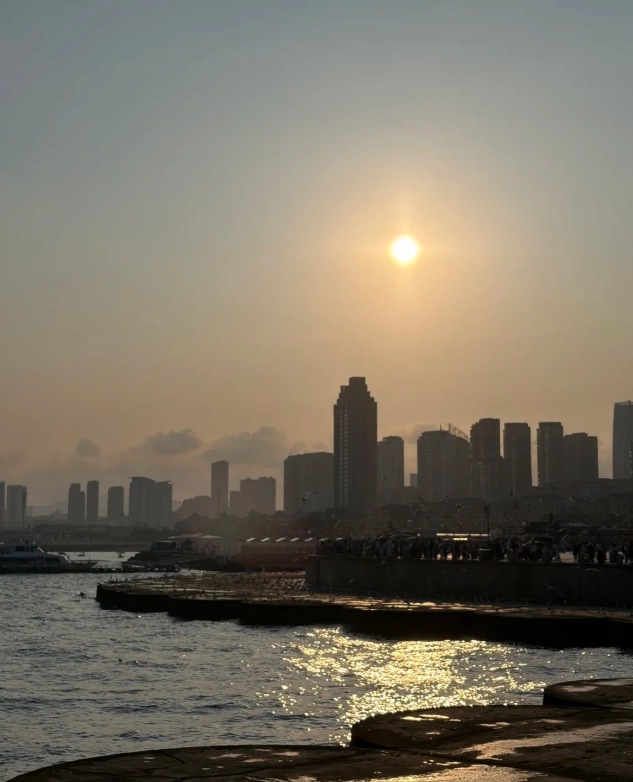
Best Times to Shoot
I once had a client insist on shooting at 2 pm because “that’s what the schedule allowed.” He left with squinty eyes and a flat sky. Don’t be that person. Here’s the breakdown:
| Time of Day | Light Quality | Best For | Crowd Level |
|---|---|---|---|
| Sunrise (5–6:30 am) | Soft, warm, golden | Reflections, silhouettes, minimal tourists | Very low |
| Morning (7–10 am) | Clear, side light | Architecture details, broad shots | Low to moderate |
| Midday (10 am–3 pm) | Harsh, overhead | Not recommended – unflattering shadows | High |
| Late afternoon (3–5 pm) | Warming, long shadows | Portraits, texture on the monuments | Moderate |
| Sunset/golden hour (5–6:30 pm) | Deep gold, dramatic | Sunset colors, city lights starting | High |
| Blue hour / night (7–9 pm) | Twilight + artificial lights | Light trails, reflections of illuminated buildings | Moderate to high |
Top 5 Camera Spots with Insider Tips
Spot 1: South Seawall Reflection Point
Location: Walk to the southernmost edge of the square, just above the steps leading down to the beach. Coordinates approx: 38.8749° N, 121.5883° E.
Why it works: The Century Monument (a huge white sailing-ship sculpture) sits centered in the plaza. From this low angle, the monument is framed against the sky with the sea in front. On a calm morning, the wet sand acts like a mirror. I’ve shot my best-selling prints here.
Positioning tip: Crouch low—knee level—to maximize reflection. Use a wide-angle lens (16–24mm full-frame equivalent). If you have a polarizer, screw it on to cut glare on the wet sand.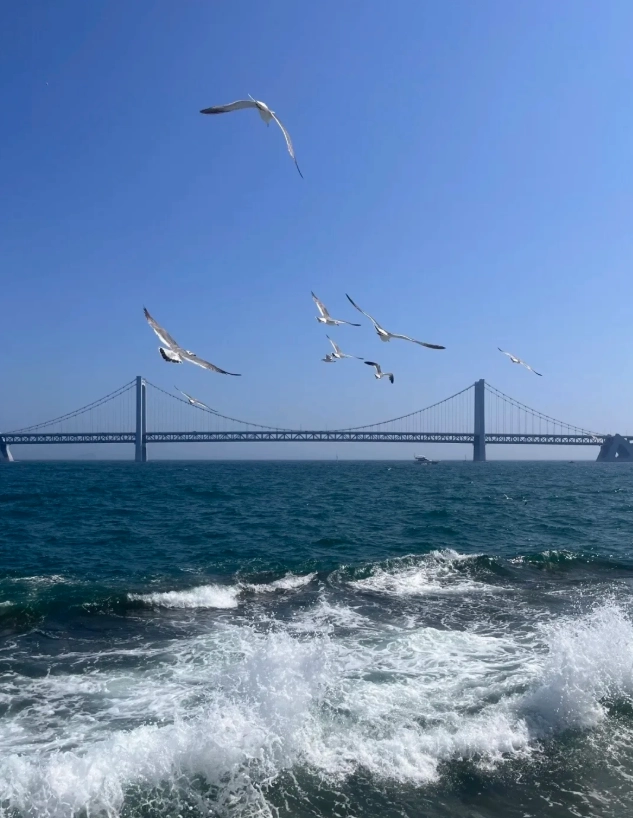
Spot 2: Elevated View from the Expo Center Steps
Location: North end of the square, climb the steps in front of the Dalian World Expo Center. Height gives you the full symmetrical view.
Why it works: This is the classic postcard shot – the entire square stretching south to the sea, with the monument in the middle and the coast in the distance. Best in the late afternoon when the low sun rakes across the paving stones, creating texture.
Tricky bit: The steps get crowded during events. I once had to wait 20 minutes for a clear frame. Tip: go on a Tuesday or Wednesday afternoon. Bring a telephoto (70–200mm) to compress the perspective – makes the monument look bigger.
Spot 3: Century Monument Detail
Location: Right at the base of the white sail monument, facing south.
Why it works: The monument is full of curves and lines. Shooting upward from the base creates a dramatic, vanishing-point composition. I love this for black-and-white conversions. The steel-white surface catches the sky’s color.
Time: Morning or early afternoon. Watch out for tourists climbing on the base – they’re unavoidable, but you can clone them out or wait 30 seconds. I usually ask politely; most locals are happy to move.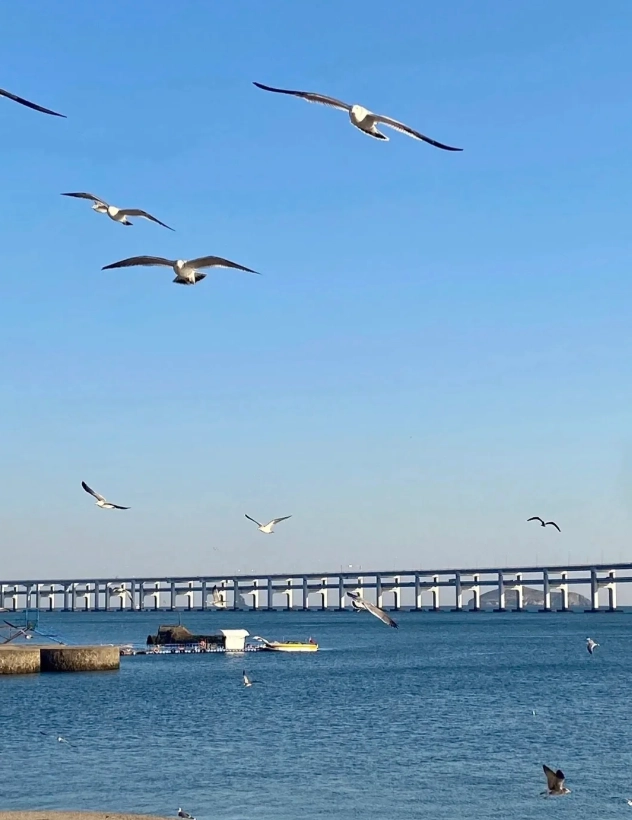
Spot 4: Night Lights Along the Walkway
Location: The east-west pedestrian walkway that cuts across the middle of the square, about halfway between the north end and the sea. Look for the rows of decorative lamp posts.
Why it works: After sunset, the lampposts glow warmly, and the buildings behind (especially the Expo Center and the Hyatt Regency) illuminate in blue and gold. The reflections on the wet pavement are killer. Bring a tripod – you’ll need exposures of 2–4 seconds at f/8, ISO 100.
Warning: Security may ask you to move if you set up a tripod in the very center during busy hours. I’ve found that setting up near the edges (close to the flower beds) avoids hassle. They’re usually fine with monopods.
Spot 5: Seaside Promenade Looking Back
Location: Walk down to the beach promenade (south of the square), turn around 180 degrees and shoot northward toward the square and the city skyline behind it.
Why it works: This gives you the human scale – people strolling, the curved seawall, and the massive square receding into the distance. Perfect for a travel story shot. I took a photo here of a couple silhouetted against the sunset city, and it became their favorite travel memory.
Best time: Blue hour – the contrast between the darkening sky and the lit-up square is magical. Use a medium aperture (f/5.6–f/8) to keep everything sharp.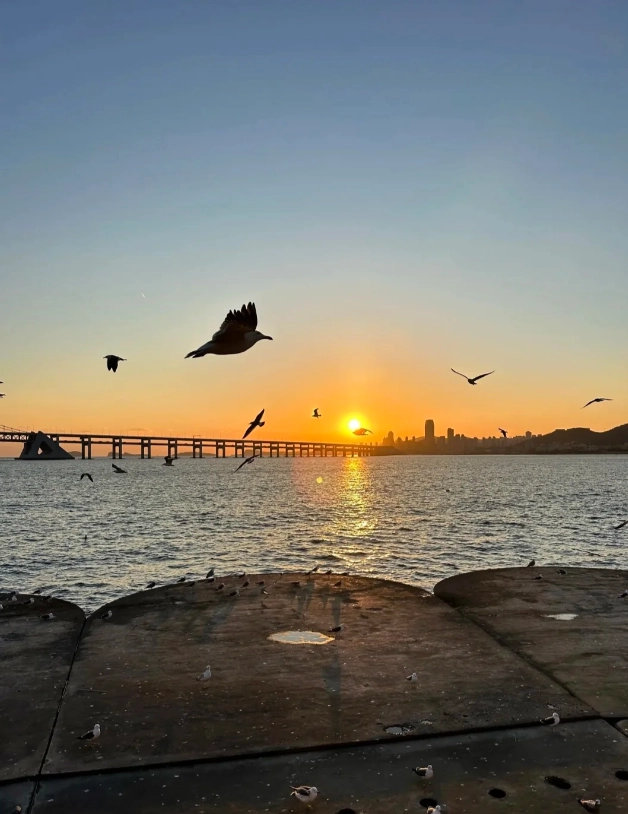
What to Bring (and Avoid)
I always tell my groups: less is more at Xinghai Square. You don’t need a backpack full of lenses. Here’s my personal kit:
- Essential: Wide-angle lens (16–35mm), tripod (small travel one fits in a daypack), polarizing filter, spare battery (night shoots drain fast).
- Optional but nice: A 50mm prime for candid portraits, remote shutter release for long exposures.
- Leave behind: Large gimbal or heavy video rig – security will stop you. Flash? Useless here unless you’re doing off-camera portraits, but the open space kills fill light.
Frequently Asked Questions
Verified and fact-checked by the editorial team.





No comments yet.