 Hua Sun
Quick Navigation
I’ve guided dozens of foreign visitors through the Eight Departments of Manchukuo, and almost everyone has the same reaction: “This is not what I expected.”
They expect crumbling ruins. What they get is a collection of surprisingly well‑preserved 1930s administrative buildings, scattered across the wide boulevards of Changchun. Some still house university faculties; others are museums. The architecture blends Japanese imperial style, European neoclassicism, and even Art Deco. It’s eerie, beautiful, and deeply historical.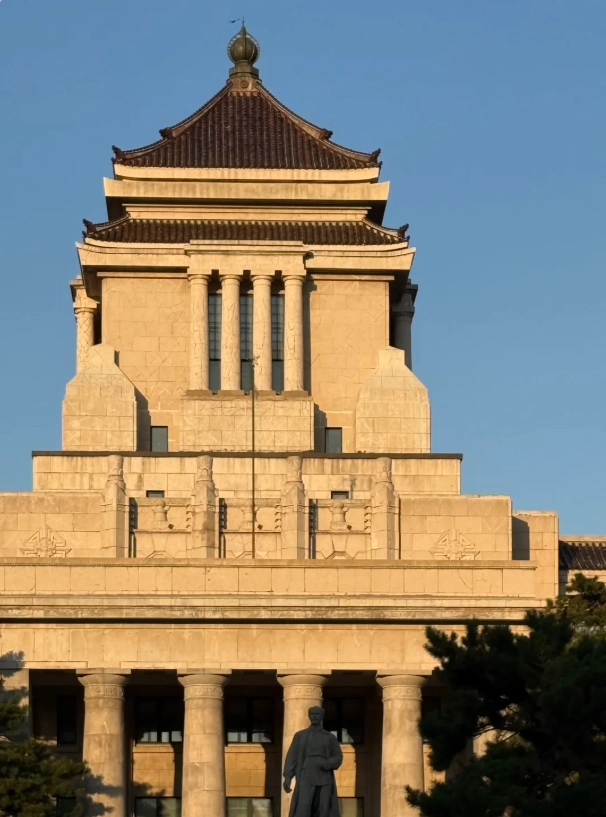
Here’s the catch: English signage is almost non‑existent. Most guides online are in Chinese or simply list addresses. I’ve spent countless afternoons walking these blocks, chatting with local caretakers, and figuring out which buildings you can actually enter. This guide is everything I wish I’d had my first time.
Why Visit the Eight Departments of Manchukuo?
These eight ministries (Economics, Transportation, Justice, etc.) were the nerve center of Manchukuo, a puppet state established by Japan in 1932. Walking through them today feels like stepping into a historical vortex—you’re literally inside the rooms where collaborations and decisions shaped Northeast China’s dark decade.
But it’s not just about the past. The buildings are massive, with grandiose facades, intricate ceilings, and courtyards that have become part of everyday Chinese life. You’ll see students reading on the steps, couples taking wedding photos, and old men playing chess in the shade. That juxtaposition—history still breathing—is what makes it worth your time.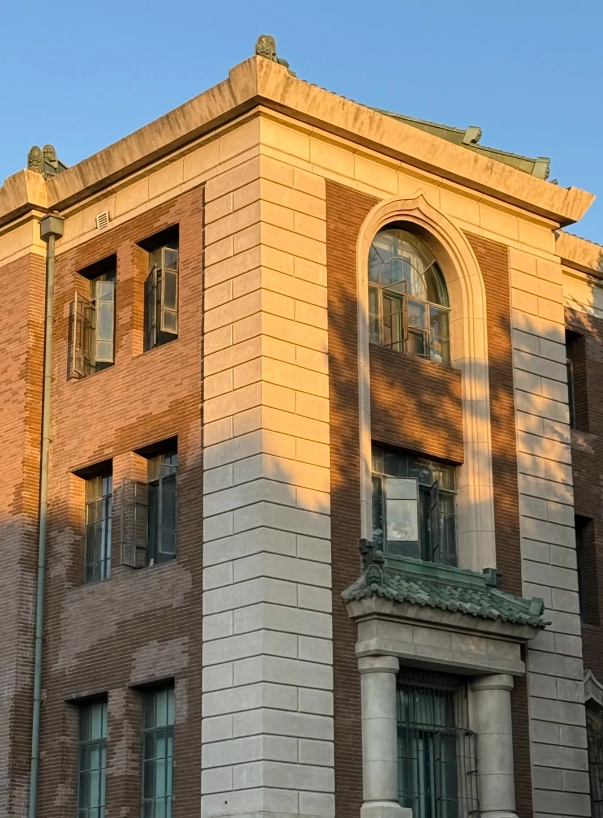
The Big Eight: What You’ll Actually See
Not all buildings are open to the public, and some require advance booking. Here’s my breakdown of the eight departments:
| Department | Current Use | Access | My Tip |
|---|---|---|---|
| Ministry of Economics | Jilin University campus | Free, open yard; lobby accessible | Go early morning for empty corridors |
| Ministry of Transportation | Changchun Railway Bureau | Restricted – facade only | Best photo op from the overpass |
| Ministry of Justice | Changchun Intermediate Court | Closed to public | Admire exterior, then head to nearby café |
| Ministry of Agriculture | Agricultural University campus | Free, walk around | Museum of Agricultural History inside – check hours |
| Ministry of Education | Northeast Normal University | Open to public; library visit possible | Library interior has original marble stairs |
| Ministry of Public Works | City government office | Very limited access | Don’t bother trying to enter |
| Ministry of Industry | Institute of Light Industry | Free, courtyard only | Hidden garden behind main building – locals miss it |
| Ministry of Finance | Bank of China training center | Not open | Nice facade, worth a quick stop |
Important: Most buildings still function as government or educational facilities. Respect security guards, and never enter areas marked “Staff Only.” I once had a tourist yelled at for sneaking up a stairwell—embarrassing for everyone.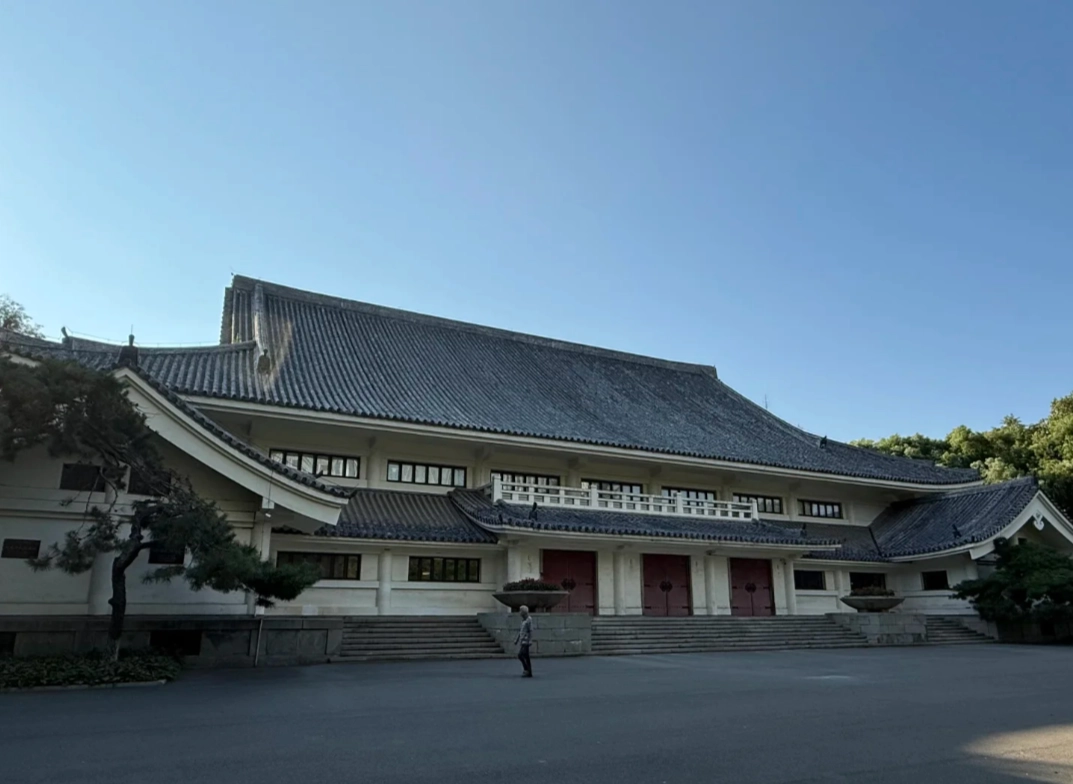
Practical Tips: Tickets, Timing, and Getting Around
Tickets & Reservations
Good news: you don’t need a ticket for the Eight Departments themselves. They’re scattered along public streets. However, two buildings have small museums inside that charge admission:
- Manchukuo Palace Museum (nearby) – 70 CNY adults, 35 CNY students (need passport). Book via WeChat mini‑program “伪满皇宫博物院” – it’s in Chinese only, so ask your hotel to help. Weekdays are less crowded.
- Agricultural Museum (inside Ministry of Agriculture) – 20 CNY, cash or WeChat. Open 9:00–16:00, closed Mondays.
For the rest, simply show up during daylight hours. No reservation needed.
Best Time to Visit
April–October offers pleasant weather for walking. I avoid July–August (scorching and humid). Afternoon is best for photography because the sun hits the western facades. But watch out: by 4:30 PM in winter, it’s already dark.
One thing that drives me crazy: Chinese tour groups arrive 9–11 AM. If you can, start your walk at 1 PM. You’ll have the sidewalks almost to yourself.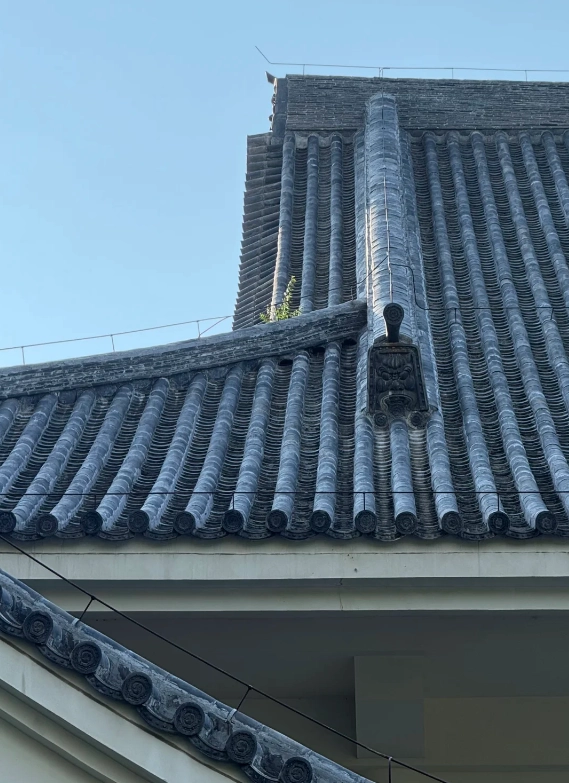
Transportation
The Eight Departments cluster in two areas: around Renmin Street (人民大街) and Jiefang Avenue (解放大路). The easiest way:
- Metro: Line 1 to People’s Square (人民广场) stop, Exit D. You’re right in the middle.
- Taxi/DiDi: Show the driver “伪满八大部” (Wei Man Ba Da Bu). Most know the area.
- Walking: Wear comfortable shoes. The total loop is about 5 km between furthest points.
My Recommended Walking Route (with insider tweaks)
Start at the Ministry of Economics (Jilin Uni campus). Spend 20 minutes walking the main hall—look up for the original chandelier mounts. Then walk south 8 minutes to the Ministry of Justice (exterior only). Continue 10 minutes east to Ministry of Transportation – photograph from the overpass at Renmin Street. Cross the street to the Ministry of Education (Northeast Normal Uni). Ask the guard nicely, and you can peek into the library lobby.
Grab lunch at a noodle shop on Tongzhi Street (同志街). I recommend the hand‑pulled noodles at Laoyuan Yipin (老苑一品) – about 20 CNY, no English menu but point at the picture. Cash only.
After lunch, taxi to the Ministry of Agriculture (10 mins, ~15 CNY). Visit the small museum. Then walk 5 minutes to the Ministry of Industry and find the hidden garden—enter through the side gate on Chunqiu Street. Last stop: Ministry of Finance (quick photo). If you’re not exhausted, catch a bus to the Manchukuo Palace Museum (30 mins).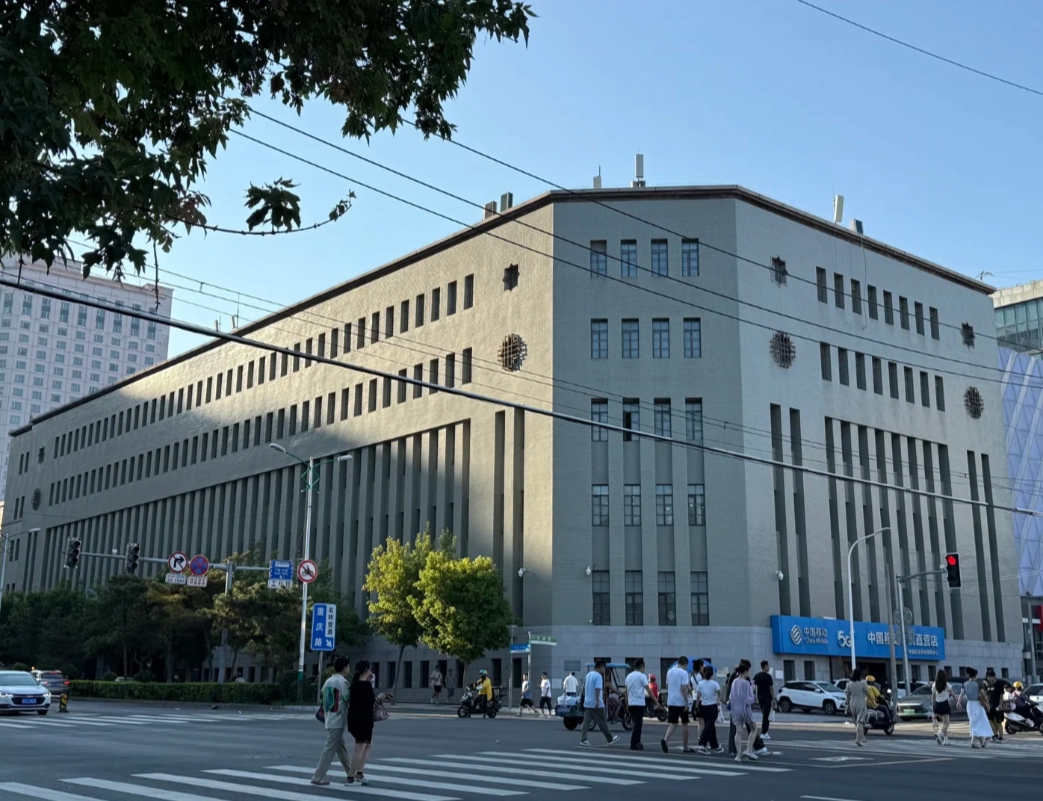
FAQ – Stuff Most Guides Don’t Tell You
I’ve been guiding people through the Eight Departments for over five years, and I still discover new details each time – a hidden courtyard, a faded mural, a guard who remembers the old days. If you take only one thing from this guide, let it be this: slow down. The real experience isn’t in snapping a photo of every building; it’s in standing still for a moment and letting the history wash over you.





No comments yet.