 Peng Gao
Standing at the edge of Pit 1 in the Emperor Qinshihuang's Mausoleum Site Museum, the scale hits you first. It’s not a few statues in a glass case; it’s an entire clay army, frozen mid-march, stretching out into the dim light of the hangar-like building. Then the details creep in—the different hairstyles, the unique facial expressions, the folds in the stone armor. It’s breathtaking, and honestly, a bit overwhelming. It’s also one of the most crowded tourist sites in China. I’ve been multiple times, in different seasons, and made every mistake so you don't have to. This isn't just a history lesson; it's a practical field guide for navigating one of the world's great archaeological wonders.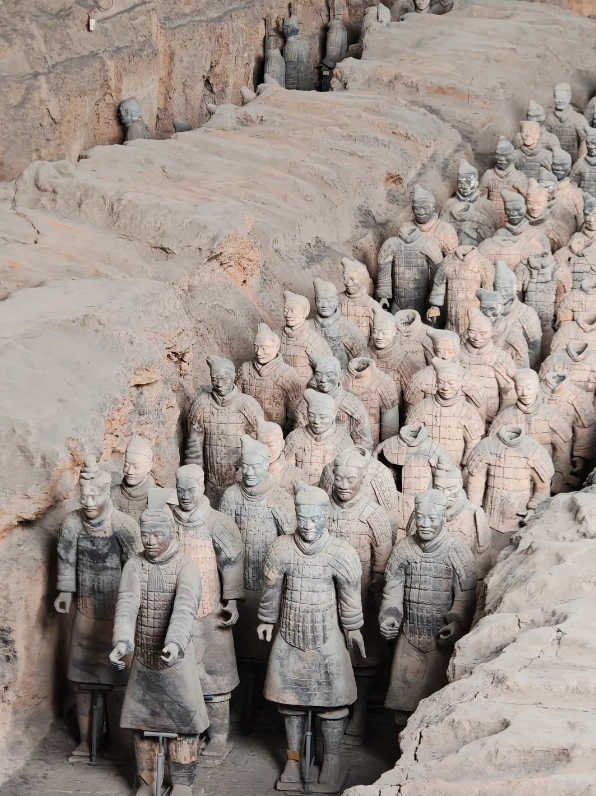
Quick Navigation: What's in This Guide
Why the Terracotta Warriors Museum is a Must-See
Forget what you've seen in photos. The first emperor of China, Qin Shi Huang, didn't just build an army. He commissioned an entire subterranean universe to rule in the afterlife. The three main pits you visit today are just the protective flanks guarding his still-unexcavated tomb mound about 1.5 kilometers away. The ambition is staggering.
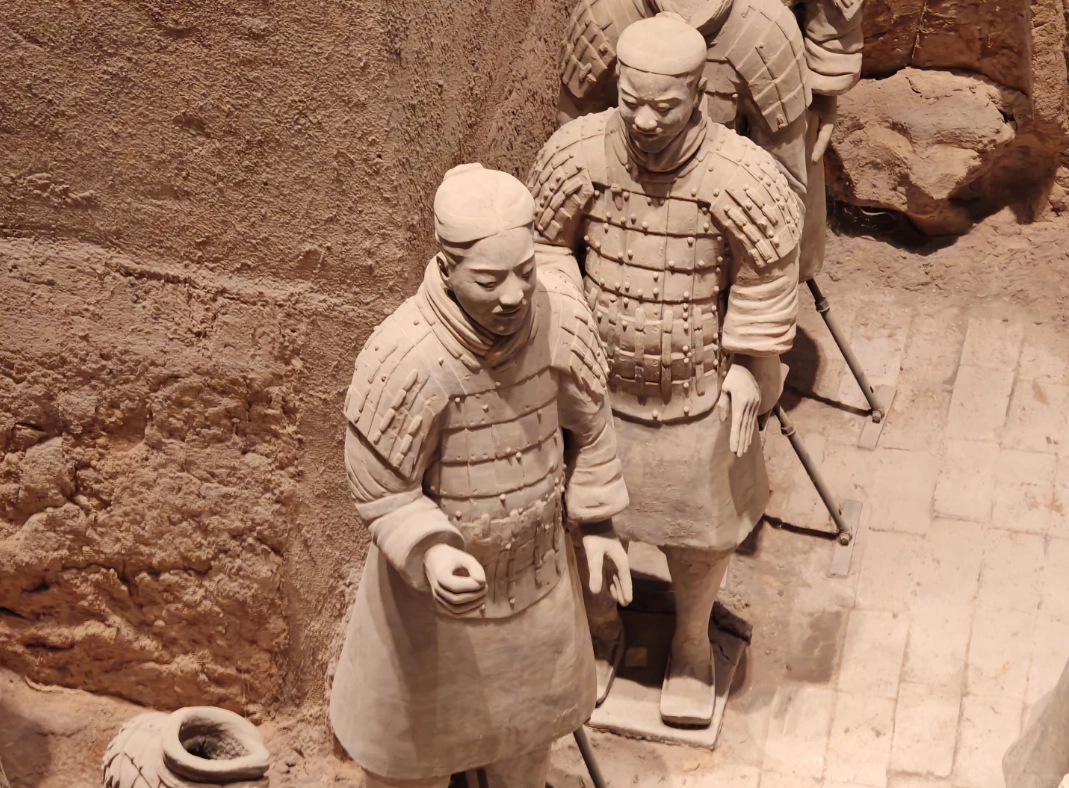
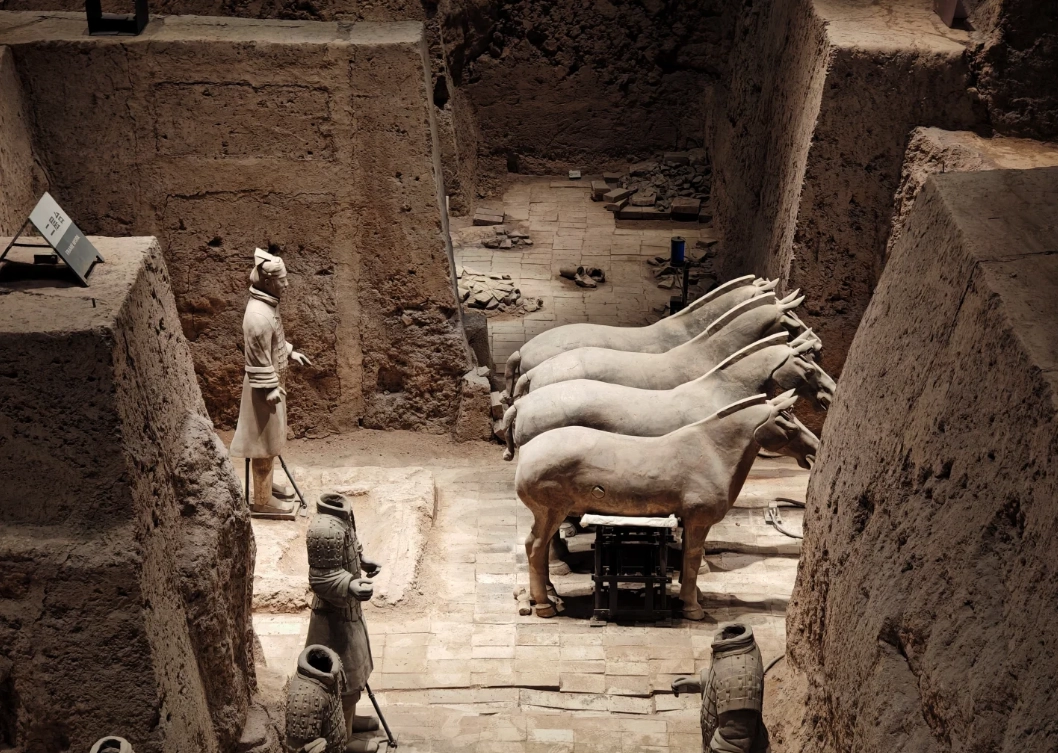
Walking through the sites, you see archaeology in action. In Pit 1, the largest, you see thousands of restored warriors in battle formation. But look closer at the back sections—there are piles of fragments, numbered and waiting for reconstruction. It’s a powerful reminder that this discovery in 1974 by local farmers was just the beginning. Pit 2 is more tactical, showcasing cavalry, chariots, and archers in various states of excavation. Pit 3 is the smallest, believed to be the command post. The on-site museum houses the star artifacts: the breathtaking bronze chariots and horses, which are masterpieces of ancient metalwork often overshadowed by the clay soldiers.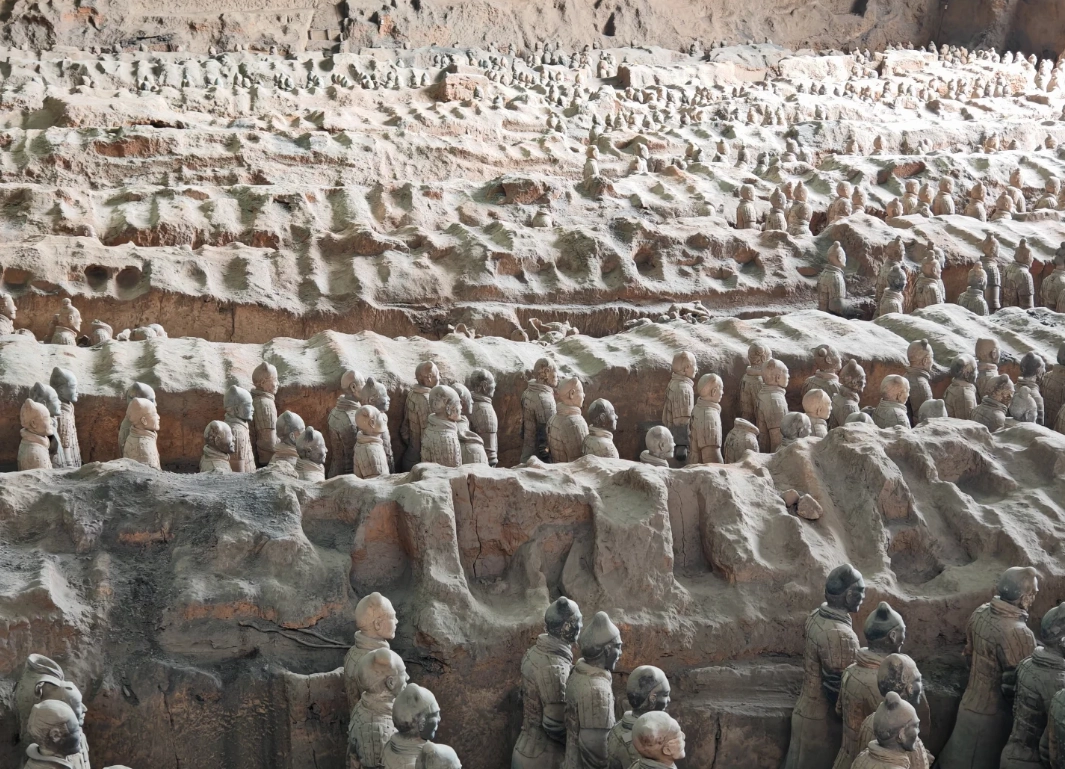
How to Plan Your Terracotta Warriors Trip
Getting the logistics right makes the difference between a stressful shuffle and a profound experience. Here’s everything you need to know to get there and get in.
Tickets, Hours, and Location
Official Name: Emperor Qinshihuang's Mausoleum Site Museum.
Address: Lintong District, Xi'an, Shaanxi Province, China. It's about 40 km east of central Xi'an.
Opening Hours: Peak season (March 16 – Nov. 15): 8:30 AM – 5:00 PM. Off-peak season (Nov. 16 – March 15): 8:30 AM – 4:30 PM. Last entry is usually one hour before closing. I recommend verifying the latest hours on the official museum website before your visit.
Ticket Prices (as of my last visit): The pricing is seasonal. You buy one ticket that grants access to all three pits and the museum buildings, including the bronze chariot hall.
| Season | Peak (Mar 16 - Nov 15) | Off-Peak (Nov 16 - Mar 15) |
|---|---|---|
| Adult Ticket | 150 RMB (approx. $21 USD) | 120 RMB (approx. $17 USD) |
| Student Ticket* | 75 RMB | 60 RMB |
*Valid student ID (especially an international one like an ISIC card) is required. Children under a certain height (often 1.2m or 1.4m) enter free. Tickets can be purchased at the gate or, more conveniently, through official Chinese travel apps like WeChat or Ctrip to skip the ticket office line.
Getting There: Your Transportation Options
You have three main choices, each with a different balance of cost, convenience, and hassle.
Tourist Bus (Bus 5/306): This is the classic budget option. It departs from the east square of the Xi'an Railway Station (not the North or South stations!). Look for the green or white buses with clear signage. The ride takes about an hour and costs around 7 RMB. The downside? It can be packed, and you'll be dropped at a large parking lot where you'll need to walk or take a shuttle cart to the actual ticket gate.
Private Car or Taxi: The most flexible but also the most expensive. A one-way taxi from central Xi'an (like the Bell Tower area) will cost 150-200 RMB. Ride-hailing apps like Didi work well. This is a good option for families or groups of 3-4 people splitting the cost. Agree on the price or use the meter.
Organized Tour: Many hotels and agencies offer half-day tours. They handle transport and a guide, which is great for context. The major trade-off is lack of freedom—you're on their schedule. Some tours notoriously include forced stops at overpriced souvenir factories or “gem” exhibitions. Read reviews carefully.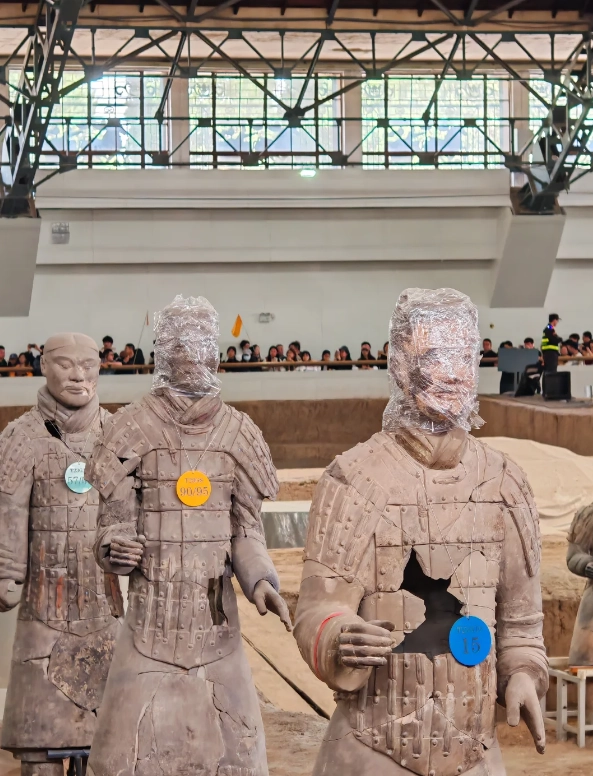
My go-to method? Take the tourist bus there for the authentic experience and low cost, and then book a Didi car for the return trip when I'm tired and just want to get back to the hotel.
Inside Tips for Visiting the Terracotta Warriors
This is where most guidebooks stop and where real experience matters. Here’s how to actually see the warriors.
Timing is Everything: The golden hours are the first 90 minutes after opening or the last 2 hours before closing. Midday, especially between 10:30 AM and 2:30 PM, is when massive tour groups from cruise ships and domestic tours descend. It becomes a slow-moving river of people. If you must go in the middle of the day, be patient.
The Best Viewing Order (A Non-Consensus Strategy): Everyone floods into Pit 1 first because it's the closest to the entrance. Try this instead: Head straight to the Exhibition Hall of the Bronze Chariots and Horses first. It's air-conditioned, less crowded, and houses arguably the most technically impressive artifacts. Then, visit Pit 3 (the command post), followed by Pit 2. Save the grand finale, Pit 1, for last. By the time you get there, some of the early crowd may have moved on, and you'll be properly warmed up to appreciate its scale.
Hire a Guide (But Be Selective): The history makes the site. Licensed guides are available for hire at the entrance. A good one will explain the differences in rank, armor, and hairstyle, and point out specific, well-preserved figures. Agree on a price and duration beforehand. Alternatively, high-quality audio guides are available for rent. Avoid the touts who approach you in the parking lot.
What Most People Miss: After the three pits, take the free shuttle bus (included in your ticket) to the actual tomb mound of Qin Shi Huang. It's a quiet, park-like area with a large, vegetated hill. Nothing is excavated here, but standing on it gives you a profound sense of the site's true scale and the emperor's audacity. Fewer than 30% of visitors make the trip, so it's peaceful.
On the Ground Reality: The walk from the ticket gate to the pits is long (about 15-20 minutes) along a paved commercial street full of souvenir shops and restaurants. You can pay for an electric cart. The food options inside the complex are basic and overpriced. Eat a big breakfast or plan to eat in Lintong town after your visit.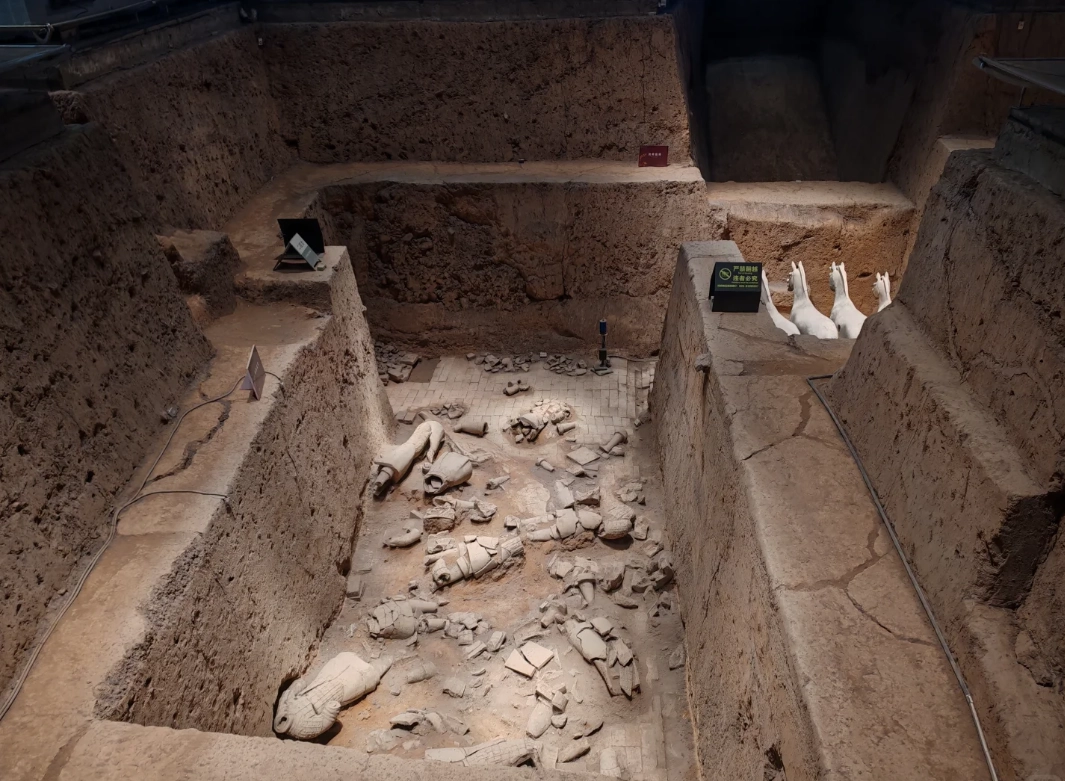
Terracotta Warriors Questions Answered
 How much time do I realistically need at the Terracotta Warriors site?
 The Terracotta Army is more than a photo op. It's a direct conversation with ancient ambition. With the right plan—prioritizing early arrival, following a smart route, and wearing good shoes—you can trade crowd stress for genuine wonder. See the pits, but don't skip the bronze chariots or the quiet tomb mound. That's where the full story, and the true scale of Qin Shi Huang's legacy, really sinks in.
This guide is based on multiple personal visits and observations. Information like ticket prices and hours can change; it's always wise to double-check with the official museum channels before your final planning.





Unforgettable. I was a bit skeptical about the 'avoid the crowds' tips online, but they worked like a charm. Got there at 7:30am, straight to Pit 1, and had a solid 15 minutes of near-silence – just the warriors and me. The scale is overwhelming. Later in the morning it got crazy busy, but by then I'd already taken my photos and absorbed the vibe. The museum section also has some beautifully preserved bronze chariots. Worth every yuan.
Visited during the off-season and it was perfect. We booked a private guide through our hotel and he took us to the less crowded pits first (Pit 2 and 3) before the masses hit Pit 1. The experience of seeing the kneeling archers up close without a swarm of people was magical. The sheer craftsmanship is mind-blowing. If you want to avoid the crowds, do the reverse route and go very early. Highly recommend!
Honestly a bit disappointed given the hype. The warriors are impressive, sure, but the crowd management was terrible. We arrived at 10am and it was so packed we could barely see. The lighting in Pit 1 is quite dim and the glass barriers were covered in fingerprints. Also felt a bit rushed by the guards to keep moving. Maybe go at the very end of the day? I expected more for the price and effort to get here.
Amazing site but prepare for crowds. I went at 2pm on a Tuesday and it was still packed – you had to jostle for a spot at the railing. That said, the warriors themselves are incredible. The detail on each face is unique, and the restoration work is fascinating to observe. Pro tip: buy the audio guide, it really brings the history to life. Would give 4.5 if I could, but it's a solid 4.
Absolutely breathtaking! I followed the advice to go first thing in the morning right when the gates opened, and I had nearly the whole pit to myself for the first 20 minutes. The sheer scale and detail of the warriors is something you cannot grasp from photos. Standing there, seeing the dust motes floating in the sunlight streaming through the hangar windows, it felt like stepping back in time. Truly a once-in-a-lifetime experience. 5 stars all the way.
After reading four different guides, this one stood out because it actually addressed the crowd psychology (everyone rushes to Pit 1 first). I followed the reverse route and had Pit 3 almost alone. The section on buying tickets via WeChat was step-by-step and saved me from a big headache. It even included a tip about bringing a small flashlight for the dimmer corridors — that detail alone made it a 5-star advice piece for me.
Loved the honest tone in this article! The suggestion to start with Pit 2 before wandering into Pit 1 really worked — I had entire sections to myself for a few minutes. The author clearly knows the site. The only reason I‘m not giving 5 stars is the lack of seasonal timing advice (e.g., how bad is October? Is January windy?). Still, a fantastic read that made my trip smoother.
Decent overview, but I was hoping for more practical details like where exactly to stand for the best photos without reflections, or which restoration area has the most interesting artifacts. The advice on ‘go early’ is standard for any attraction. Felt like I could have gotten this info from a quick blog search. Not terrible, just nothing new.
Solid guide, but I wish it included more info on the bus from Xi‘an North Station. I ended up on the wrong line because the article only mentioned the tourist bus from the main square. Also the section on avoiding crowds felt a bit repetitive—same strategy three times. Still, the tips about visiting during weekdays and booking tickets online saved me 40 minutes in line, so definitely useful overall.
Great article! I followed the early-morning advice and got to the pits right when they opened. It was nearly empty for the first 30 minutes — totally worth waking up at 5:30. The tip about skipping the exhibition hall first is gold. My only tiny gripe: the map quality in the PDF was a bit blurry on my phone, but that’s minor. Highly recommend this guide if you hate crowds like me.