 Fang Wang
What’s Inside This Guide
I’ve been guiding foreigner groups around Longshan Temple for more than a decade. And every time, I see the same mistake: they follow some blog that says “arrive at 10 AM,” then get stuck at the south gate under the blazing sun for 20 minutes. You don’t have to suffer that.
Longshan Temple walking tour isn’t just about the temple itself—it’s about the entire ecosystem: the fortune tellers, the night market, the hidden alley shrines. But most visitors miss half of it because they don’t know the right sequence. Let me fix that right now.
Here’s the ultimate conclusion upfront: Enter through the west entrance at 8:30 AM on a weekday, skip the south gate line, and you’ll have the main hall almost to yourself. Then follow my route to grab a coin‑read from a local master, walk through the herb alley, and finish with the best braised pork rice in Taipei. No more guessing.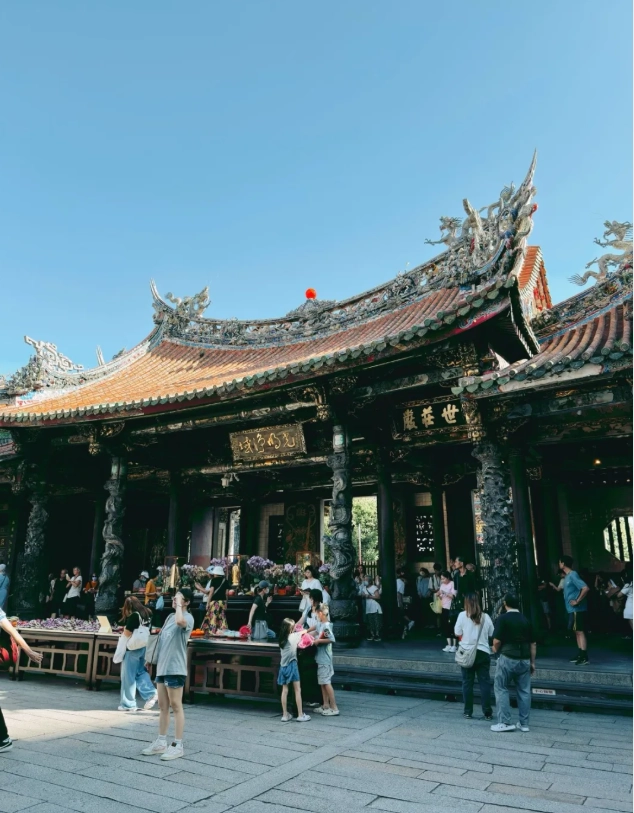
Why This Walking Tour Works
Most self‑guided tours dump you at the main gate and say “explore.” But Longshan Temple is a maze—multiple halls, multiple gods, and a constant stream of worshippers. My approach is time‑sliced: you hit the iconic spots when they’re empty, then loop back to the details when crowds roll in.
Best Time for Your Longshan Temple Walking Tour
Here’s the thing no one tells you: 8:30–10:00 AM is the magic window. The temple opens at 6 AM, but most tourists don’t arrive until 10. By 9 AM, the morning prayer crowd has thinned out. You can take photos without strangers photobombing every frame.
Avoid weekends if possible. Sunday sees a sea of domestic tourists and tour groups. I once counted 40 people in front of the main incense burner at 11 AM. Total chaos.
If you only have a weekday afternoon, aim for 2:30–4:00 PM. The light gets softer, and the crowd starts a retreat before the evening rush. Just be aware that some fortune‑telling booths close around 5 PM. More on that later.
The Perfect Walking Route (Step by Step)
I always start my Longshan Temple walking tour from MTR Longshan Temple Station, Exit 2. Walk straight for about 4 minutes—you’ll see the temple’s decorated roof on your left. Ignore the South Gate (it’s the main entrance but always jammed). Instead, take the small side alley on Guangzhou Street that leads to the West Gate (西門). It’s quieter and drops you right into the herb‑medicine street.
Stop 1: The West Gate Courtyard
This is where I let my group take the first deep breath. The incense smoke swirls differently here. Snap a wide shot of the dragon pillars before anyone steps into your frame. Note: the best angle is from the corner near the water fountain.
Stop 2: Main Hall (Zheng Dian)
From the courtyard, enter the main hall dedicated to Guanyin (Goddess of Mercy) and Ma Zu. Watch the locals—they do a full bow with incense, then walk clockwise. If you want to try it, grab a bundle from the free incense racks near the door. Don’t light it inside! Use the fire pit in the central courtyard. I’ve seen tourists accidentally set off the smoke detector—yes, that’s a real thing.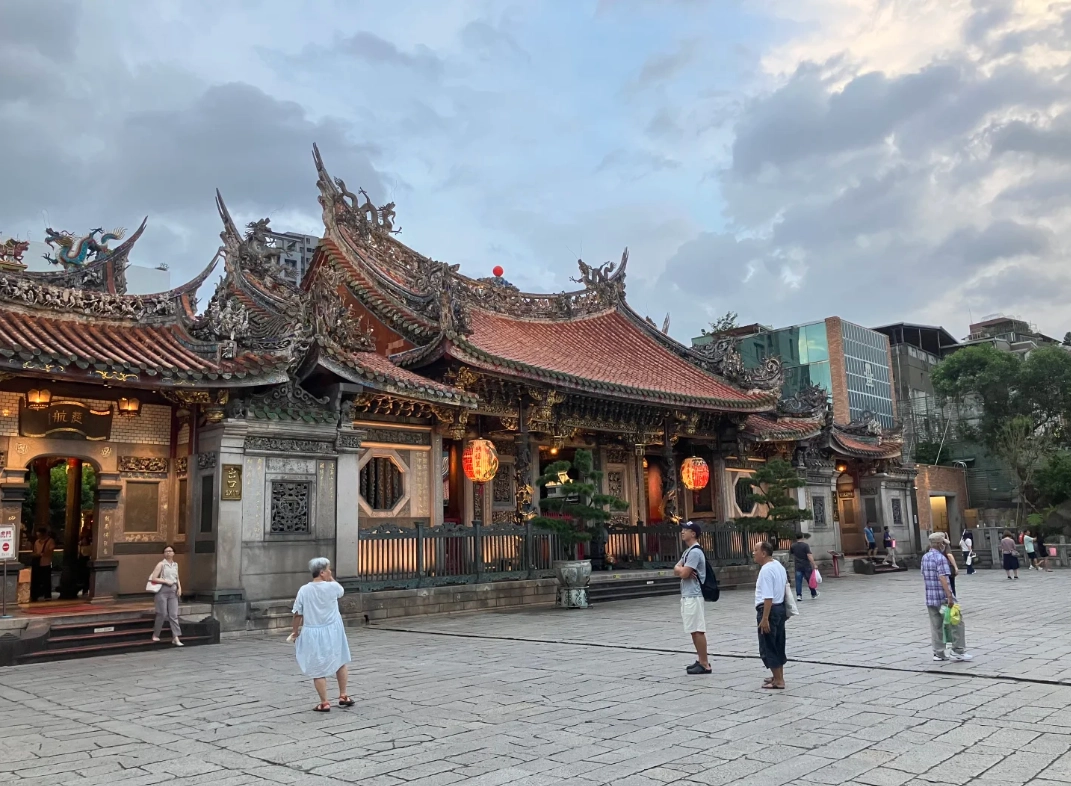
Stop 3: Fortune‑Telling Alley (Buzhi Jie)
Exit the east side of the main hall and you’ll hit a row of covered shops. That’s where the fortune tellers sit. Most tourists walk right past because they don’t know the system. Don’t just pick any booth. Look for the one with a red sign that says “60 Years Experience” (yes, that’s the actual shop). The master there speaks basic English and charges NT$300 for a palm reading. Bargain? No, but he’s accurate.
Stop 4: Herb Alley & Old Pharmacy
Behind the fortune‑telling row, you’ll find a narrow lane lined with traditional Chinese medicine shops. I always stop at Lao Yun’s Herbs (address: No. 206, Heping West Road). The owner, Mr. Chen, lets you smell dried ginseng and licorice root for free. My tip: ask him for a small pouch of “cooling tea” blend—NT$50, and it really helps on hot days.
Stop 5: Rear Garden & Wenchang Di Jun Hall
Most people miss this. At the very back of the complex is the small garden and the hall of Wenchang Di Jun (God of Literature). Students come here to pray before exams. If you have kids, bring a pencil as an offering—seriously, I’ve seen parents do that. The garden has a koi pond; it’s a good spot to sit for five minutes and escape the noise.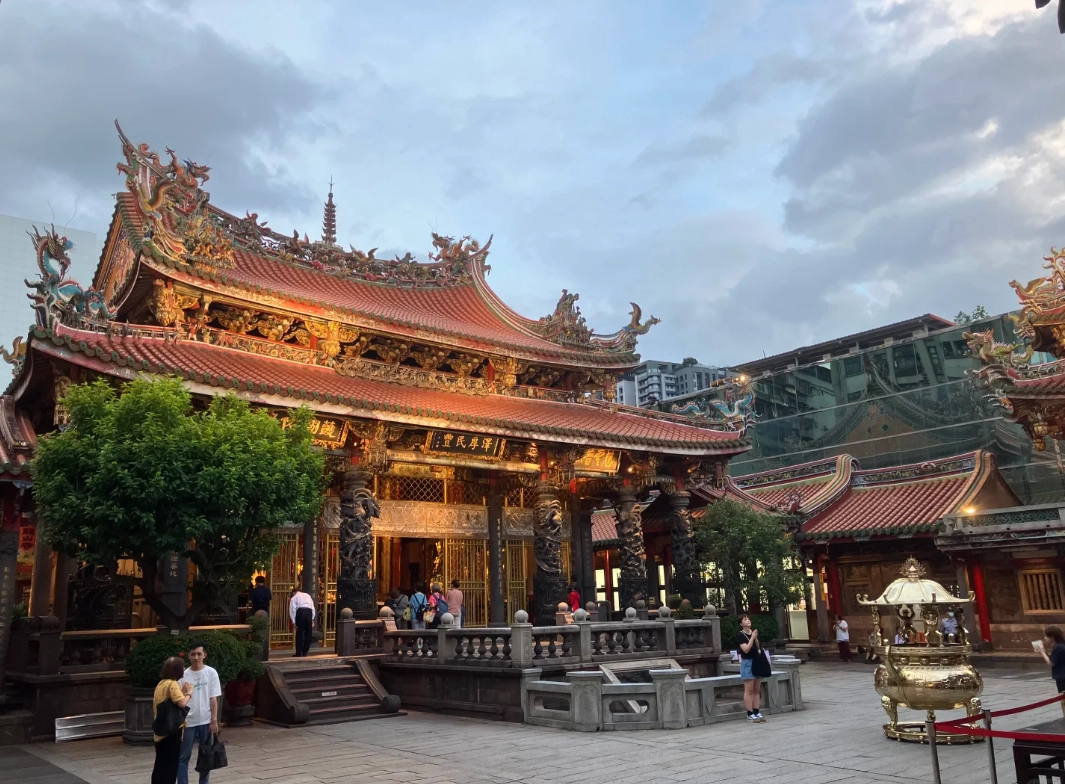
Money‑Saving Tips & The Digital Nightmare
Longshan Temple itself is free—no ticket needed. But the surrounding things add up fast. Fortune telling? NT$300–500. Herbal tea? NT$50. Moochi snack? NT$30. I usually tell my groups to bring NT$800–1,000 in cash for the whole walking tour. Most stalls don’t take credit cards, and international cards? Forget it. Even the WeChat Pay here is finicky for foreigners.
If you need to withdraw cash, use the ATM inside the 7‑Eleven next to MRT Exit 2. It accepts most foreign cards but charges NT$100 fee. Better to bring cash from the airport.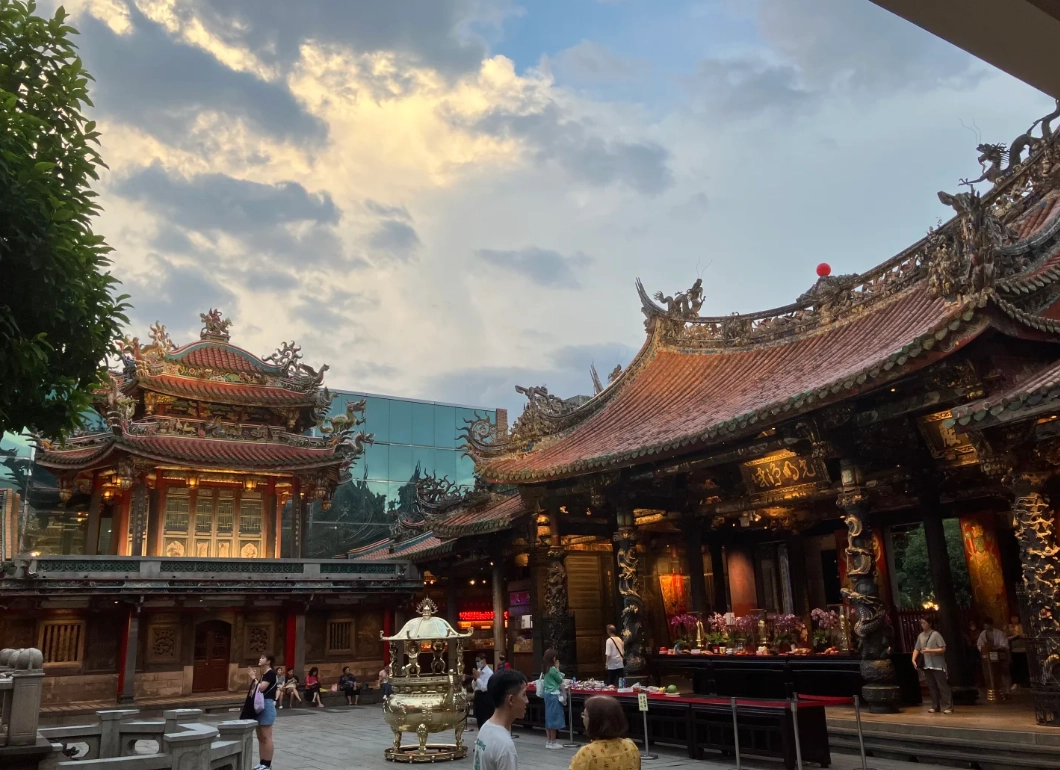
Secret Photo Spots Only Locals Know
I’ve seen tourists stand in the same spot for the “iconic” dragon pillar shot. But here’s where you can get a unique frame without the crowd.
- Spot 1: The moon gate in the rear garden. Stand under it and shoot upward through the circular frame toward the main roof. Best light: 10:00–11:00 AM.
- Spot 2: The incense coil rack on the west side. Hanging spiral incense creates a smoky foreground. Use a fast shutter speed to freeze the smoke—or a slow one for a dreamy effect. I prefer the latter.
- Spot 3: The second‑floor balcony of the Herb Alley building. There’s a narrow staircase next to Lao Yun’s – go up! You get a rooftop view of the temple’s side roofs and the surrounding old town. No sign, but it’s open to public. Don’t tell everyone.
Ending at Huaxi Street Night Market
A good Longshan Temple walking tour ends with food. Exit the temple from the west gate, cross the street, and you’re at the entrance of Huaxi Street Night Market (also called Snake Alley). Don’t worry, snake soup is optional. The real stars are:
| Food | Shop | Price | My Take |
|---|---|---|---|
| Braised Pork Rice (Lu Rou Fan) | Huaxi Lu Wei (No. 27) | NT$40 | Best in the area. Fatty, savory, with a pickled radish. I always order two. |
| Grilled Squid | Stall 58 | NT$100 | Go for the spicy version. The stall lady remembers me—she gives extra sauce. |
| Herbal Duck Soup | Yuan Zu Yao Tou (No. 8) | NT$120 | Light broth with angelica root. Great after walking. |
The market gets packed after 7 PM. If you finish your temple walk around noon, the market stalls are still opening. Come back at 6 PM if you want the full experience.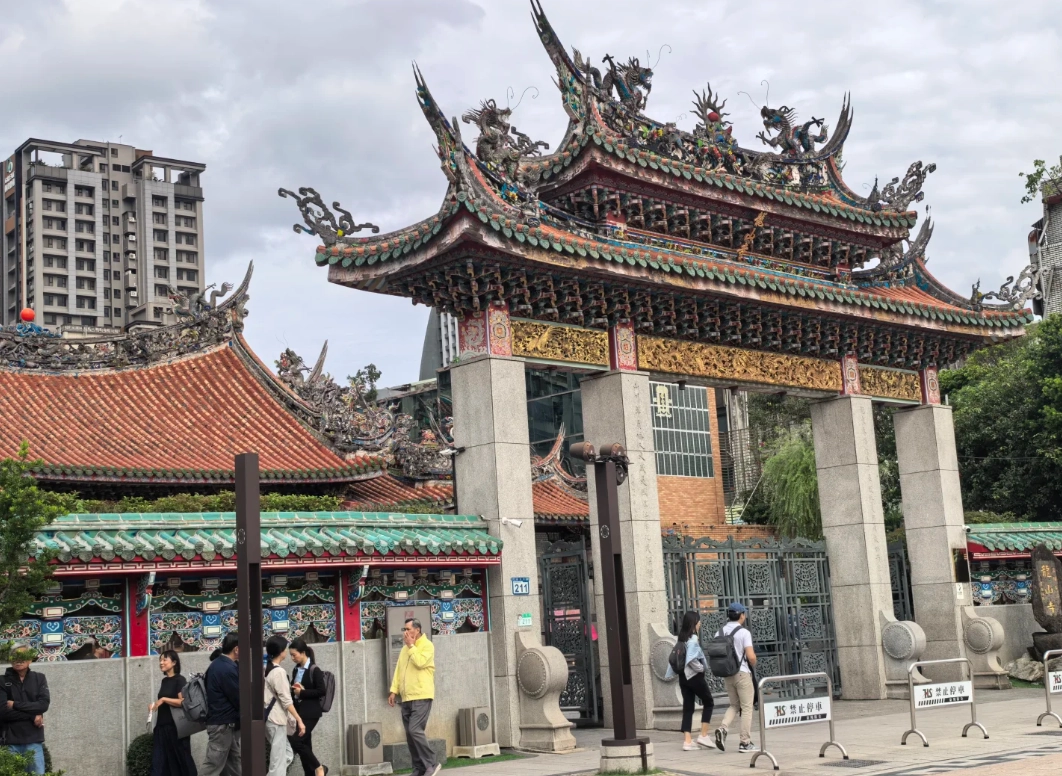
Frequently Asked Questions about Longshan Temple Walking Tour
Verified and fact-checked by the editorial team. This content has been fact-checked to ensure informational precision.





Hands down the most useful tourist resource I downloaded before visiting Taipei. The guide not only showed me quiet nooks to admire the gold-leaf statues but also pointed out a hidden tea house across the street where they serve the best oolong. My wife and I spent an extra hour just people-watching from there. Worth every penny for the peace of mind alone.
If you want to actually *feel* the spirituality of Longshan Temple instead of fighting crowds, get this guide. The suggested timing (right at 6 AM) let me witness monks chanting and the smoke drifting through the morning light—magical. The walking route is thoughtfully planned, and the little anecdotes about the wishing rituals made it personal. Best decision of my trip.
This walking tour is an absolute gem! I’ve been to Longshan Temple three times before and always felt overwhelmed. The insider tips here—like visiting the side halls first and using the back gate—made the whole experience peaceful and immersive. The stories about the temple’s history and the local food recommendations nearby were the cherry on top. Five stars, no hesitation.
Great practical advice—especially the early morning route that lets you see the incense lighting ceremony without the crush. The audio explanations were clear, but the map included in the guide could be bigger. I appreciated the heads-up about the best spot to watch the temple’s dragon pillars without getting shoved. A solid 4-star experience overall.
I followed this walking tour guide hoping to dodge the endless selfie sticks, and honestly, it worked like a charm. The back entrance tip saved me a solid 20 minutes in line. That said, the guide’s descriptions of the carvings felt a bit rushed, and I wish there were more details on the deities. Still, for a quick intro before exploring on your own, it’s decent.