 Yan Zhou
What You'll Find Here
I'll be honest—most tourists pick the worst time to visit Elephant Mountain. They show up at noon, sweat through their shirts, and end up with harsh shadows across the Taipei 101 skyline. I've been guiding trips here for over five years, and I've seen it all. So let me save you from that mistake: the best time to visit Elephant Mountain is late afternoon during autumn or spring. More specifically, aim for 4:00 PM to 5:30 PM on a weekday in October or April. That window gives you golden light, manageable crowds, and a comfortable temperature. Now let me break down the details so you can nail your visit.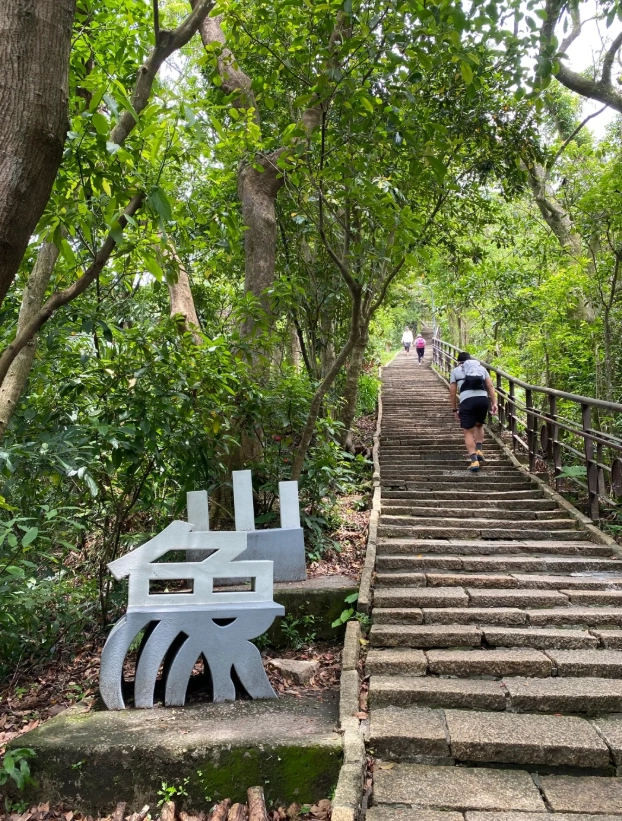
Why Timing Matters More Than You Think
Elephant Mountain (Xiangshan) is not your typical hike. It's a short 20-minute climb up stone steps, but the payoff is massive—an iconic view of Taipei 101 towering over the city. But here's the catch: the viewing platform is narrow. On a busy evening, you'll find yourself shoulder-to-shoulder with other photographers. If you arrive at the wrong time, you'll either be blinded by midday sun or stuck behind a hundred selfie sticks. Trust me, I've seen guests cry (not tears of joy). Timing directly affects three things: light quality, crowd density, and temperature. Get all three right, and you'll have a magical experience.
Best Season to Visit Elephant Mountain
The local climate is subtropical, so summers are hot and humid, winters are cool and damp. From my experience, spring (March–May) and autumn (September–November) are the clear winners. Let me explain why.
| Season | Temperature (avg) | Rainfall | Crowds | Sunset Time (approx) | Verdict |
|---|---|---|---|---|---|
| Spring (Mar–May) | 20–28°C | Moderate | Medium | 5:30–6:15 PM | Excellent — mild weather, blooming flowers on the trail |
| Summer (Jun–Aug) | 28–36°C | High (typhoons possible) | Low (but hot!) | 6:15–6:45 PM | Passable only for sunset; bring lots of water |
| Autumn (Sep–Nov) | 22–30°C | Low | High (especially Oct) | 5:15–5:45 PM | Best season — clear skies, comfortable, vibrant cityscape |
| Winter (Dec–Feb) | 14–20°C | Moderate | Medium (fewer tourists) | 5:00–5:30 PM | Good for clear winter days; colder but less sweaty |
Spring (March–May)
Spring is fantastic because the weather isn't scorching yet. The trail is lined with azaleas and other flowers. I personally love March—it's just warm enough for a t-shirt, and the late-afternoon breeze keeps you comfortable. One downside: occasional spring showers. Always check the 10-day forecast before you go.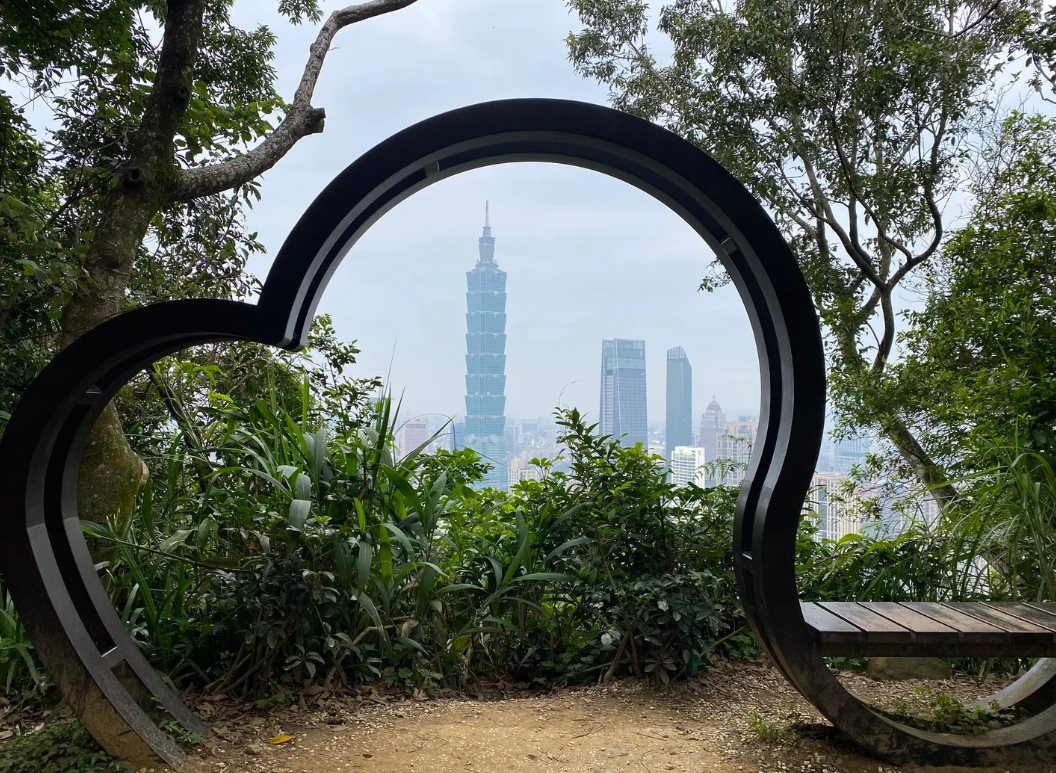
Autumn (September–November)
This is my personal favorite. October especially offers the clearest skies. The humidity drops, and the pollution level is lower, giving you crisp views of the Taipei basin. The downside? Everyone knows this. Expect a line of people on the lower steps. But if you arrive by 4 PM on a weekday, you'll beat the worst of it.
Summer vs Winter: Which One to Avoid?
Summer is brutal. I've taken groups up at 3 PM, and by the time we reached the top, everyone looked like they just swam in the pool. The humidity is over 70%, and even standing still makes you sweat. If you can only come in summer, choose sunset (around 6:15 PM). At least the intensity fades. Winter, on the other hand, can be pleasant if you hit a clear day. The air is crisp, and the sun sets early, so you can even catch a night view of Taipei 101 lit up. However, winter also brings more cloudy days. So check the weather app—if it's sunny, go for it.
Best Time of Day for Photos and Crowds
I always tell my clients: sunset is the money shot. The sky transforms into orange and pink, and the city lights begin to twinkle. But here's the nuance—you need to be at the top at least 45 minutes before sunset to claim a good spot. That means starting the hike about 1 hour before the scheduled sunset time. Let's break it down.
Sunrise vs Sunset: Which One Wins?
Sunrise is peaceful, but the sun rises behind the mountain, so Taipei 101 is backlit. You'll get a silhouette effect, which is cool, but not the classic postcard shot. Also, you need to arrive around 5 AM in summer or 6 AM in winter—the metro doesn't run that early from many stations. I've done sunrise once with a guest, and we had to take a taxi, and the viewing platform was nearly empty. Honestly, sunset wins if you want vibrant colors and that iconic cityscape. Plus, you can walk over to the nearby Raohe Night Market afterward for dinner.
The Golden Hour Window
The golden hour (roughly 1 hour before sunset) provides the softest light for photos. The best time to visit Elephant Mountain to capture that light is exactly that period. For autumn, that's around 4:30 PM to 5:30 PM. The steps can be crowded, but once you're on the platform, people move fast. Pro tip: skip the main platform and walk up a few more steps to the second smaller platform. It's less crowded and offers a slightly different angle.
Night Views
If you miss sunset, don't worry—the night view is stunning too. The city lights reflect off the Taipei 101 glass, and the whole basin glitters. I often recommend guests to come for sunset, but stay until 7 PM to see the full transformation. Just bring a flashlight (phone works) for the descent—the steps aren't well lit.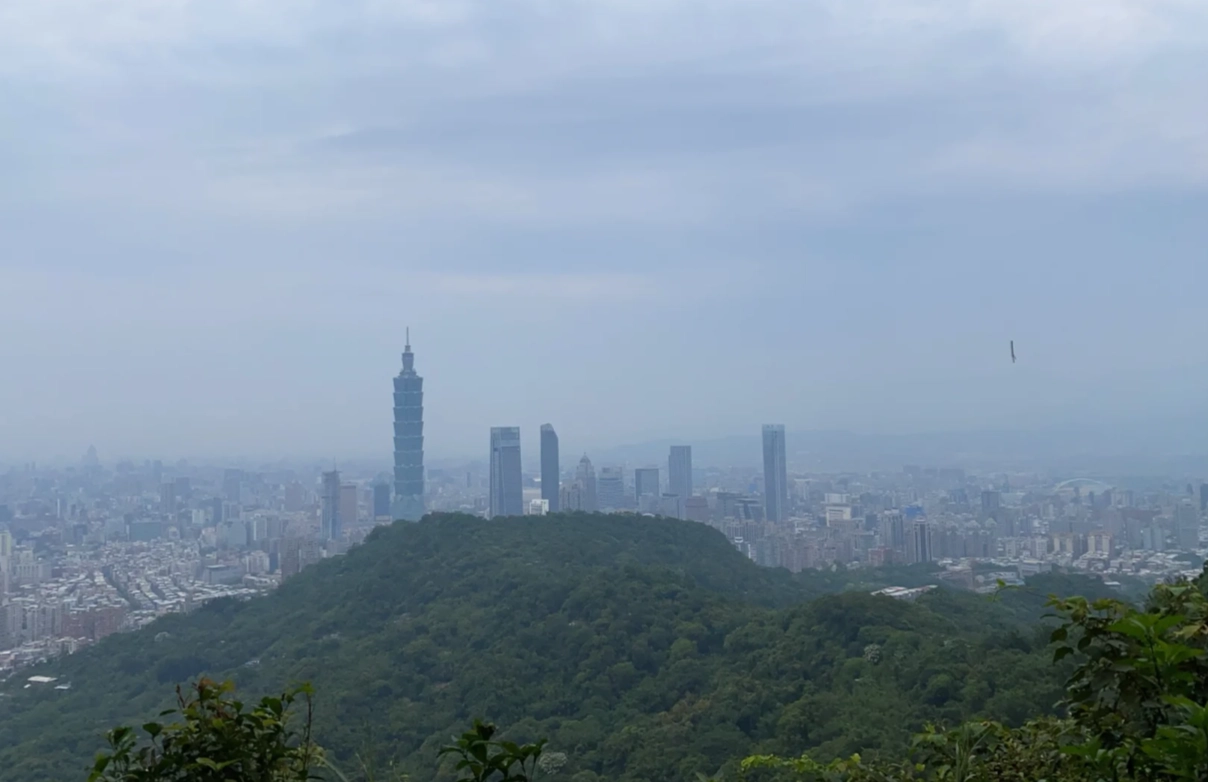
What About Weather and Rain?
Let's address the elephant in the room—Taipei's famous rain. From November to March, you can expect drizzly days. If it's raining, skip the hike. The steps become slippery, and the view is completely blocked by clouds. I've led guests up in light rain only to have them see nothing but gray. My rule: if the weather forecast shows more than 30% chance of rain, choose another day. However, a passing shower that clears up can actually give you dramatic clouds and nice light. Check Taiwan's Central Weather Bureau for hourly forecasts.
How to Avoid the Worst Crowds
Crowds are relentless on weekends and public holidays. I've seen the steps so packed that you have to wait 10 minutes just to move. Here's my strategy:
- Go on a weekday — Tuesday, Wednesday, or Thursday are best. Monday and Friday are also okay but slightly busier.
- Avoid Chinese holidays — Chinese New Year, Double Tenth Day, and especially the Mid-Autumn Festival. The trail becomes a human river.
- Arrive by 3:45 PM — This gives you a solid hour before sunset to soak in the view. The post-work crowd shows up around 5 PM.
I once made the mistake of taking a group on a Saturday at 5 PM. We were stuck on the steps for 20 minutes. Never again.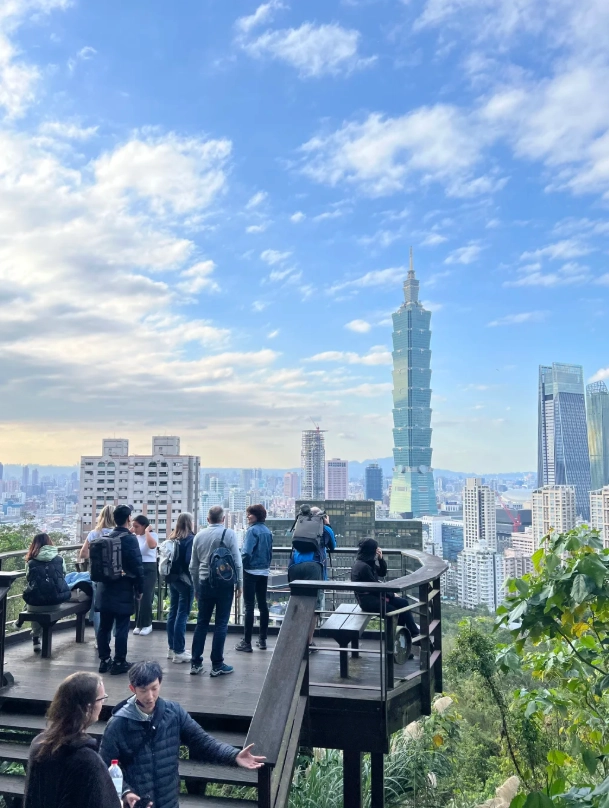
Practical Tips for Your Visit
Getting There
Take the Taipei Metro (MRT) to Xiangshan Station on the Red Line. Use Exit 2. From there, walk 10 minutes along Xiangshan Road to the trail entrance. Look for the sign that says "Elephant Mountain Trail." If you're coming from Taipei 101 area, it's only a 15-minute walk via Songren Road. No ticket needed—it's free and open 24/7. But the viewing platform is officially open until 10 PM. No entry fee. No reservation required.
What to Bring
Bring water (at least 500ml), a small towel for sweat, and comfortable shoes. The steps are steep in some sections. A camera or phone with a wide-angle lens is ideal. If you're staying for nightfall, bring a flashlight. There are no shops on the trail, but there are convenience stores at the bottom near the MRT station.
Accessibility Note
This trail is not wheelchair accessible. It's all stone steps. People with knee problems should use hiking poles or consider alternatives like Maokong Gondola for a different city view.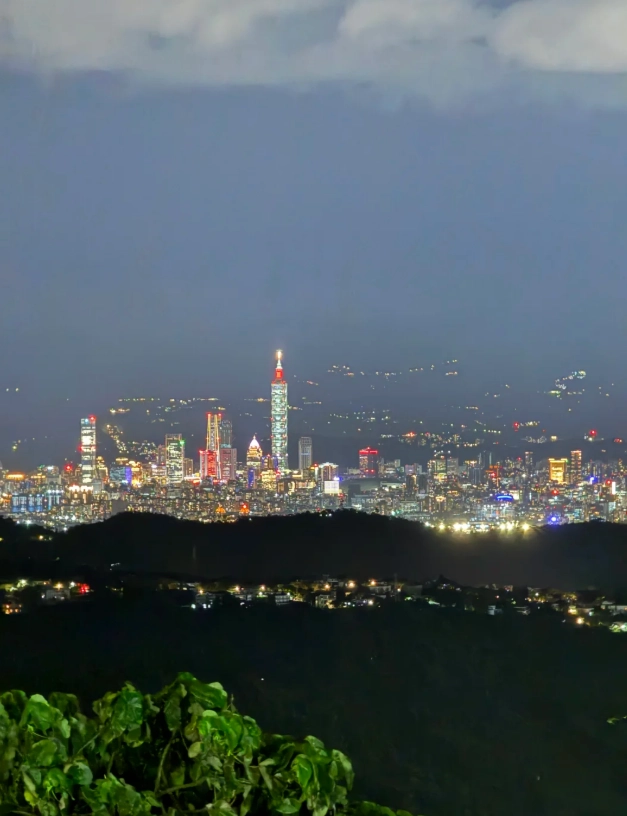
FAQ
To sum up, the best time to visit Elephant Mountain is late afternoon during autumn or spring on a weekday. That combination gives you the perfect light, tolerable crowds, and a comfortable hike. I've taken hundreds of guests up this trail, and those who followed this advice always leave with a smile. So plan ahead, check the weather, and you'll have a memory that lasts a lifetime.
Verified and fact-checked by the editorial team. This content has been fact-checked to ensure informational precision.





Best guide I've seen for Elephant Mountain. Took my camera gear based on the sunset timing advice and got the golden hour glow I was hoping for. The little tip about waiting until everyone leaves the main rock to shoot the city was gold. My Instagram post blew up. 10/10 would recommend this article to every photographer visiting Taipei.
Used the tips for a Sunday afternoon visit – deliberately chose the 'worst' time mentioned just to test it – and wow, it was actually fine! A few people but nothing crazy. The article's advice on composition angles saved my shots. Definitely worth reading before you go, even if you can't nail the perfect time slot.
Honestly followed every word of this article and still ended up disappointed. Arrived at 5:30 AM like it said, but the trail was already packed with a photo tour group. Couldn't get a clean frame anywhere. The article claims you'll 'avoid crowds' but that's just not realistic unless you go on a rainy weekday. Overhyped.
Read this before my trip and it helped, but the 4 PM suggestion didn't work out for me that well. There were still quite a few people around, and the sun was too harsh for good silhouettes. Maybe it's better in winter? Still got some decent shots overall. Good guide but not foolproof.
This article was spot on! I went at 6:30 AM on a Tuesday as suggested, and the trail was almost empty. Got some incredible sunrise shots with no one photobombing. The lighting was perfect. Highly recommend following these tips if you want great photos without the hassle.