 Yan Zhou
What's Inside
- First Impression: Smoke, Noise, and Magic
- Quick Facts: Hours, Address, and Admission
- How to Get to Longshan Temple
- How to Pray at Longshan Temple (Step-by-Step)
- Must-See Spots Inside the Temple
- Best Time to Visit: Beat the Heat and Crowds
- What to Do Around Longshan Temple
- FAQ: Your Questions Answered
I remember my first time stepping into Longshan Temple with a group of first-time visitors from the US. Within seconds, three of them were coughing from the thick incense smoke, and one asked, "Are we allowed to be here?" — yes, it's that intense. But once you adjust, the place is stunning. Let me show you how to navigate it without feeling lost.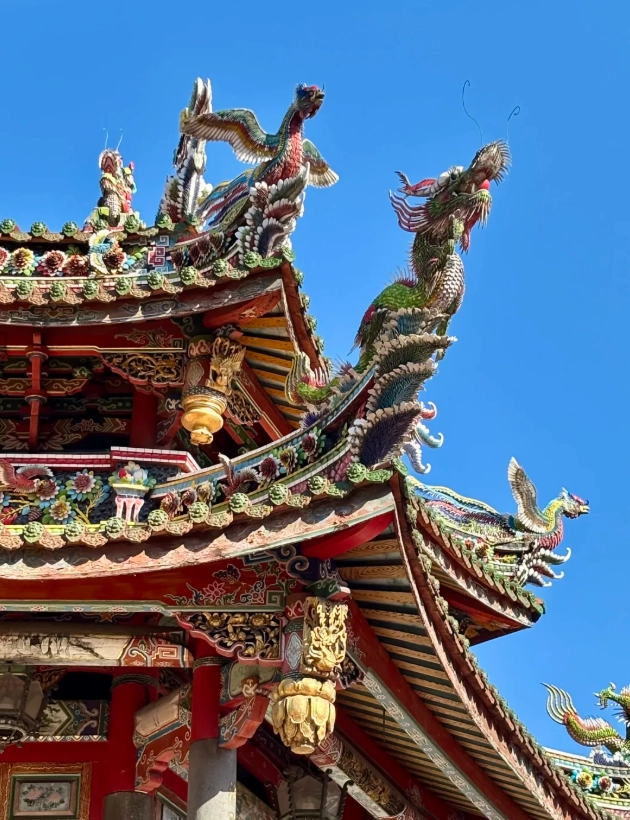
First Impression: Smoke, Noise, and Magic
Longshan Temple is not a quiet meditation zone. It's a chaotic, living temple where locals come to pray, chant, and burn ghost money. The air is thick with incense, the hallways are packed, and the sounds of wooden fish and chanting fill every corner. If you're unprepared, it can be overwhelming. But that's exactly what makes it authentic. My tip: enter through the side gate (not the main gate) to avoid the initial crush — the main gate is where tour groups pile up.
Quick Facts: Hours, Address, and Admission
| Detail | Information |
|---|---|
| Address | No. 211, Guangzhou St, Wanhua District, Taipei (Google Maps) |
| Hours | 6:00 AM – 9:45 PM daily (including holidays; no closing days) |
| Admission | Free — no ticket needed, no reservation required |
| Last entry | You can stay until 9:45 PM, but worshippers start clearing around 9:30 PM |
| Best metro exit | Longshan Temple Station (BL10), Exit 1 — walk 2 minutes |
How to Get to Longshan Temple
The easiest way is by metro. Take the Bannan Line (Blue line) to Longshan Temple Station. Take Exit 1, and you'll see the temple's ornate roof right ahead. It's a 2-minute walk straight down Guangzhou Street.
If you take a taxi, tell the driver "Longshan Si" (the Chinese name). From Taipei Main Station, it's about a 15-minute ride (around NT$150-180). Beware of traffic on weekends — the streets around the temple get jammed, especially during evening hours when the nearby Huaxi Night Market wakes up.
Driving yourself? Forget it. Parking is a nightmare. I've never found a spot within a 10-minute walk. Stick to the metro.
How to Pray at Longshan Temple (Step-by-Step)
Watching locals pray can be confusing. Here's the routine I teach my groups:
Step 1: Pick Up Incense (Free)
At the entrance, there's a table with bundles of incense. Take one bundle (usually 7 sticks for the main deities). No need to pay — it's included in your free entry. If you want to offer more, donation boxes are nearby.
Step 2: Light the Incense at the Main Burner
Use the candle flames provided. Never use your lighter — locals consider that disrespectful. Once lit, fan the flame with your hand (don't blow it out).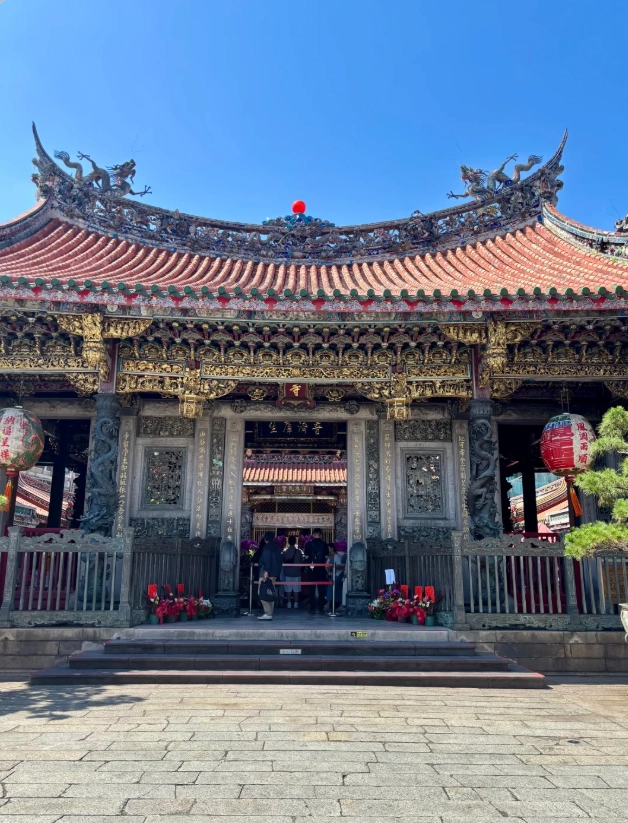
Step 3: Pray at Each Major Shrine
The temple is dedicated to multiple deities, mainly Guanyin (Goddess of Mercy), but also Mazu (Sea Goddess), Wenchang (God of Literature), and the Medicine Buddha. Go in order from the front hall to the back halls. Hold the incense with both hands, bow three times, state your name, residence, and request silently, then place the incense in the burner. The sequence: 1) Main hall (Guanyin), 2) Back hall (Mazu), 3) Left side hall (Wenchang), 4) Right side hall (Medicine Buddha). Usually 3 sticks per shrine.
Step 4: Use the Moon Blocks (If You Have a Decision)
Locals ask yes/no questions using red crescent-shaped blocks. Toss them; one curved side up and one flat side up means yes. Both flat means no. Both curved means laugh — try again. You can buy a set at the gift shop for about NT$50, or just watch.
Must-See Spots Inside the Temple
Even if you're not religious, the architecture is breathtaking. Here's what I always point out:
- The Seven-Star Lamp: In the main courtyard, a tall stone lamp with intricate carvings. It's a symbol of good fortune. Rub its base for luck (many locals do).
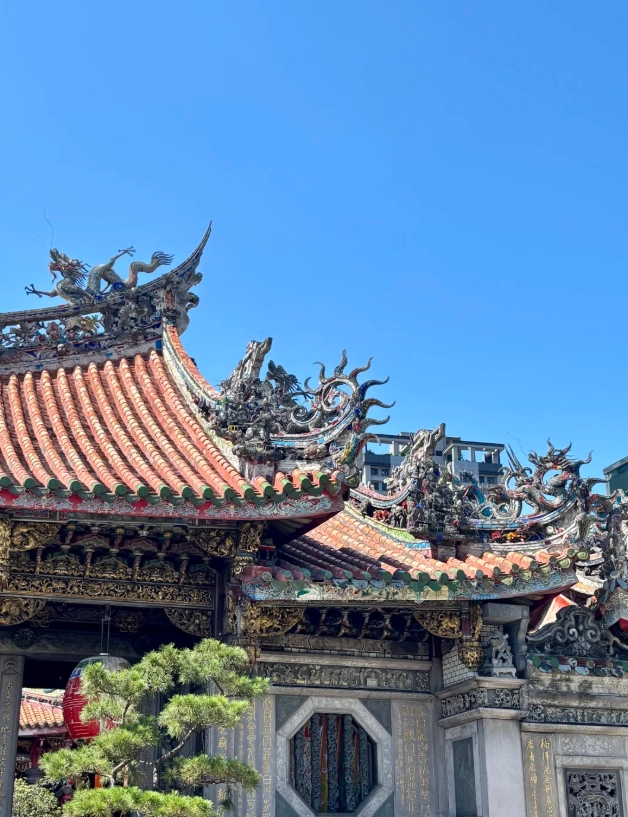
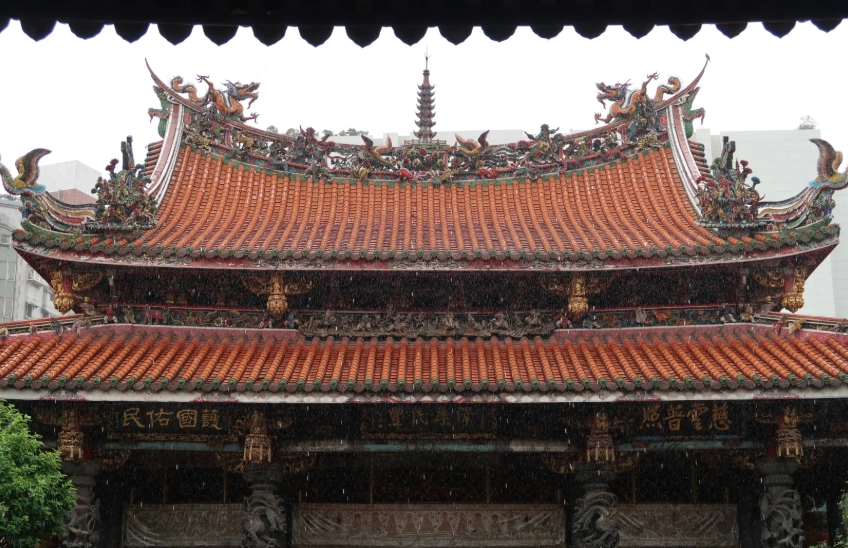
- The Dragon and Phoenix Carvings: Above the entrance doors, look for the dragons climbing columns and phoenixes on the roof ridges. The detail is insane — each scale and feather carved by hand.
- The Moon Pool: A small pond with turtles. Locals believe feeding turtles (buy food from a vendor outside for NT$20) brings longevity. But honestly, the water is murky — skip the feeding and just observe.
- The Bell and Drum Towers: At the sides, you'll see ancient bronze bells and drums. They're rung during festivals only.
- The Prayer Board Wall: Near the back hall, there's a wall covered with red paper slips — prayers from visitors. Read a few; some are touching (e.g., "Help my son pass the exam").
Best Time to Visit: Beat the Heat and Crowds
Here's a truth bomb: noon to 3 PM is a disaster. The courtyard gets direct sun, the incense smoke thickens, and tour buses unload. If you come then, you'll be baking and suffocating.
I always bring my groups either right after opening (6:30 AM – 8 AM) or after 5 PM. Early morning: cool air, few people, and you can hear the monks chanting. Evening: the temple lights up, the atmosphere is mystical, and the nearby night market is starting.
If you only have 24 hours in Taipei, I'd do this: 6:30 AM visit (45 minutes max), then quickly walk to Huaxi Night Market for breakfast before the heat kicks in.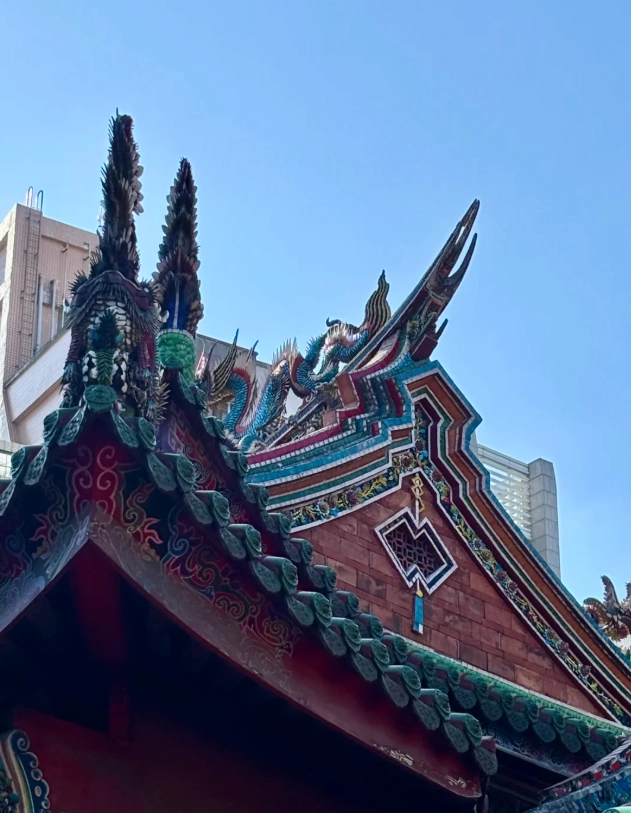
What to Do Around Longshan Temple
The temple sits in Wanhua, Taipei's oldest district. Don't just visit and leave — explore the neighborhood:
- Huaxi Night Market (Snake Alley): 2-minute walk from the temple exit. Famous for snake soup and medicinal stews. I never eat snake, but the herbal chicken stew (NT$120) is comforting. Open 4 PM – midnight.
- Bangka Old Street (Bopiliao): A preserved Qing dynasty street with red brick buildings and small museums. Free entry. It's a 5-minute walk east. Great for photos without crowds.
- Qingshui Temple: A smaller, quieter temple 10 minutes north. If Longshan is too wild, this is a peaceful alternative.
- Ximending: The shopping district is one metro stop away (or 15-minute walk). After the temple, head there for bubble tea, anime shops, and street food.





I've been living in Taipei for two years and thought I knew Longshan Temple well, but this guide still taught me new tricks. The advice about buying offerings from the stalls outside the east gate (cheaper and fresher!) saved me money and made my prayers feel more sincere. The section on how to join a temple procession without being intrusive was fascinating and helped me connect with the community. A must-read for anyone, from first-timers to expats.
Absolutely brilliant! As a solo traveler who gets anxious in big crowds, this guide gave me the confidence to tackle Longshan Temple without stress. The detailed map of the temple grounds with the 'quiet corners' marked was pure gold—I sat in the side garden for 20 minutes just listening to the monks chant. The author clearly knows the temple inside out. Every tip translated perfectly into my visit. Deserves all the stars.
Honestly, I expected more. The guide claims to help you pray 'like a local', but the actual prayer sequence felt rushed and the explanations on how to use the moon blocks and how to read the fortune sticks were way too brief. I ended up still confused and had to ask an actual local for help. Also, the crowd data seemed outdated—the temple was packed even at the suggested 'off peak' times. Not a total waste, but I'd look elsewhere for a thorough guide.
A solid read, but not perfect. The crowd-avoidance strategies are well-researched and the step-by-step prayer instructions are clear. I followed them and definitely felt less overwhelmed than my friends who went later. My only gripe is that the guide barely mentions the historical significance of the carvings and the main hall—would have loved a bit more context to deepen the experience. Still, for practical tips, it's a 4.
This guide was a lifesaver! I visited Longshan Temple during the Lunar New Year and the crowds were insane, but following the tips here (especially the early morning timing and the specific prayer route) made it feel like I had the place to myself. The local insights about which incense stations to skip and which to prioritize were spot on. Highly recommend for anyone who wants a peaceful, authentic experience without feeling like a tourist cattle.