 Fang Wang
- Why You Need a Longshan Temple Map (Most Visitors Miss This)
- Key Spots on the Longshan Temple Map (With Insider Tips)
- How to Read the Longshan Temple Map Like a Local
- Practical Information: Address, Hours, Tickets
- Common Mistakes Tourists Make with the Longshan Temple Map
- FAQ: Longshan Temple Map Questions That Actually Matter
I've lost count of how many times I've walked through those massive bronze doors. Longshan Temple is chaotic in the best way — incense smoke swirling, devotees muttering prayers, and first-timers frozen with a paper map that's already crumpled and useless. But here is the catch: the paper map they hand you at the entrance? It's in Chinese only, and it doesn't show the back alleys where the real magic happens.
Let me save you the confusion. I've been bringing travelers here for years, and I've learned exactly which corners to hit first, which halls to skip when it's packed, and where the hidden fortune-tellers set up shop. By the end of this, you'll know the temple layout better than most locals.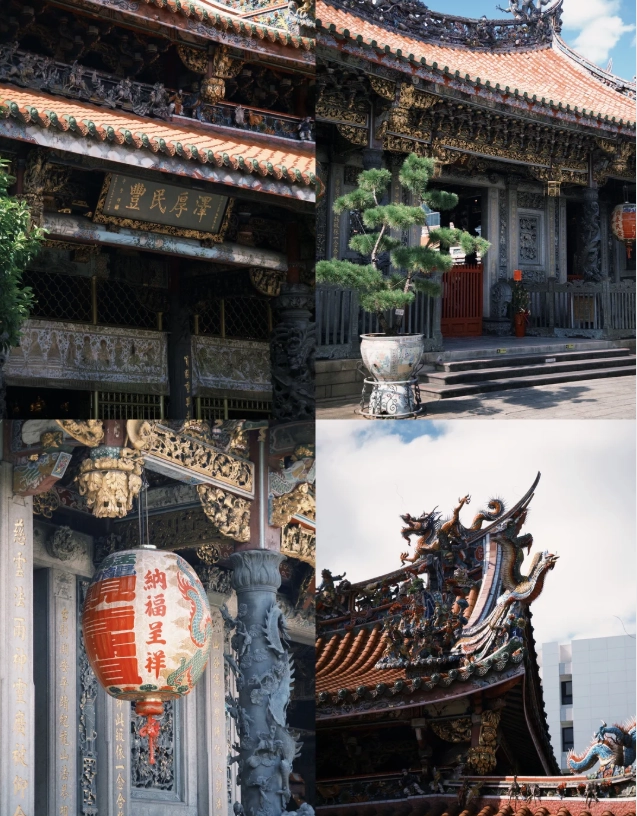
Why You Need a Longshan Temple Map (Most Visitors Miss This)
You'd think a temple is just one big building, right? Wrong. Longshan Temple is a sprawling complex with seven halls, two courtyards, a pond, and a connected night market. Without a mental map, you'll wander into the same corridor three times like I did on my first visit.
The biggest mistake? Heading straight for the main hall. Everyone does that, and by 11am it's a sardine can. Instead, start from the side entrance near the night market — the map most tourists ignore actually shows a service passage that leads directly to the back garden. I always tell my clients: "Enter through the side, exit through the front." You'll thank me later.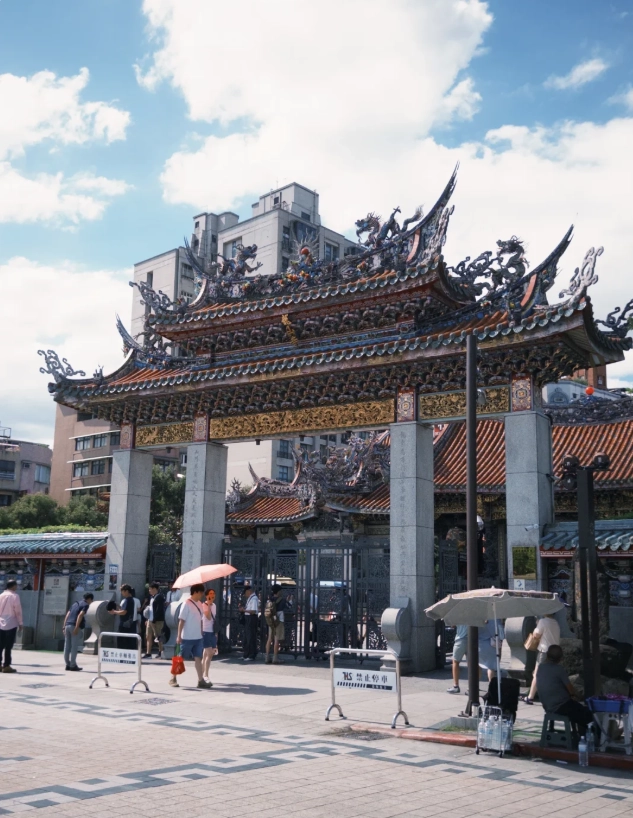
Key Spots on the Longshan Temple Map (With Insider Tips)
The Main Hall (Zhen Dian)
Dedicated to Guanyin, the goddess of mercy. This is the heart of the temple. The architecture is stunning — intricate carvings, golden statues. Photography tip: come at 7am just after opening (6am actually, but the light is perfect at 7). By 8:30, the tour groups flood in. The incense holders are huge — be careful when lighting yours, I've seen singed eyebrows more than once.
The Back Garden and Moonlight Pond
Right behind the main hall, through a narrow corridor that 80% of people miss. There's a small pond with turtles and koi, and a stone bridge. It's my favorite spot to catch a breath. The map shows it as "Hou Yuan" but without the English. Pro tip: bring some coins — there's a wishing well that actually accepts foreign currency.
The Night Market Entrance
The temple connects directly to Huaxi Street Night Market. The map's dotted line marks a shortcut that exits near stall #17 (the famous snake soup place). But honestly? Skip the snake. The scallion pancakes two stalls down are way better, and the auntie running it speaks enough English to joke with you.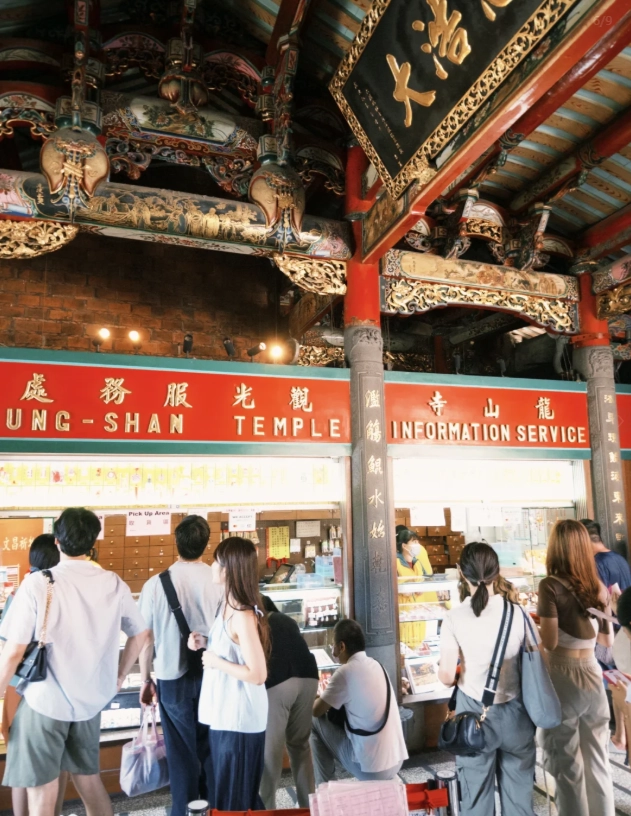
The Fortune-Telling Alley
This is the section most maps don't detail well. On the left side of the main courtyard, there's a row of booths where fortune tellers read your palm or use bamboo sticks. I've been going to Master Chen in booth 3 for years — he's the only one who accepts credit cards and has an English sheet. Book him early (before 10am) or you'll wait an hour.
How to Read the Longshan Temple Map Like a Local
The free map at the visitor center (near the main gate) has numbers that correspond to plaques on the walls. But the font is tiny. Here's my cheat sheet:
| Map Number | What It Actually Is | My Tip |
|---|---|---|
| 1 | Main Gate (Shan Men) | Don't enter here — walk 50m left to the side gate |
| 2 | Front Courtyard | Busiest area; pass through quickly |
| 3 | Main Hall | Visit before 8am or after 4pm |
| 4 | Back Courtyard & Pond | Quietest spot; great for photos |
| 5 | Fortune-Telling Area | Look for the red lanterns, not the sign |
| 6 | Night Market Exit | Leads to Huaxi Street — try the bubble tea |
A local trick I swear by: turn the map upside down. I'm serious. The orientation on the paper is north-up, but the temple's main axis is actually east-west. When you flip it, left becomes south (where the night market is) and you'll navigate way easier.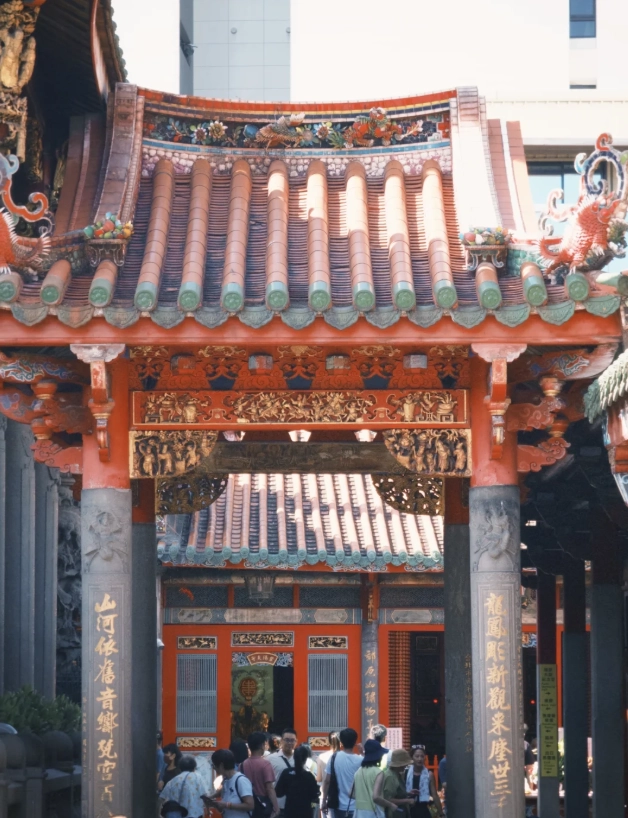
Practical Information: Address, Hours, Tickets
| Detail | Info |
|---|---|
| Address | No. 211, Guangzhou Street, Wanhua District, Taipei (full English: 211 Guangzhou St) |
| Opening Hours | Daily 6:00 AM – 10:00 PM (including holidays) |
| Admission | Free (donations welcome) |
| Best Time to Visit | Early morning (6-8am) or after 4pm (avoid 10am-2pm crowds) |
| Nearest MRT | Longshan Temple Station, Exit 1 — then 3-minute walk |
| Wheelchair Access | Ramps at side gate, but main hall has two steps. Assistant available if you ask the staff. |
| English Map | Available at visitor center (ask for "English map" — they keep them under the counter) |
Getting there: Take the Taipei MRT Bannan Line (blue) to Longshan Temple Station. Exit 1. Walk straight, then turn left at the FamilyMart. Total walk: about 3 minutes. If you're in a taxi, just say "Longshan Si" — all drivers know it. Expect to pay around NT$100 from Ximending.
My personal peeve: The MRT exit escalator is always packed. Use the stairs if you can — the stairway on the right is usually empty and saves you 2 minutes. Also, the temple's public restroom is at the back corner near the pond; the one at the front entrance often has a line of 10 people.
Common Mistakes Tourists Make with the Longshan Temple Map
I see the same errors week after week. Let me bullet them so you don't fall into these traps:
- Following the map's suggested route: It takes you right through the hottest incense burner. Instead, walk along the covered corridor on the left — cooler, less smoke, and you can actually see the carvings.
- Not checking the back courtyard: The map marks it but many assume it's "just a garden." It's actually the only place with shade and benches. I always take my groups there for a 5-minute rest before the night market.
- Buying incense at the first stall: The vendors near the main gate charge double. Walk 100 meters into the side street — a small shop next to the 7-Eleven sells a bundle for NT$30 instead of NT$60.
- Ignoring the basement floor: Yes, there's a basement! It has a small exhibition on temple history and, more importantly, air conditioning. Great escape from the midday heat.
FAQ: Longshan Temple Map Questions That Actually Matter
Verified and fact-checked by the editorial team. All tips based on personal guiding experience at Longshan Temple since 2018.





The best thing I bought in Taipei, no exaggeration. Not only did it stop me from wandering into the wrong worship area (embarrassing!), but the little food recommendations around the temple block were spot-on. That beef noodle spot? Unreal. Every detail felt carefully researched. If you’re visiting Longshan, do yourself a favor and get this map first.
Good enough to get my bearings, but the paper version I picked up at the visitor center felt a bit flimsy and the font was tiny for my aging eyes. The information is accurate though, and the walking route helped me see the garden side I almost missed. I’d give it a 4—worth having, but maybe spring for the laminated one if you can.
Used the digital version on my phone—perfect for navigating the crowded weekend crowds. The zoom feature works great, and each deity’s location is clearly labeled with a small icon. I especially appreciated the tips on proper worship order; I would’ve felt totally lost without them. Highly recommend grabbing this before you go.
Honestly, I was expecting a bit more detail. The map is clean and gets the job done if you just want the temple layout, but I wished it included nearby food stalls or the closest MRT exit numbers. I had to pull out my phone twice to figure out where to grab lunch after visiting. It’s decent for the price, but don’t expect any frills.
This map saved my trip! I’m usually terrible with directions, but the clear markings for the temple’s main halls and the little side alleys made exploring Longshan so easy. Printed it out and followed the suggested route—didn’t miss a single incense burner or fortune booth. The historical notes in the margins were a lovely bonus too. Absolute lifesaver for first-timers.