 Gang Zheng
What You’ll Find in This Guide
I still remember the first time I walked into the Imperial Palace of Manchukuo. I was frustrated. Every photo I’d seen online looked identical — the same angle of the Main Hall, the same garden shot. And I knew why: most visitors follow the same path, stick to the open areas, and leave when the light gets harsh.
But I’ve led over 100 tours here, and I’ve cracked the code. This guide will show you 5 secret spots that most tourists miss, plus the exact timing and logistics to make your photos stand out. No generic advice — just street-smart, tested tips.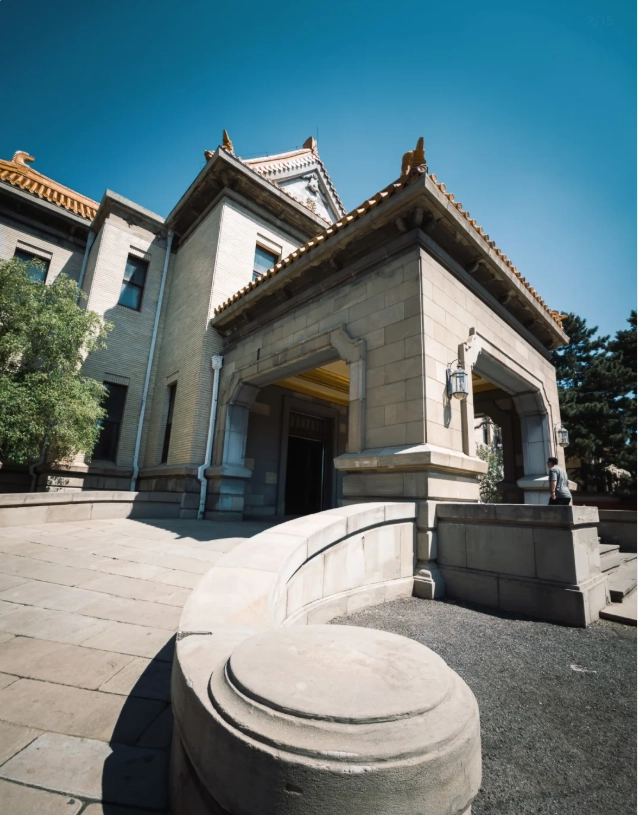
Why Most Tourist Photos Look the Same (and How to Fix It)
The palace is small — you can walk through the main buildings in an hour. But the real magic hides in the details. The problem? Everyone queues for the obvious shots: the front of Qinmin Building, the garden pond, the restored study. Then they leave.
Let me show you two spots that break the pattern.
The Golden Light Window Everyone Misses
Inside the East Wing, near the old reception room, there’s a tall window facing west. Around 3:30 PM in autumn, the light streams in at a diagonal, hitting the wooden floor. I discovered this on a rainy day — and now I always take my groups there. Pro tip: use a wide aperture and let the dust particles in the air catch the light. You’ll get that moody, almost cinematic shot.
The Empty Corridor Secret
Most tourists rush through the corridors connecting the buildings. But there’s one corridor near the back of the East Garden that has zero foot traffic. It’s covered, with tiled walls and a patterned floor. The light bounces evenly, making it perfect for portraits. And because it’s empty, you can shoot without strangers photo-bombing. I call it “the silent corridor.”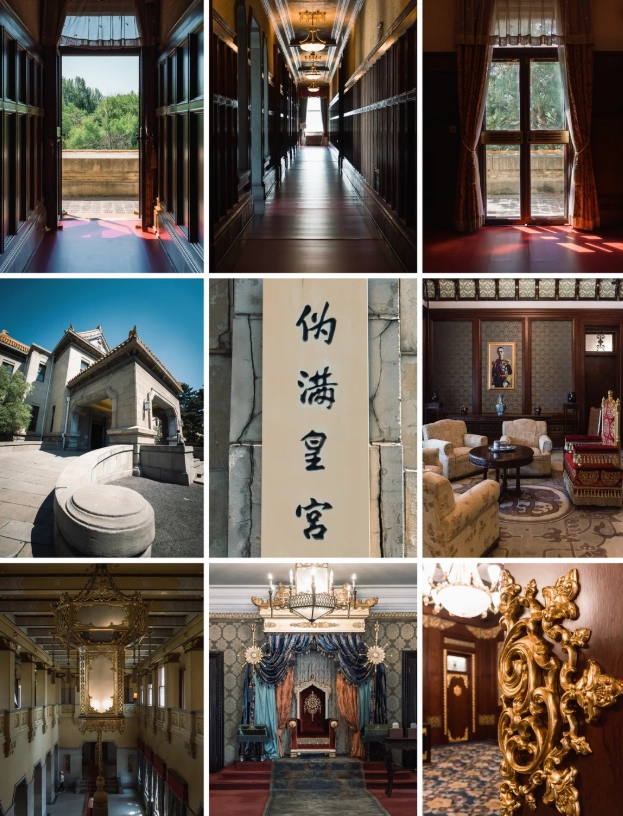
When to Shoot: Timing That Saves Your Sanity
Sunrise vs Sunset — the Clear Winner
Sunrise. Hands down. The palace opens at 8:30 (8:30 AM in summer, 8:30 AM in winter), which is early enough to catch the soft golden hour. But here’s the catch: sunrise in summer is around 4:30 AM — you can’t enter that early. So aim for the first hour after opening. From 8:30 to 9:30, the light is warm, the crowds are sparse, and you’ll have the main courtyard almost to yourself. Sunset, by contrast, is blocked by the city skyline and creates harsh shadows.
The Dead Zone You Must Avoid
11:00 AM to 2:00 PM is the absolute worst. The sun is overhead, creating deep shadows under the eaves and washing out colors. Plus, the crowds peak between 10:30 and 1:30, especially on weekends. If you only have the afternoon, come at 2:30 PM — the light starts to slant again, and the tour groups begin to thin out.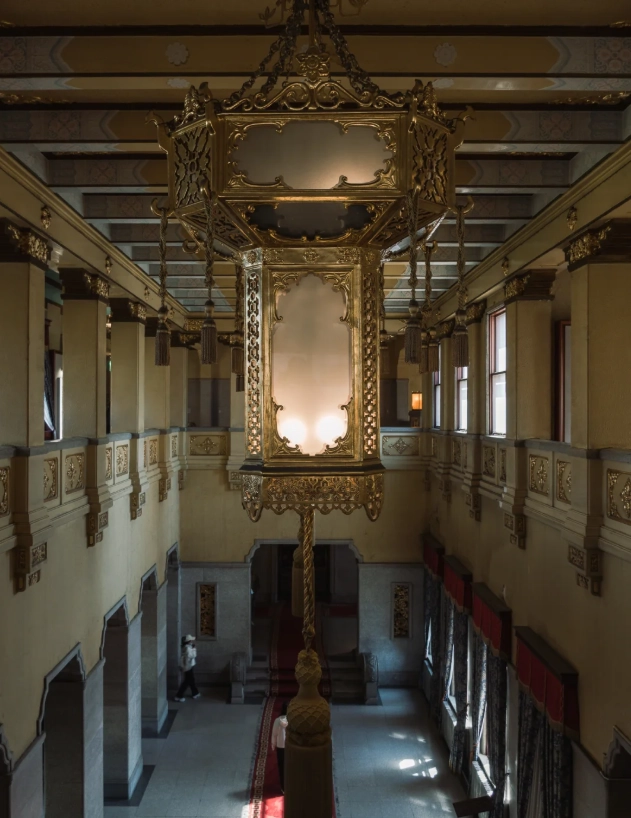
Essential Logistics Before You Click
Ticket Purchase — Don’t Get Stuck at the Gate
You cannot buy tickets at the main counter with a foreign credit card. Period. The only way is through the official WeChat mini-program (search “伪满皇宫博物院” in WeChat). If you don’t have WeChat Pay, ask your hotel concierge to help you book. Alternatively, you can use Trip.com or Klook — they sell the same ticket with a small markup. Price: 30 RMB for adults, 15 RMB for children/seniors (65+). I’ve watched too many foreigners walk up to cashier and leave defeated. Don’t be that person.
Getting There — Two Hacks Most Guides Don’t Tell You
Address: No.5 Guangfu North Road, Kuancheng District, Changchun.
Option 1: Metro line 1 to Changchun Station, then transfer to Light Rail Line 3 to “Weiman Huanggong” station. Exit from Gate A, walk 5 minutes north. You’ll see the palace walls.
Option 2 (my favorite): Take bus 264 from the city center to the “Guangfu Road” stop. Walk 200 meters east. This bus goes through old Changchun — I always tell my guests to look at the Soviet-era architecture along the way.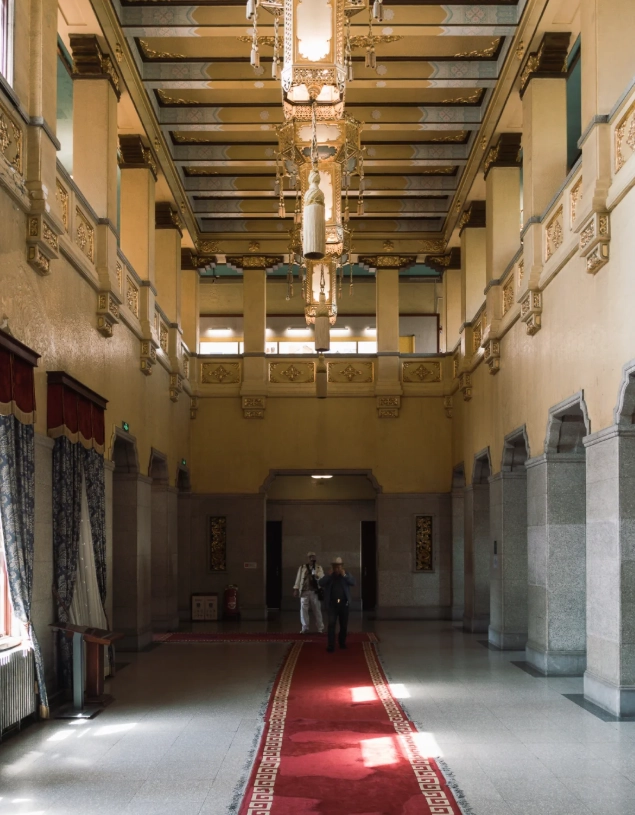
What to Bring (and What to Leave at Hotel)
Bring: a wide-angle lens (16-24mm) for the indoor halls; a tripod if you want the underground bunker (it’s extremely dark); a bottle of water (there’s only one vending machine near the exit). Leave: large backpacks (they’re not allowed in some exhibition rooms — lockers are available but small). Also, sunblock? Not needed in the winter, but summer is brutal — the courtyard has zero shade.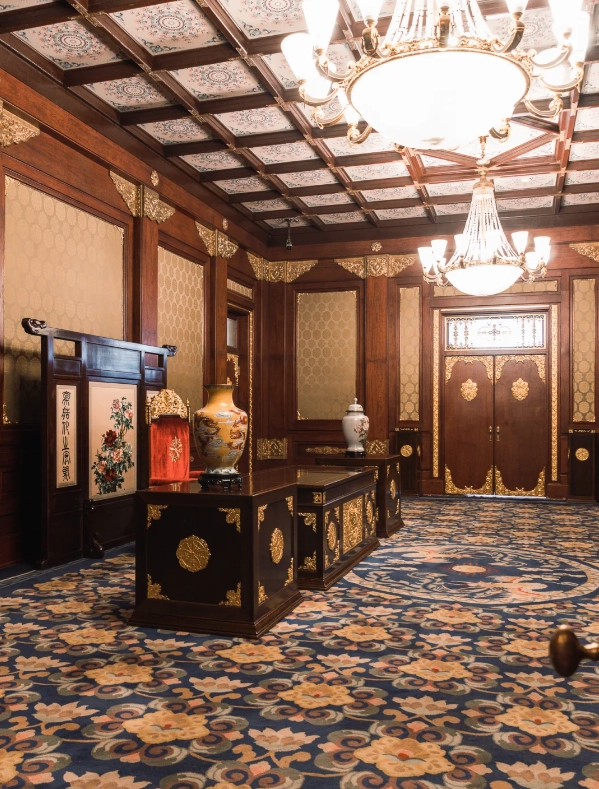
Top 5 Photography Spots Ranked by a Local Guide
| Rank | Spot | Best Time | Why It’s Great | Pitfall |
|---|---|---|---|---|
| 1 | Main Hall (Qinmin Building) | 8:30-9:30 AM | Classic facade with symmetrical columns; front lawn gives leading lines. | Gets busy by 10 AM; tripod not allowed inside. |
| 2 | East Garden Corridor | Any time except noon | Empty, covered light; perfect for portraits and detail shots. | Easy to miss if you don’t walk all the way to the back. |
| 3 | Rear Garden Pond | Morning | Reflection of the pagoda in water; lily pads in summer add color. | Overhead wires are visible — crop them out in post. |
| 4 | Underground Bunker | Anytime (indoor) | Eerie atmosphere with original propaganda murals; sounds of dripping water. | Extremely dark — ISO 3200 minimum; no flash allowed. |
| 5 | Inscribed Stone Path | Late afternoon | Stones with faded Japanese characters; long shadows create texture. | Path is short; need low angle to fill the frame. |
1. The Main Hall (Qinmin Building)
You can’t skip it. The challenge is avoiding other tourists. My trick: stand at the far left of the front lawn, use a 24mm lens, and shoot slightly upward to exclude the ground-level crowd. If someone is in the frame, wait 30 seconds — groups move fast. The interior is disappointing for photos (dim light, no flash), but the entrance hall has a nice chandelier.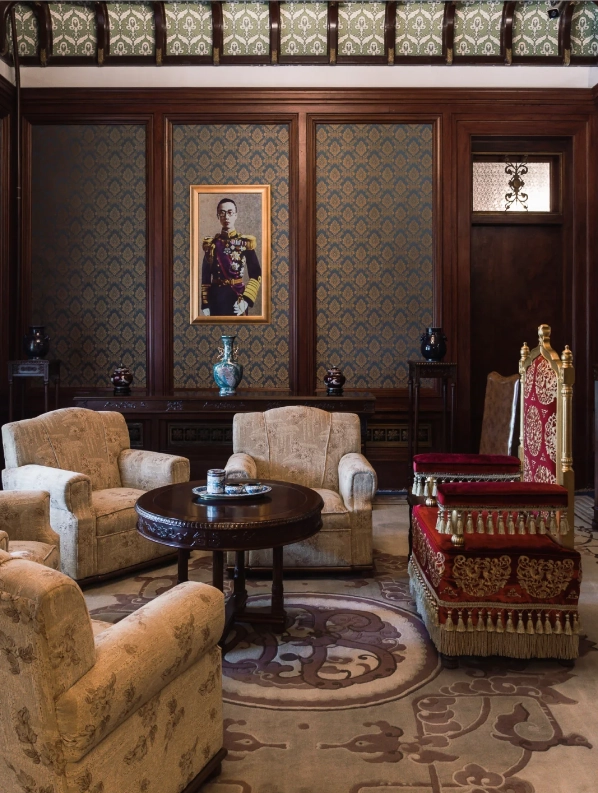
2. The East Garden Corridor
This is my secret weapon. Walk past the main hall, through the second courtyard, and turn right into a narrow corridor with ceramic tiles. No one goes there because it’s not on the main route. The walls reflect warm light, making skin tones look natural. I always position my subjects in the middle of the corridor, facing the light source (a small window at the end).
3. The Rear Garden Pond
Most people photograph the pond from the shore. Instead, climb the small stone bridge that crosses it — you’ll get a higher perspective that includes the reflection and the surrounding willow trees. Watch out for mosquitoes near the water in summer.
4. The Mao-style Underground Bunker (Yes, Really)
During the Japanese occupation, an air-raid shelter was built. It’s now open to the public. The bunker is a narrow, damp tunnel with old propaganda slogans painted on the walls. My tip: bring a fast prime lens (35mm f/1.8 or similar) and brace yourself against the wall — tripod is technically allowed but the ground is uneven. The best shot is looking down the tunnel with the exit light at the end.
5. The Inscribed Stone Path
Near the exit of the East Garden, there’s a short path made of stones with carved Japanese characters from the 1930s. In late afternoon, the low sun casts long diagonal shadows across the stones. Crouch down and shoot at knee level — the texture pops.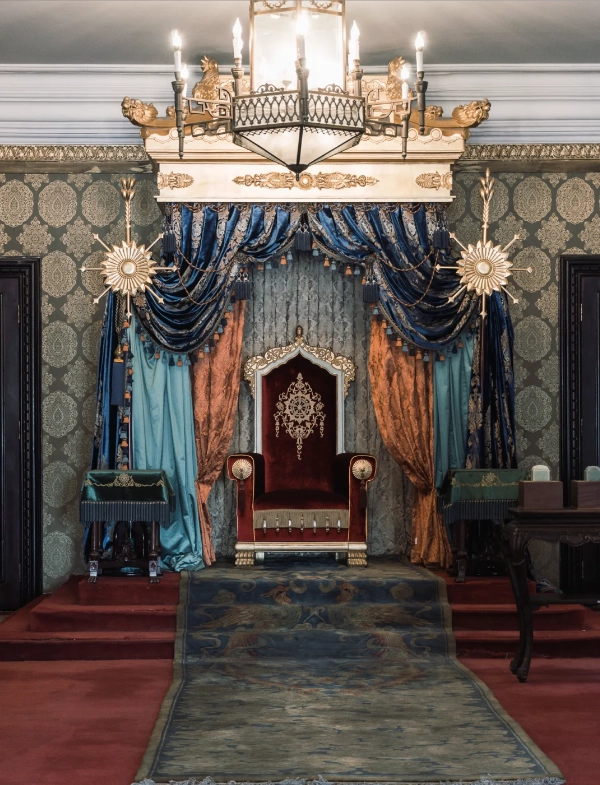
Insider Tips That Save You Time and Frustration
Security Check Pain — Choose the Right Gate
The South Gate (main entrance) has a single-file security checkpoint. On weekends, the line snakes through the parking lot. I always tell my guests to use the West Gate (about 200 meters left of the main gate). It’s smaller but rarely busy. The guard there is also more lenient about water bottles.
WeChat Payment Nightmare — What to Do
Yes, navigating the WeChat mini-program in pure Chinese is a nightmare even for me. But don’t panic. Just ask your hotel receptionist to help you buy the ticket — they’ll do it in 2 minutes. Or use Trip.com (search “Imperial Palace of Manchukuo Ticket”) — they charge 1 RMB extra but accept international cards. Avoid buying from scalpers near the gate — I’ve seen people pay 100 RMB for a 30 RMB ticket.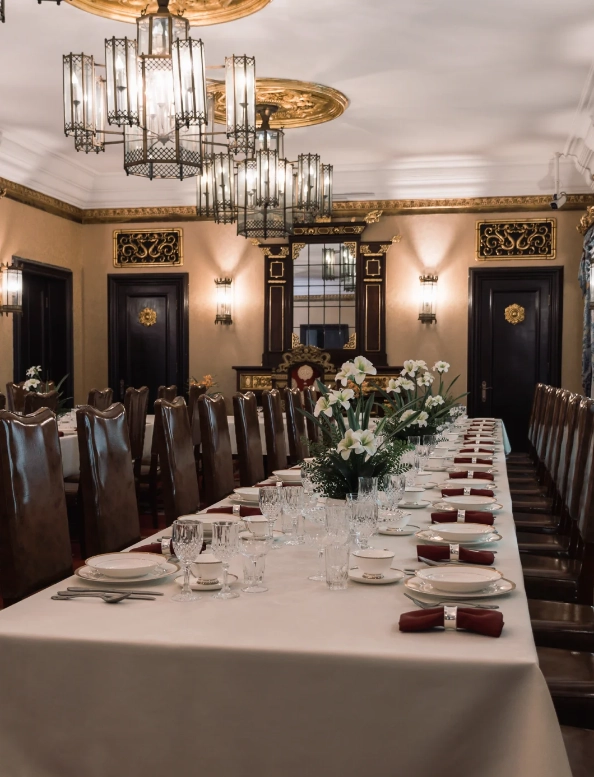
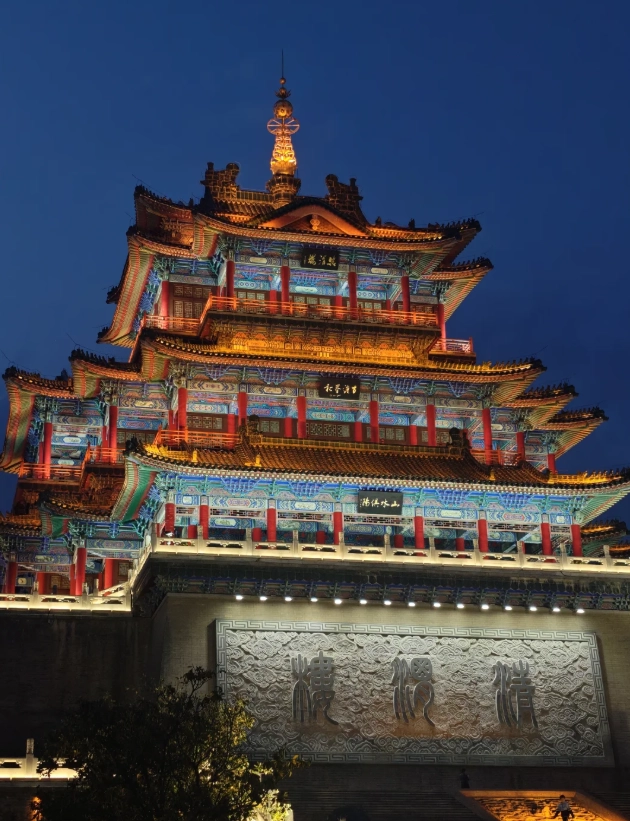
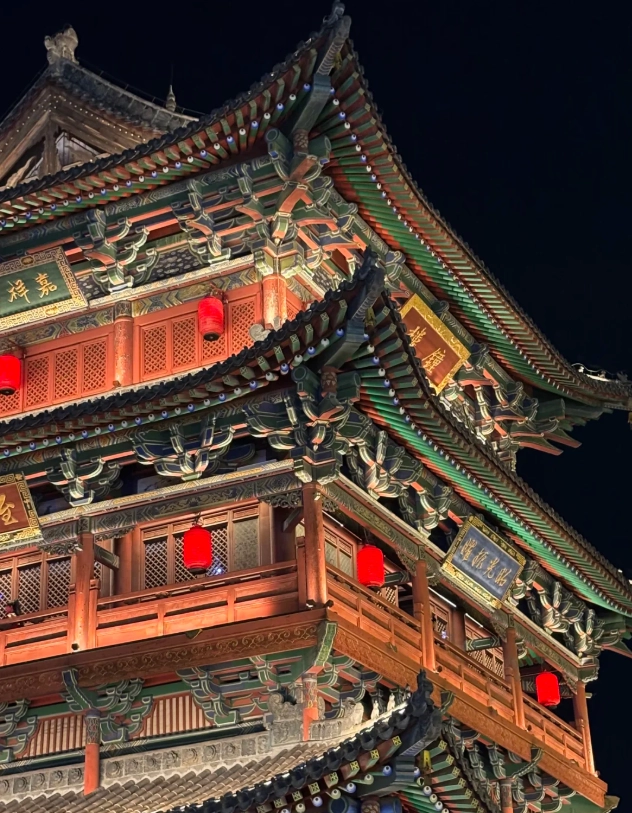
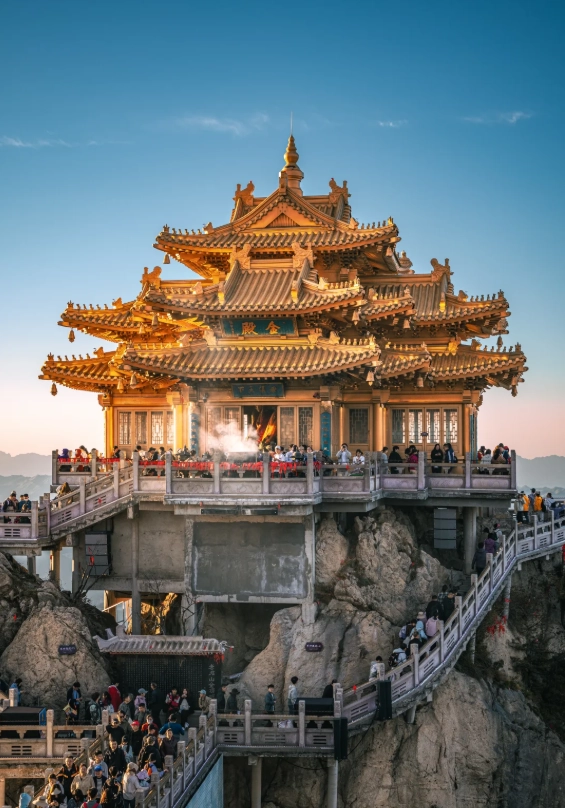





Best photography investment this year. The fifth spot is a small hidden staircase that leads to a rooftop view—completely empty when I went. The contrast between the old Manchurian architecture and the modern city behind makes for a killer composition. Already planning my second visit with a tripod.
Incredible find! The angle from the garden gate looking back at the palace with the cherry blossoms framing the shot was absolutely breathtaking. I’m not even a pro, but my Instagram got flooded with likes. Every spot on the list was accessible and clearly marked. Bring a wide lens for the throne room—trust me.
Totally worth the trip! The secret angle inside the abandoned office (third one on the list) gave me the most dramatic shadows I’ve ever captured. Felt like stepping back in time. The staff even let me stay a few extra minutes near closing to get the perfect shot. If you love historical architecture photography, this is paradise.
Got some really nice shots from the second-floor balcony overlooking the main courtyard—total golden hour magic. The angle from the old fountain base gave a great reflection too. Only reason I’m not giving full marks is the lighting inside was tricky and there were quite a few tourists blocking the best spots. Still worth it for the unique perspective on the palace.
Came here hoping to find some cool hidden spots for photos, and honestly, the fifth angle listed in that guide (the side hallway with the old tiles) was already roped off. Pretty disappointing since that was the main reason I bought the ticket. The other four angles were okay but nothing mind-blowing. If you’re a serious photographer, maybe skip it.