 Jing Song
Quick Find — What’s Inside
I’ve been guiding travelers through Changchun for years. The first time I tried to find all eight government buildings from the Manchukuo era, I ended up walking in circles near a hospital. Not fun. But after dozens of trips, I’ve nailed down the exact route — and I’m going to share it with you so you don’t waste time.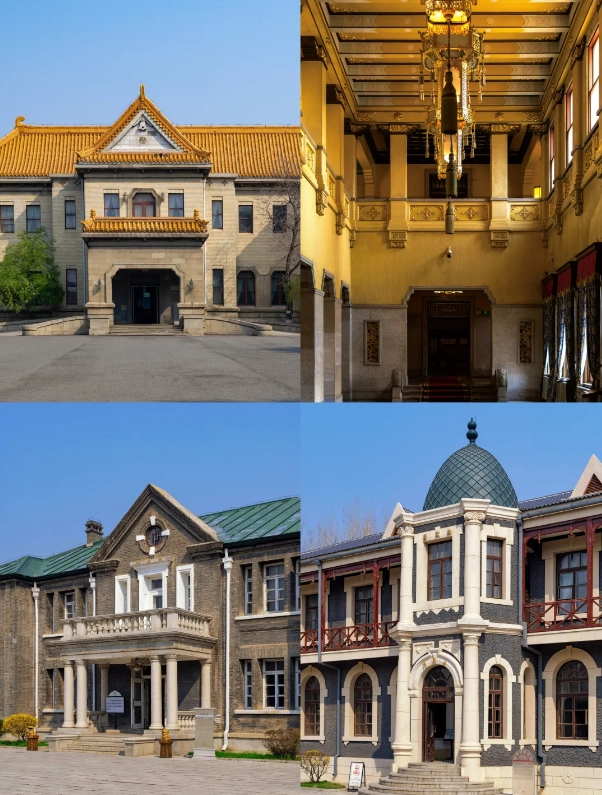
What Are the Eight Departments of Manchukuo?
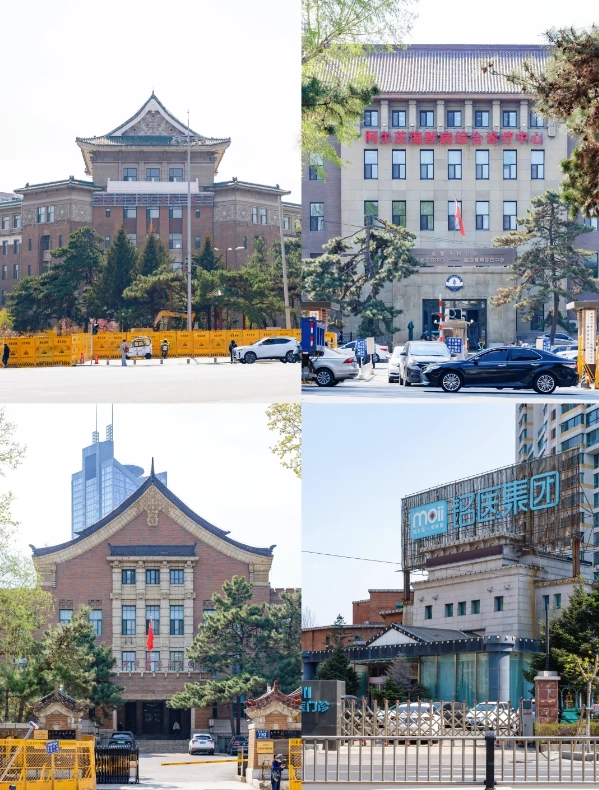
Back in the 1930s, the puppet state of Manchukuo was run from Changchun (then called Xinjing). The regime built eight ministry buildings: General Affairs, Civil Affairs, Foreign Affairs, Finance, Education, Military, Justice, and Agriculture & Industry. Most are still standing today — some are universities, hospitals, or government offices. You can’t always go inside, but the exteriors are stunning examples of 1930s Japanese-Meets-European architecture.
Pro tip: The Military building (now part of a hospital) has the most Instagram-worthy facade — go in late afternoon when the light hits the stone pillars.
Location & How to Get There
All eight buildings are concentrated within a 3 km radius around People’s Square (Renmin Guangchang) and Culture Square. Here’s the breakdown:
| Building (Original Name) | Current Use | Address | Public Transport |
|---|---|---|---|
| General Affairs Office | Jilin University campus | 2699 Qianjin Street | Metro Line 2, Culture Square Station (Exit C) |
| Civil Affairs Department | Jilin Provincial Government building | 155 Ziyou Road | Bus 13, 256 to Ziyou Road stop |
| Foreign Affairs Department | Changchun Foreign Affairs Office | 80 Xi’an Road | Metro Line 1, Renmin Square Station (Exit B) |
| Finance Department | Bank of China branch | 112 Jiefang Road | Bus 6, 66 to Jiefang Road stop |
| Education Department | Jilin Provincial Library (old building) | 66 Tongzhi Street | Metro Line 2, Culture Square Station (Exit A) |
| Military Department | Jilin University First Hospital | 71 Xinmin Street | Metro Line 1, Renmin Square Station (Exit D), then walk 10 min |
| Justice Department | Changchun Intermediate Court | 600 Xi’an Road | Metro Line 1, Renmin Square Station (Exit C) |
| Agriculture & Industry Department | Research institute, not open to public | 3199 Renmin Street | Bus 160, 277 to Renmin Street stop |
Most are within walking distance from each other. I suggest renting a bike or using Didi (Chinese Uber) between clusters. The subway is clean and cheap — a single ride costs around 2 RMB.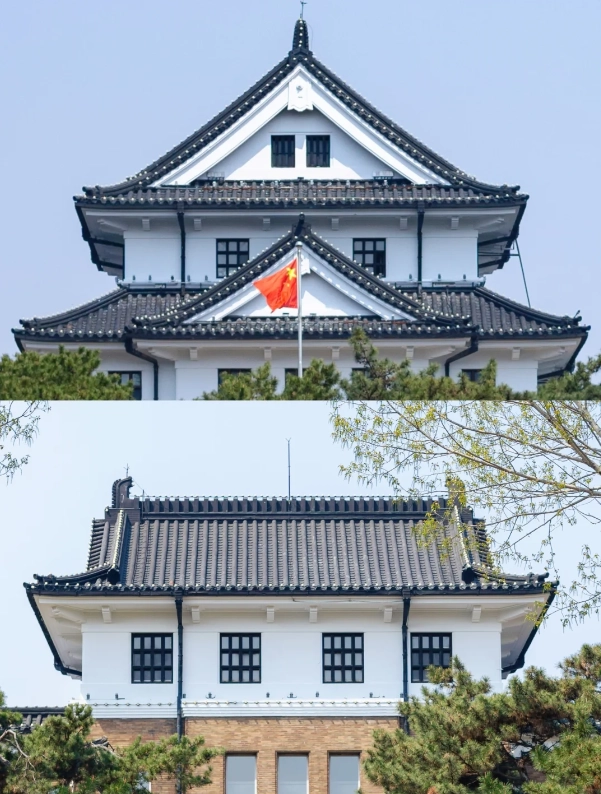
Tickets & Opening Hours
Here’s the catch: most of these buildings do not require a ticket because they’re active workplaces. You can freely walk around the outside. For the ones that allow interiors (like the old Education building which now has a public library section), hours vary:
- General Affairs Office (campus): Open campus, 24/7. Library inside open 8:30–17:00. Free.
- Military Department (hospital): Public hospital, access to hospital grounds 24/7. The historical facade is behind the main building — look for the old stone entrance.
- Education Department (library): 9:00–17:00, closed Mondays. Free entry with ID (passport works).
- Finance Department (bank): Bank hours 9:00–17:00 weekdays. You can step into the lobby to see the original interior — just be respectful.
Everything else is exterior only. No ticket needed — just show up.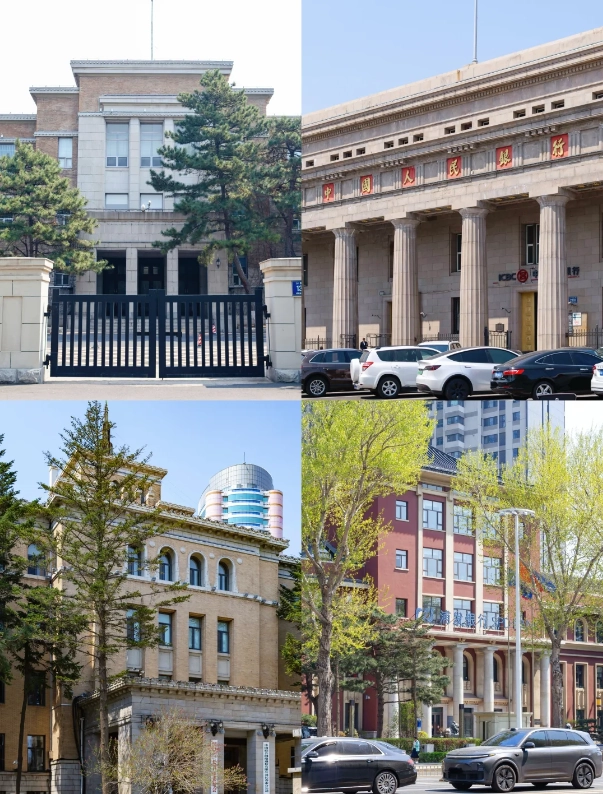
Payment: For the few paid spots like the library, Chinese mobile payment (WeChat/Alipay) is king. But they accept cash too — I’ve paid with 20 RMB notes before.
Step-by-Step Visit Plan (Half-Day)
8:30 – Start at Culture Square
Grab a coffee from Pacific Coffee (west side of the square). Then walk to the Education Department (3 min).
9:00–9:40 – Education Building (Library)
Go inside the old reading room. The ceilings are original art deco. No one will bother you if you snap a few photos.
9:45–10:15 – General Affairs Office
Just across the street. Walk around the university campus. The building has a massive Soviet-style frontage.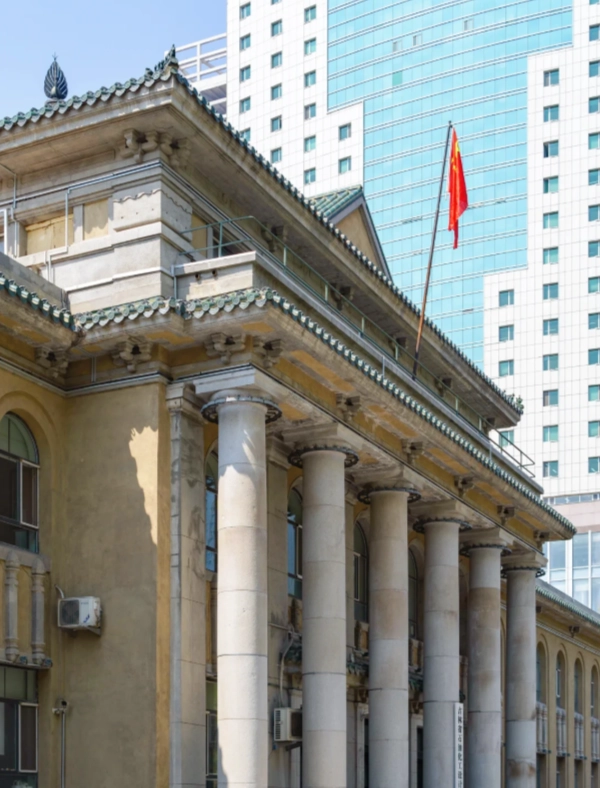
10:20–10:45 – Civil Affairs Department
15-minute walk south. This one is a government office — you can only see the outside. The columned entrance is impressive.
11:00–11:30 – Finance Department (Bank)
Take Didi (10 RMB) or walk 20 min. Go inside the bank lobby to see the original marble floors and brass teller counters.
12:00 – Lunch near Renmin Square
Try Dongbeiren Jiazi Restaurant ( 178 Renmin Street). Their pork and chive dumplings are legendary — 28 RMB for 12. I always order the fried eggplant too. Wait time at noon can be 20 min.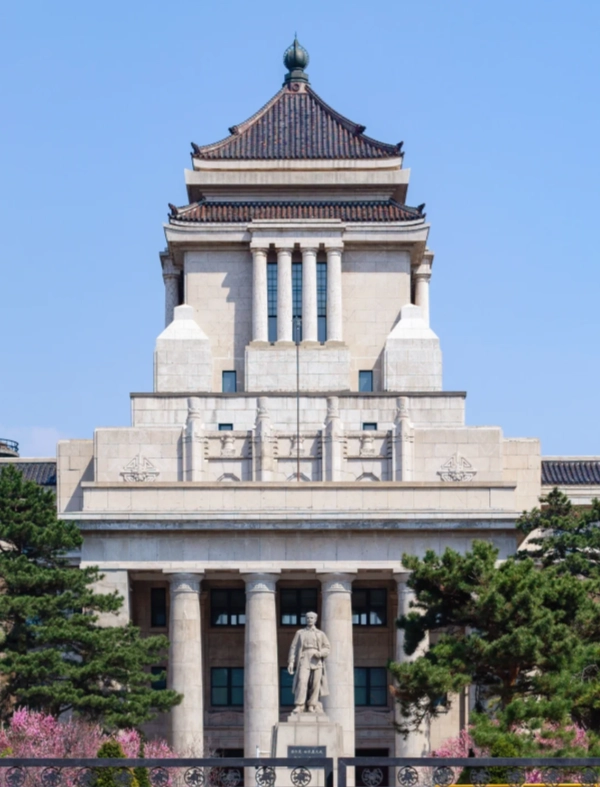
13:30–14:00 – Foreign Affairs & Justice Departments
Both on Xi’an Road, 5 min apart. Quick photo stops.
14:15–14:45 – Military Department
Walk 10 min from Justice. Enter the hospital grounds (north gate). The old military headquarters is behind the modern building — look for a grey stone structure with arched windows.
15:00 – Wrap up at Agriculture building (fence view)
If you have energy, take Didi (8 RMB) to the Agriculture building. Not much to see, but you’ll have visited all eight.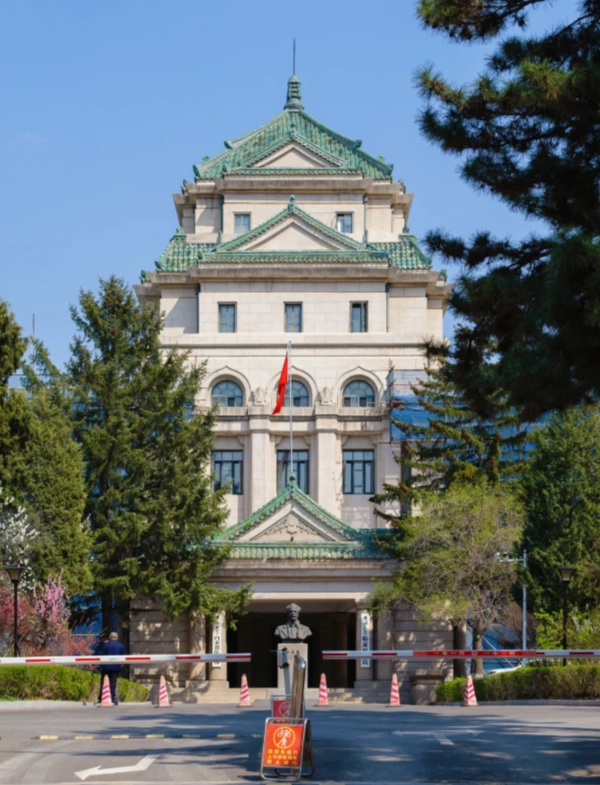
Photography tip: The Military building facade faces east. Morning light is best — my 8:30 start suggestion means you’ll miss that. If you’re a photographer, swap the order: hit Military first at 8:30, then do the rest in reverse.
Tips for Foreign Travelers
- Payment: Almost all shops and taxis accept WeChat Pay or Alipay. International credit cards work only at major hotels and a few restaurants. Carry 200–300 RMB in cash for small purchases.
- Language: English is scarce. Use Google Translate or a phrasebook. Save the Chinese names of the buildings on your phone.
- Wi-Fi: Free Wi-Fi is available in coffee shops (Starbucks, Pacific Coffee) and the library. You need a Chinese SIM for constant connection — buy one at the airport (China Unicom booth, about 100 RMB for 10GB).
- Security: These are government buildings. Avoid taking photos of guards or sensitive areas. Stay on public sidewalks.
- Dress code: Modest clothing. No shorts for men inside the bank or library.
FAQ — Questions from Real Travelers
Verified and fact-checked by the editorial team. This content has been fact-checked to ensure informational precision.





Read this cover to cover on the train from Dalian to Harbin. It’s well-researched and the organization by department makes planning easy. I appreciated the tips on which buildings still have original interiors versus those that are now museums. Only downside: no digital maps for offline use. But overall, a fantastic resource that made my trip much more meaningful. Five stars.
I bought this guide just before my solo trip to Changchun and Shenyang, and it exceeded all expectations. The descriptions of the former Manchukuo government buildings are vivid, and the walking directions are spot-on. Even the little anecdotes about Japanese and Manchu officials made the history come alive. Absolutely essential for historical travelers — five stars without hesitation.
This guide is a gem for anyone fascinated by Manchukuo's architecture and political history. The author clearly knows the subject well, and the suggested itineraries helped me cover four departments in two days. I only wish there were more recommendations for local food stops near each site. Still, a solid read and a great companion for a niche trip. Four out of five.
Honestly, I was hoping for more practical tips like current opening hours and entry fees. The guide gives great background on the eight departments, but it feels a little academic. A few of the locations I tried to visit had changed names or were closed for renovation—so some info is outdated. It’s useful if you’re a history buff, but for a casual traveler it might be a bit dry. Three stars from me.
I picked up this guide before my trip to Harbin and it turned out to be surprisingly detailed. The walking routes for each department are well laid out, and I loved the historical side notes. One minor issue: the map quality in the PDF version is a bit blurry when zoomed in. Still, it saved me a ton of research time. Highly recommended for anyone wanting to dig deeper than the usual tourist spots.