 Gang Zheng
Quick Navigation
I’ve taken dozens of first-time visitors to Jingyuetan National Forest Park over the years. And every single time, someone says the same thing: “I wish I’d known this before coming.” So let me save you the hassle. Here’s exactly how to visit Jingyuetan National Forest Park—the real way, not the tourist brochure version.
First off, forget what you read on generic travel sites. Most of them tell you to spend the whole day inside. That’s overkill unless you’re an ultra-marathon runner. The sweet spot? Half a day. Start early, take a short hike, rent a bike around the lake, and you’re done by lunch. I’ll break it all down below.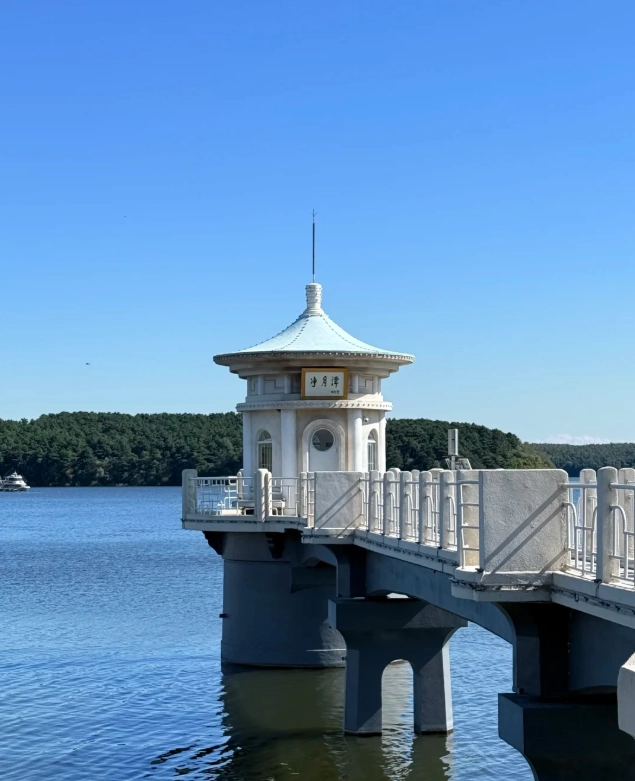
Why Go to Jingyuetan National Forest Park?
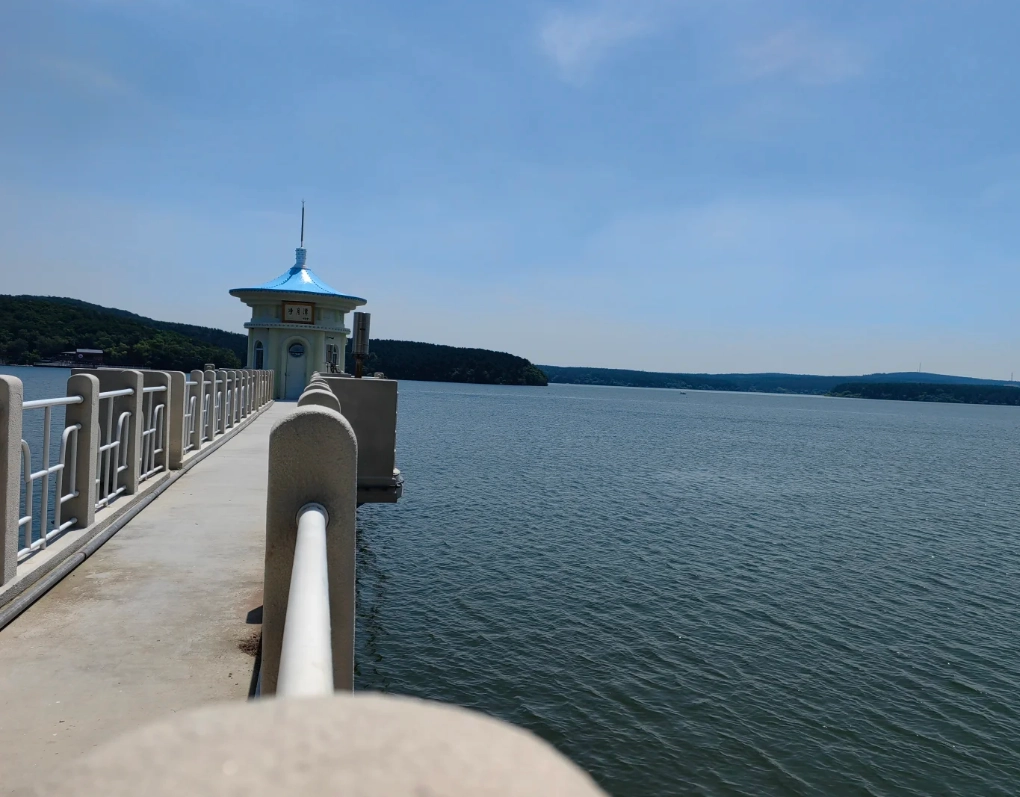
Jingyuetan (literally “Mirror Lake”) is the lungs of Changchun. It’s a massive forest park centered around a pristine lake, with hiking trails, a ski slope in winter, and a surprising number of hidden temples. It’s the kind of place where locals go to escape the city buzz. For travelers, it’s a perfect half-day nature fix without leaving the city.
But here's the thing: the park is huge—about 2.5 times the size of New York’s Central Park. You can’t see it all in one trip. So you need a strategy. That’s why I’m writing this.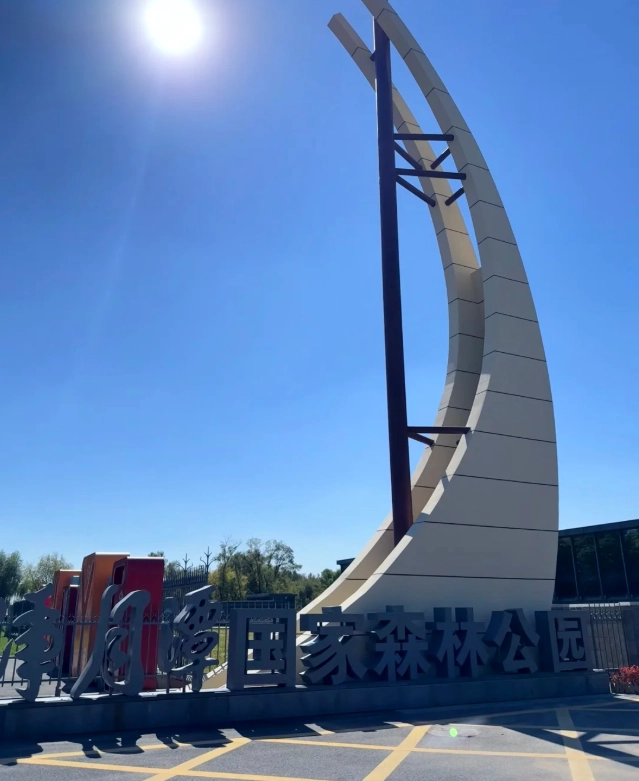
How to Get There
Getting to Jingyuetan is easier than you think. Most of my clients worry about translation issues, but honestly, it’s straightforward.
By Subway (recommended): Take Line 3 (light rail) to Jingyuetan Park Station. Exit from Gate B. You’ll see the north entrance right ahead—less than a 2-minute walk. The ride from Changchun Railway Station takes about 40 minutes. Cost: around 5 RMB.
By Taxi / Didi: From downtown, it’s 20–30 minutes depending on traffic. Expect to pay 30–50 RMB. Show the driver this: “净月潭国家森林公园” (Jingyuetan National Forest Park). Make sure they take you to the main gate if you want to start near the lake. The east gate is far from everything but good for hiking.
By Bus: Bus 102, 120, 160, or 335 all stop near the park. Get off at Jingyuetan (净月潭) stop. Then it’s a 10-minute walk to the entrance. Not my favorite option—buses can be crowded—but it works.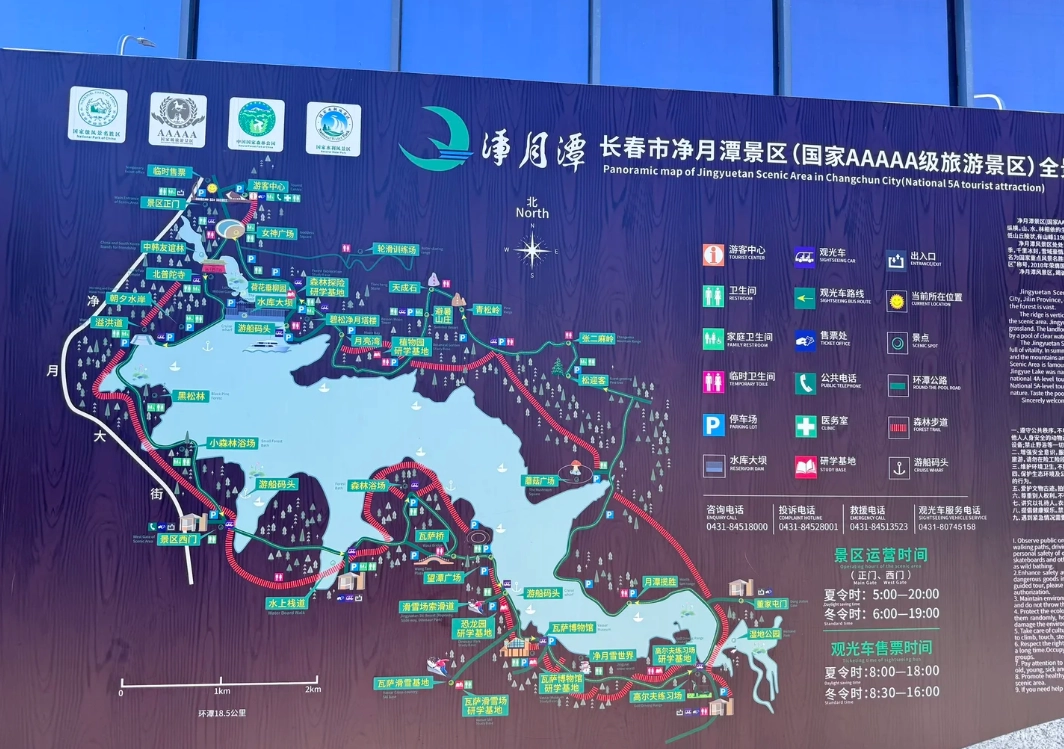
Tickets & Opening Hours
Here’s the stuff that usually trips people up.
| Item | Details |
|---|---|
| Regular Ticket (Adult) | 30 RMB (approx. $4.20) |
| Senior (65+) | Free with ID / passport |
| Children (6-18 or under 1.2m) | Half price (15 RMB) or free for under 1.2m |
| Student (full-time) | Half price with valid student ID |
| Opening hours (peak May-Oct) | 6:00 AM – 8:30 PM (last entry 7:30 PM) |
| Opening hours (off-peak Nov-Apr) | 7:00 AM – 7:00 PM (last entry 6:00 PM) |
| Ticket purchase | Buy at gate (cash, WeChat, Alipay) or online via WeChat mini-program “净月潭” (Chinese only) |
Note: International credit cards are not accepted at the gate. Bring cash or have Alipay/WeChat Pay set up. If you don’t have Chinese mobile payment, bring enough cash (100 RMB is plenty for one person).
And here’s a mistake I see all the time: people try to buy online through the official WeChat mini-program, but it’s all in Chinese and requires a Chinese phone number. Don’t bother—just buy at the entrance. The queue is usually fast, except during national holidays (Golden Week, May Day). Avoid those days if you can.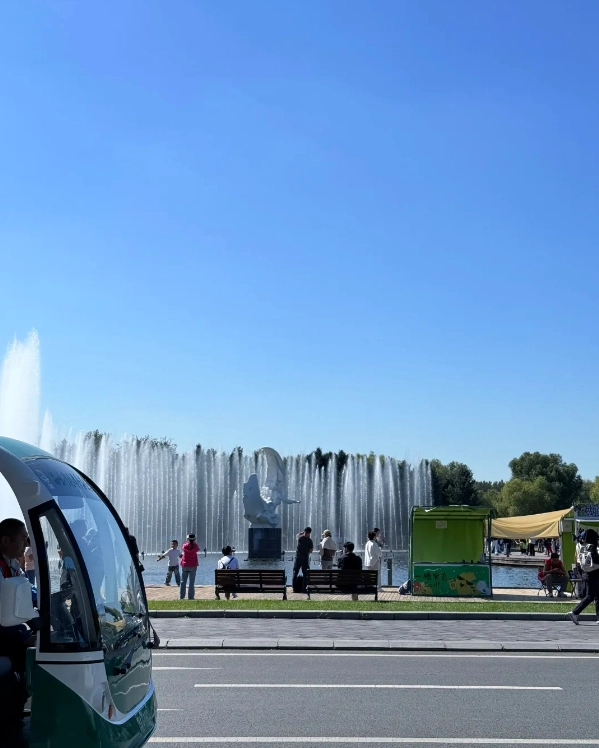
Best Trails & Routes
The park has one main loop road around the lake (about 15 km / 9.3 miles). You can walk, bike, or take the sightseeing bus. Here’s what I tell my clients: pick one or two sections, not the whole loop. You’ll thank me later.
Route 1: The Classic Lake Walk (Easy, 3 km)
Start from the west gate. Walk along the lake toward the north. You’ll pass the iconic “Moon and Sun” stone bridge and get perfect views of the water. This stretch is flat, shaded, and takes about 40 minutes at a leisurely pace. Great for families or anyone wanting a simple stroll.
Route 2: The Forest Hiking Trail (Moderate, 5 km loop)
Find the trailhead at Jingyuetan Ski Resort area (near the middle of the north side). It climbs gently through pine and birch forest. You’ll reach a small viewing platform after 2 km. Reward: a panoramic shot of the lake below. Total loop time: around 1.5 hours. Watch your step—some roots can trip you up.
Route 3: The Mountain Temple Detour (Easy, 1 km)
Not many tourists know about this. Hidden in the southern part of the park is a small Buddhist temple called Puzhao Temple. It’s not grand, but it’s quiet and gives a cultural break. The walk from the main road is a gentle 500-meter path through bamboo. Takes 15 minutes.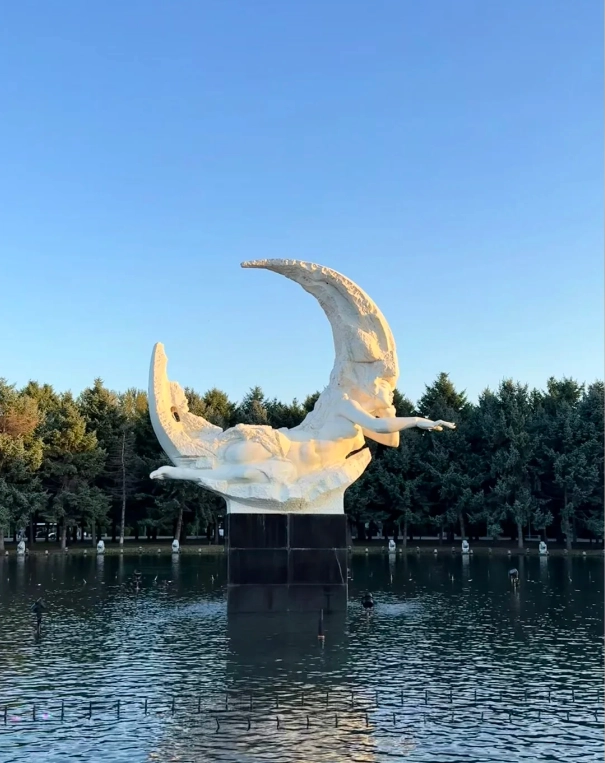
Things to Do
Beyond hiking, Jingyuetan offers quite a few surprises.
- Bike rental: Available near the west gate and north gate. 30–50 RMB per hour for a single bike, 60–80 RMB for a tandem. Quality varies; check the brakes before you go. The bike path around the lake is separate from the main road, so it’s safe.
- Boat rides: Paddle boats and speedboats are for rent near the north dock. A 30-minute pedal boat is about 60 RMB. Nice for couples.
- Winter skiing: The ski resort inside the park operates from December to February. It’s a small slope—beginner friendly. Lift passes start at 100 RMB.
- Photography: The best light is from 7:00–9:00 AM (golden hour over the lake) and 4:00–5:30 PM (sunset colors). Midday light is harsh. And please, don’t use a flash near the wildlife—deer and birds get spooked.
Where to Eat Inside
There aren’t many dining options inside the park, and what’s there is mediocre. I recommend eating before you come or bringing a picnic.
If you’re hungry, there’s a small food court near the west gate entrance. They serve noodle soup (15 RMB), cold noodles (20 RMB), and grilled sausages (5 RMB). Don’t expect gourmet—it’s basic fuel. There’s also a convenience store near the north gate selling snacks and water. Prices are reasonable (bottled water 3 RMB).
Better plan: grab a Jilin-style Korean cold noodle (冷面) at a restaurant on the way back. I always take my groups to Yanji Cold Noodle House (near the west gate exit, about 300 meters outside). A bowl costs 18 RMB, and the broth has ice cubes—perfect after a sweaty hike.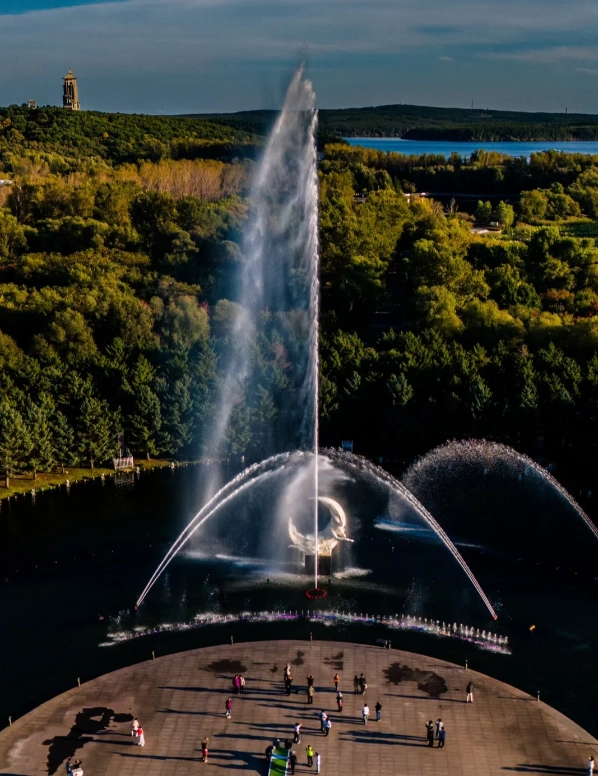
FAQs
Do I need to book tickets in advance for Jingyuetan?
No, you don’t need to book ahead unless you’re visiting during Chinese national holidays (May 1-5, October 1-7). On those days, the park caps daily visitors at around 30,000. Best to buy online via the WeChat mini-program or arrive before 8 AM. But for 99% of the year, just show up and buy at the gate.
Can I use my international credit card to enter?
No. The ticket booth only accepts cash, Alipay, or WeChat Pay. Mastercard/Visa won’t work. Same goes for the bike rentals and bus inside. So carry at least 50–100 RMB in small bills. If you’re out of cash, there’s an ATM inside the park? Not really—there’s one near the west gate ticket office but it’s often out of service. Don’t rely on it.
Is Jingyuetan good for solo travelers?
Absolutely. It’s very safe. The park is patrolled, and there are plenty of other visitors. I often send solo clients with a simple map and a departure time. Just stick to the main loop and keep your phone charged for maps. Rental bikes and the sightseeing bus make it easy to cover ground alone.
What’s the best time of year to visit?
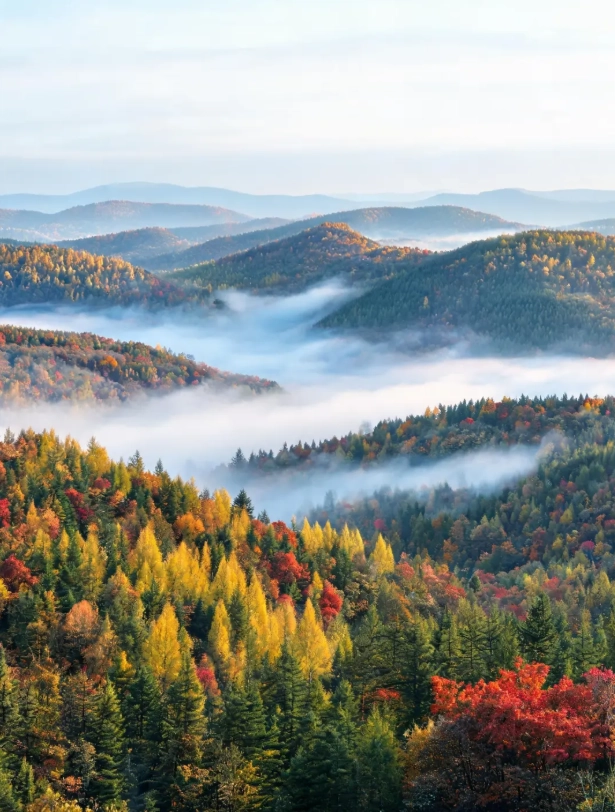
Late May to early June is my pick. The weather is mild (15–25°C), the trees are fully green, and the spring flowers are still around. Autumn (mid-October) is also stunning with yellow and red leaves. Summer (July-August) is hot and humid, but the lake breeze helps. Winter can be pretty if you like snow, but it’s also bitter cold (−15°C average).
Are there toilets and rest areas inside?
Yes, public toilets are located at every major gate and about every 2 km along the loop. They are moderately clean (not spotless, but usable). Bring your own toilet paper and hand sanitizer—both are often missing. Rest pavilions are frequent, so you can find shade easily.





No comments yet.