 Peng Gao
Standing at the foot of the Giant Wild Goose Pagoda, feeling the worn stone under my palm, I had a sudden, clear thought: this is where time folds. To the south, the modern city buzzes. Right here, you’re touching a structure that has watched over Xi'an for over 1300 years. And as dusk falls, that sense of history doesn't fade—it transforms. Just a short walk away, the Tang Dynasty Ever-Bright City ignites, not as a museum diorama, but as a living, breathing celebration of the very culture the pagoda was built to preserve. Visiting one without the other feels incomplete. This isn't just a two-stop itinerary; it's a full-day immersion into the soul of the Tang Dynasty, from serene spiritual reflection to exhilarating cultural spectacle.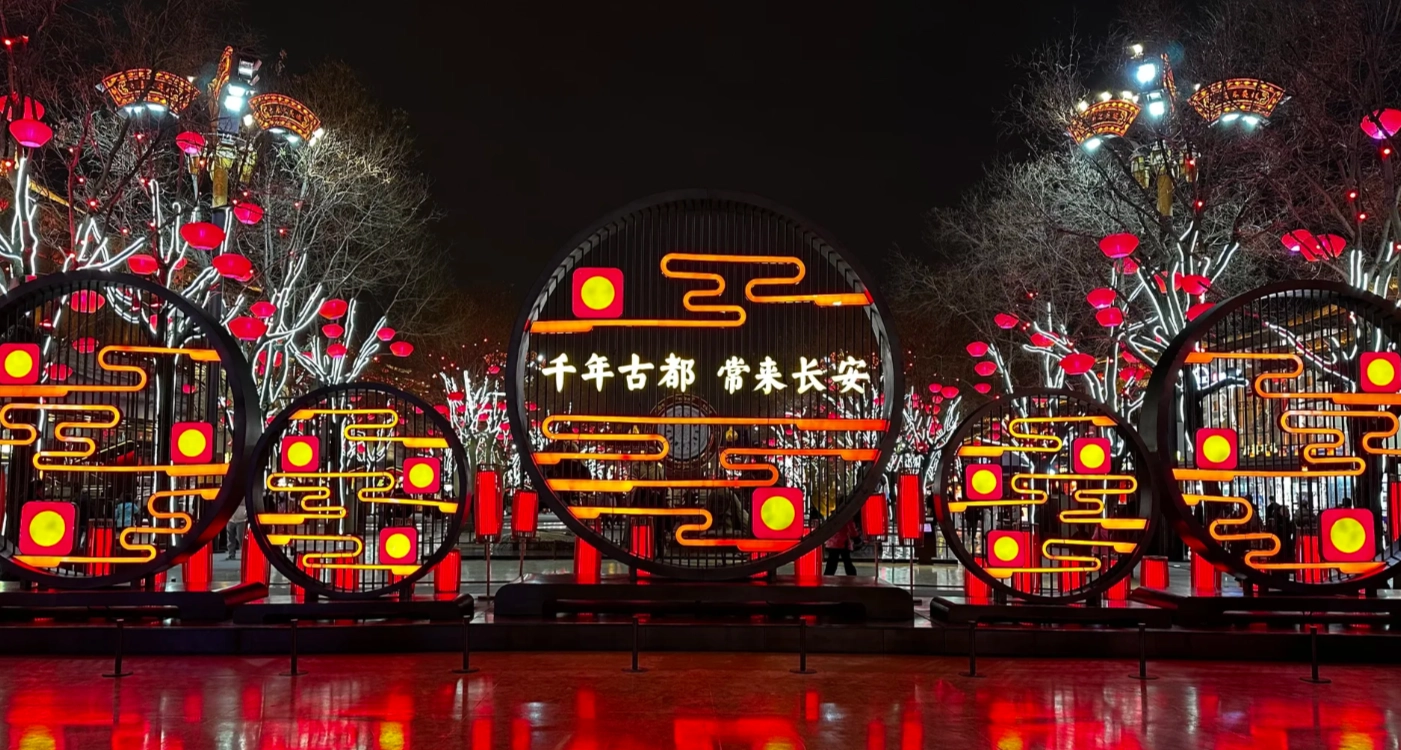
What You'll Discover in This Guide
Giant Wild Goose Pagoda Deep Dive: More Than a Climb
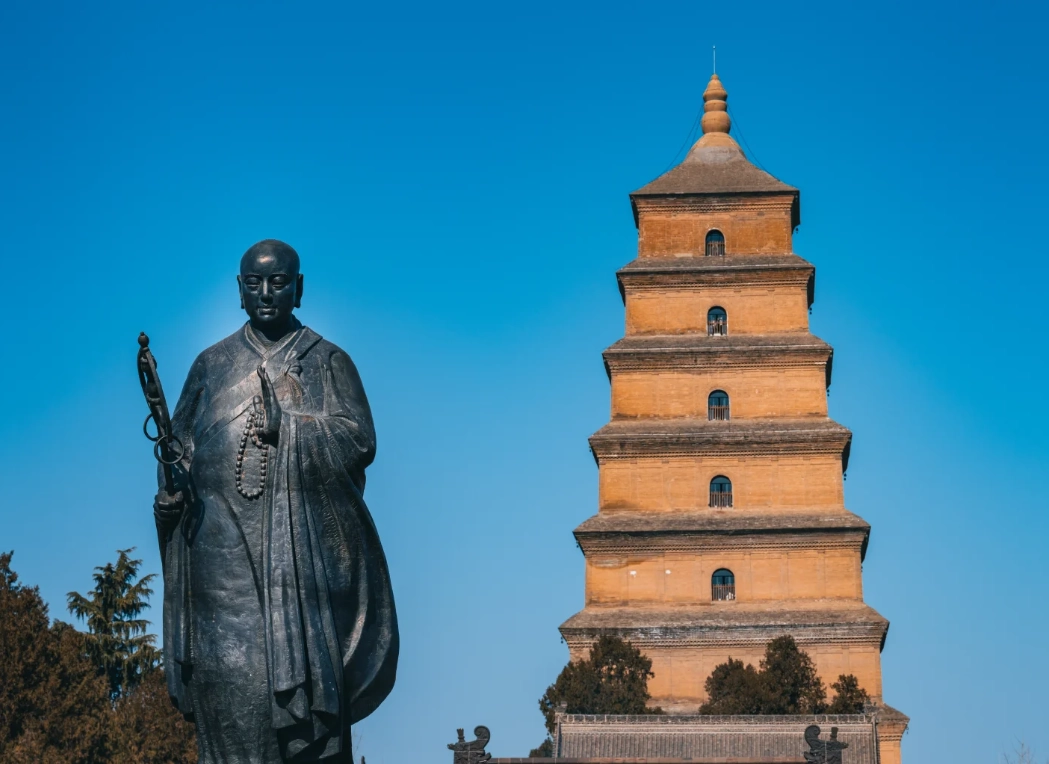
Let's start with the anchor: the Giant Wild Goose Pagoda. Built in 652 AD during the Tang Dynasty by the Buddhist monk Xuanzang, its primary purpose was to house the sutras and Buddhist figurines he brought back from his epic 17-year journey to India. That fact alone gives it weight. This isn't just a pretty tower; it's a monument to scholarly devotion and cross-cultural exchange.
The first thing you notice is its simplicity. Compared to later, more ornate pagodas, its square, brick-heavy structure is austere. It speaks of function and endurance. I've visited multiple times, and the climb to the top is a ritual I rarely skip, but I'll be honest—it's not for everyone.
The pagoda sits within the Daci'en Temple complex. A common mistake is to rush straight to the pagoda, pay the extra climb fee, and leave. You're missing the context. Stroll the temple grounds first. The courtyards, the bell and drum towers, the statues—they set the tone. Notice the bas-reliefs at the pagoda's base depicting Xuanzang's journey. They're often overlooked.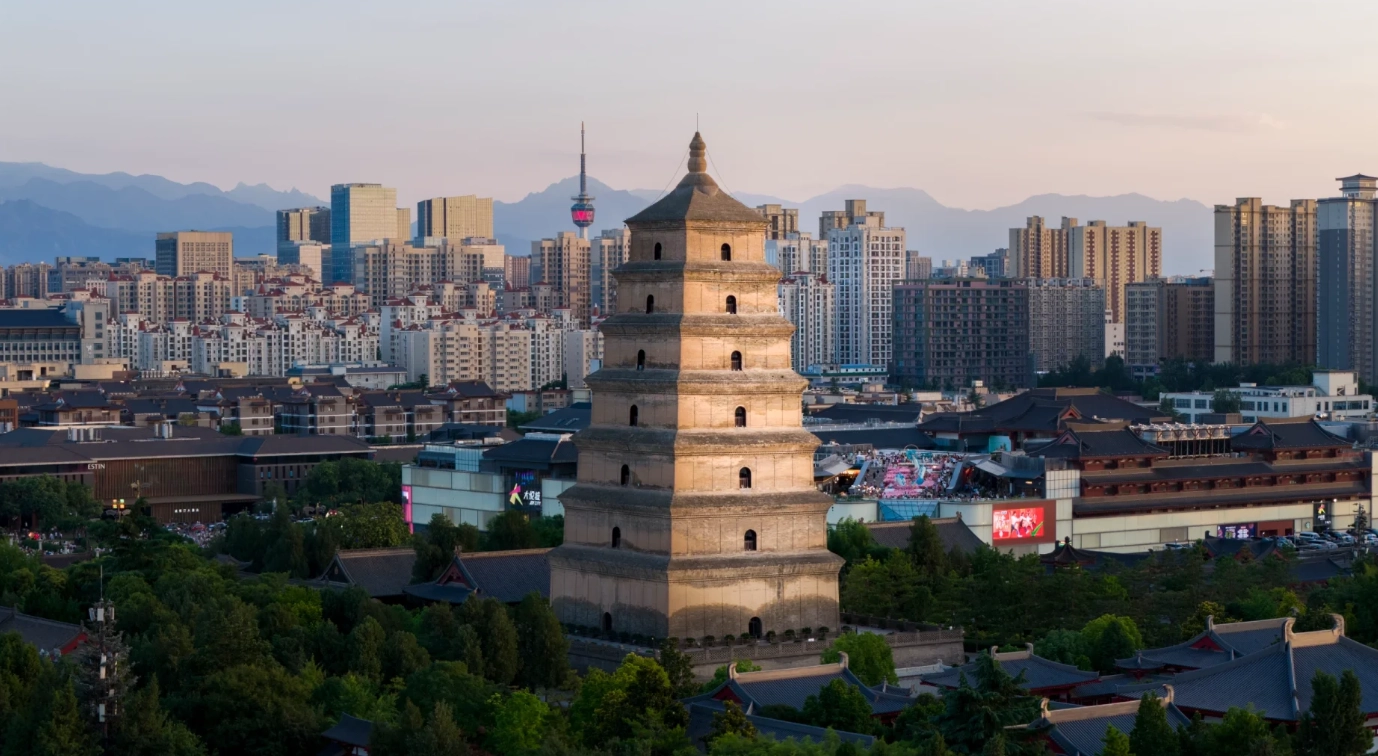
How to Truly Appreciate the Pagoda
Don't just look at it. Walk a full circle around its base. The brickwork shows subtle variations—repairs from different eras. The entrance faces south, a classic architectural alignment. I like to find a quiet spot on the north side, away from the main entrance crowd, and just look up. The way the tiers taper against the sky is a masterclass in ancient engineering for seismic stability (Xi'an is in an earthquake zone). It's survived numerous tremors because of its flexible, honeycomb brick core.
Tang Dynasty Ever-Bright City Unlocked
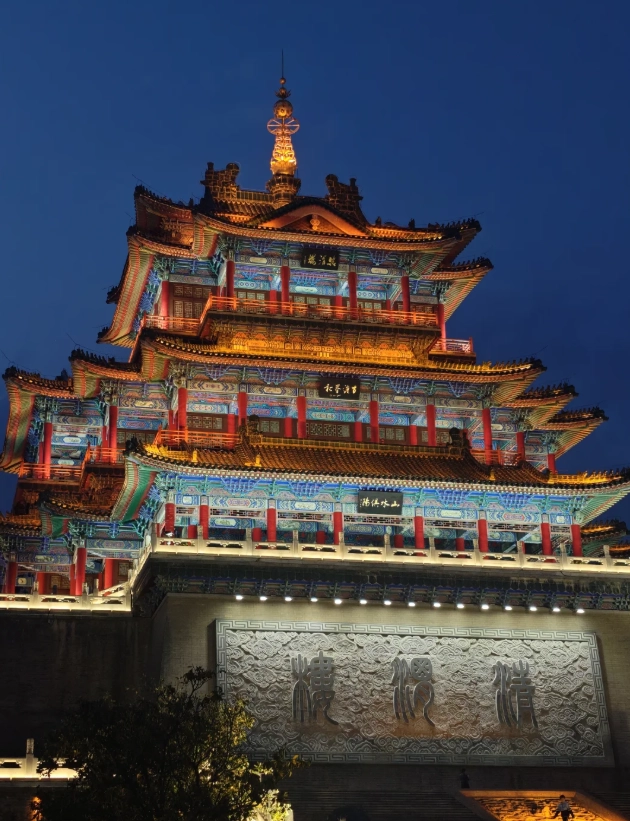
As the sun sets, the energy shifts completely. Exit the pagoda's south square, and you step onto the central axis of the Tang Dynasty Ever-Bright City (大唐不夜城, Dàtáng Bùyè Chéng). This isn't a reconstructed ancient street in the traditional sense. It's a sprawling, pedestrian-only cultural and entertainment block that channels the extravagance and artistic spirit of the Tang Dynasty.
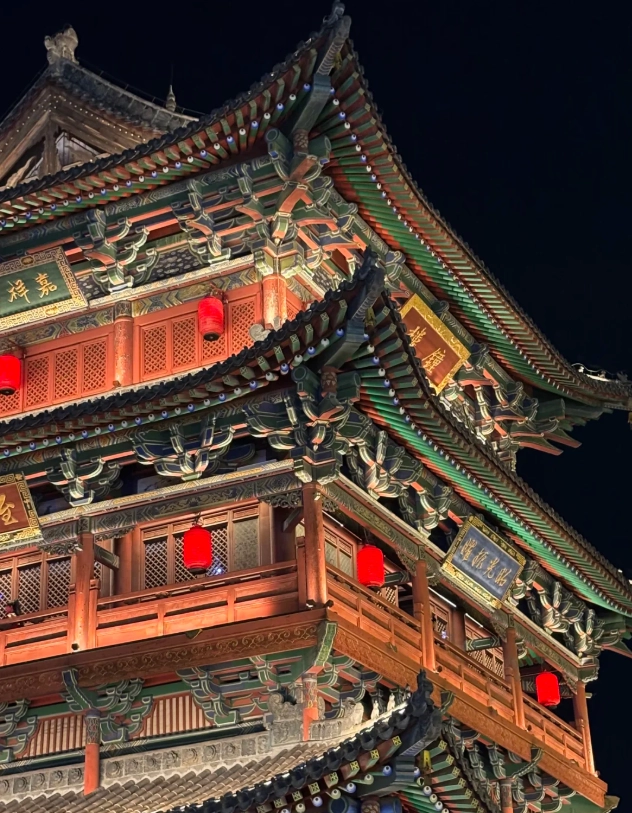
The key to enjoying it is understanding its design. It's a linear experience, about 1.5 kilometers long, lined with Tang-style architecture, sculptures, performance stages, shops, and food outlets. The lighting is the star here—thousands of lanterns, neon outlines, and projections create a genuinely "ever-bright" atmosphere.
Here’s a non-negotiable tip from someone who’s been jostled by one too many tour groups: walk against the flow. Most people enter from the north (pagoda end) and walk south. Consider starting at the southern end (near the Xi'an Concert Hall). You'll face the stunning view of the pagoda illuminated at the end of the avenue, and the crowd density feels lighter until you meet the middle.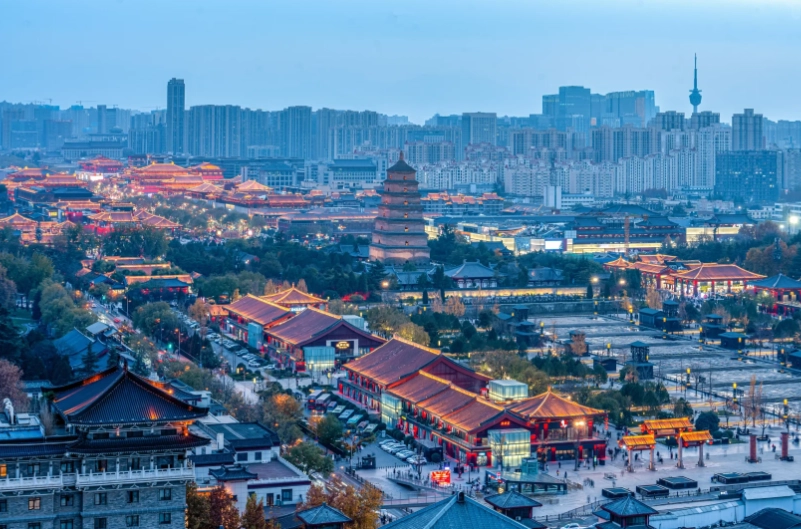
The Must-See Spots (That Aren't Just Crowds)
- The Poetry Lane: Near the middle section, look for pillars engraved with famous Tang poems. At night, they're softly lit. It's a quieter corner where you can appreciate the literary heritage.
- The Sculpture Groups: Don't just pass by. Each set tells a story—"Prosperous Tang Dynasty," "The Wisdom of the Tang," etc. The craftsmanship is detailed.
- Side Alleys: The main avenue is dazzling, but peek into the themed side alleys. One might be dedicated to traditional sweets, another to handicrafts. They're slightly less chaotic.
Planning Your Perfect Visit: Logistics Made Simple
Getting this wrong can turn a magical experience into a stressful one. Let's break down the essential details you need to make a decision.
| Attraction | Address & How to Get There | Opening Hours & Best Time | Ticket Information (Subject to change) |
|---|---|---|---|
| Giant Wild Goose Pagoda (Daci'en Temple) | 1 Yanta Rd, Yanta District. Metro Line 3 or 4 to Dayanta Station, Exit B or C. Follow signs. Taxis know it well. | Temple: 8:00 AM - 6:00 PM (Mar-Oct), 8:00 AM - 5:30 PM (Nov-Feb). Best Time: Weekday morning. Avoid Chinese public holidays. | Temple Entry: ~40 CNY. Pagoda Climb: Additional ~25 CNY. Combo tickets are sometimes available. |
| Tang Dynasty Ever-Bright City | Directly south of the Pagoda's South Square. Same metro stop. | Open 24/7 as a street. Light Show & Performances: Dusk until ~11:00 PM. Peak atmosphere 7:30 PM - 10:00 PM. | Free. No entry ticket. You pay for food, souvenirs, or optional museum visits along the street. |
The Seamless One-Day Plan: I recommend starting at the pagoda in the late afternoon, around 3:30 PM. This gives you enough light to see the temple details and climb the pagoda for daytime views. By 5:30 PM, exit into the South Square. Grab an early dinner at one of the many restaurants in the adjacent commercial blocks (I prefer the ones on the east side for slightly better value). As it gets dark, around 7:00 PM, begin your walk south into the Ever-Bright City. You'll catch the lights coming on and be positioned for the early evening performances.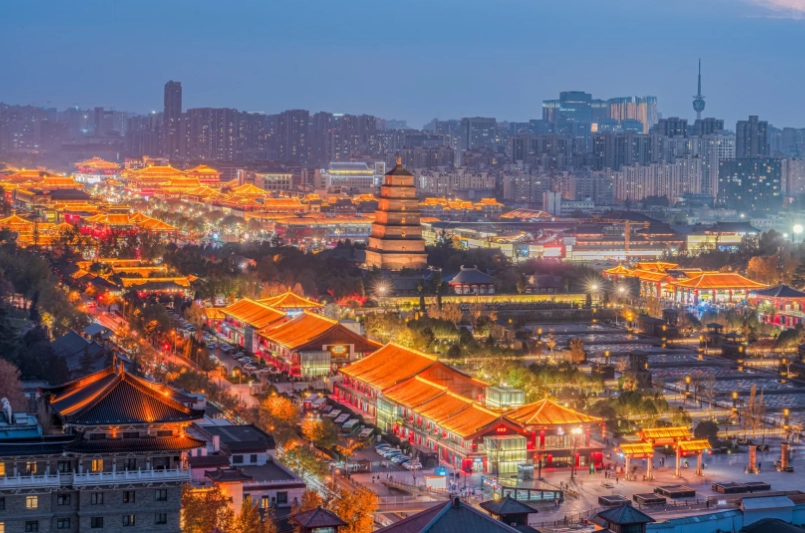
Beyond the Obvious: Hidden Gems & Photo Spots
Everyone gets the shot of the pagoda from the South Square fountain. Here’s where to go for something different.
For the Pagoda: The small garden pond on the temple's east side. You can frame the pagoda's reflection in the water, often with lotus leaves in summer. It's peaceful. Another spot is from the upper floors of the Shaanxi History Museum cafe (across the street to the west, but you may need a museum ticket).
For Ever-Bright City: The most iconic shot is looking north towards the illuminated pagoda from the middle of the walkway. Use a longer exposure if you can. For candid street shots, focus on the performers' intense expressions or the awe on children's faces watching the light shows. The side alleys with hanging lanterns offer great atmospheric shots with fewer people.
Food here is part of the experience, but it's touristy. You'll find skewers, roujiamo (Chinese burgers), and tanghulu (candied fruit). My advice? Eat a proper meal before or after. Use the street food for a snack, not a dinner.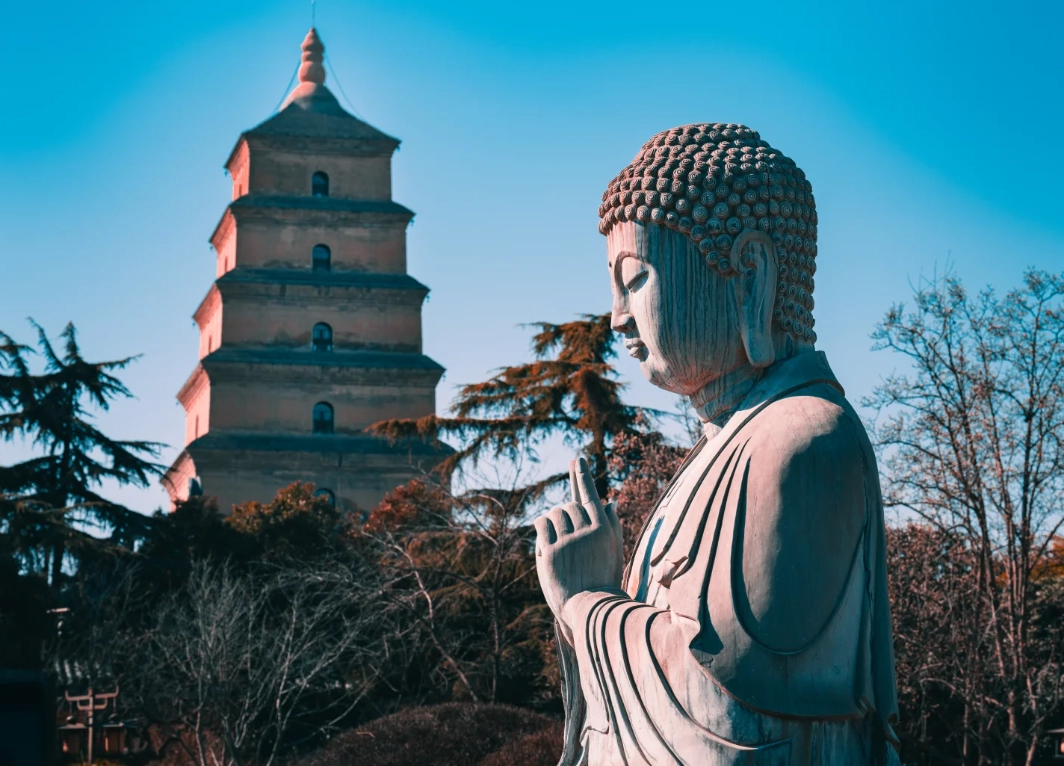
Your Questions, Answered
Is it worth climbing the Giant Wild Goose Pagoda?
It depends on your priorities and physical condition. The view is historically significant and offers a perspective you can't get elsewhere. However, if you have limited mobility, fear confined spaces, or are visiting on a hazy day, the climb's value diminishes. The temple grounds themselves are profoundly worthwhile. Consider the climb an optional, physically demanding add-on for view enthusiasts.
How do I avoid the biggest crowds at Tang Dynasty Ever-Bright City?
Two strategies work. First, visit on a Sunday-Thursday night instead of Friday or Saturday. Second, reverse the route as mentioned earlier. The crowd builds from the north end. Most importantly, check the official WeChat account of "Xi'an Datang Never Night City" for the exact performance timetable before you go. If you arrive 10 minutes after a show starts, you'll be looking at the backs of phones. Arrive 20 minutes early to secure a decent spot.
 Can I visit these places in winter?
Absolutely, and it's a different vibe. The pagoda grounds can be starkly beautiful with a dusting of snow. Ever-Bright City operates year-round, and the lights against a cold night sky are spectacular. The downside is the chill—dress very warmly, as you'll be standing still for performances. The crowds are generally thinner, except during the Spring Festival period, when it's packed.
What's the one thing most tourists miss here?
The connection between the two sites. They are physically adjacent but spiritually linked. The pagoda represents the scholarly, religious, and inward-looking side of the Tang. Ever-Bright City represents its cosmopolitan, artistic, and celebratory outward face. Understanding that duality—the solemn preservation of culture and its vibrant, public celebration—turns a visit from sightseeing into a meaningful historical narrative.
Standing in the shadow of the pagoda by day and amidst the neon glow of the Ever-Bright City by night, you don't just see Xi'an's history—you feel its continuum. You touch the cool, steadfast brick of the past and then dance in the electric light of its modern reinterpretation. It’s this perfect, purposeful contrast that makes this duo the indispensable heart of any trip to Xi'an. Plan with the details here, go with open senses, and you won't just check off two landmarks; you'll spend a day living inside the Tang Dynasty's enduring legacy.





Took my two kids (ages 7 and 10) here and they absolutely loved it! The pagoda climb was a fun little workout, and the surrounding park has plenty of space to run around. The Tang Dynasty Ever-Bright City is very kid-friendly with street performers and snack stalls selling tanghulu and other treats. The evening light show wowed the whole family. A perfect mix of culture and fun—we'll remember this night for years.
If you love photography, this place is a dream! The pagoda against the sunset is iconic, and the Ever-Bright City transforms into a neon wonderland after dark—every corner is Instagram-worthy. I spent hours just wandering and taking photos. The musical fountain show is spectacular, especially when the water dances to traditional Chinese music. Highly recommend bringing a tripod!
Absolutely blown away! The pagoda's architecture and historical significance are incredible—standing there, you can almost feel the Tang Dynasty spirit. The nightly fountain and light show at Ever-Bright City is a masterpiece of choreography; I watched it twice! Perfect for history lovers and anyone who appreciates grand cultural displays. A must-do when in Xi'an.
A solid experience overall! The Giant Wild Goose Pagoda has a serene vibe inside, and climbing to the top gives you a nice view of the city. The Tang Dynasty Ever-Bright City area is beautifully lit at night, though I wish there were more interactive exhibits or cultural performances rather than just rows of shops. A good half-day trip, but don't expect too much depth.
Honestly, I was a bit let down. The pagoda itself is impressive from a distance, but the surrounding area felt like a giant tourist trap—overpriced souvenir stalls everywhere and crowds so thick you could barely move. We paid for the light show at the Ever-Bright City, but it was underwhelming and way too short for the ticket price. If you're short on time, I'd skip this and head to the Muslim Quarter instead.
Came here because of all the hype on social media. The pagoda is beautiful, especially at sunset, but the 'Ever-Bright City' part just felt like a giant outdoor mall with loud music and pushy vendors. Not really my scene. If you're after a calm cultural experience, go during weekday mornings instead.
Pretty good overall. The light show at night is impressive, but the crowds can be overwhelming — hard to get a good photo without strangers in the frame. Prices for snacks and drinks nearby are a bit inflated. Still, worth seeing once. Solid 4/5.
If you love ancient architecture and Tang dynasty vibes, this is paradise. I visited during the day when it was quieter and could really appreciate the pagoda's symmetry and the peaceful gardens. The night show at the square was a nice bonus. Highly recommend for history buffs!
Honestly, I was a bit underwhelmed. The pagoda is nice but the ticket price feels steep for what you get inside. The surrounding commercial area is super crowded and full of souvenir shops — felt more like a tourist trap than a cultural experience. Okay for a quick visit, but I wouldn't go out of my way.
Went on a Friday evening and the whole area was buzzing! The pagoda itself is breathtaking when lit up, and the Tang Dynasty Ever-Bright City street performers were incredible. Spent 4 hours just wandering and taking photos. Definitely a must-see in Xi'an!