 Bo Wu
Bo Wu
What's inside — quick picks
I've been dragging people across this grassland for eight summers — and I've made every mistake you can imagine. So let me cut the crap: the best time to visit Hulunbuir Grassland is from mid-June to early September, but the sweet spot? Last week of June to mid-July. The grass is at its emerald prime, wildflowers are out, and the crowds haven't exploded yet. July and August are greener but packed — and I mean tour buses everywhere crowded.
Here's the thing most online guides won't tell you: June 20–July 10 is when the grassland looks like a Windows XP wallpaper — rain has just washed the dust away, the grass hits knee-high, and the temperatures are actually pleasant (18–28°C). By August the grass starts yellowing, and by September it's already golden — beautiful, but not the lush green most people imagine.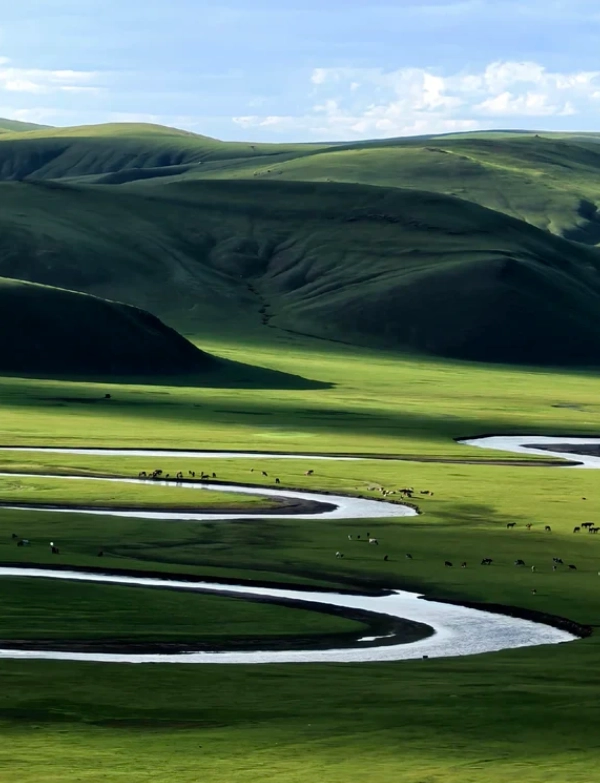
Month-by-month weather & scenery
| Month | Avg Temp (°C) | Grass condition | Tourist volume | My verdict |
|---|---|---|---|---|
| May | 10–20 | Patchy brown-green | Very low | Too early — mostly dirt |
| June (1–15) | 15–25 | Growing green | Low | Good if you don't mind some bare spots |
| June (16–30) | 18–28 | Lush, vibrant | Moderate | Sweet spot begins |
| July | 20–30 | Peak green, wildflowers | High | Best scenery, but book 2 months ahead |
| August | 18–28 | Green starting to fade | Very high | Still nice, but prepare for crowds |
| September | 10–22 | Golden, dry | Moderate | Great for photographers, not green |
| October | 0–12 | Brown, dormant | Low | Not recommended — cold and dead |
Peak vs shoulder seasons: the trade-off
Peak season (July 10 – August 20) gives you the greenest grass and the Naadam Festival (around July 15–20) — horse racing, wrestling, archery. But here's the ugly truth: hotel prices in Hailar and Manzhouli triple. The popular spots like Jinzhan Han campsite and Moluogei River viewpoint get so packed that you can't even get a clean photo without strangers photobombing. Plus, mosquitos are insane near the riverbanks at dusk — I always tell my groups to bring DEET repellent with at least 30% concentration.
Shoulder seasons (June 16–July 9 & August 21–September 10) offer 80% of the green with 50% fewer tourists. The trade-off? You might miss the Naadam main events. But honestly, local villages often have smaller, more authentic celebrations that are way more fun than the giant government-organized ones. Last year I took a group to a private horse race near Enhe — cost us just 50 yuan per person, and we got to drink fermented mare's milk with the herders afterward. You don't get that at the big festival.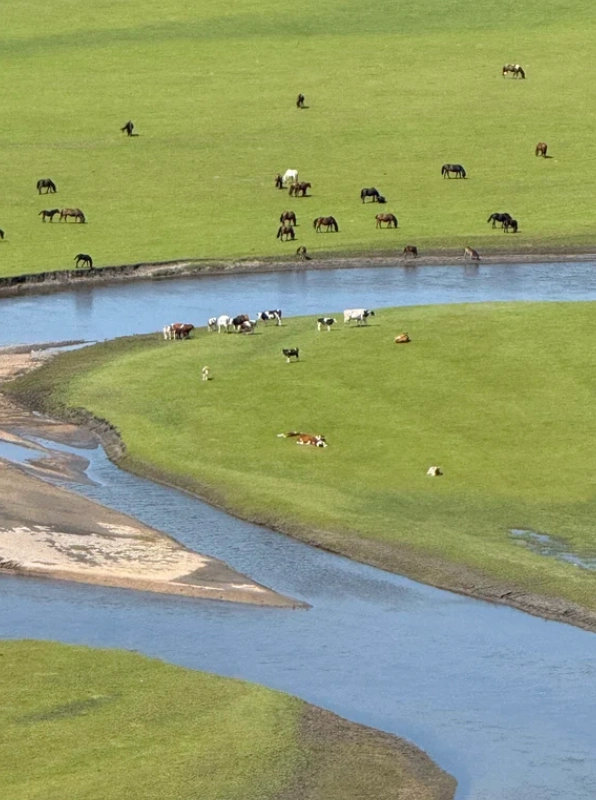
What to pack for each season
Your suitcase depends entirely on the month. Here's what I carry in my guide backpack:
- June–July: Light layers (t-shirt + windbreaker), sunscreen SPF50+, wide-brim hat, mosquito repellent, rain poncho (sudden afternoon showers happen), comfortable hiking shoes. Nights get down to 12°C even in July — don't forget a fleece.
- August: Same as June–July but swap the fleece for a lighter cardigan. It stays warmer at night (around 16°C). Sunglasses — the UV reflection off the grass is brutal.
- September: Thermal underwear, wool sweater, down jacket for evenings, scarf to block wind. Daytime is pleasant but the temp drops fast after 4 PM.
My top 3 insider hacks
1. Skip the big campsites — go to a herder's home. Most tourists stay at commercial camps like Jinzhan Han (300–500 yuan for a yurt). But you can pay a local herder 100 yuan to stay in their yurt, eat homemade milk tea and lamb, and use their squat toilet. The experience is 10x more authentic. Ask your hotel in Hailar to help negotiate — nearly all herders near the Moluogei River accept guests.
2. Rent a car with a driver — don't self-drive. The grassland roads look simple but are deceptively dangerous. GPS signals fade, dirt roads flood overnight, and livestock wander freely. A driver who knows the area saves you hours. I always use Ctrip's local car rental service — they have English-speaking dispatchers. Expect 500–700 yuan per day for a sedan.
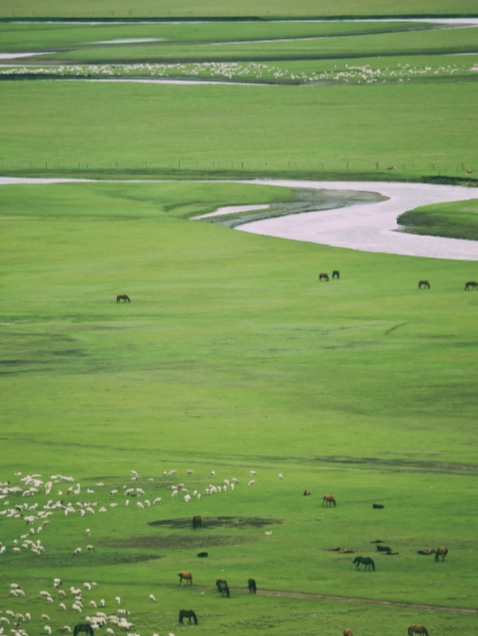
3. Visit the Moluogei River viewpoint at 6 AM. The tour buses roll in at 9 AM. At dawn, the mist hangs over the river bends, cows are grazing, and you have the entire boardwalk to yourself. The golden hour light is incredible. I've been doing this with my groups for three years — never fails to blow their minds.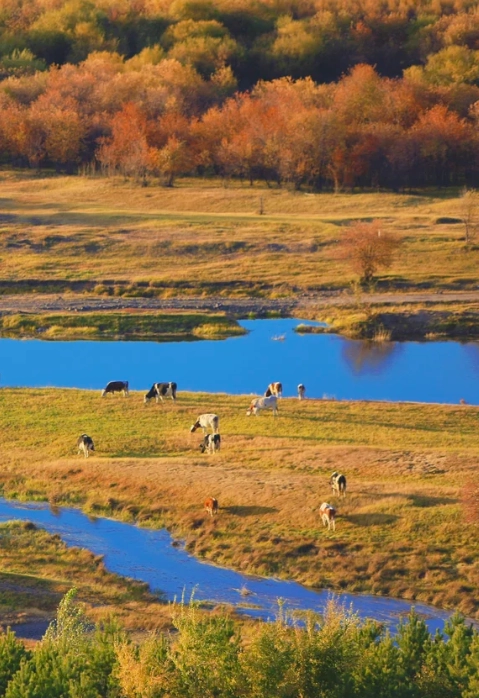
Frequently asked questions
Verified and fact-checked by the editorial team. This content has been fact-checked to ensure informational precision.





Best travel decision ever! We followed the advice to visit right after the Naadam festival ends in late July, and it was magic. Endless rolling green hills, zero tour buses, and the stars at night were insane. We even spotted a herd of wild horses galloping at dawn. This is the Hulunbuir you see in photos — except it’s real.
If you want to dodge crowds AND see peak green, come in late July like we did. The grass was at its thickest, the air smelled of fresh earth and wild mint, and the only sounds were birds and our own laughter. We stayed at a small family-run ger camp — the hosts were incredibly warm and served homemade lamb stew. Unforgettable.
Absolute perfection! I went in early August after the rains, and the grassland was a sea of deep green dotted with wildflowers. Barely saw another soul on the backroads. Rode a horse through knee-high grass with the wind in my face — this is what Hulunbuir should feel like. 10/10, would return in a heartbeat.
Visited in mid-July and the grass was lush and vibrant — exactly what I’d hoped for. The downside? Even though I avoided the major holidays, there were still quite a few self-driving groups. Sunset over the grassland was breathtaking, but I expected more solitude. Overall a solid experience if you can handle moderate crowds.
We came in late June trying to catch the peak green, but it was still a bit early — the grass was only about knee-high and some patches looked brownish. Also, there were quite a few tour buses already, so not exactly crowd-free. Still, the endless horizon and the yurt stay were memorable. Just wish the timing had been better.