 Chen Liu
Quick Navigation
I've been guiding tours in Wuhan for years, and the number one frustration I hear from visitors is: "How the hell do I get around?" Taxi drivers won't take credit cards, the metro map looks like a plate of spaghetti, and your phone's data sometimes drops. Let me break it down — based on real, sweaty, stuck-in-traffic experience.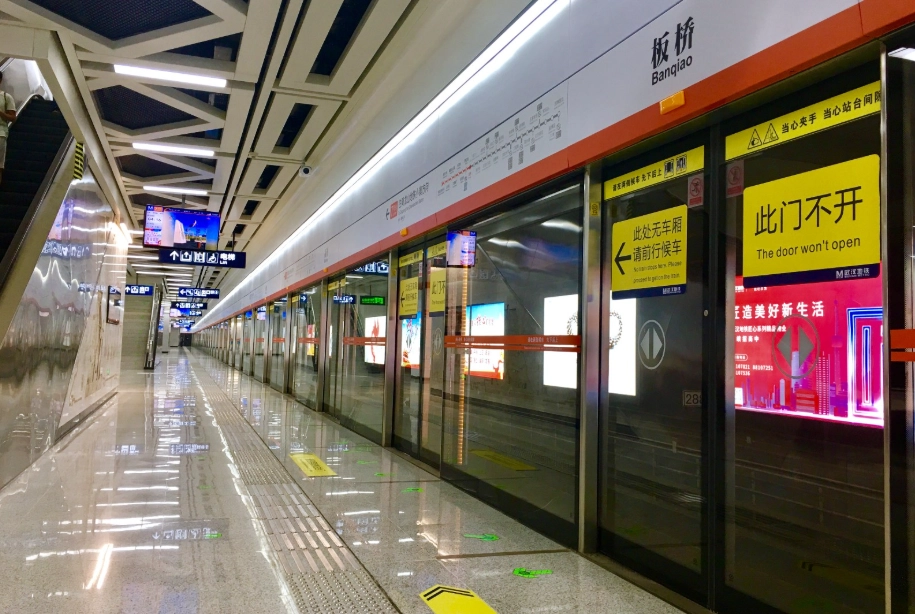
Wuhan Metro: The Backbone
Wuhan's metro system is massive — 12 lines and growing. It connects major hubs like Hankou Railway Station, Wuhan Railway Station, Wuchang Railway Station, and Tianhe Airport. Most tourist attractions (Yellow Crane Tower, Hubei Provincial Museum, East Lake) are within 1 km of a metro stop. I always tell my groups: learn the line colors.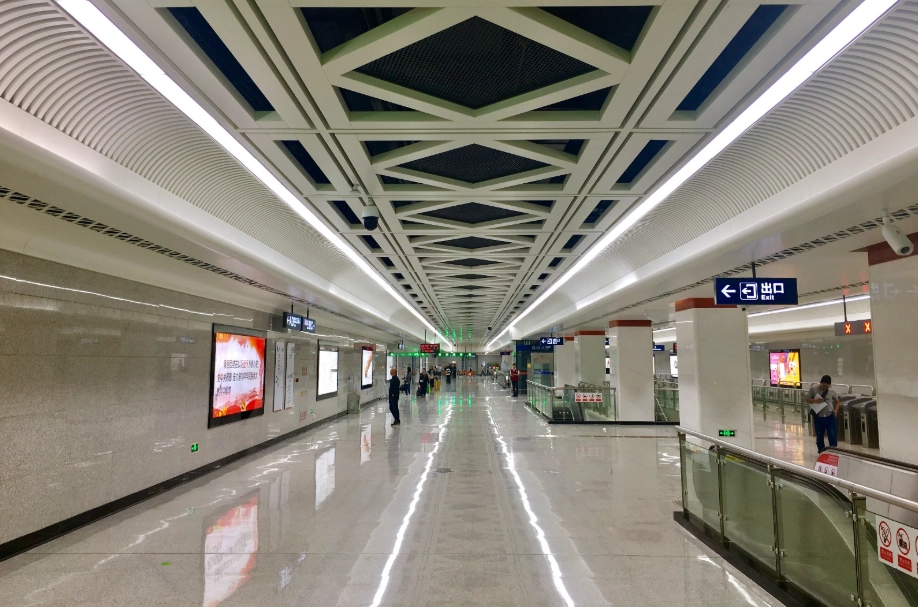
How to use the metro as a foreigner
First, get a mobile payment app like Alipay or WeChat Pay. Why? Because ticket machines accept cash and Alipay/WeChat, but some newer machines only take digital. If you have a foreign credit card, forget it — they won't work at the gates. Here's a workaround: use the "Metro Wuhan" mini-program inside Alipay (scan the QR code at the gate). You'll need a Chinese phone number to register, so get a local SIM at the airport. Alternatively, you can buy a physical transit card (Wuhan Tong) at any metro station's customer service window — it costs 20 RMB deposit and works on buses and ferries too.
Ticket prices: 2 RMB for short rides, up to 9 RMB for cross-city trips. Children under 1.2m ride free. There's no senior discount on the metro, but buses offer half price for seniors over 65 with a local ID (not applicable to tourists).
Accessibility: All stations have elevators and tactile paving. Wide gates are available for wheelchairs and strollers. Announcements are in Mandarin and English, but the digital screens inside the cars display next stops in English.
Taxis & Didi: When You Need a Door-to-Door Ride
Regular taxis are everywhere. The flagfall is 10 RMB for the first 3 km, then about 1.8 RMB per km. But — and this is a big but — most taxi drivers do not speak English and will refuse a ride if they don't like your destination (short trips or traffic jams). Also, they often claim they can't accept international credit cards. They prefer cash or Alipay/WeChat.
Didi (Chinese Uber): This is your savior. Download the Didi app (it has an English version). You can pay with a foreign credit card if you link it in the app — I've used my Visa multiple times without issues. Or you can pay cash to the driver, but the app requires a Chinese phone number for registration. If you don't have one, ask your hotel concierge to book a Didi for you. I've done that for many guests.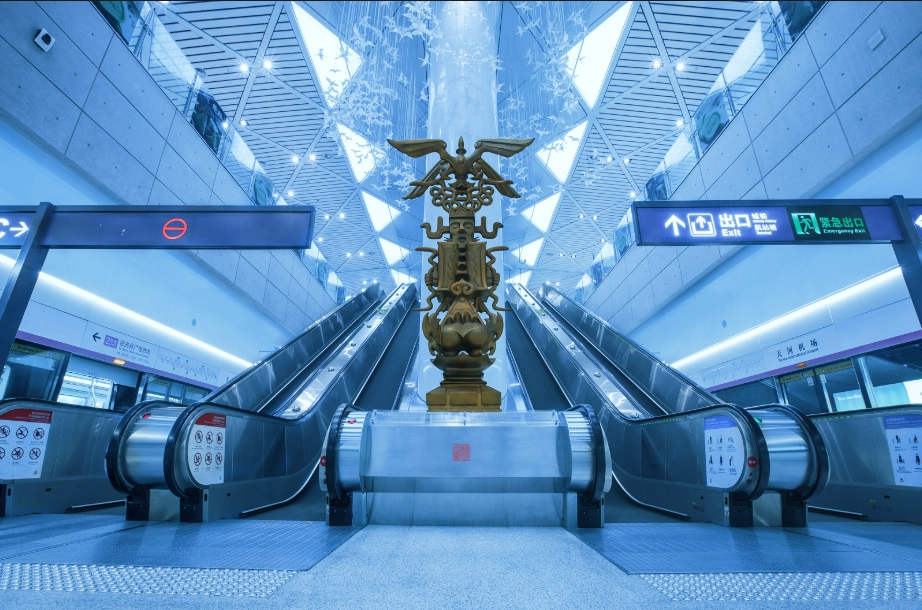
Airport to city center
Tianhe Airport (WUH) is about 35 km from downtown. A taxi costs around 100–150 RMB (plus possible highway toll 15 RMB). Didi express is similar. The metro Line 2 connects the airport to Hankou in about 1 hour — costs just 7 RMB and runs until 10:30 PM. I always take the metro unless I have heavy luggage or it's past midnight.
Buses: Cheap but Tricky for Foreigners
City buses cost 2 RMB (air-conditioned) and cover areas the metro doesn't. But bus stops are only announced in Chinese, and the routes are confusing. Google Maps doesn't give reliable bus directions in Wuhan; use Baidu Maps (Chinese only) or Apple Maps (works okay). Unless you read Chinese, skip the bus. I've seen travelers end up in the wrong district — once a couple ended up in Caidian instead of Wuchang. Took them an hour to get back.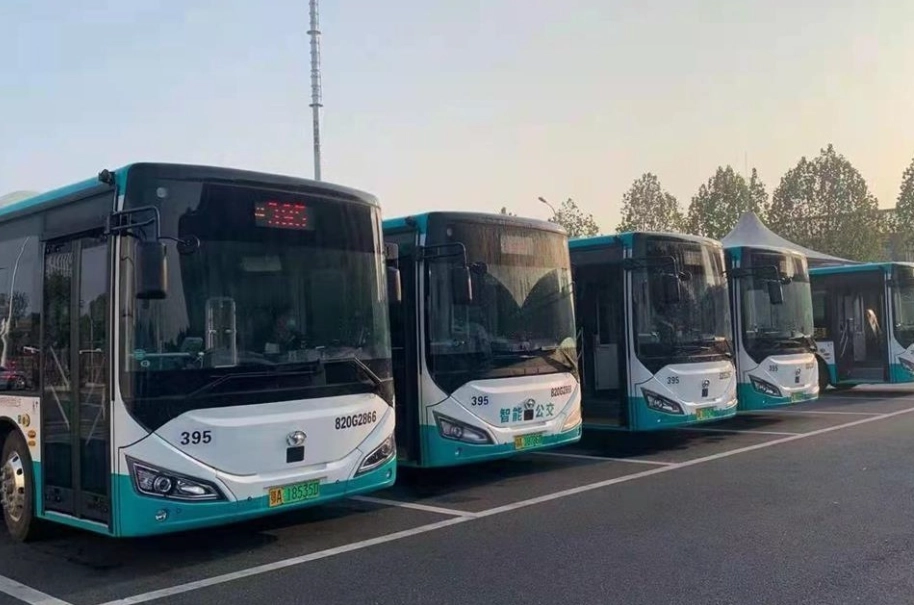
Bike Sharing: Last-Mile Hero
Wuhan is flat — perfect for cycling. You'll see blue (Hellobike), yellow (Meituan), and green (Qingju) bikes everywhere. Download the respective app (Hellobike has an English interface) or scan via Alipay. Cost: about 1–2 RMB per 30 minutes. No deposit required. Parking is free, but you must park in designated white-line zones; otherwise, the app charges a 5 RMB penalty. I use them daily for short trips between metro stations and my destination, like from Dazhi Road Station to the Yellow Crane Tower (about 10 minutes ride).
Yangtze River Ferry: Scenic & Practical
The Wuhan Ferry isn't just a tourist gimmick — it's a legit commuter option. Several routes cross the Yangtze, connecting Wuchang (Hanyangmen Pier) to Hankou (Wuhan Customs House Pier). The fare is a ridiculous 2 RMB per person (or 10 RMB for the tourist sightseeing boat). Bikes and e-bikes are allowed for an extra 1 RMB. It runs from 6:30 AM to 8:00 PM daily. I always take first-time visitors on the ferry at sunset — the view of the Wuhan Yangtze River Bridge and the high-rises is stunning.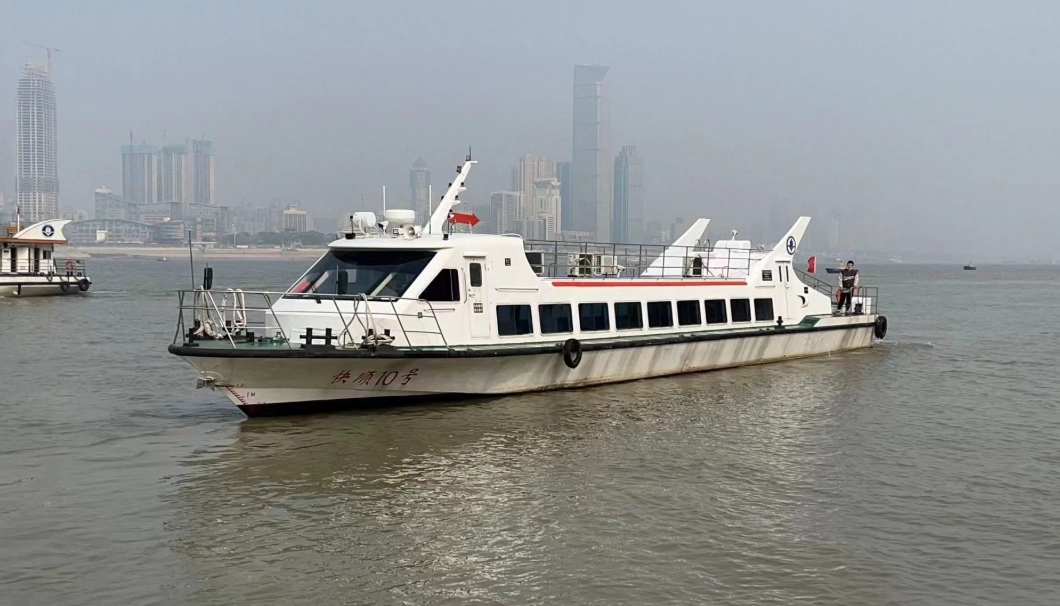
How to pay: Same as metro — Alipay/WeChat QR code or cash. No ticket purchase needed; just scan or drop coins into the turnstile. The ferry takes about 15 minutes one way.
| Transport | Cost (RMB) | Speed | Best For |
|---|---|---|---|
| Metro | 2–9 per trip | Fast (30 km/h avg) | Most of the city |
| Taxi/Didi | 10+ (flagfall) | Moderate (traffic) | Door-to-door, late night |
| Bus | 2 per trip | Slow (lots of stops) | Local neighborhoods |
| Bike share | 1–2 per 30 min | Moderate (10-15 km/h) | Short trips, sightseeing |
| Ferry | 2 per crossing | Leisurely | Cross-river, sunset views |
Frequently Asked Questions
Can I use my foreign Uber app in Wuhan?
No — Uber doesn't operate in mainland China. You must use Didi. Download the Didi app (it has full English support) and link a foreign credit card or pay cash. But you'll need a Chinese phone number to register. Get a local SIM at the airport or use your hotel phone to receive the SMS.
How do I pay for public transport without Alipay?
If you can't set up Alipay, buy a Wuhan Tong card at any metro station. It costs 20 RMB deposit + top-up. The card works on metro, bus, and ferry. You can recharge at any station's machine with cash. Downside: you lose the deposit when returning the card. Alternatively, carry small cash (10 and 5 RMB notes) — ticket machines accept cash.
Is it safe to ride a shared bike at night?
Yes, but stick to well-lit main roads. The bikes have lights that turn on automatically when you pedal. Avoid riding on roads with heavy truck traffic — some ring roads have no bike lanes. I'd suggest taking a Didi after 10 PM if you're alone.
How do I get to Yellow Crane Tower from Hankou?
Take metro Line 2 to Jiyu Qiao station (Exit C), then walk south for 10 minutes. Or take a Didi — about 25 minutes and 40 RMB. Avoid taking the bus because you'll need to change lines and it's confusing. Yellow Crane Tower is at: 9 S Simen Kou, Wuchang. Open 7:30–18:00 (last entry 16:30). Book tickets on WeChat mini-program "Yellow Crane Tower" in advance.
What's the best transport to Tianhe Airport early morning?
If your flight is before 6 AM, the metro hasn't started yet (first train around 6:00). You'll need a taxi or Didi. Pre-book a Didi the night before — I've had drivers cancel last minute, so aim to leave 3 hours before departure. Alternatively, stay at an airport hotel (like the Pullman Tianhe) to avoid stress.
Verified and fact-checked by the editorial team.






As a budget traveler, this guide was gold. The comparison table of metro vs bus vs taxi costs helped me plan my days efficiently. I particularly liked the suggestion to buy a multi-day pass—it saved me a ton on fares when hopping between attractions like the Yellow Crane Tower and the Yangtze River bridge. Couldn't have navigated the city without it!
Used this guide during my layover in Wuhan and it was perfect. The tip about taking Metro Line 2 directly from the airport to downtown saved me both time and money. I also loved the warning about fake taxi drivers at the train station—that alone was worth the read. Everything felt very accurate and easy to follow.
Honestly, this guide oversells the taxi situation. It says taxis are easy to hail, but I stood at a rank near Hankou Station for 20 minutes and most drivers refused to go to my hotel because it was 'too short a ride'. The metro instructions are decent, but for taxis I'd say take Didi instead. A bit disappointed given the hype.
Pretty solid guide overall, but I wish it covered the newer Line 8 extension more thoroughly. I ended up on the wrong side of town because the map in the article didn't include the latest stops. Still, the pro tips about using WeChat Pay for the metro were super helpful and made my commute smooth. Just needs an update.
This guide was a lifesaver for my first trip to Wuhan! I followed the metro tips exactly and never got lost. The step-by-step instructions for buying a Wuhan Tong card were spot on, and the advice about avoiding taxis during rush hour saved me from sitting in traffic for an hour. Highly recommend to anyone visiting!