 Chen Liu
I’ve seen it too many times. A tourist with a beautiful DSLR backpack gets turned away at the bridge entrance. Why? The bag strap is too thick. Sounds ridiculous? It’s real. The security check at Wuhan Yangtze River Bridge is stricter than most visitors expect. I once had a client whose small crossbody bag was rejected because the metal buckle was too large — and he had to run back to his hotel to drop it off.
The Wuhan Yangtze River Bridge bag policy isn’t just about size—it’s about material, zipper type, and even color in some cases. Many travelers get stuck at security because they didn’t check the rules beforehand. But here’s the thing: most online guides either oversimplify or miss the tricky exceptions. I’ve personally navigated this bridge with dozens of groups, and I’m going to break down exactly what works and what doesn’t.
Here’s the bottom line: stick to a small sling bag or waist bag under 30cm x 20cm, and you’ll walk through without a hassle. Now let me walk you through the details.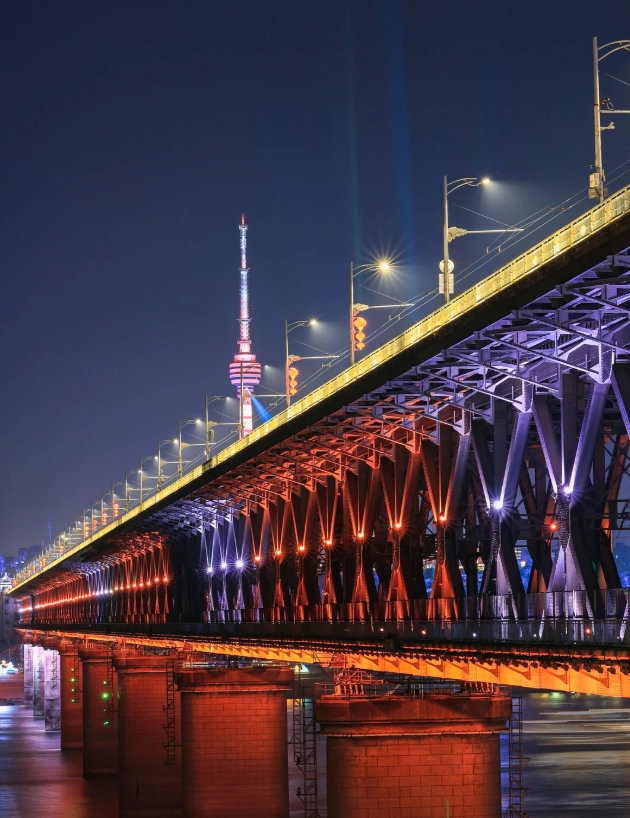
What’s in This Guide?
Understanding the Bag Policy at Wuhan Yangtze River Bridge
Let me clarify right away: there is no official English document posted at the bridge. The policy is enforced by security guards based on internal rules. So what I’m sharing comes from dozens of actual crossings with my groups. In short, the bridge allows bags, but with strict size and content limitations. Any bag larger than 40cm x 30cm x 20cm is automatically rejected. That includes most backpacks and camera bags. Here’s a quick table to sum up what enters easily and what doesn’t.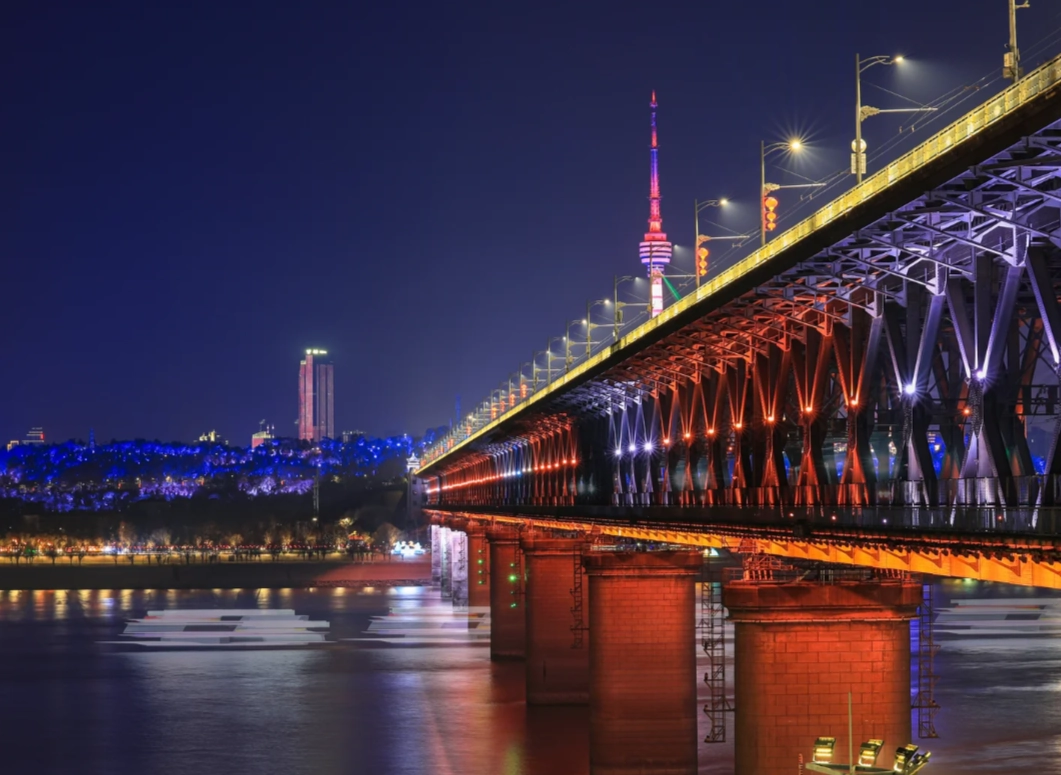
What Bags Are Allowed?
| Bag Type | Size Limit | Verdict | Notes from Experience |
|---|---|---|---|
| Fanny pack / waist bag | Any size | Allowed | Quickest to pass – no need to open |
| Sling bag (single strap) | ≤ 30x20x15 cm | Allowed | Keep it in front of you during inspection |
| Small handbag / clutch | ≤ 25x15x10 cm | Allowed | Even small clutches must be opened |
| Daypack / backpack | Usually rejected | Not allowed | Unless ultra-flat – risk is high |
| Camera bag (large DSLR) | Often rejected | Not allowed | Body plus one lens might be okay if squeezed |
| Shopping bag (plastic/paper) | Any size | Allowed but risky | If transparent, they often wave you through |
Prohibited Items List
Beyond bag size, certain items inside will get you stopped. The list is similar to China’s subway and train station rules, but the bridge is extra strict. I personally watched a man lose his pocket knife (which was only 5cm blade) and a woman had to toss her selfie stick because it looked “metal-like”. Here are the absolute no-nos:
- Sharp objects – knives, scissors, multi-tools, even small nail clippers with a file
- Liquids over 100ml – only an unopened water bottle under 500ml might pass; but I always tell my clients to finish their drinks before the queue
- Flammables – lighters (one is okay if kept in pocket, not bag), aerosol cans, alcohol sprays
- Sports equipment – baseball bats, golf clubs, skateboards, selfie sticks with handles
- Large electronics – laptops in bags larger than 15 inches; tablets are fine
- Drones – absolutely forbidden, even in checked bags
One surprise item: tripods. Even small tabletop tripods are often rejected. If you need one for photos, hide it in a deep pocket or leave it at your hotel. I’ve seen guards make people walk back to the subway station to drop them.
How to Pass Security Quickly
After escorting over 50 groups across this bridge, I’ve developed a strategy that works 100% of the time. Here’s the step-by-step:
- Choose your bag wisely – use a waist/fanny pack or a small sling bag. If you have a larger bag, stash it at the left-luggage office at Wuchang or Hankou Railway Station nearby (about 20 yuan per day).
- Empty your pockets – put everything (phone, keys, coins, wallet) into your bag before you join the queue. This avoids the embarrassing moment when the metal detector beeps and they ask you to empty everything.
- Have your ID/passport ready – they rarely ask for it, but if you look foreign, a guard might want to see your passport. Keep it in an easy-to-reach pocket.
- Walk through slowly – if you rush, the guard will call you back. Follow the pace of the people in front.
Timing matters too. The security check is fastest between 8:00-9:30 am (opening). After 10 am, tour groups flood the entrance and the queue can take 10-15 minutes. Avoid weekends and public holidays if possible – I once waited 40 minutes on Labor Day.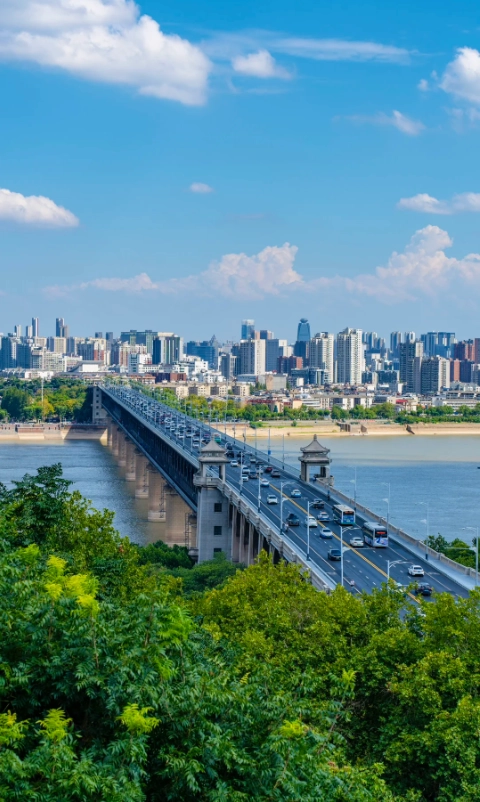
Pro trick: If you need to bring a backpack (maybe you’re continuing to another attraction after the bridge), you can use the free storage lockers at the nearby Yellow Crane Park (about 800m from the bridge). They accept bags up to 30L. But don’t take my word – confirm with the park staff because they sometimes close the locker room at noon.
Insider Tips from a Local Guide
Here are the things I wish every tourist knew before visiting the Wuhan Yangtze River Bridge:
- Don’t bring a selfie stick. I know, everyone wants a good shot. But 9 out of 10 guards will confiscate it. Use a wide-angle lens on your phone or bring a small gorilla pod (tripod with flexible legs) and hide it in your shoe bag.
- Water bottles – you can bring an empty bottle and fill it at the water dispenser inside the bridge’s pedestrian walkway (there’s one near the middle observation deck).
- Bags with thick straps are inspected more thoroughly. Guards suspect you might hide something in the padding. I’ve seen them squeeze straps repeatedly.
- Color matters – bright red or black tactical bags get extra attention. Neutral colors like gray, beige, or pastel pink seem to fly through faster. No joke.
- The sun is brutal after 11 am. There’s no shade on the bridge. If you don’t have a hat, you’ll be miserable. And hats are not restricted.
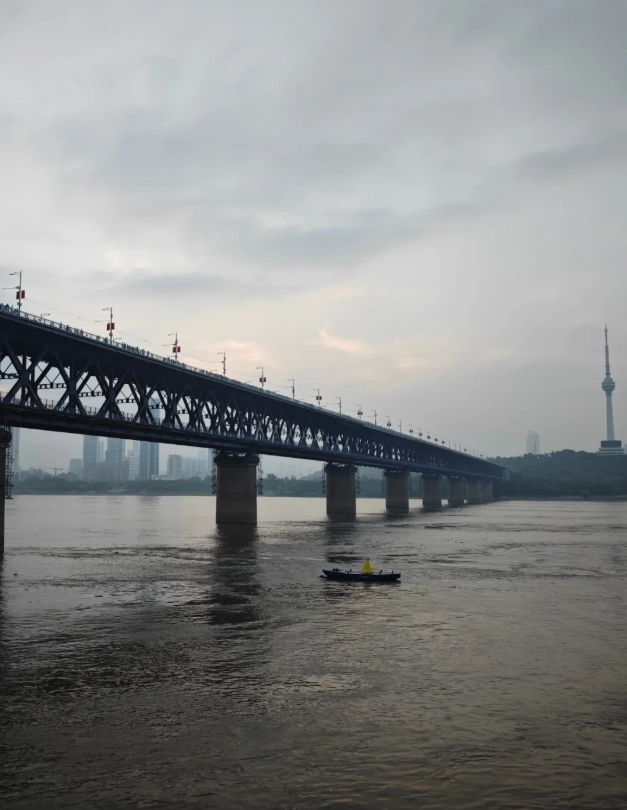
⚠️ Common mistake: Many visitors try to enter from the Hankou side (north end). The security there is twice as strict as the Wuchang side (south end). Guards at Hankou have a reputation for rejecting medium-sized bags that are accepted at Wuchang. My advice: start your walk from the Wuchang side (near Yellow Crane Tower) and end at Hankou. You’ll have fewer bag issues.
Frequently Asked Questions (FAQ)
Verified and fact-checked by the editorial team.





No comments yet.