 Tao Xu
Quick Photo Guide
Here is the thing about Hubei Provincial Museum. It is huge. And crowded. But if you know where to stand, you can get museum-worthy photos without the chaos. I have brought dozens of groups here, and every time someone says “I wish I knew this earlier.” So let me save you the frustration.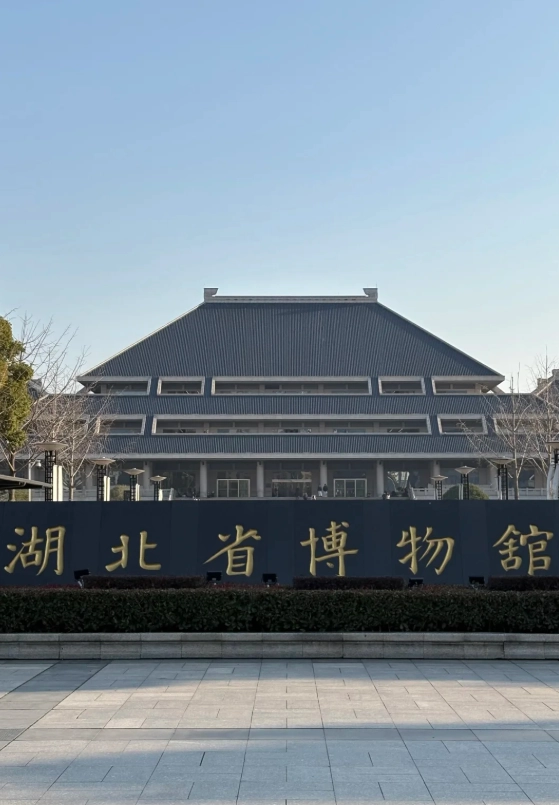
Why Timing Matters More Than Gear
I always tell my clients: you can have a phone camera and still win if you show up at the right time. The museum opens at 9:00 AM, but the south entrance queue starts forming around 8:30. My trick? Go to the west entrance — it is smaller, but locals use it, and security lets you in faster. Once inside, sprint (politely) to the Chime Bells hall on the second floor. Between 9:00 and 9:30, you will have the hall almost to yourself. By 10:00, the tour groups flood in, and getting a clean shot becomes a nightmare.
Zeng Hou Yi Chime Bells: The Megastar
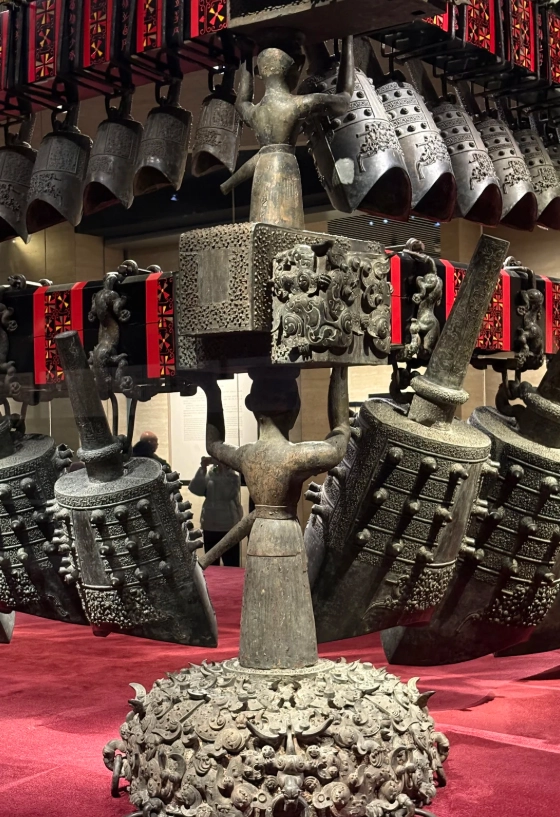
This is the centerpiece. The bells are massive — 65 bronze pieces suspended on a wooden frame. Most people shoot from the front, but that is where the crowd gathers and the reflection from the glass barrier kills the image. Instead, walk to the right side of the hall. There is a small gap near the corner where you can angle your camera between the glass panels. You get the full set without a single reflection. Use a wide-angle lens or your phone’s 0.5x mode. I have taken this shot with an iPhone 13 and it looked like a professional catalog image.
Address: 160 Donghu Road, Wuchang District, Wuhan (inside the museum complex). Opening hours: Tuesday to Sunday, 9:00–17:00 (last entry 16:00). Closed Mondays except public holidays. Admission: Free, but you must reserve a slot via the official WeChat mini-program. Yes, the mini-program is only in Chinese — ask your hotel to help you book. No walk-ins allowed.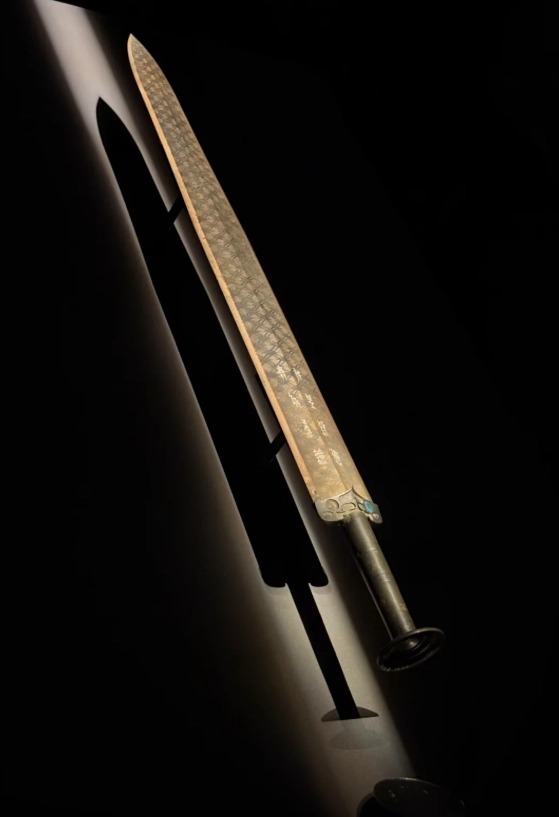
Sword of Gou Jian: Defeating the Glass
This sword is legendary — 2,500 years old and still sharp. But it sits inside a glass case that reflects everything. The standard advice is to use a polarizing filter, but who carries that on a museum visit? My trick: press your lens directly against the glass. No gap, no reflection. Then use a small flashlight from your phone to illuminate the blade from a 45-degree angle. The pattern on the blade pops out beautifully. Most people shoot straight on, but I prefer a slight downward angle from above to catch the inlaid turquoise.
Best time: The sword hall gets packed after 11:00 AM. Go first thing or during lunch break (12:00–13:00) when tour groups eat.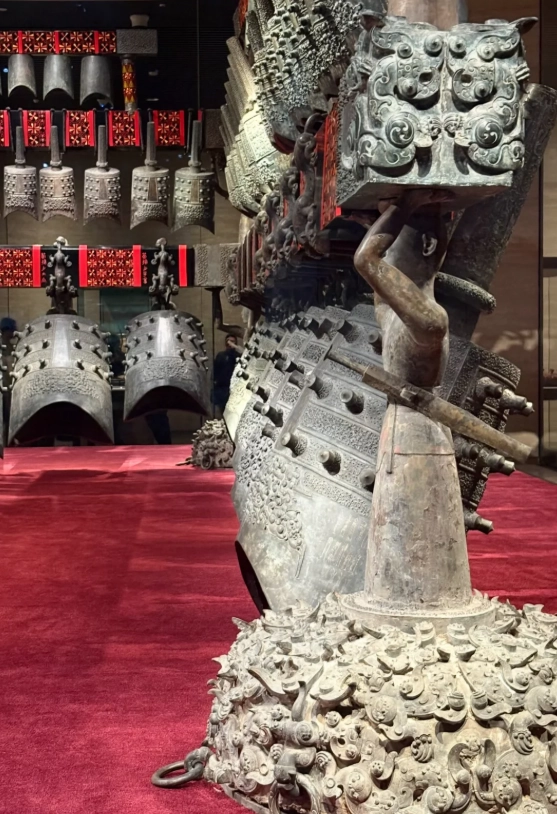
Liang Zhuang Wang Tomb: The Underrated Gem
Most visitors rush to the bells and the sword, missing the Liang Zhuang Wang Tomb exhibit on the third floor. This hall has dim lighting, but the gold ornaments and jade pieces are incredibly photogenic. The trick is to use your camera’s night mode (or a slow shutter) and brace your elbows on the glass case. For the gold hairpin with phoenix design, shoot from directly above with the glass removed? Not possible, but you can tilt the camera so the glass acts as a subtle filter — gives a nice soft glow. I also love the ceramic warriors here because the spotlights create dramatic shadows. Black and white mode works wonders.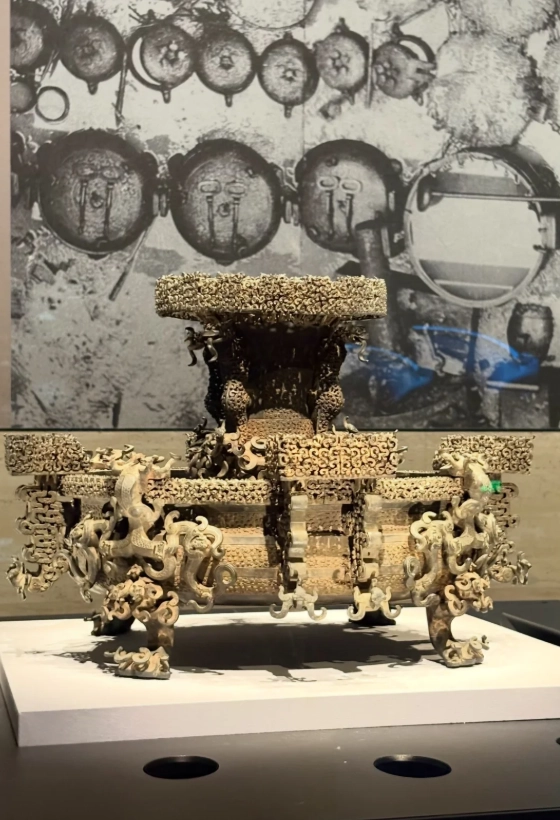
Lighting Tricks for Indoor Exhibits
Museum lighting is designed to preserve artifacts, not for photos. You will face yellow spots and dark corners. Here is what I do:
- White balance: Set your camera to “fluorescent” or “tungsten” to cut the yellow. On a phone, tap the screen and drag down to lower exposure — then brighten in editing.
- Avoid flash: It creates hotspots and security will scold you. Use high ISO (800–1600) and steady hands.
- Reflection hack: If you cannot press against the glass, wear a dark shirt and hold your phone at a 30-degree tilt to avoid your own reflection.
| Exhibit | Best Time | Angle Tip | Difficulty |
|---|---|---|---|
| Zeng Hou Yi Bells | 9:00–9:30 AM | Right side gap | Easy |
| Sword of Gou Jian | First hour / lunch | Lens pressed on glass + side flashlight | Moderate |
| Liang Zhuang Wang gold | Any time (quiet) | Overhead angle with night mode | Easy |
| Bianzhong performance | 11:00 AM or 3:00 PM | Use shutter priority 1/250s | Hard |





No comments yet.