 Jian Zhao
Quick Navigation
I once spent 20 minutes walking in circles around the same rug stall. That’s when I realized a proper map — not just the free one they hand you at the gate — is the real lifesaver at Xinjiang International Grand Bazaar. Most tourists walk in, get overwhelmed by the maze of alleys, and end up missing the best spots. I’ve been guiding here for six years, and I’ve seen it all. This guide is basically my cheat sheet for navigating the bazaar like a local — packed with shortcuts, food stalls I always hit, and the exact spots where you’ll find genuine stuff.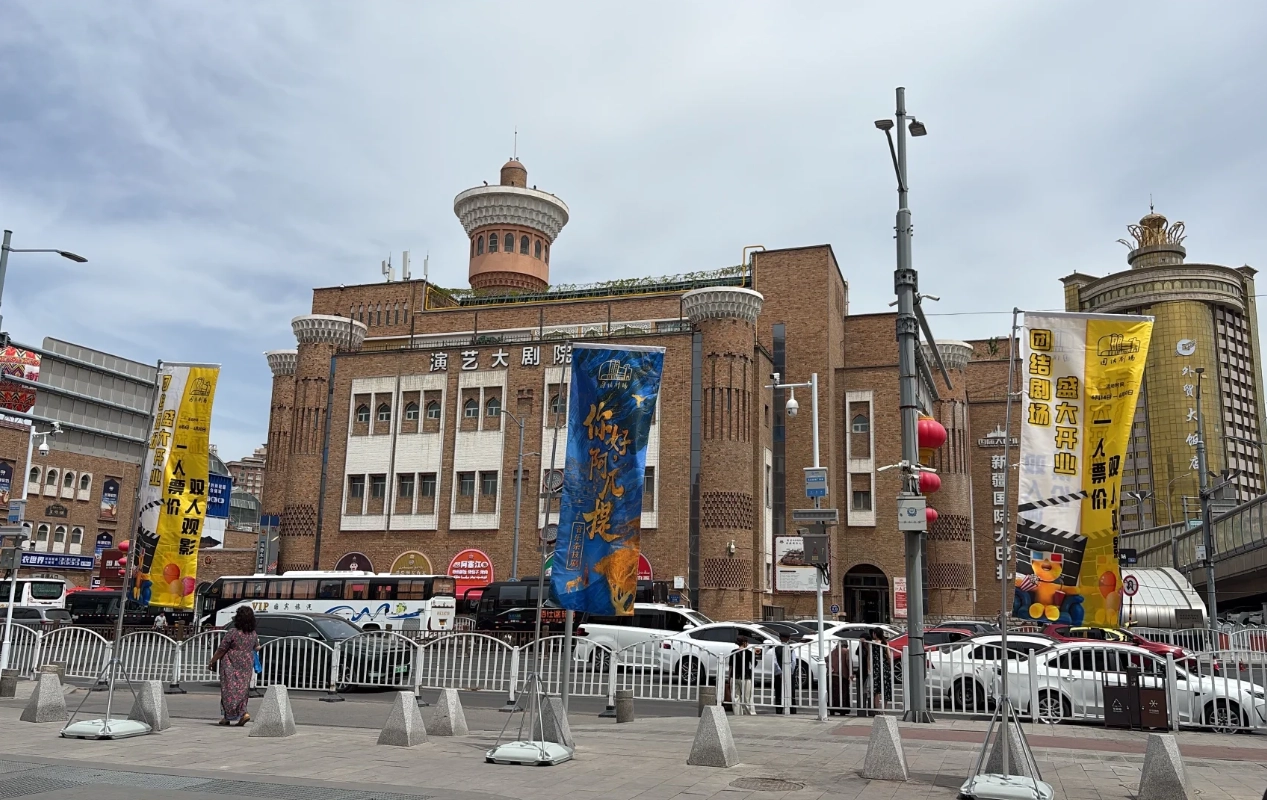
Why a Map Is Non‑Negotiable
Xinjiang International Grand Bazaar isn't just one building — it's a sprawling complex of over 3,000 shops spread across multiple blocks, plus food alleys, a mosque, and an 80‑meter tall observation tower. Without a mental map (or a real one) you’ll waste time backtracking. I’ve seen couples arguing because one wanted to buy nuts and the other was already two corridors away.
Here's the catch: the official map at the entrance is printed on flimsy paper and ends up ripped in five minutes. Download a screenshot of the bazaar layout from their official WeChat account (search "新疆国际大巴扎" — yes, it’s in Chinese, but the map is visual). Or, use Amap (Gaode) — it has indoor navigation for some sections. Google Maps is useless here; it only shows the main gate.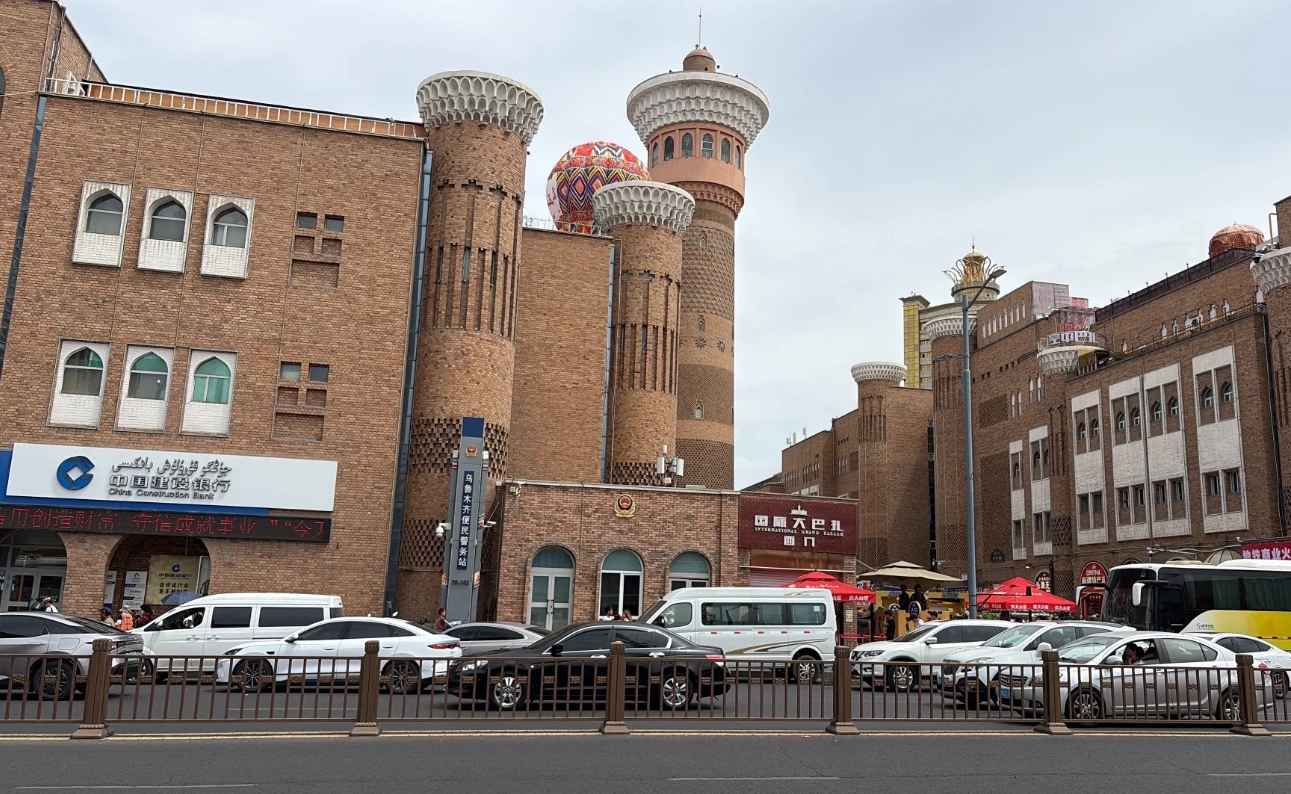
Location & Getting There
The bazaar sits right in Urumqi's Tianshan District, at the intersection of Jiefang South Road and Tuanjie Road. Address: No. 8 Jiefang South Road. Metro Line 1, Erdaoqiao Station, Exit A — that exit drops you literally at the south gate. Walk? Less than 2 minutes. If you take a taxi, tell the driver “Erdao Qiao Da Bazaar” . During rush hour (8-9am and 6-7pm), the metro is way faster; taxis can sit for 15 minutes at the traffic lights.
Hours: Most shops open 10:00–22:00, but the food stalls start firing up around 11am and stay open until midnight. The observation tower (called the Bazaar Tower) closes at 20:00 in winter, 21:00 in summer. Last entry for the tower is 30 minutes before closing. I’ve seen tourists turned away — don’t be that person.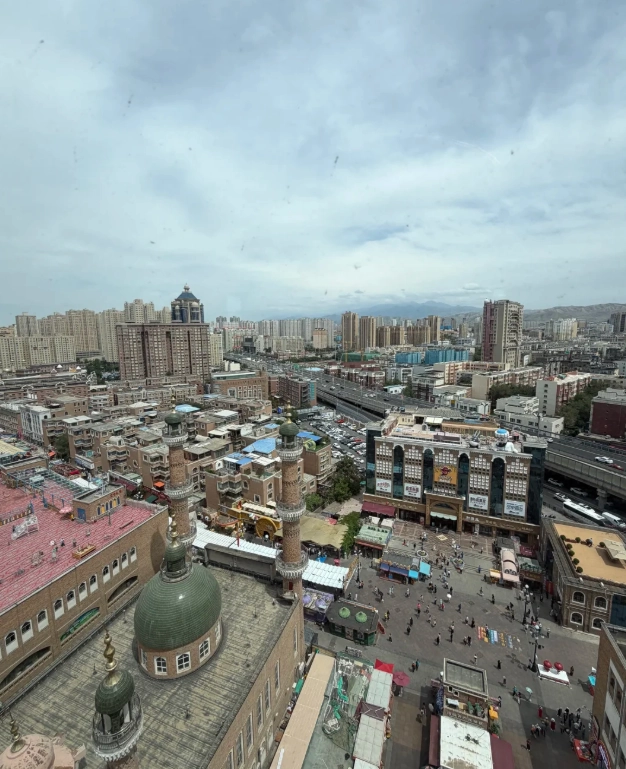
Main Sections – A Walkthrough (with Map Directions)
Let’s walk the bazaar together, using the map I always reference. I’ll break it down by section.
1. The Grand Dome (Main Hall)
You’ll see this huge blue dome from the south gate. Inside is the most touristy area — lots of carved wooden boxes, musical instruments, and knock‑off handbags. Prices here are 20-30% higher because of the prime location. I usually tell my groups: just look, don’t buy. Take a photo of the dome ceiling — it’s gorgeous.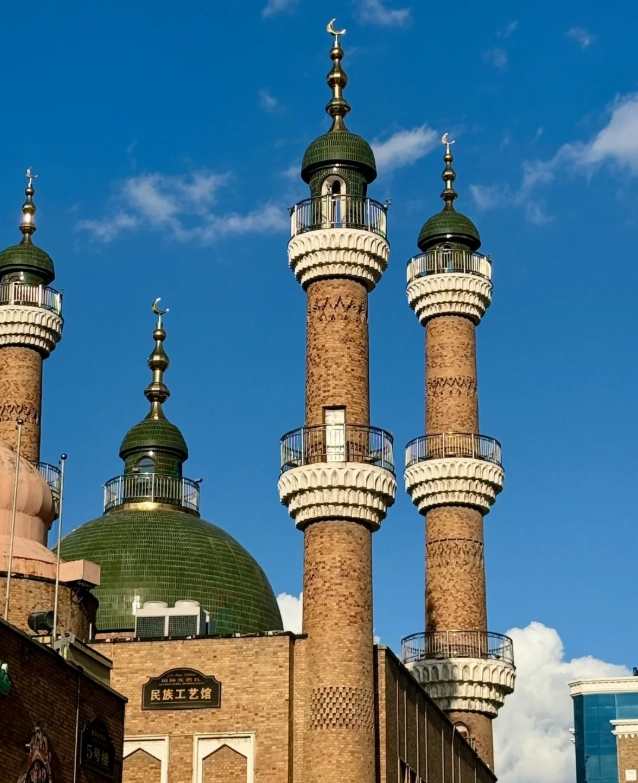
2. The Silk & Carpet Alley (East Wing)
Head east from the dome (toward the mosque minaret). This long corridor is lined with silk scarves, rugs, and handmade carpets. Real silk feels cool to the touch and crinkles when you rub it. Most shopkeepers will let you do the burn test (pull a thread and light it — real silk smells like burnt hair, not plastic). Bargaining starts at 50% of the asking price. I once got a 2x3 meter wool carpet from 2,000 RMB down to 800.
3. Dry Fruit & Nut Bazaar (West Wing)
Opposite the silk alley, you’ll find rows of bins filled with dried apricots, figs, dates, walnuts, and the famous Xinjiang raisins. My snack strategy: skip the pre‑packaged bags — ask the vendor to scoop fresh ones from the big sack. The difference in taste is huge. Prices per kilo are usually marked, but you can still haggle if you buy multiple kilos. I always grab a bag of roasted almonds with salt (about 40 RMB/kg).
4. The Food Street (North End)
Walk all the way north past the dome, and you’ll hit an open‑air lane packed with grills and steamers. This is where I eat. The air smells of lamb fat and cumin. My must‑try order: two lamb skewers (4 RMB each), one naan (2 RMB), and a bowl of hand‑pulled noodle soup (15 RMB). The skewers are cooked over charcoal — watch for the stall with the longest queue. That’s your signal.
5. The Tower & Rooftop Viewpoint
At the center of the bazaar, there’s an elevator to the 80‑meter tower. Ticket: 50 RMB for adults, 25 RMB for kids (under 6 free). You can buy tickets at the ground floor booth. The view is decent, but honestly, the best photo spot is on the rooftop of the Food Street building — free, no queue, and you get the tower in the background. I discovered this after a client complained about the tower fee.
| Section | Key Products | Price Range (RMB) | Haggling Room |
|---|---|---|---|
| Grand Dome | Souvenirs, instruments, crafts | 20–500 | Low (10-15% off) |
| Silk & Carpet Alley | Scarves, rugs, fabrics | 50–2,000 | High (40-50% off) |
| Dry Fruit West | Nuts, dried fruits, teas | 30–80/kg | Low (fixed price on some) |
| Food Street | Lamb skewers, pilaf, laghman | 4–20 per dish | None (prices set) |
| Observation Tower | View, photos | 50 (adult) | None |
Top Souvenirs – What’s Actually Worth Buying
I see tourists walk out with plastic junk all the time. Here’s what I bring back for my own family:
- Hand‑woven wool carpets – from the east alley. Ask for “100% wool” and do the burn test. A small mat (1x1.5m) costs 300-600 RMB after bargaining.
- Dried rose buds – they smell incredible and make great tea. About 20 RMB per 100g.
- Uyghur embroidered hats (doppa) – perfect gifts. 15-25 RMB each.
- Raw almonds and dates – the brown dates are sweeter than the red ones. I always buy from Stall #27 (the owner is honest and uses a weight scale you can see).
Must‑Eat Foods – A Personal Ranking
If you only eat three things at the bazaar, make it these:
- Lamb skewers (kawap) – from the grill master at the north end. He sprinkles cumin and chili flake directly from a bowl. 4 RMB each, minimum 2. I always order 5 and regret not ordering 10.
- Polo (pilaf) – the rice is cooked with carrot and lamb chunks. The best stall is next to the tea shop. 15 RMB for a small bowl. It’s oily but delicious.
- Naan bread – grab a fresh one straight from the tandoor. The sesame ones are the best. 2 RMB each. You can use it as a plate or wrap for the skewers.
For dessert, try the samsa (baked lamb pastry) – flaky and savory. 5 RMB each. And a cup of black tea with milk from the Uyghur tea house near the dome. 8 RMB, and you can sit on a carpet for a few minutes.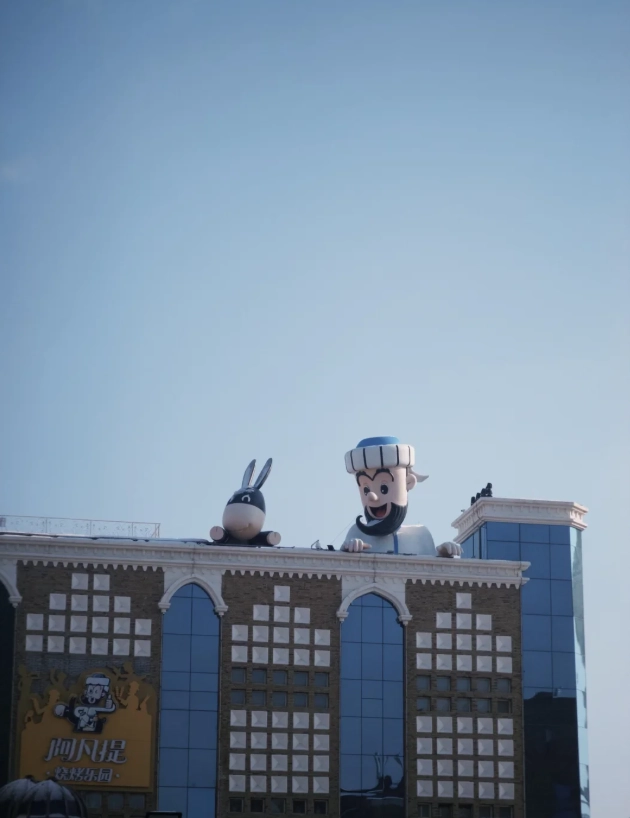
Surviving the Crowds – Map‑Based Timing
The bazaar gets packed from 11am to 3pm, then again from 5pm to 8pm. I always bring clients at 10am sharp — the stalls are opening, but the alley are empty. You can walk without getting elbowed. Also, skip weekends if possible; local tourists flood in.
Here's a trick I use: if you're caught in a crowd near the dome, duck into the side corridors (the ones marked “staff only” are actually public passages most tourists ignore). They lead to quieter parts of the bazaar. The map I mentioned earlier shows these shortcuts — I've marked them with a red pen on my own copy.
Another reality check: the toilets near the main entrance are often dirty and have a queue. Use the ones behind the food street — cleaner, shorter line, and there's often toilet paper (rare in China).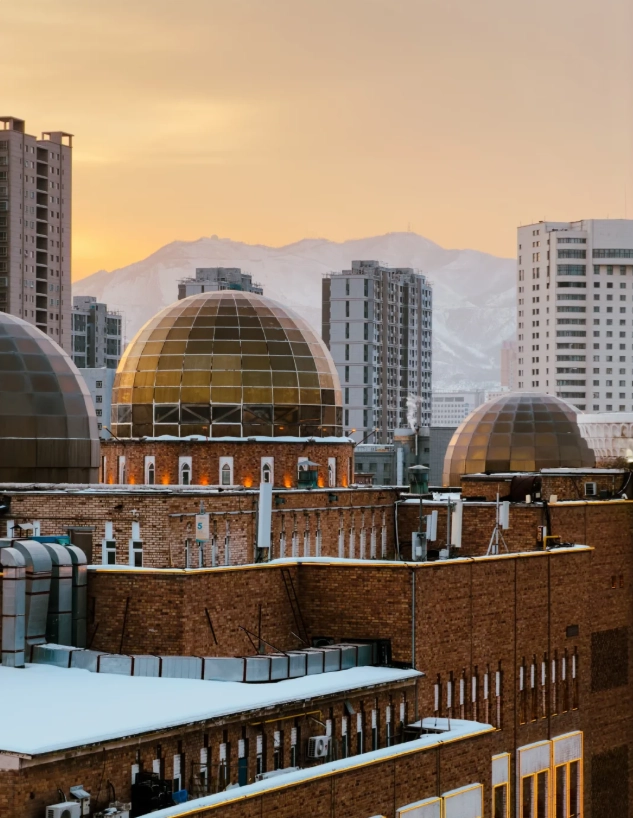
Frequently Asked Questions
Verified and fact‑checked by the editorial team.





Navigating the Grand Bazaar used to feel like a maze, but this map changed everything. The suggested route through the quieter backstreets was a game-changer – I saw the actual craftsmen working on metalware instead of just the touristy front shops. Best $5 I spent on my Xinjiang trip. Highly recommend the laminated version for durability.
The map was okay, but I found a few of the landmarks were slightly outdated – one shop listed as a tea house had been turned into a mobile phone store. Also, the ‘walking times’ felt off; it took almost double the time to get from the mosque to the main gate because of the crowds. Still helpful, but don’t rely on it blindly.
We bought the digital version before our trip and used it every day. The layout is super intuitive, and the color-coded sections made it easy to find everything from jewelry to dried fruits. My kids loved following the ‘treasure hunt’ route suggested on the back. Would give it six stars if I could!
Honestly, the map is a lifesaver if you want to eat like a local. It marked the actual Uyghur food stalls that tourists usually miss. I found a tiny place serving lamb kebab with nang that was better than anything I had in the main square. The only downside is that it’s a bit heavy on the paper version – wish it had an offline digital download too.
This map saved me hours of wandering! I had it open on my phone while exploring the bazaar, and it pointed me straight to the hidden spice alley and the best silk shops. The local tips about bargaining were spot on — I got a beautiful handwoven rug for half the asking price. Absolutely essential for first-timers.