 Hong Ma
What's Inside
I've been guiding travelers through Urumqi winters for seven years. And let me tell you—most foreigners get it wrong. They book a taxi to a random ski resort, freeze at an empty ice festival, and leave thinking they know the city.
They don't.
So here's a real guide. No fluff. I'll show you exactly how to navigate the snow, what to eat when it's -20°C, and which scenic spots are actually worth your time.
When to Go: The Sweet Spot
December through February is peak winter. But the best conditions for snow activities are mid-January to early February—that's when the ski resorts have the thickest powder and the ice sculptures are at their most spectacular.
If you hate crowds, avoid Chinese New Year (usually late January/early February). The families flood in. Prices triple. And the queues at the ski lifts become a test of patience.
Packing Like a Pro
Your standard winter coat won't cut it. Trust me. I've seen shivering guests in Canada Goose just because they forgot one layer.
Here's what I tell my clients:
- Base layer: Thermal underwear (merino wool or synthetic). Avoid cotton—it stays wet and cold.
- Insulation layer: Fleece or down vest.
- Outer layer: Windproof and waterproof jacket/pants. The wind here cuts right through regular coats.
- Accessories: Balaclava (not just a scarf!), insulated gloves with touchscreen tips, thick wool socks + waterproof boots with good tread (black ice is no joke).
- Extra: Hand warmers. You can buy them at any convenience store for a few yuan. I always carry a dozen in my pockets for clients.
Day-by-Day Itinerary
Day 1: Arrival & City Warm-up
Land at Urumqi Diwopu International Airport (URC). Taxi to downtown takes 30-40 minutes, about 50-60 RMB. Do not take airport express bus if you have luggage—it drops you far from hotels.
Check into Holiday Inn Urumqi Downtown (address: 168 North Xinhua Road). Reliable heating, good English at front desk, and they accept international credit cards. Prices: 400-700 RMB/night in winter.
Afternoon: Walk to Hongshan Park (5-minute walk). It's free, offers a great view of the city covered in snow, and the pagoda on the hill is a classic photo spot. Avoid the cable car—it's old and often closed in winter.
Dinner: Head to Bazaar Restaurant (address: 78 South Jiefang Road). It's a touristy spot but reliable for first-timers. Order the dapanji (big plate chicken) — it's spicy, saucy, and perfect for cold weather. The nang bread on the side soaks up every drop.
Day 2: Snow & Ice Day
8:00 am: Depart for Tianshan Grand Canyon (about 1.5 hours by taxi, 200 RMB one way). Entry fee: 60 RMB (adult), no discount for foreigners. Reserve online via the official WeChat mini-program — or ask your hotel to do it. The process is in Chinese only; I've seen many tourists turned away.
What to do: Walk the plank trails through towering red cliffs dusted with snow. The ice waterfalls are spectacular. Best photo time: 11:00 am to 1:00 pm when the sun hits the canyon directly. After that, shadows swallow the color.
Pitfall: The glass-bottom bridge (an extra 30 RMB) is often slippery with ice. I take my clients around it — not worth the risk or money.
Lunch: Packed lunch from the hotel. The only restaurant at the canyon entrance is overpriced and mediocre (think rubbery noodles).
3:00 pm: Back to Urumqi. Hit Silk Road Ski Resort (about 30 minutes from downtown). It's less crowded than the famous Tianshan Ski Resort, and the slopes are decent for intermediates. Equipment rental: 100 RMB for skis/boots/poles. Lift ticket: 180 RMB for 4 hours.
Private tip: Arrive before 2 pm if you want fresh snow. Afternoons get choppy. Also, the restaurant at the base serves passable hotpot — go for the lamb, skip the beef.
Evening: Return to city, try Warm Lake Hotpot (address: 2/F, Grand Pacific Mall, 299 South Youhao Road). It's a local chain, clean, and they have an English menu. The broth is lamb-based with goji berries — incredibly warming. Average cost: 80-120 RMB per person.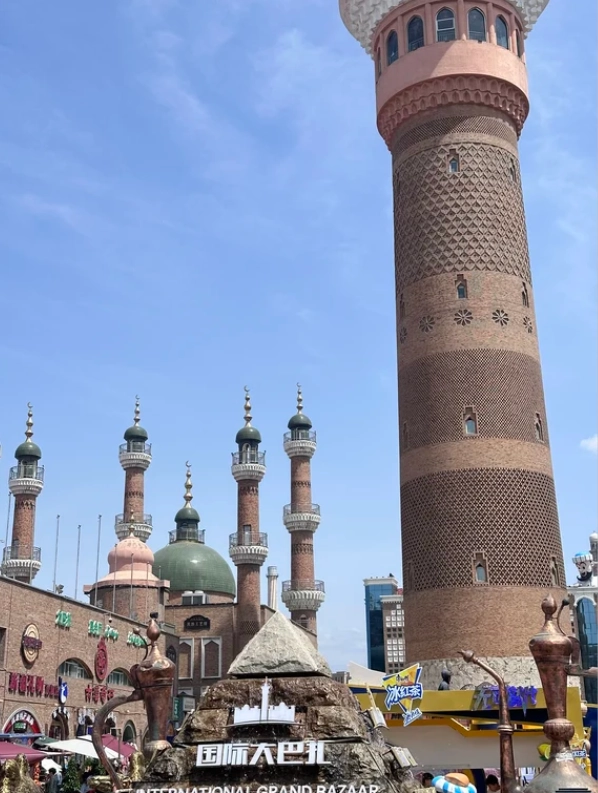
Day 3: Culture & Shopping (Indoor Escape)
9:00 am: Xinjiang Provincial Museum (address: 132 South Xinhua Road). Free entry, but you need to reserve a slot via the museum's WeChat mini-program. Again, ask your hotel staff. The mummies from the Taklamakan Desert are the main draw — they're over 3,000 years old and incredibly preserved. Allow 2 hours.
11:30 am: Walk to Grand Bazaar (10-minute walk). It's a covered market packed with souvenirs, carpets, and dried fruit. Haggling is expected: start at 50% of the asking price for non-food items.
Warning: Many stalls accept only Alipay or WeChat Pay. I always carry 200-300 RMB in cash for this reason. Also, avoid the “authentic” Russian chocolate — it's made in China and tastes like wax.
Lunch: Xinjiang Rong Restaurant (inside the bazaar complex). Order laghman noodles and grilled lamb skewers. The skewers are fat, juicy, and seasoned with cumin and chili — they come sizzling on a mini grill. Price: 3-5 RMB per skewer.
Afternoon: Rest or explore People's Park if the weather is sunny (unlikely in winter).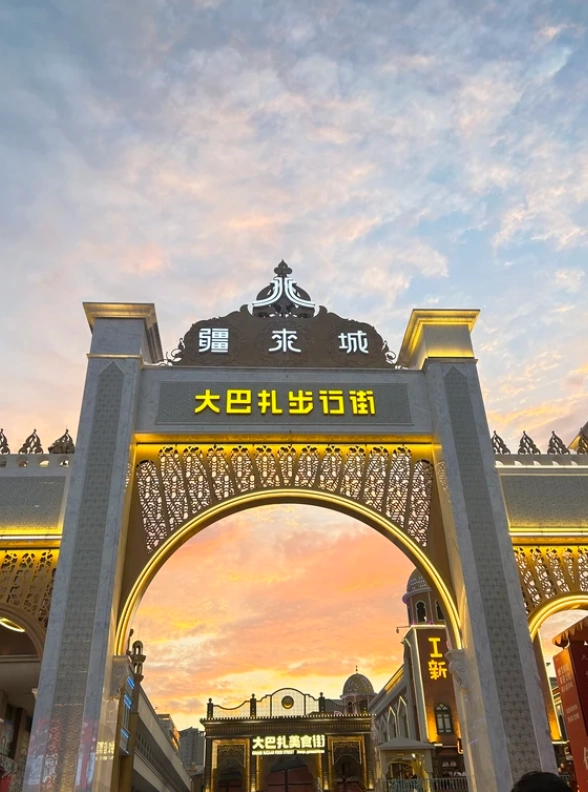
Day 4: Departure
Depending on your flight, grab a final breakfast at Nang King near the airport (address: Terminal 2, Departures Level). They have fresh nang bread stuffed with lamb — messy but delicious.
Where to Eat (and Avoid)
I've compiled a quick reference from my years of trial and error.
| Restaurant | Address | Specialty | Price Range | Notes |
|---|---|---|---|---|
| Bazaar Restaurant | 78 South Jiefang Rd | Big Plate Chicken, Grilled Lamb | 50-80 RMB | Touristy but consistent; English menu available. |
| Warm Lake Hotpot | 299 South Youhao Rd | Lamb Broth Hotpot | 80-120 RMB | Clean, English menu, accepts international cards. |
| Xinjiang Rong | Inside Grand Bazaar | Laghman, Lamb Skewers | 30-60 RMB | Cash only; get there before 1 pm to avoid queue. |
| Yili River Restaurant | 56 North Jiefang Rd | Horse Meat Noodles | 40-70 RMB | For adventurous eaters; no English menu, point at photos. |
One place I always skip: Snow Lotus Restaurant near the museum. Overpriced, small portions, and they add a 10% service charge without telling you.
Frequently Asked Questions
Verified and fact-checked by the editorial team.






I was hoping for more granular details, like exactly which streets turn into skating rinks after a snowfall. The guide stays very general—‘watch out for ice’ isn’t really helpful when you’re already on it. Also, the section on winter festivals felt like a copy-paste from a tourism website. Got better info from my hotel reception. Disappointed given the hype.
Most of the advice here is solid, especially the bit about avoiding overpriced taxi drivers near the train station. But I noticed the bus route info for getting to Shuimogou Park was outdated—I ended up waiting at the wrong stop. Still, the cultural etiquette tips were excellent and the ice-walking techniques actually work. A good guide, just needs a small update.
Finally a guide that actually tells you which ‘local’ restaurants are tourist traps! I followed the advice to skip the flashy places on Renmin Road and found a tiny lamb soup stall instead—best meal of my trip. The ice safety advice is practical, not just generic warnings. Printed it out and kept it in my pocket. Highly recommend.
I used this for a week in Urumqi in January. The packing list was a lifesaver—I’d never have thought to bring those grip pads for my boots. The transport tips for getting to Urumqi Grand Bazaar were accurate, and the warning about icy steps near Hongshan Park kept me from taking a nasty fall. Would give it six stars if I could.
This guide saved me from slipping on black ice at least five times during my trip! The section on which sidewalks in Tianshan District are properly cleared was spot on. I also loved the hidden hotpot spot they recommended—no tourists, just locals and perfect for a freezing evening. Absolutely worth downloading before you go.