 Hong Ma
You step through the arch, and the scent of grilled lamb hits you like a wave. The noise— a mix of vendors yelling in Uyghur and Mandarin, music, and the clinking of tea cups— envelops you. I've been bringing clients here for over a decade, and I still get lost in the maze sometimes. Here's how to make your visit smooth and fun.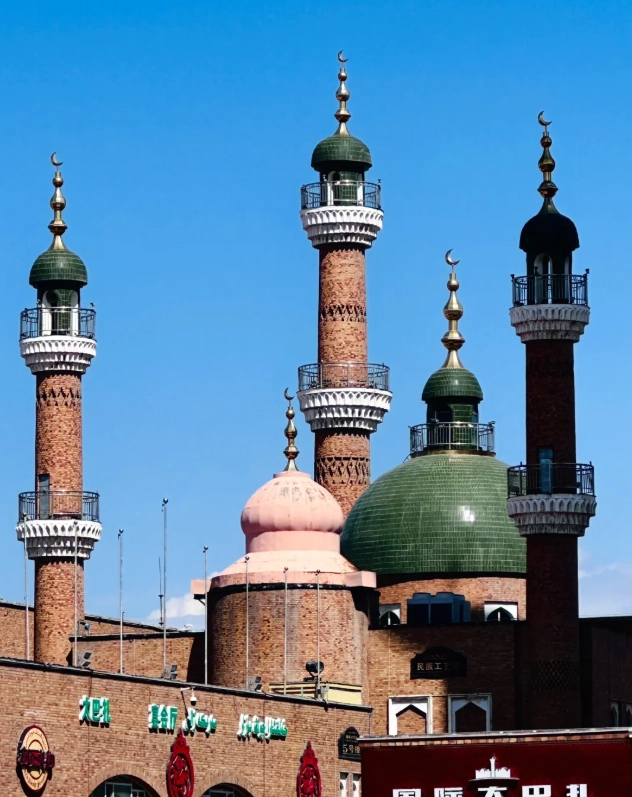
The biggest headache? Most foreign tourists I've guided had no clue that credit cards are useless here. You need cash— and lots of small bills. But there's a trick: there's a Bank of China ATM just outside the west gate (exit toward the Grand Bazaar Hotel). Don't rely on the ones inside; they're often out of order on weekends.
Let me save you the trouble: come at 10:30 AM on a weekday, when the stalls just open and crowds are thin. That's your golden window. Now let's dive deeper.
Where Is It and How to Get There
Address and Metro
The bazaar is at No. 1 Tuanjie Road, Tianshan District, Urumqi. The easiest way is metro Line 1 to Erdaoqiao Station, Exit A. Walk north about 200 meters— you'll see the iconic blue dome. If you're coming from the airport (Ürümqi Diwopu International), take metro Line 1 directly (about 50 minutes).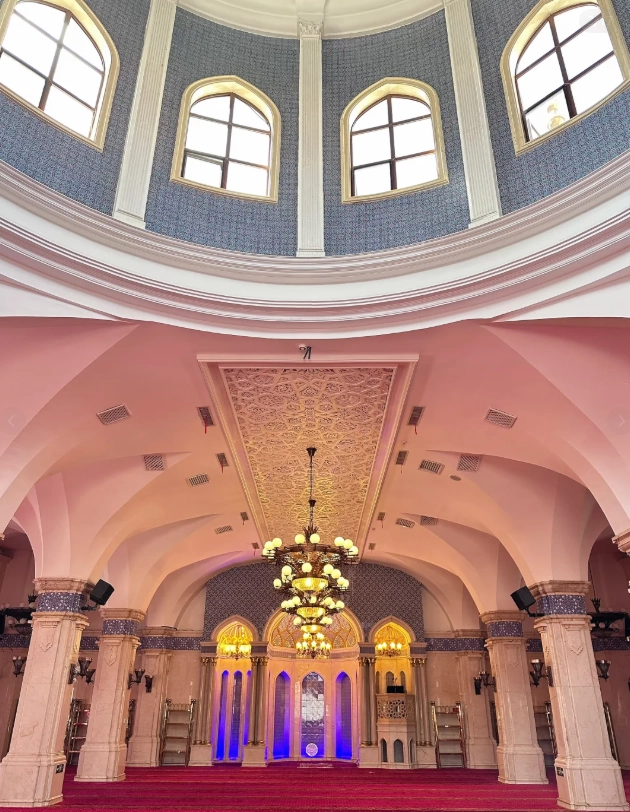
Taxi or Ride-Hailing
From city center, a Didi (Chinese Uber) costs around 15-20 RMB. Show the driver this in Chinese: "请到国际大巴扎" (Please go to the International Grand Bazaar). Avoid taxis during evening rush (6-7 PM)— they'll refuse short trips.
Best Time to Visit to Avoid Crowds and Heat
Urumqi summers hit 35°C (95°F). The bazaar's covered alleys are cooler, but during July–August, midday is still brutal. My rule: arrive at 10:30 AM (just after opening), explore for 2 hours, then take a lunch break. After 4 PM, the light is perfect for photos (the golden dome shines). Avoid weekends when local families pour in— it's chaos.
Winter (Dec–Feb) is quiet and cold (–15°C). But the indoor sections stay warm. If you hate crowds, come on a snowy Tuesday.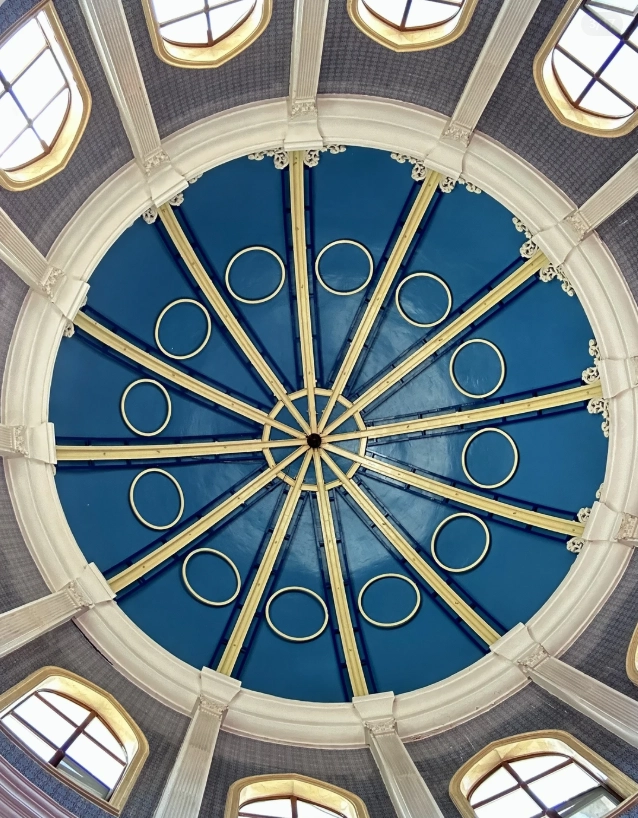
What to Buy: Traditional Handicrafts and More
Here's the honest breakdown: about 70% of stalls sell mass-produced souvenirs from Yiwu. But dig deeper and you'll find gems. I've curated a table of what's actually worth your money.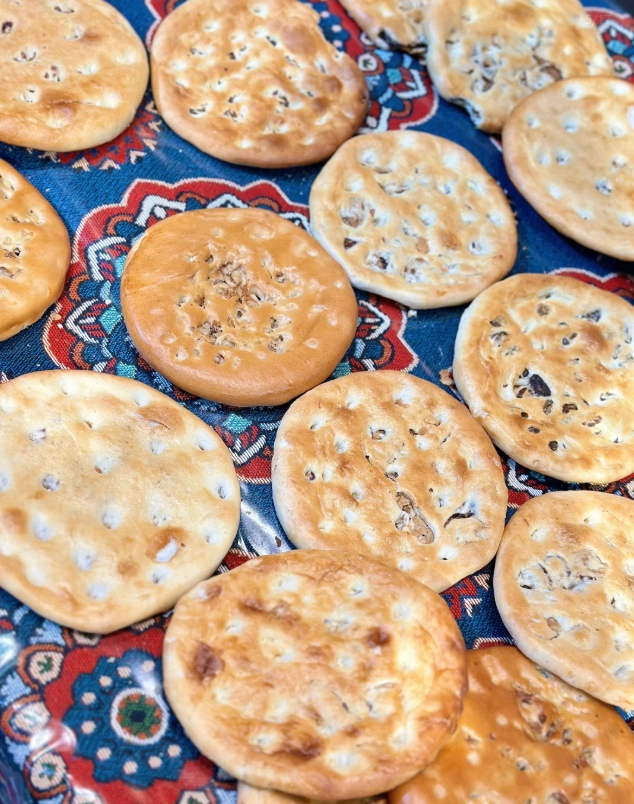
| Item | Why Authentic | Price Range (RMB) | Bargain Target |
|---|---|---|---|
| Hand-embroidered Uyghur hats (doppa) | Silk thread, local designs | 30–100 | 40 for simple ones |
| Xinjiang dried fruits (raisins, figs, dates) | Sweet, sun-dried, no additives | 20–60 per kg | 35 per kg |
| Uyghur knives (pichak) | Hand-forged, decorated | 80–300 | 150 for a good one |
| Silk carpets | Hand-knotted, wool/silk blend | 500–5000 | Negotiate 30% off |
| Mutton fat jade (hetian yu) | Real jade, but check for cracks | 100–1000 | Trust your gut; avoid if not sure |
Food to Try: A Taste of Uyghur Cuisine
You can't leave without eating. The bazaar has a dedicated food court upstairs (section 2, second floor). But honestly, the best stuff is from the vendors on the ground floor alleyways. Let me point you to my favorites.
Grilled Lamb Skewers (Kawap)
Where: Look for the stall with the biggest chimney, near the east entrance. The guy there uses real charcoal and never pre-cooks. Price: 5–8 RMB per skewer. My ritual: order 5, eat them hot, then order 5 more. The fat renders perfectly.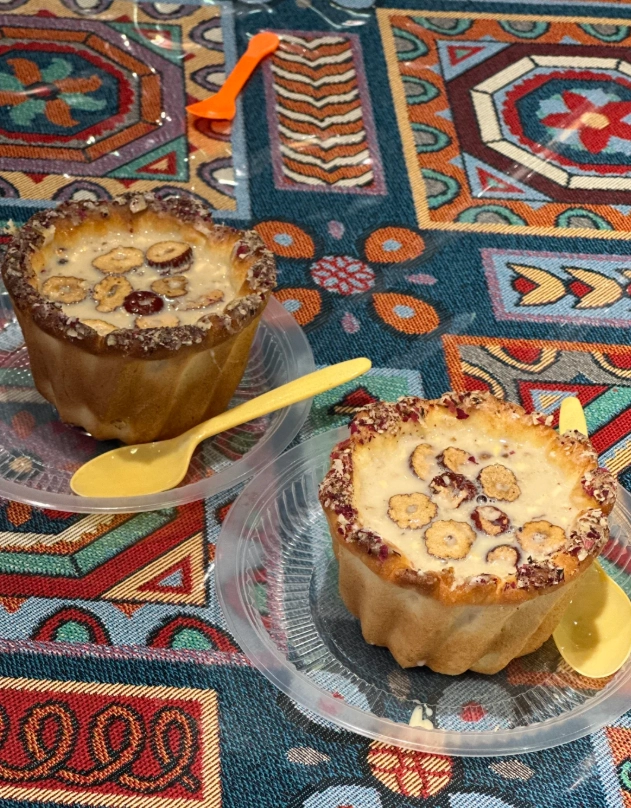
Naan and Pilaf (Polo)
Where: Inside the food court, stall 22 (sign says "Tursun's Kitchen"). The rice is fluffy, carrots sweet, and lamb tender. Price: 25 RMB for a plate. It's halal, obviously. Warning: They use lots of oil— if that bothers you, share with a friend.
Local Yogurt and Fruits
Just outside the south gate, an old Uyghur woman sells homemade yogurt in clay bowls— thick, tangy, topped with local honey (12 RMB). Grab a bowl and walk around. Also, buy a bag of fresh apricots (July–August) from any fruit stall; they're tiny but explosively sweet.
Bargaining Tips: How to Get a Fair Price
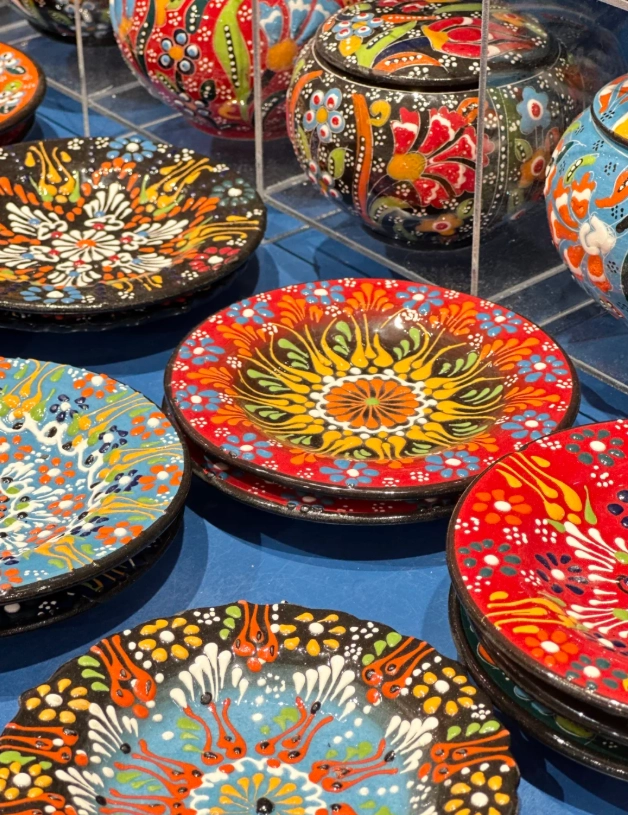
Bargaining is expected, but there's a code. Start at 30–40% of the asking price, then settle around 50–60%. For example, if a scarf is marked 100 RMB, offer 40. The vendor will act offended— that's the game. My personal record: bought a hand-painted plate from 180 down to 80.
Golden rule: Never bargain for something you don't intend to buy. Once you name a price, you're committed. Also, put a smile on your face— vendors appreciate cheerfulness. And don't pull out your wallet too soon; they'll know you're eager.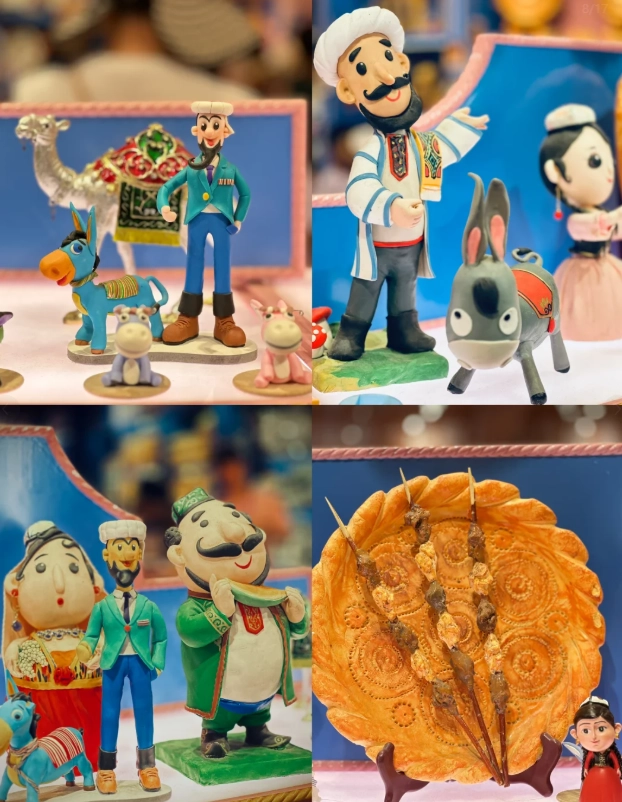
Practical Information
Opening Hours
Summer (Apr–Oct): 10:00–22:00 daily. Winter (Nov–Mar): 10:00–20:00. The food court closes about 30 minutes earlier. The bazaar is open every day, but some stalls may close on major Islamic holidays (Eid al-Fitr, Eid al-Adha) – check calendar.
Entrance Fee
Free to enter. But the central sightseeing tower (for panoramic views) costs 30 RMB. Skip it— the view is just okay. Instead, go to the nearby Hongshan Park (free) for a better skyline.
What to Wear
No strict dress code, but this is a conservative Muslim region. I always tell my female clients to cover shoulders and knees to avoid stares. Men can wear shorts, but long pants are more respectful.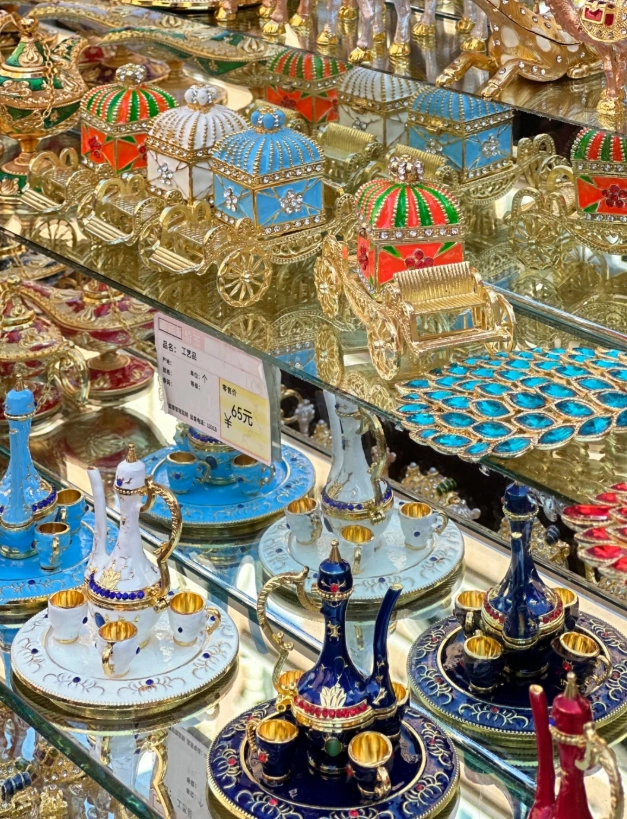
Payment
Cash is king. Most stalls accept WeChat Pay or Alipay, but as a foreigner, those apps are a pain to set up. Bring enough small notes (10, 20, 50 RMB). There's an ATM at the west gate (Bank of China) that works with international cards— but it charges a fee (~30 RMB per withdrawal).
Common Mistakes to Avoid
- Going without cash: I've seen tourists walk in with only a credit card and leave empty-handed and frustrated.
- Buying at the first stall: Prices vary wildly. Walk the entire bazaar (it's huge) before buying anything significant.
- Taking photos of people without asking: Some locals are sensitive, especially older Uyghur vendors. Always gesture or smile and point to your camera. Many will refuse; respect that.
- Assuming all shops are genuine: Beware of "jade" shops run by non-local merchants— often overpriced and fake. Stick to stalls run by Uyghur families for authenticity.
- Skipping the side alleys: The main corridors are touristy. The narrow side alleys (especially near the mosque) have amazing antique carpets and handcrafted instruments.
FAQ
Absolutely. Security is tight— there are police checkpoints at every entrance. You'll be scanned (bag and body) like at an airport. Pickpocketing is rare but possible, so keep your wallet in a front zipper pocket.
Very few stallholders speak English. But many younger vendors use translation apps. If you need detailed information, hire an English-speaking guide from a local agency (about 300 RMB for 2 hours). I personally recommend asking at your hotel reception— they often have contacts.
Minimum 2 hours for a quick browse; 3–4 hours if you want to eat and shop seriously. If you're only interested in food, 1.5 hours is enough. Don't plan more than half a day— the noise and crowds can be overwhelming.
Dried fruits (raisins, dried apricots, dates) – they're lightweight, non-perishable, and delicious. The local Uyghur tea (black tea with spices) is also a hit. Avoid fragile items like pottery if you're backpacking.
No. Food prices are fixed. Just pay what's asked (but double-check the total before paying; some vendors might try to overcharge— a gentle "That's too much" usually fixes it).





Hands down the best market I've visited in all of China. Every corner offers something unique — hand-carved wooden boxes, embroidered hats, jade pendants, and delicious dried persimmons. I appreciated that most price tags were clearly marked, so there was no awkward haggling if you didn't want to. The atmosphere is electric, especially around sunset when the lights come on. Definitely go for at least half a day.
This place is a paradise for food lovers! I came for the Uyghur cuisine and left completely stuffed. The naan bread fresh from the tandoor, the juicy lamb kebabs, and the sweet rose tea were unforgettable. The upper floors have great views of the bustling crowd below. It's chaotic but in the best way — authentic, lively, and full of character. Would recommend to anyone visiting Xinjiang.
Absolutely blown away! The Xinjiang International Grand Bazaar is a feast for the senses — the scent of grilled lamb skewers, the colorful silk fabrics, the sound of drumming and singing. I spent hours wandering through the spice and dried fruit sections, and the vendors were friendly, not pushy at all. Got a beautiful hand-woven rug at a fair price after some light haggling. A must-visit in Urumqi!
A solid 4 stars. The bazaar is visually stunning with all the domes and tiles, and the variety of goods is incredible — from carpets to nuts to jewelry. I loved the vibe and the live music near the entrance. The only reason I'm not giving 5 is that the restrooms were filthy and the crowds made it hard to browse peacefully. Bring hand sanitizer and go early if you can.
Honestly, I was a bit let down. The market is huge and has some impressive architecture, but it felt way too touristy. Everything was overpriced compared to what you'd pay in the local alleys, and vendors were super pushy. The food court was chaotic and the skewers I got were cold. Maybe I just hit it on a bad day, but I wouldn't go out of my way again.